Friedrich von Gentz: The Complex Architect of German Conservatism in the Shadow of Revolution
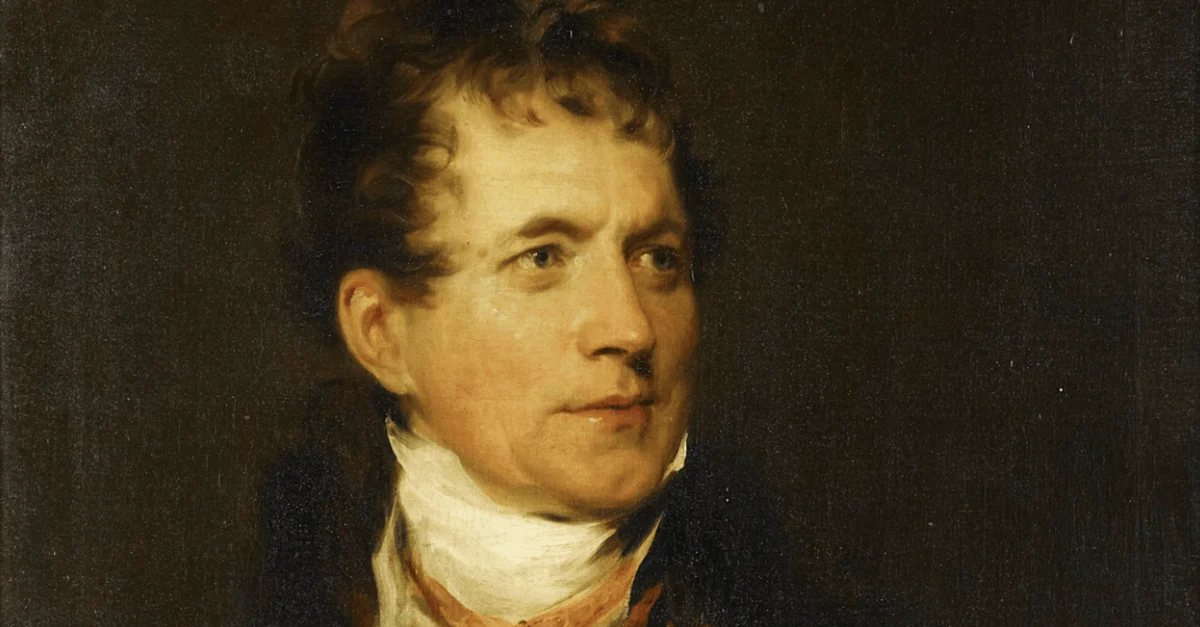
The narrative of the French Revolution, a cataclysmic event that reshaped Europe, is often understood through the lens of its immediate protagonists and antagonists. Yet, to fully grasp its intellectual and political reverberations, one must delve into the nuanced contributions of figures like Friedrich von Gentz (1764-1832). This Prussian-Austrian diplomat and writer, renowned for providing the definitive German translation of Edmund Burke’s seminal Reflections on the Revolution in France, is frequently, and perhaps too simplistically, characterized as a French Revolution reactionary and a conservative in the Burkean mould. However, such a narrow definition fails to capture the profound complexity of a man whose intellectual journey traversed the very ideals and disillusionments of his age, ultimately forging a unique synthesis that would profoundly influence German thought and European diplomacy.
Gentz was not merely an echo of Burke; he was a distinct product of the Enlightenment who grappled with the violent contradictions of a revolution he initially championed. His evolution from an ardent supporter of rationalist ideals to a sophisticated critic of revolutionary excess marks him as a pivotal figure, whose work laid the intellectual groundwork for a distinct German conservatism and helped steer the diplomatic course of post-Napoleonic Europe.
Main Facts: The Architect of Conservative Thought
Friedrich von Gentz stands as a towering, albeit frequently misunderstood, intellectual and political figure of late 18th and early 19th-century Europe. Born into the vibrant intellectual climate of Enlightenment Berlin, Gentz embarked on a journey that would see him transform from a fervent advocate of the French Revolution’s initial ideals to one of its most articulate and influential critics. His most celebrated achievement, the German translation of Edmund Burke’s Reflections on the Revolution in France (published in 1792), was not a mere linguistic transfer but an intellectual reinterpretation that infused Burke’s traditionalism with the philosophical rigor of Kantian rationalism.
This unique synthesis allowed Gentz to adapt Burke’s arguments for a German-speaking audience deeply immersed in Enlightenment thought, thereby shaping a distinct form of German conservatism that valued history, tradition, and moderation without entirely rejecting the principles of reason and liberty. Beyond his prolific writing, Gentz distinguished himself as a shrewd diplomat, notably serving as the trusted advisor and "secretary of Europe" to Austrian foreign minister Klemens von Metternich. In this capacity, he leveraged his intellectual prowess and publicist skills to champion conservative principles and orchestrate the delicate "balance of power" that defined European politics for decades after the Napoleonic Wars. His life, therefore, represents a fascinating intersection of philosophy, journalism, and statecraft, leaving an indelible mark on both intellectual discourse and practical diplomacy.
Chronology: A Journey Through Tumultuous Times
Gentz’s intellectual and political development unfolded against the backdrop of an era defined by revolutionary fervor and profound philosophical shifts. His journey from an Enlightenment idealist to a pragmatic conservative was shaped by the intellectual currents of his youth and the stark realities of the French Revolution.
Early Life and the Berlin Enlightenment
Born in 1764 in Berlin, Gentz’s formative years were spent in the intellectual crucible of Prussian Enlightenment. The capital city, under the rule of Frederick II (Frederick the Great), was initially a beacon of enlightened absolutism. Frederick’s reign, though celebrated for its reforms and cultural patronage in its early decades, had by the 1780s begun to show its age, with the monarch appearing increasingly anachronistic amidst the accelerating pace of philosophical inquiry.
The German Enlightenment, or Aufklärung, had matured significantly. Philosophers such as Immanuel Kant, Christian Garve, and Moses Mendelssohn were exploring profound questions regarding ethics, individual autonomy, and the legitimate relationship between government and governed. They challenged the inherent privilege of the aristocracy and questioned the suspension of individual ethics for the sake of royal authority, pushing the boundaries of political thought. Consequently, by Frederick II’s death in 1786, much of the initial public enthusiasm for his rule had waned, replaced by a yearning for more accountable governance. Gentz thrived in this environment, immersing himself in the salons and university circles of Berlin, where the rationalism of the Enlightenment mingled with the more relaxed social mores of the period, fostering a fertile ground for intellectual growth.
Kant’s Influence and Revolutionary Zeal
Gentz’s intellectual sophistication was most profoundly shaped by Immanuel Kant. In 1783, Gentz enrolled at the University of Königsberg, where he studied under Kant, who by then was a towering figure in philosophy, having published his groundbreaking Critique of Pure Reason in 1781. This period of academic tutelage exposed Gentz to the rigorous analytical methods and ethical frameworks of Kantian philosophy, leaving an indelible mark on his intellect. It also opened him to the radical ideas of Jean-Jacques Rousseau, further cementing his belief in the fundamental importance of reason and liberty to human nature.
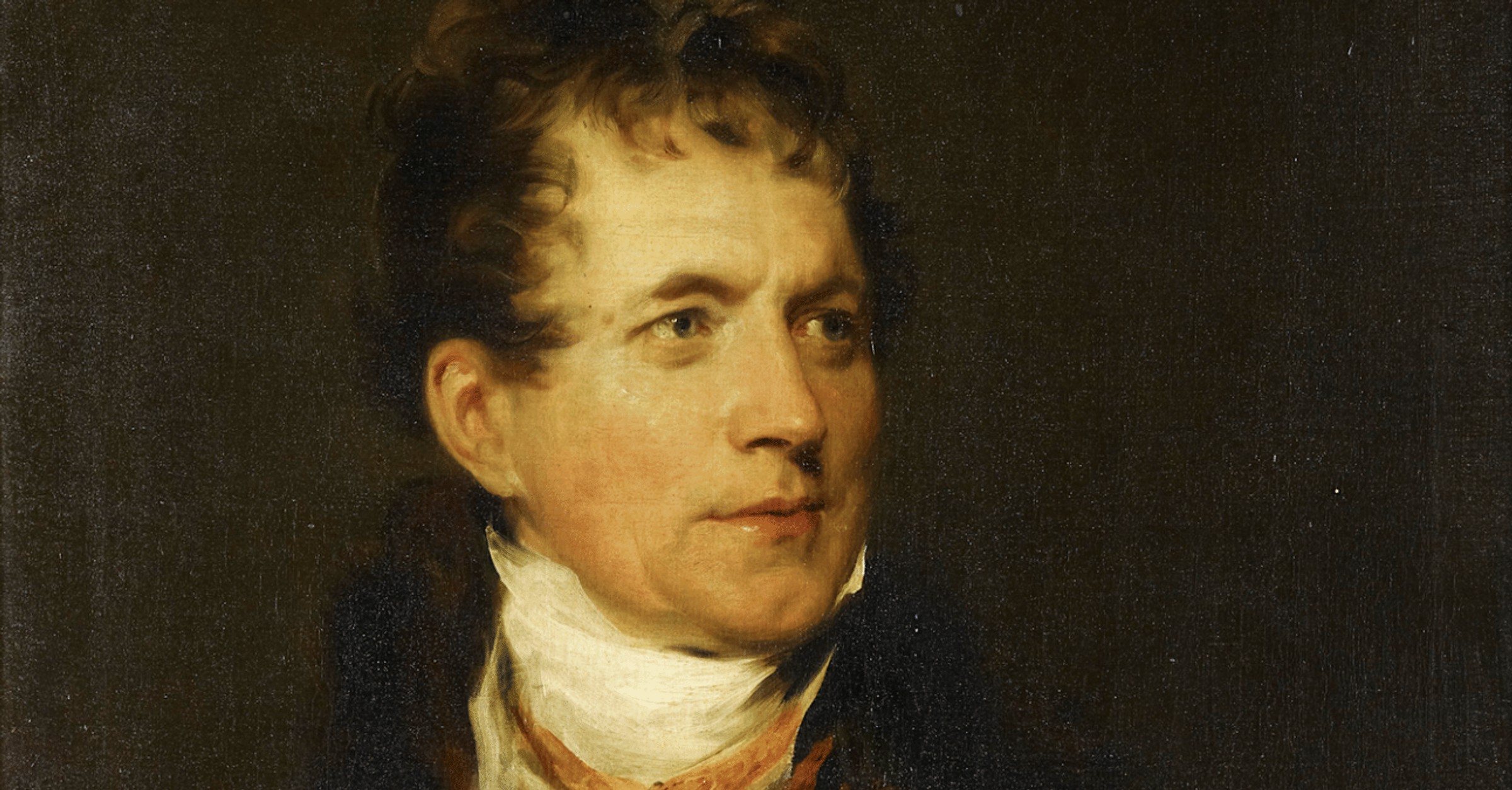
By 1789, the year the Bastille fell, Gentz was convinced that political systems and international relations should be anchored in these universal values. He articulated a vision of government where rulers derived their authority from the people and were, therefore, accountable to them. In 1791, he enthusiastically hailed the French Revolution as "the first practical triumph of philosophy, the first example of a form of government which is founded on principles and upon a consistent, logical system." (Reiff, 57). At this juncture, the Revolution, for Gentz, represented the epitome of enlightened political thought brought to life.
The Turning Point: Violence and Burke’s Reflections
Gentz’s ardent support for the French Revolution, however, was short-lived. In early 1791, a German translation of Edmund Burke’s Reflections on the Revolution in France appeared in Vienna. Published by Joseph Stahel, an amateur philosopher, this translation, though imperfect, effectively conveyed Burke’s core arguments against the Revolution. Gentz initially approached the text with hostility, finding himself in clear disagreement with Burke’s conservative critique.
Yet, the escalating violence and radicalization of the French Revolution itself began to sow seeds of doubt. By 1792, the Revolution had entered a terrifying phase, marked by mob rule, massacres, and the systematic suppression of dissent, culminating in the Reign of Terror. This alarming trajectory forced Gentz to reconsider his initial optimism. His growing skepticism was further influenced by his close friend, Wilhelm von Humboldt, who, having once been a fervent supporter, was also becoming increasingly disillusioned. By the end of 1791, Gentz had decisively shifted into the anti-Revolutionary camp.
In 1792, Gentz embarked on his own translation of Burke’s Reflections, titled Betrachtungen über die französische Revolution nach dem Englischen des Herrn Burke. The publication of this work solidified his new stance. By December 1792, he publicly articulated his conviction that the French Revolution posed a grave threat to the peace and security of all nations. This intellectual pivot was permanent; Gentz would remain a staunch anti-revolutionary for the remainder of his life.
Nuanced Conservatism: Beyond Blind Adherence
Crucially, Gentz’s conversion to an anti-revolutionary stance did not make him an uncritical disciple of Burke. While Burke’s arguments certainly commanded his admiration, Gentz’s devotion was never blind. He remained, at heart, a Kantian. His skepticism towards the French Revolution stemmed primarily from the unchecked terrorism it unleashed—the pillaging, massacres, and vandalism—rather than an outright rejection of its stated ideals of reason and liberty. For Gentz, the Revolution, in its violent manifestation, had betrayed its foundational principles, becoming the very embodiment of injustice and oppression it claimed to fight.
Gentz’s agreement with Burke resided in certain fundamental points: the profound importance of history, tradition, and established institutions, and the inherent futility of attempting to construct a viable political system solely on abstract philosophical concepts divorced from practical reality. He found resonance in Burke’s critique of radical innovation and his advocacy for gradual, organic development. This position was further articulated in his 1800 tract, The Origin and Principles of the American Revolution Compared with The Origin and Principles of the French Revolution. In this work, Gentz posited that the French Revolution, unlike its American counterpart, began as an offensive rather than a defensive war. This offensive nature, he argued, lacked moderation, leading to an uncontrollable frenzy and escalating violence where wisdom and restraint should have prevailed.
Supporting Data: The Synthesis of Ideas
Gentz’s enduring significance lies not just in his intellectual shift but in his unique ability to synthesize seemingly disparate philosophical traditions. His translation of Burke’s Reflections was far more than a linguistic exercise; it was a profound act of intellectual appropriation and reinterpretation, tailored for a specific German audience.
Gentz’s Burke: A Counter-Enlightenment Catalyst?
Historian Johnathan Green highlights a crucial distinction: while Reflections is often credited with fueling counter-Enlightenment thought in Berlin, it was Gentz’s German translation, not Burke’s English original, that served as the true catalyst. It is improbable that many Berlin intellectuals would have engaged with the original text. This distinction is vital because Gentz’s rendition fundamentally altered Burke’s message for its German readership.
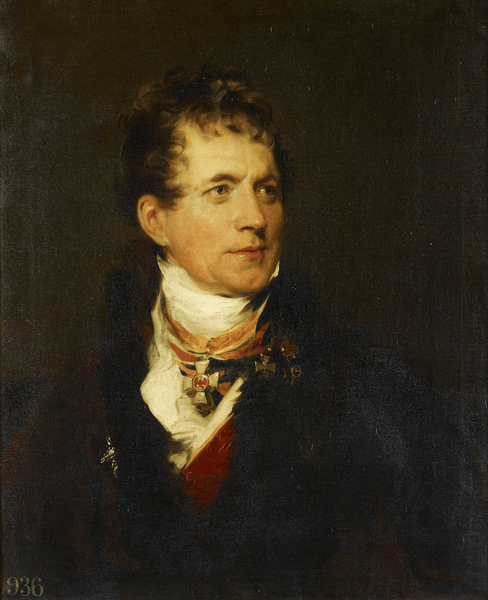
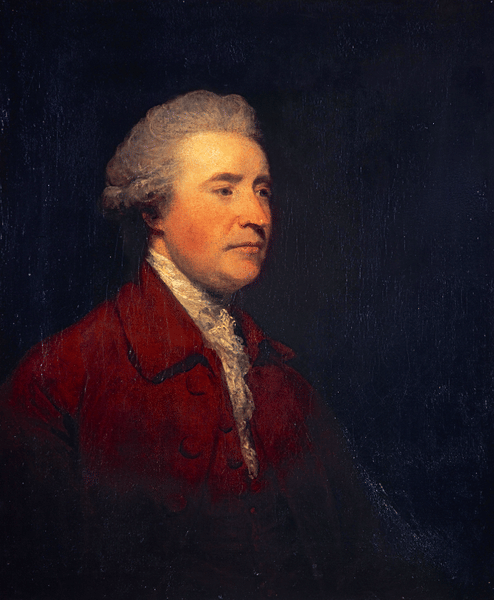
Burke, from the outset, opposed the French Revolution on deeply moral and political grounds, rooted in his profound skepticism towards abstract reason and radical change, and his reverence for inherited institutions. His Reflections carries an unmistakable anti-Enlightenment undertone. Gentz, however, was a "grandchild of the Enlightenment," deeply steeped in its rationalistic spirit. His opposition to the Revolution stemmed from disillusionment with its violent turn, not from a rejection of the Enlightenment itself. Consequently, while Gentz fiercely agreed with the general anti-revolutionary intent of Burke’s work, he was unconvinced by its aspersions against the Enlightenment. Green argues that Gentz perceived the strength of Burke’s Reflections in its emphasis on history, tradition, and moderation, but found it lacking in the philosophical sophistication and rigor that he, a Kantian, believed he could supply.
Kantian Rationalism Meets British Traditionalism
What Gentz masterfully achieved in his translation, Green contends, was a "super-imposition of Kantian rationalism upon Burke’s Reflections." Gentz did not present Burke as a traditionalist entirely hostile to reason or an anti-Enlightenment polemicist. Instead, he carefully retained the authenticity of Burke’s main arguments while simultaneously making them palatable and intellectually rigorous for an enlightened German intelligentsia. This delicate balance was accomplished through extensive footnotes, clarifications, and elaborations that significantly expanded the length and philosophical depth of his translation.
In essence, Gentz infused Burke’s pragmatic conservatism with the philosophical erudition of the German Enlightenment. He meticulously extracted what he considered the "best qualities" of British traditionalism—its emphasis on moderation, respect for established institutions, reverence for tradition, and practical pragmatism—and recast them. This reinterpretation transformed these conservative tenets into a sophisticated "diplomatic tool," one that could inform and stabilize the "balance of power" politics emerging in Central Europe throughout the 19th century. His work thus bridged the gap between British empirical conservatism and German idealist philosophy, creating a powerful intellectual framework for understanding and responding to political upheaval.
The American vs. French Revolutions
Gentz’s analytical acumen is further demonstrated in his 1800 tract, The Origin and Principles of the American Revolution Compared with The Origin and Principles of the French Revolution. This work vividly illustrates his refined critique of revolutionary movements. He argued that the American Revolution, driven by a defensive impulse against perceived tyranny and guided by a spirit of moderation, managed to achieve liberty without succumbing to anarchy. Its objectives were limited, its methods largely restrained, and its outcome a stable, constitutional republic.
In stark contrast, Gentz characterized the French Revolution as an "offensive war." He saw its boundless ambition, its pursuit of abstract ideals without regard for practical consequences, and its relentless drive for total societal transformation as inherently dangerous. This offensive posture, he contended, bred a lack of moderation, fostering a "frenzied, uncontrollable and violent" trajectory that spiraled into terror and chaos, precisely when it should have embraced milder, more measured reforms. This comparison underscored Gentz’s core belief that while revolution might be justified in certain circumstances (as in America), its success hinged on prudence, historical consciousness, and, above all, moderation—qualities he found conspicuously absent in revolutionary France.
Official Responses: Shaping Policy and Public Opinion
Gentz’s intellectual contributions were not confined to academia; they directly influenced the political discourse and diplomatic strategies of his time, particularly within the conservative monarchies of Central Europe.
A Voice in the Political Discourse
By 1793, Friedrich von Gentz had emerged as one of the most vibrant and articulate voices against the French Revolution. He regularly contributed political essays and articles to various journals and magazines, disseminating his nuanced critique to a broad educated public. His German translation of Burke’s Reflections was instrumental in shaping the intellectual landscape, providing a sophisticated framework for understanding and resisting revolutionary radicalism. It consolidated his position as a leading anti-revolutionary intellectual in Germany, effectively countering the earlier pro-revolutionary sentiments that had swept through some intellectual circles.
His writings resonated with those who sought to preserve existing social and political orders while still acknowledging the need for reform. He offered a reasoned alternative to both radical revolution and rigid, unthinking reaction, appealing to those who valued stability and gradual evolution over violent upheaval. Through his prolific output, Gentz helped to articulate and popularize a conservative worldview that was deeply influential in the German-speaking states, guiding public opinion and providing intellectual ammunition to policymakers.
Diplomatic Service and Metternich’s Era
Gentz’s intellectual prowess naturally drew him into the sphere of practical politics and diplomacy. His skills as a publicist and his clear anti-revolutionary stance made him an invaluable asset to conservative regimes. He eventually entered the service of the Austrian Empire, where he formed a powerful and enduring partnership with Austrian foreign minister Klemens von Metternich. Gentz became Metternich’s trusted advisor and chief publicist, often referred to as his "secretary of Europe."
In this role, Gentz used his formidable writing and analytical abilities to articulate and defend Austrian foreign policy, particularly during the turbulent period of the Napoleonic Wars and the subsequent Congress of Vienna (1814-1815). He crafted diplomatic memoranda, drafted treaties, and published pamphlets that justified the conservative order and promoted the concept of the "balance of power" – a system designed to prevent any single nation from dominating Europe. Gentz’s collaboration with Metternich was crucial in establishing the Concert of Europe, an alliance of conservative powers dedicated to maintaining peace and suppressing revolutionary movements across the continent. He was instrumental in shaping the narratives that underpinned the post-Napoleonic restoration, aligning with forces of conservatism to negotiate and stabilize European diplomacy for decades. His unique ability to combine philosophical depth with practical political insight made him an indispensable figure in the corridors of power.
Implications: A Lasting Legacy
Friedrich von Gentz’s intellectual and political journey left a profound and multifaceted legacy, influencing the trajectory of German thought and European diplomacy for generations.
The Birth of German Conservatism
Gentz is widely recognized for laying the intellectual groundwork for a distinct form of German conservatism. Unlike the purely reactionary conservatism that sought to simply restore the old order, Gentz’s conservatism was nuanced, incorporating elements of Enlightenment thought. He demonstrated that it was possible to champion tradition, stability, and gradual reform without entirely abandoning the principles of reason and liberty that characterized the Aufklärung. His synthesis of Kantian rationalism and Burkean traditionalism provided a sophisticated intellectual framework for those who wished to resist radical change while acknowledging the necessity of ethical governance and societal improvement. This intellectual legacy influenced subsequent generations of German thinkers and politicians, shaping debates about state, society, and national identity throughout the 19th century.
Enduring Relevance in Political Thought
Gentz’s complex intellectual evolution offers enduring lessons for political thought. His initial embrace of the French Revolution’s ideals, followed by his profound disillusionment with its violent turn, serves as a powerful cautionary tale about the perils of unchecked revolutionary fervor and the importance of moderation. He challenged simplistic binary views of political figures, demonstrating that intellectual and political positions can evolve in response to changing realities. His ability to adapt foreign ideas (Burke’s conservatism) to a local intellectual context (Kantian Germany) also highlights the dynamic nature of intellectual exchange and the necessity of tailoring political theories to specific cultural and historical circumstances. In an age still grappling with the tensions between idealism and pragmatism, revolution and reform, Gentz’s insights remain remarkably pertinent.
A Bridge Between Eras
Ultimately, Friedrich von Gentz stands as a pivotal figure who bridged the intellectual divide between the promise of the Enlightenment and the conservative backlash that followed the French Revolution and Napoleonic Wars. He personified the struggle of a generation caught between the allure of radical change and the imperative of stability. His work illuminates the intellectual currents that shaped modern Europe, demonstrating how philosophical ideas could be harnessed and adapted to confront profound political challenges. By integrating the best of British traditionalism with the philosophical rigor of German rationalism, Gentz crafted a potent intellectual tool that not only critiqued the excesses of his time but also helped to construct the diplomatic architecture that would govern Europe for decades, cementing his place as an indispensable, if complex, architect of European history.