The Architecture of Agitation: Raquelle Jac’s ‘Bimbo Agitprop’ and the New Frontier of Underground Comix
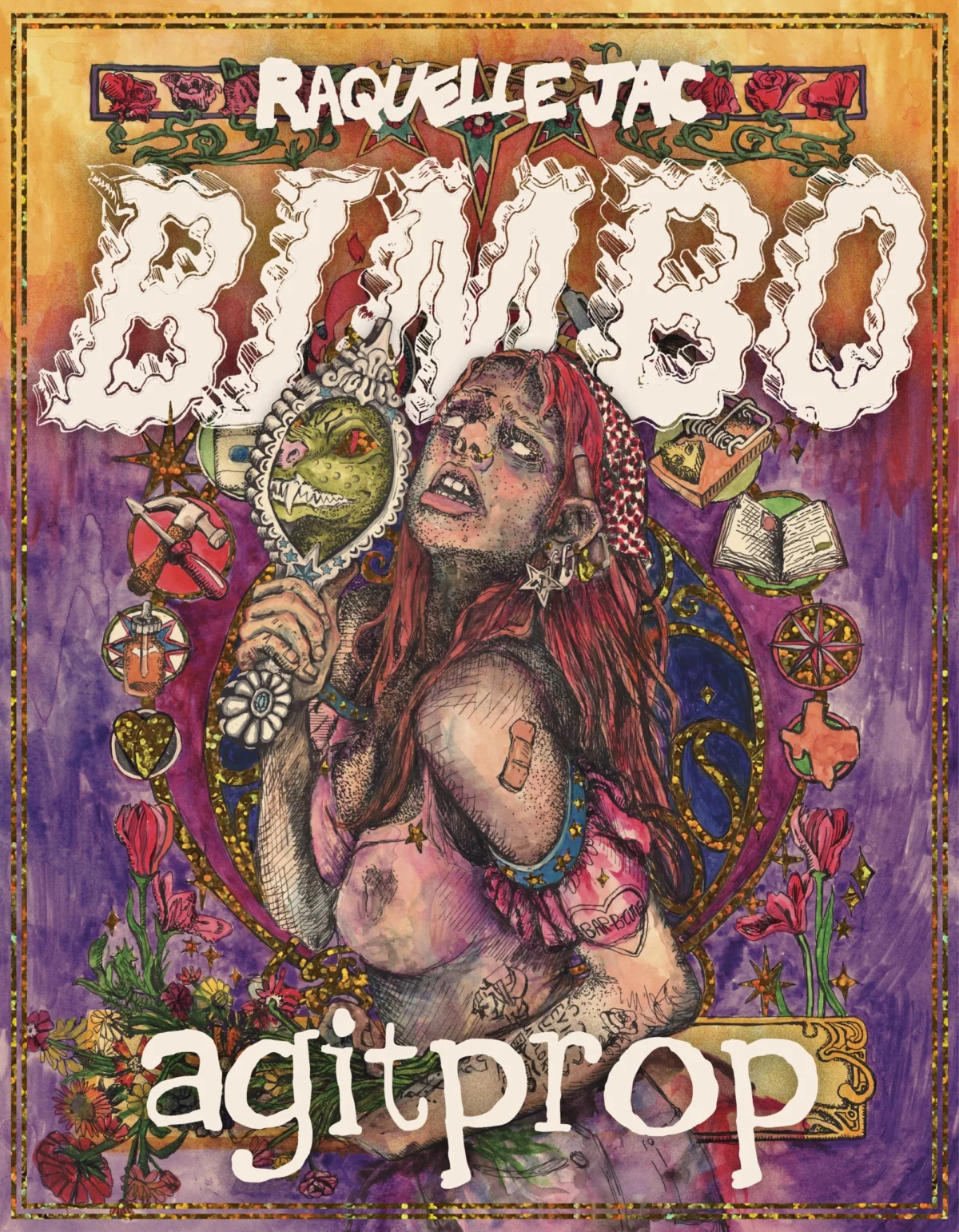
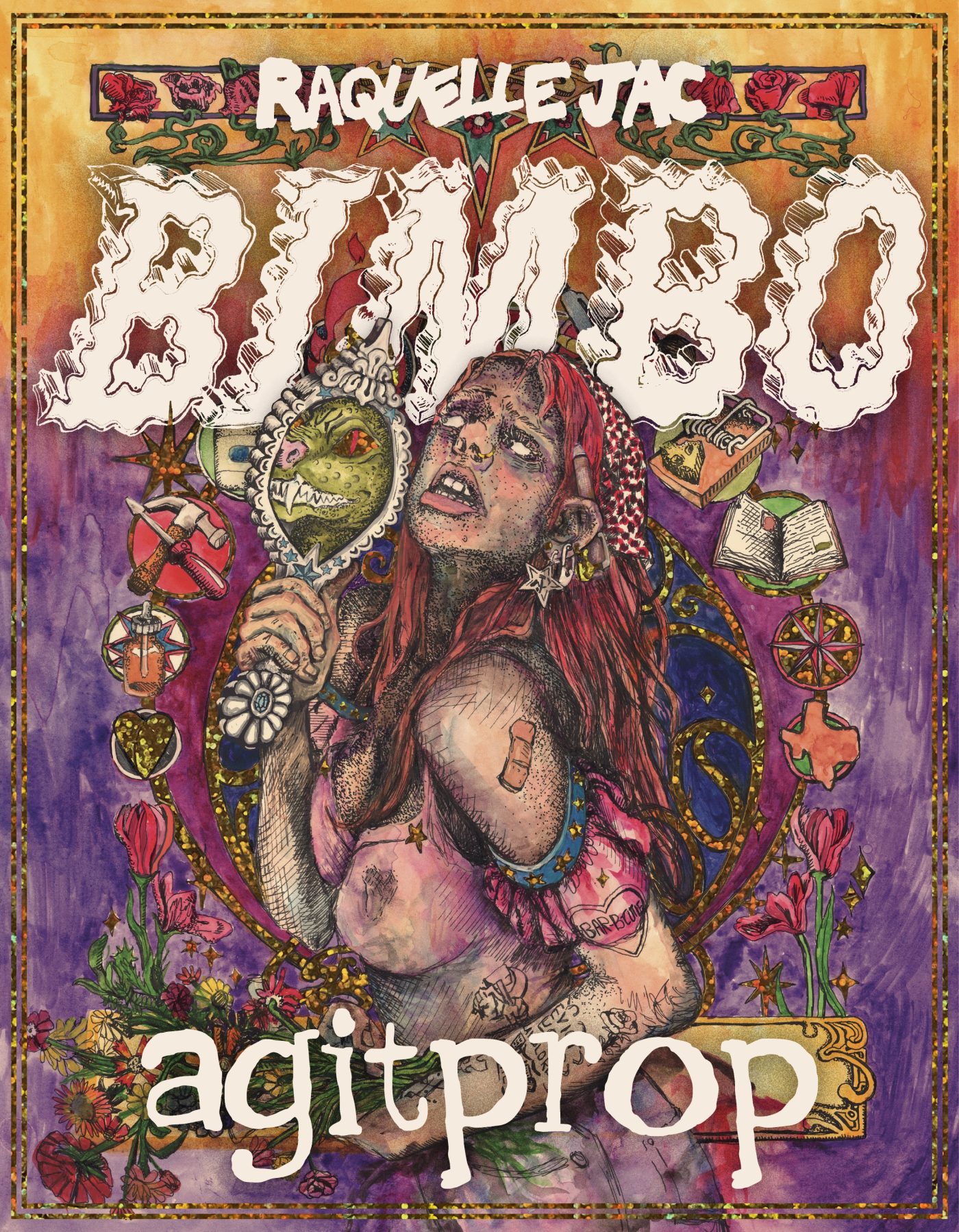
The landscape of independent comics has long served as a repository for the raw, the transgressive, and the deeply personal. From the mimeographed zines of the 1960s to the high-gloss graphic memoirs of the 2000s, the medium has been uniquely positioned to dissect the human condition with a surgical precision that prose often lacks. In August 2026, a new landmark in this tradition is set to arrive. Fantagraphics, the venerable Seattle-based publisher synonymous with the elevation of the comic arts, has announced the debut of Raquelle Jac’s Bimbo Agitprop.
A 360-page odyssey of "self-preservation and a call to arms," the book represents more than just a debut; it is a generational manifesto. Born in the late 1990s, Jac belongs to a cohort that grew up at the intersection of rural isolation and digital hyper-connectivity. Bimbo Agitprop seeks to bridge these two worlds, utilizing a dense, obsessive visual style to interrogate the "predatory systems" of the 21st century.
Main Facts: A Debut of Massive Proportions
Scheduled for release on August 4, 2026, Bimbo Agitprop arrives at a retail price of $34.99, a significant investment for a debut work that underscores Fantagraphics’ confidence in Jac’s vision. The book is not merely a collection of anecdotes but a structured interrogation of a life lived through a series of cultural and economic upheavals.
The title itself—Bimbo Agitprop—is a jarring juxtaposition of terms. "Bimbo," a historically pejorative term for a hyper-feminine woman, is reclaimed here as a site of political and social resistance. "Agitprop," a portmanteau of agitation and propaganda, suggests that Jac’s work is intended to do more than entertain; it is designed to provoke, organize, and dismantle.
The publisher describes the work as being in the direct lineage of Aline Kominsky-Crumb and Phoebe Gloeckner. These references are not made lightly. Kominsky-Crumb revolutionized the medium with her "ugly" and unfiltered depictions of female desire and neurosis, while Gloeckner’s A Child’s Life and The Diary of a Teenage Girl set the gold standard for using comics to navigate the complexities of trauma and predatory environments. Jac takes these influences and filters them through the lens of a Gen Z upbringing, creating a work that is simultaneously a throwback to the underground "comix" of the 1960s and a product of the hyper-individualist 2020s.
Chronology: From West Texas to the Digital Abyss
The narrative arc of Bimbo Agitprop is rooted in the specific geography and temporal reality of West Texas during the early 21st century. To understand the "agitprop" of Raquelle Jac, one must understand the timeline of the environment that forged her:
1. The Late 1990s and the Y2K Anxiety
Jac’s birth coincided with the twilight of the 20th century. In rural West Texas, this era was defined by a lingering "Satanic Panic"—a cultural phenomenon that saw moral panic over occult influences—and the looming technological dread of the Y2K bug. These early years established a backdrop of institutional paranoia that permeates the book’s early chapters.
2. The Recession and the Erosion of Stability
As Jac moved into her formative years, the 2008 financial crisis decimated the economic stability of many working-class families in the American South and West. This period of "immiseration," as the publisher calls it, serves as the catalyst for the book’s exploration of "predatory systems." The recession wasn’t just an economic event; it was a psychological one, leading to the "abusive parents" and "shitty men" that Jac details in her narrative.
3. The 2010s: Hyper-individualism and Over-sharing
The book transitions into the late 2010s, an era defined by the rise of social media platforms that encouraged a radical, often performative, level of over-sharing. Jac interrogates this "hyper-individualist" culture, showing how the internet became both a sanctuary and a new type of prison. It is here that the book’s "bimbo" aesthetic begins to take shape—a reaction to the sterile, curated "girlboss" feminism of the mid-2010s.
4. The 2020s: The Pendulum Swings
The final movement of the book addresses the current decade. Jac navigates the "woke/anti-woke pendulum swings," refusing to settle into the comfortable binaries of modern political discourse. Instead, she uses her art to document "psychedelic trips, good sex, bad sex, romance, and trauma," treating each experience as a data point in her larger manifesto for survival.
Supporting Data: The Aesthetic of Obsession
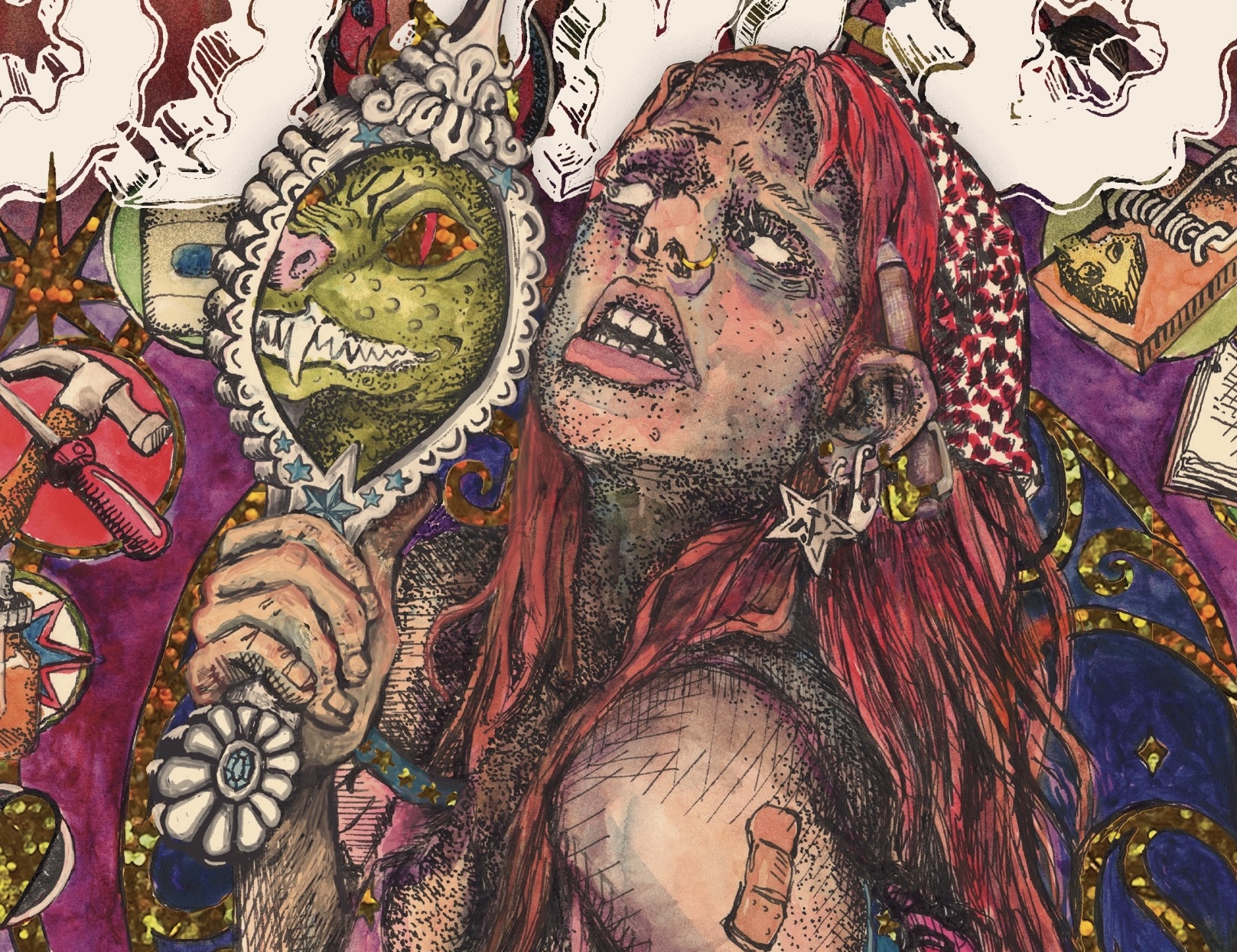
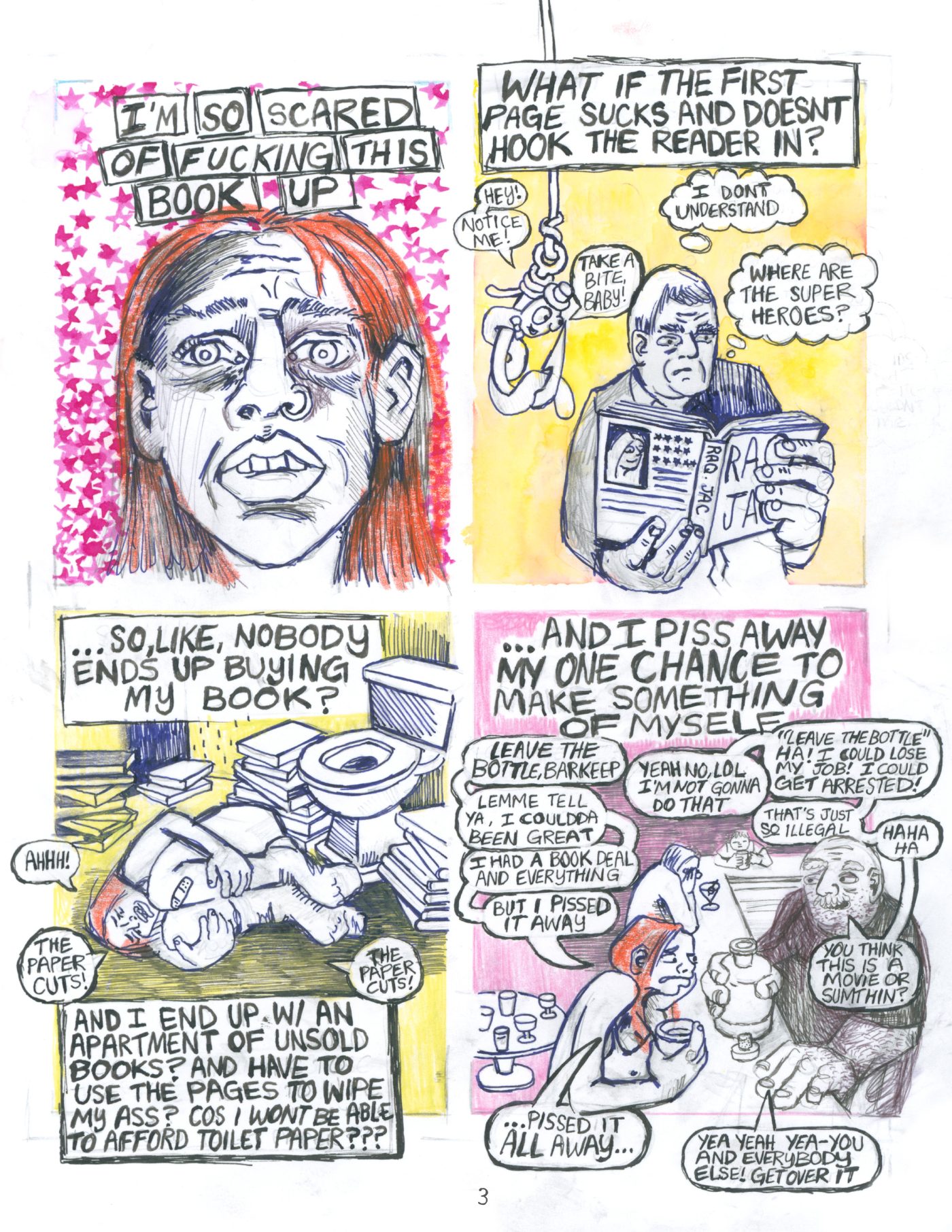
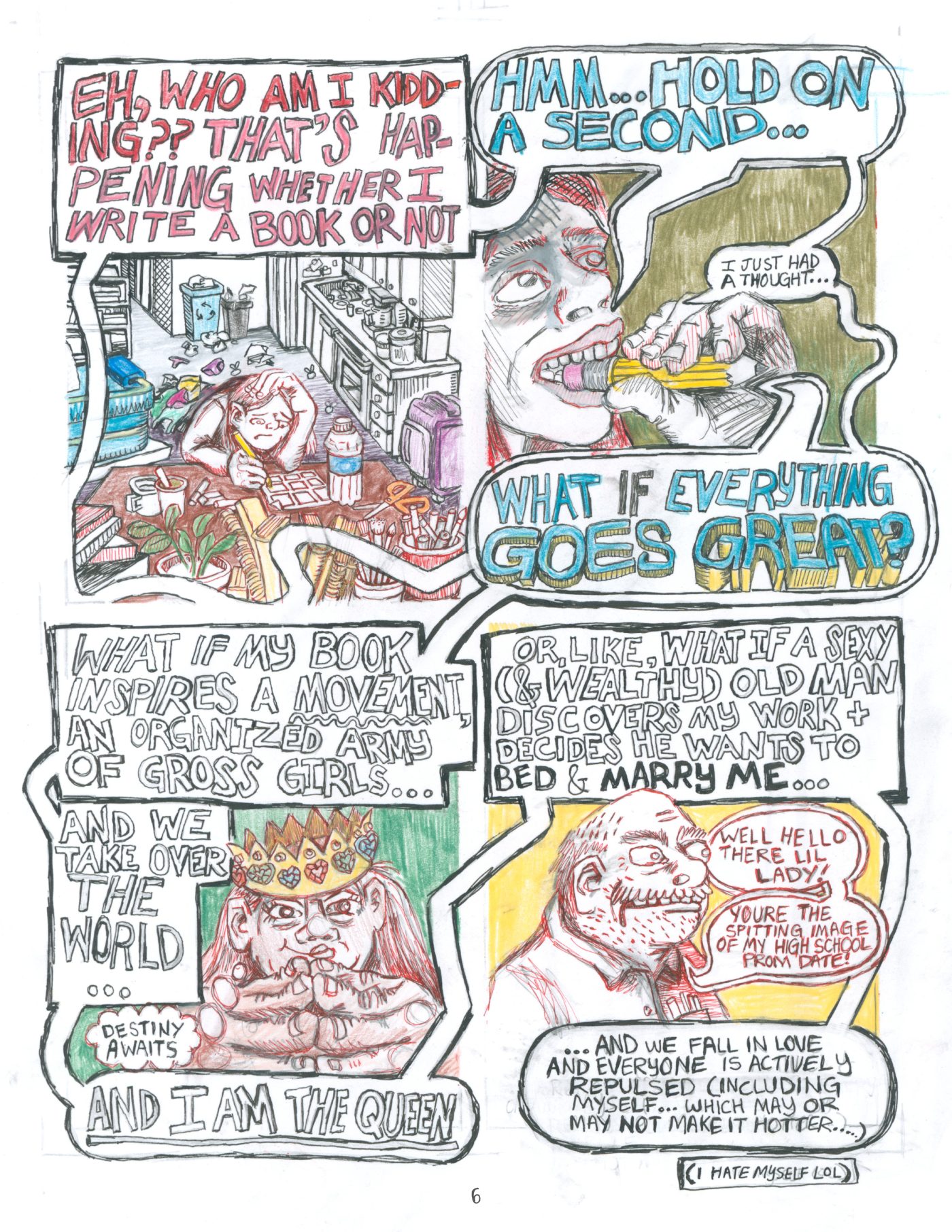
The visual language of Bimbo Agitprop is as significant as its narrative content. Jac’s pages are described as "dense" and "obsessive," a departure from the minimalist, "clean-line" style that has dominated much of the mainstream graphic novel market over the last decade.
According to preliminary previews, Jac’s work utilizes a "maximalist" approach. Every square inch of the page is often filled with hand-drawn text, intricate patterns, and raw, visceral imagery. This "handmade" quality is a deliberate rejection of digital perfection. It mirrors the "unfiltered" nature of the 1960s underground comix movement, where artists like R. Crumb and S. Clay Wilson used the medium to explore the subconscious without the interference of editorial censors.

The data of the book’s length—360 pages—is also noteworthy. For a debut graphic novel, this is an expansive page count, suggesting a depth of world-building and a commitment to "keeping her wounds fresh and open." It indicates a refusal to edit the "messiness" of life into a more palatable, commercialized format.
Official Responses: A Publisher’s Gambit
Fantagraphics has positioned Bimbo Agitprop as a cornerstone of their 2026 catalog. In their official description, the publisher emphasizes the "knife-like" quality of the art. This metaphor is central to Jac’s mission: art is not just a medium for reflection, but a tool for "organizing, agitating, and dismantling."
The publisher’s choice to link Jac with Aline Kominsky-Crumb is a strategic move. Kominsky-Crumb, who passed away in late 2022, was a pioneer of the "confessional" comic. By positioning Jac as her spiritual successor, Fantagraphics is signaling a return to the "radically anti-establishment" roots of the medium.
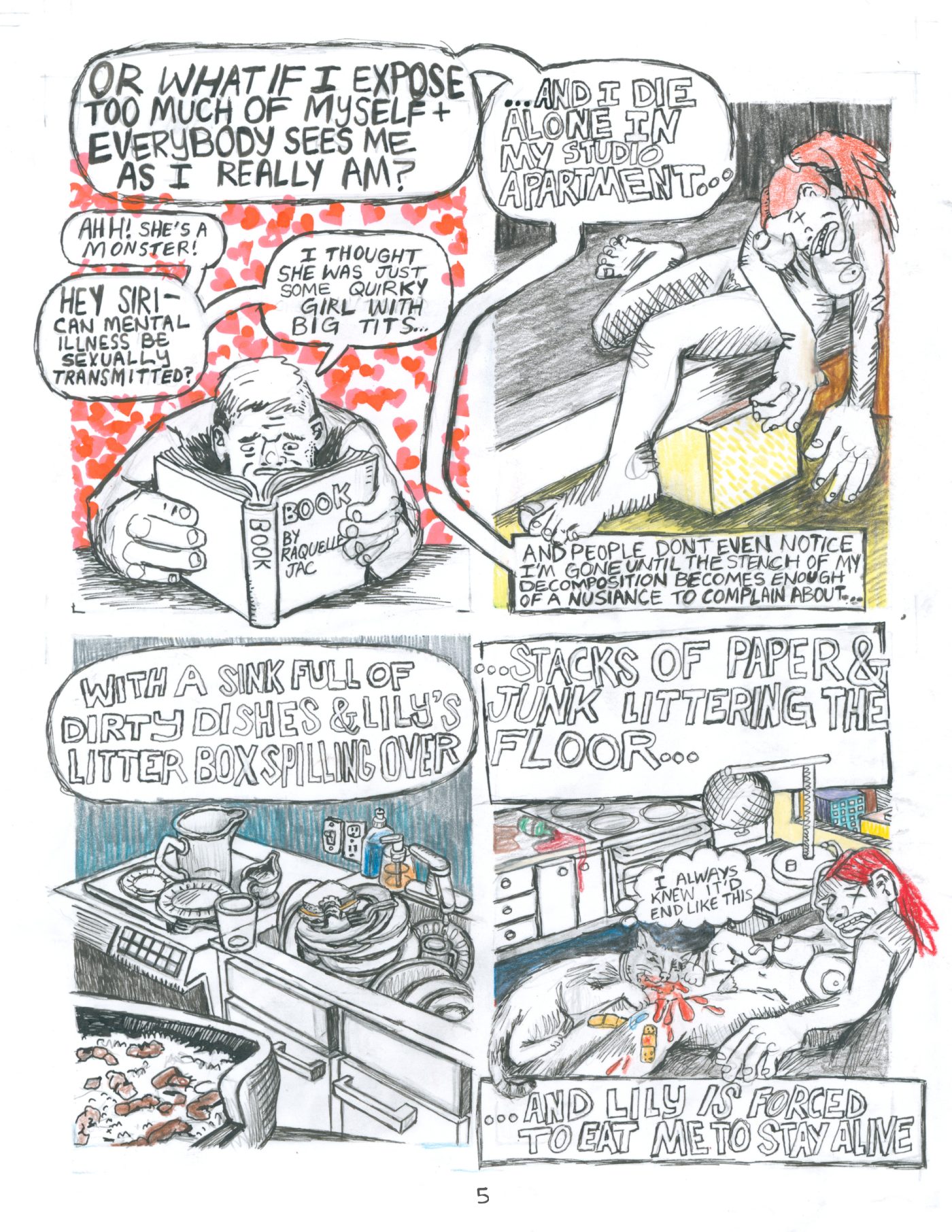
While critical reviews are pending the August release, the early buzz within the comics community suggests that Jac is being viewed as a "remarkable new voice." Her ability to "boldly embrace frivolity" while simultaneously "interrogating reality" has drawn comparisons to the "New Sincerity" movement in literature, albeit with a much more aggressive, punk-rock edge.
Implications: The Manifesto as Self-Preservation
The release of Bimbo Agitprop carries significant implications for the future of the graphic novel and the broader cultural conversation regarding Gen Z’s relationship with trauma and politics.
1. The Reclamation of "Bimboism"
Jac’s work arrives at a time when "bimboism" has been reimagined as a subversive identity. In the 2020s, many young women have adopted the "bimbo" persona as a way to opt-out of the "hustle culture" and the "intellectual posturing" of the digital age. In Jac’s hands, this isn’t just a fashion statement; it is a political stance. By embracing "frivolity" and "comedy," she creates a shield against the "predatory systems" that demand constant productivity and serious adherence to shifting social norms.
2. Art as a Survival Strategy
The book’s subtitle—"an act of self-preservation and a call to arms"—suggests that for Jac, the act of drawing is an act of staying alive. By "keeping her wounds fresh," she avoids the numbing effect of the modern media cycle. This has implications for how trauma is processed in art; Jac suggests that "protecting oneself in the future" requires a brutal, honest reckoning with the past, rather than a sanitized "healing journey."
3. The Death of the "Woke/Anti-Woke" Binary
Perhaps the most profound implication of Bimbo Agitprop is its refusal to participate in the "culture wars" on the terms dictated by mainstream media. By ping-ponging between "identity-centric politics" and "profane defiance," Jac illustrates the exhaustion many in her generation feel toward the "pendulum swings" of the 2020s. Her work suggests that the true "agitprop" of the future will be found in the personal, the idiosyncratic, and the handmade—away from the algorithms that profit from division.
As August 4 approaches, Bimbo Agitprop stands as a testament to the enduring power of the underground. Raquelle Jac has not just written a book; she has constructed a fortress of ink and paper, inviting readers to witness the "reality of growing up" in a world that often feels designed to make its inhabitants small. Through her dense, obsessive pages, she offers a new way to look at the world: through the eyes of a "bimbo" with a knife.