The Archival Heart of Vermont: Tillie Walden’s Transition to Adult Narrative with ‘Charity & Sylvia’
Main Facts: A Prodigy Reaches Maturity
In the landscape of contemporary American comics, few names carry as much weight—or as much expectation—as Tillie Walden. At just 30 years old, Walden has already achieved what most creators strive for over a lifetime: a body of work spanning fifteen books, multiple industry awards, and a stint as the Cartoonist Laureate of Vermont. However, the release of her latest work, Charity & Sylvia (Drawn & Quarterly, 2026), marks a definitive shift in her career trajectory.
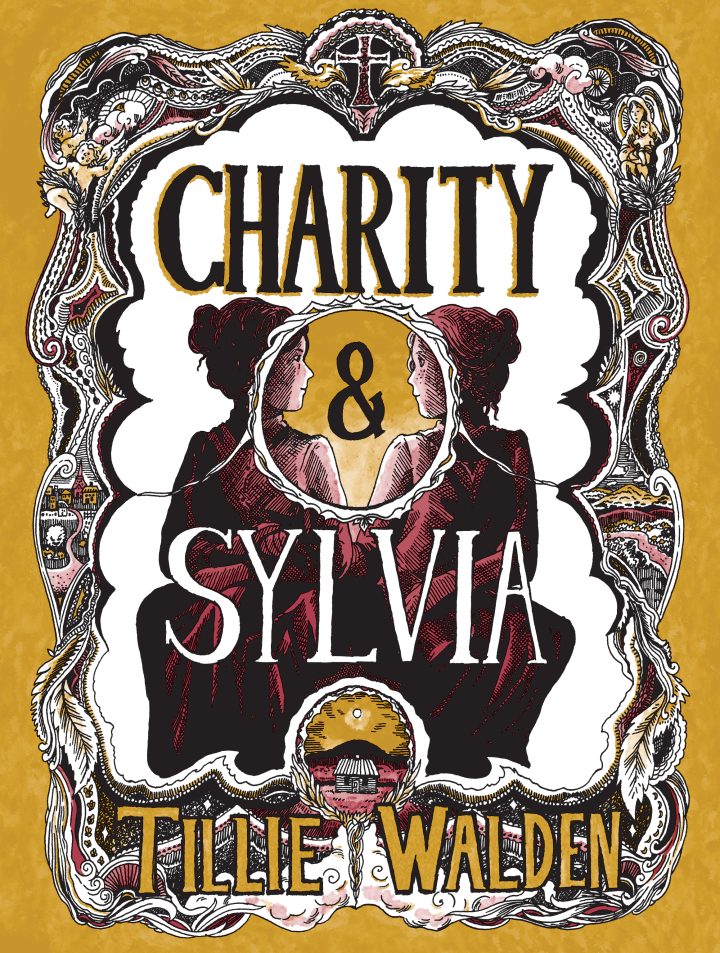
Moving away from the young adult (YA) and science-fiction themes that defined her early success—such as the Eisner-winning Spinning and the space-faring epic On a Sunbeam—Walden has delivered her first graphic novel specifically targeted at an adult audience. Charity & Sylvia is a meticulously researched historical biography detailing the lives of Charity Bryant and Sylvia Drake, a lesbian couple who lived openly and successfully in Weybridge, Vermont, during the early 19th century.
Based on primary source documents housed at the Henry Sheldon Museum of Vermont History, the book explores the period between 1807 and 1851. It is not merely a story of queer survival, but a dense, sepia-toned exploration of domesticity, community utility, and the quiet perseverance required to build a life on the American frontier. As Walden embarks on an extensive national tour, the book is already being hailed as a seminal text for both graphic biography and queer studies.
Chronology: From Breakout Talent to Historical Biographer
To understand the significance of Charity & Sylvia, one must look at the compressed, high-velocity timeline of Walden’s career alongside the historical timeline she chose to document.
The Rise of a Creator (2015–2023)
- 2015: At age 19, Walden releases The End of Summer, a debut that immediately signaled the arrival of a major talent characterized by architectural precision and emotional depth.
- 2017–2018: Walden publishes Spinning, a memoir of her years as a competitive figure skater, and On a Sunbeam. These works solidified her status as a voice for the millennial and Gen Z experience.
- 2022–2024: She takes on The Walking Dead’s Clementine Trilogy, proving her ability to handle major commercial intellectual properties while maintaining her indie sensibilities.
- 2023: Walden is named the Cartoonist Laureate of Vermont, a role that brings her into contact with Christopher Kaufman Ilstrup, director of Vermont Humanities, who first suggests the story of Charity and Sylvia.
The Historical Timeline of Charity & Sylvia (1807–1851)
- 1807: Charity Bryant, seeking independence, moves to Weybridge, Vermont, where she meets Sylvia Drake.
- 1807–1851: The pair lives together for 44 years, establishing themselves as the town’s essential tailors.
- Post-1851: Following their deaths, their extensive archive of letters and diaries is preserved by Sylvia Louisa (Sylvia’s niece) and eventually acquired by eccentric collector Henry Sheldon for his museum in Middlebury.
- 2024–2026: Walden spends nearly two years researching and drawing the graphic novel, coinciding with her own transition into motherhood and her 30th year.
Supporting Data: Archival Research and Aesthetic Precision
The depth of Charity & Sylvia is rooted in Walden’s immersion in the Henry Sheldon Museum’s archives. Unlike her previous fictional works, this project required a rigorous synthesis of 19th-century domestic reality.
The Archival Process
Walden spent approximately 18 months in the research phase. The archive revealed a couple whose lives were defined less by their "deviance" from social norms and more by their integration into the community. Key findings included:
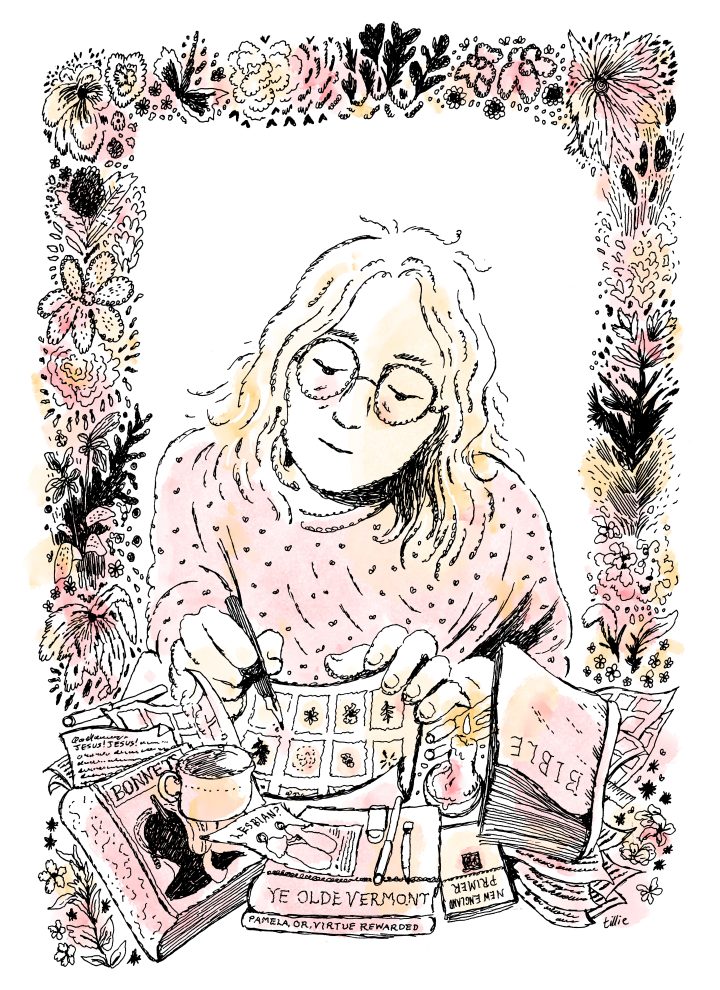
- Economic Necessity: Their acceptance in Weybridge was largely tied to their skill as tailors. In a rural setting where properly fitting clothing was a survival necessity, their professional utility shielded them from social ostracization.
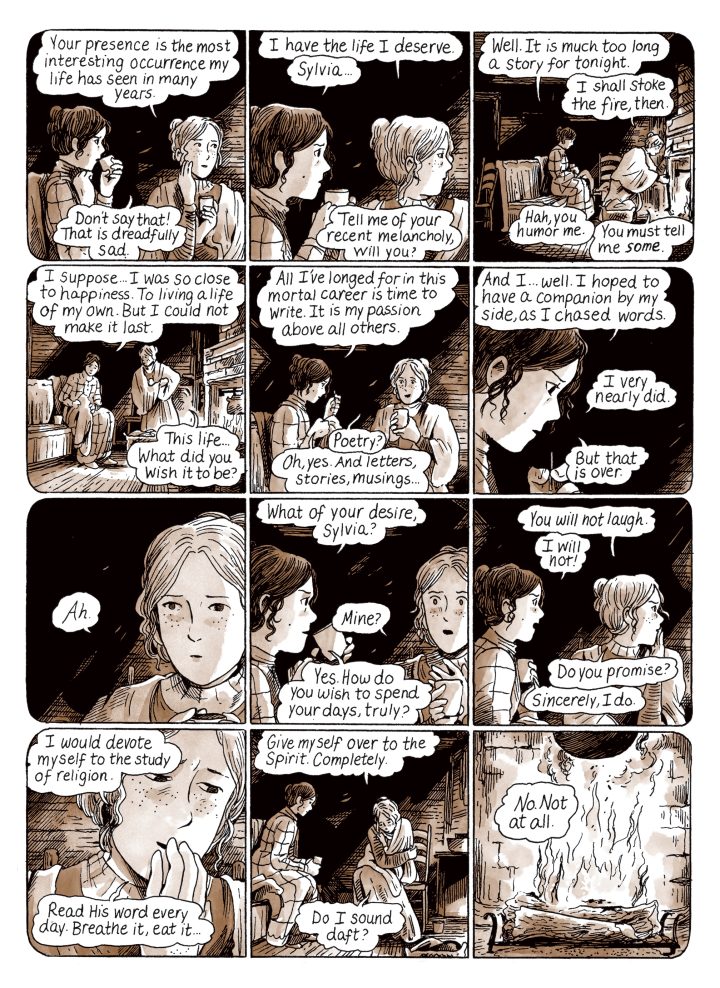
- Religious Devotion: The diaries indicate that Charity and Sylvia were devout Christians. Their internal struggles were often framed through the lens of faith and the state of their souls, rather than modern concepts of political identity.
- The Domestic Record: The archives contained meticulous notes on meals, local births, deaths, and gardening—details Walden used to ground the book in a "postcard-perfect" but gritty Vermont reality.
Technical Execution
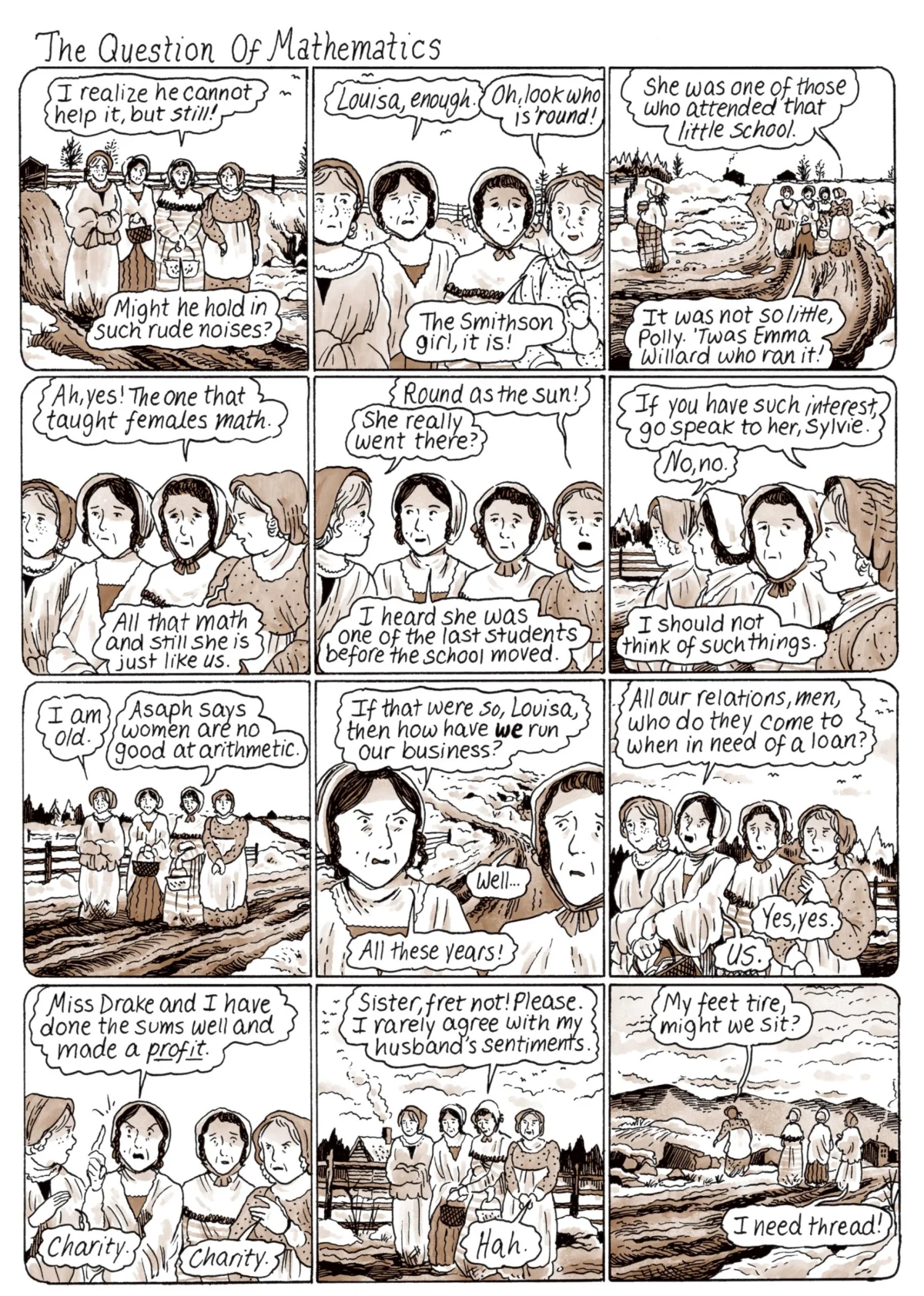
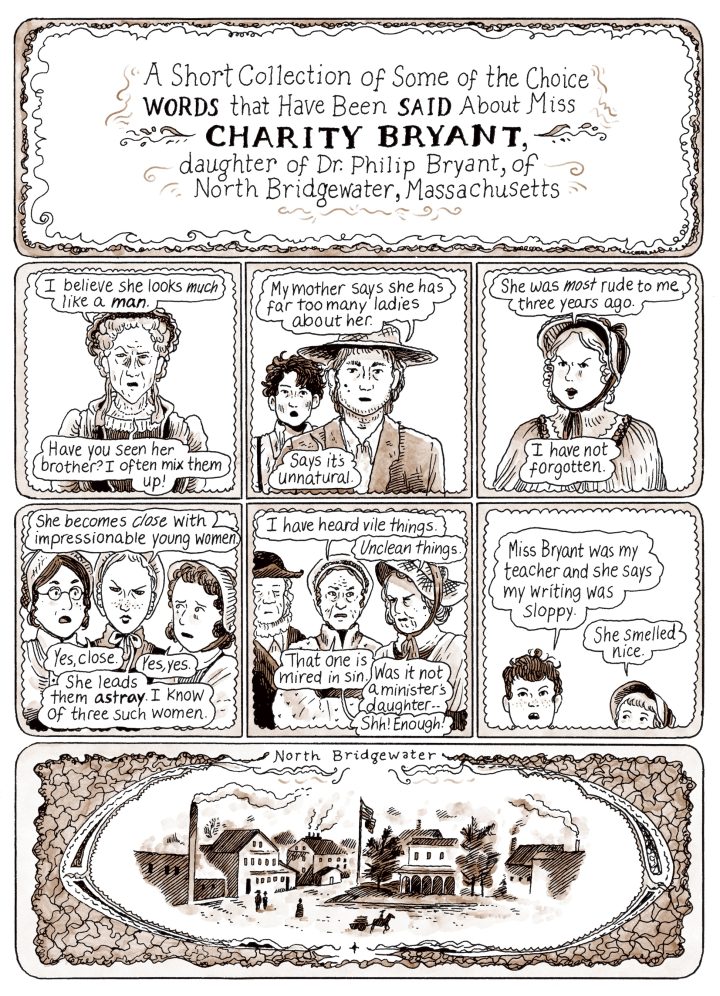
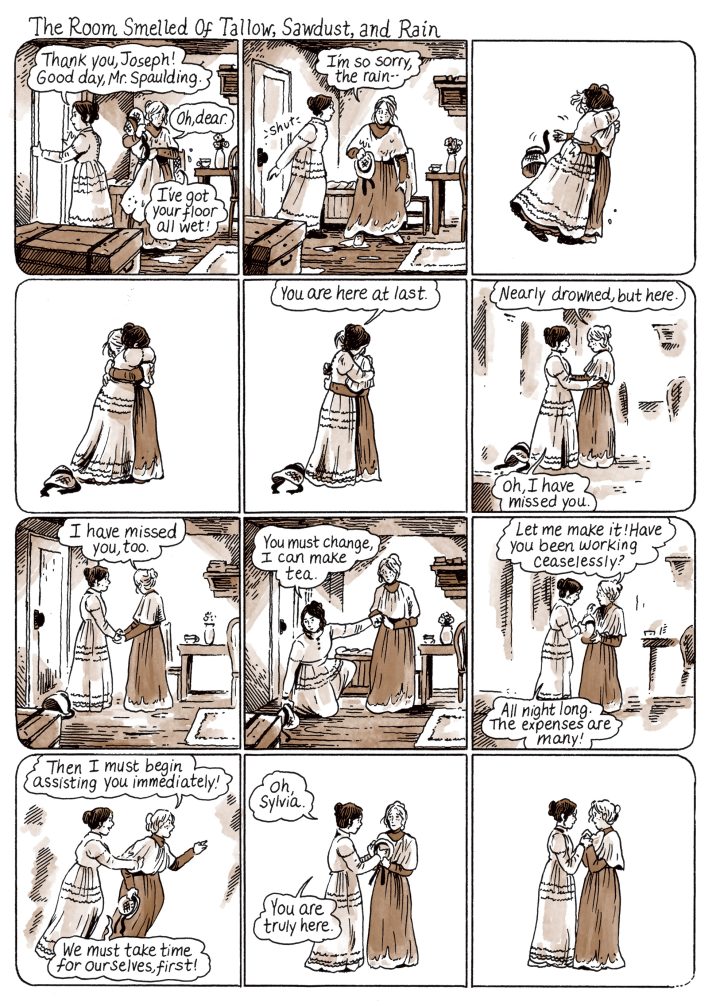
Walden’s artistic process for this 250-page volume was a feat of endurance. Rejecting a standard black-and-white palette, she opted for a rich sepia tone to evoke the historical period.
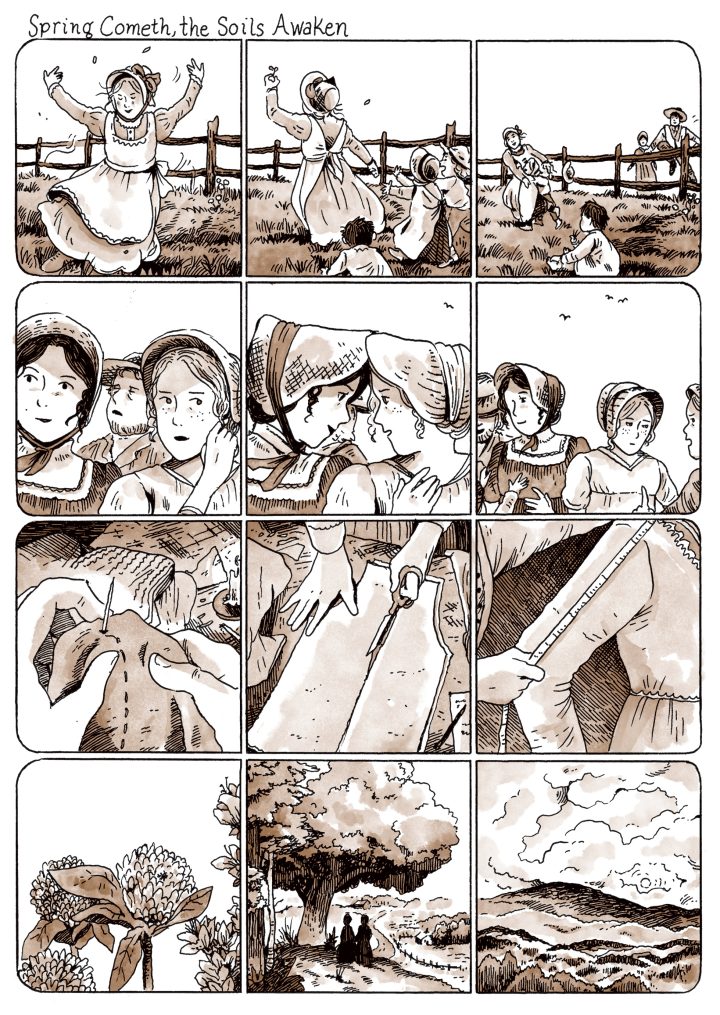
- Layout: The book utilizes a rigid 12-panel grid with rounded corners, a choice that mirrors the structured, industrious lives of the protagonists.
- Lettering: In an era of digital fonts, Walden hand-lettered the entire volume, a process that took three months alone.
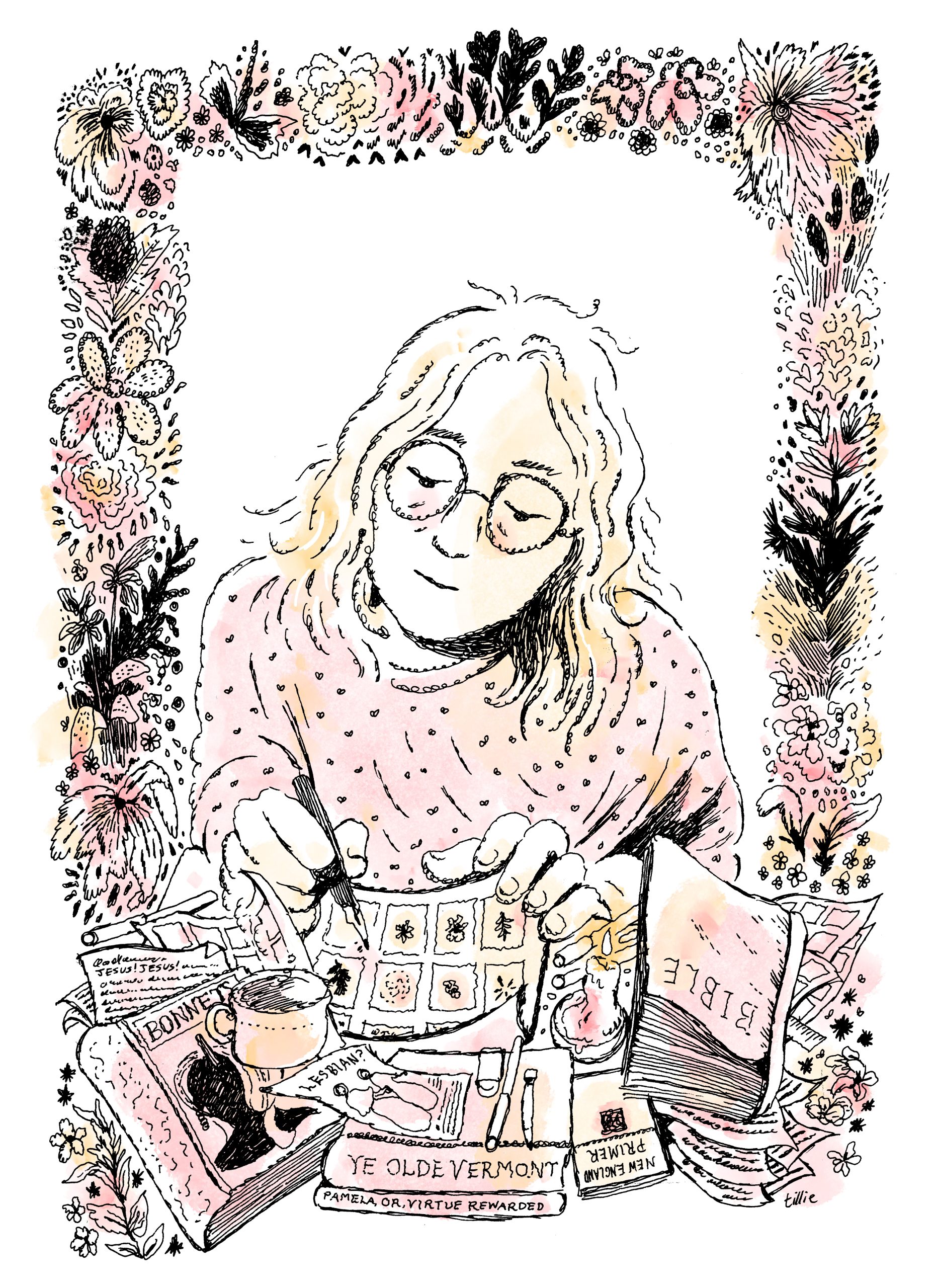
- Tools: The final art was inked by hand using a lightpad over penciled drafts, with tones added digitally via iPad.
Official Responses and Industry Context
The release of Charity & Sylvia has sparked a broader conversation about the evolution of the "prodigy" in the comics industry. Walden’s own reflections on this label are revealing. Now 30, she has expressed a desire to shed the "young artist" qualifier, noting that the prolific output of her 20s—while successful—came at a significant cost of personal loneliness and creative exhaustion.
"I look forward to being treated like an artist, not a young artist," Walden stated, reflecting on a decade where her primary relationship was with her "desk and pen."
The Accreditation Dispute
It is important to note that the book’s release has not been without controversy. In June 2026, a dispute arose regarding research accreditation for the historical data used in Charity & Sylvia. While Walden credited the Henry Sheldon Museum and Vermont Humanities as primary catalysts, external researchers have raised questions regarding the acknowledgement of prior scholarly work on the Bryant-Drake archive. The Comics Journal has indicated it will address this dispute in a forthcoming investigative feature, though the core of the work remains a landmark in the genre.
Industry Standing
Drawn & Quarterly, the publisher, has positioned the book as a flagship title for 2026. By supporting Walden’s late-stage decision to move from gray tones to full-color sepia, the publisher signaled its commitment to her vision as an adult contemporary creator. The book’s timing—released near the 250th anniversary of the United States—places it at the center of a national dialogue regarding the "hidden" histories of the American founding era.
Implications: A New Chapter for Queer History and Graphic Literature
The implications of Charity & Sylvia extend far beyond the borders of Vermont. The work represents a maturing of the graphic novel as a tool for serious historical recovery.
Reclaiming the Queer Narrative
Walden’s portrayal of Bryant and Drake challenges the modern "struggle narrative" often applied to historical queer figures. By highlighting their status as respected, conservative, church-going members of their community, Walden suggests that the "safe haven" of Vermont was built on a foundation of mutual contribution rather than just ideological tolerance. This nuance provides a more complex template for queer studies, moving beyond the binary of persecution versus liberation.
The Evolution of the Author
For Walden, Charity & Sylvia serves as a bridge between her past as a wunderkind and her future as an established master of the medium. The book reflects her current life in rural Vermont—shared with her wife, cartoonist Emma Hunsinger, and their son—mirroring the domestic stability she found in the Bryant-Drake archives.
As she moves into her 30s, Walden’s shift toward adult-oriented, research-heavy narratives suggests a new phase of the "Walden Era." If her first decade was defined by the raw emotional energy of youth and speculative fiction, her second decade appears to be rooted in the "power of perseverance" and the reclamation of the past.
Conclusion
Charity & Sylvia is more than a biography; it is a testament to the endurance of identity through the ages. By documenting two women who "found a way to get out of bed in the morning" despite the physical and social hardships of the 1800s, Walden has created a mirror for contemporary creators and readers alike. As the medium of comics continues to gain academic and literary respect, Walden’s 15th book stands as a rigorous, beautiful example of how the past can be re-inked to inform the present.