Zen in Spatial Computing: The Rise of ‘Color-A-Cube’ and the Evolution of Cozy Mixed Reality
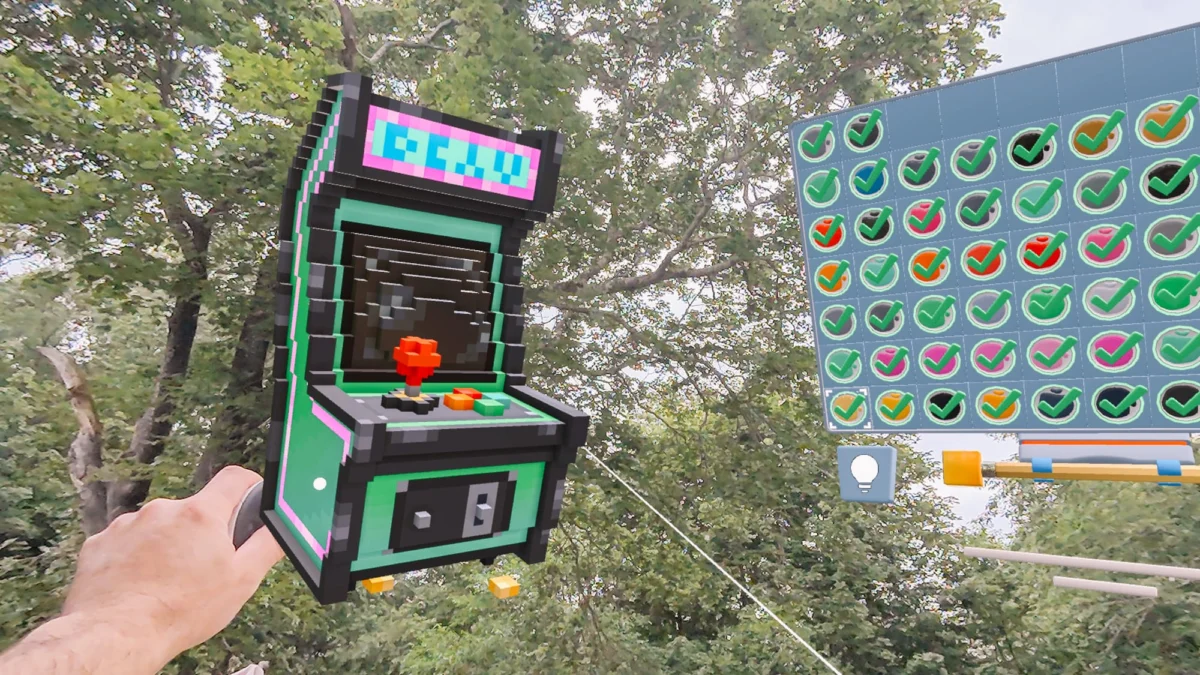
The landscape of virtual and mixed reality (VR/MR) has long been dominated by high-octane shooters, rhythm-based fitness challenges, and complex social simulations. However, a significant shift is occurring within the industry—a move toward "slow gaming" and meditative experiences that prioritize psychological well-being over adrenaline. Leading this charge is Color-A-Cube, a voxel-based color-by-number experience developed and published by AlterEyes. Recently graduating from Early Access to its definitive Version 1.0 release, Color-A-Cube represents a maturing segment of the spatial computing market: the "cozy" genre.
Main Facts: A New Paradigm for Casual XR
At its core, Color-A-Cube is a deceptively simple application that leverages the strengths of modern XR hardware—specifically the Meta Quest and PICO platforms—to transform the traditional hobby of color-by-number books into a three-dimensional, immersive activity. Released in its full version on June 18, 2026, the title has quickly become a benchmark for how developers can utilize Mixed Reality (MR) to integrate digital content into the user’s physical environment without overwhelming the senses.
Key Specifications and Availability
- Color-A-Cube
- Developer/Publisher: AlterEyes
- Release Date (Version 1.0): June 18, 2026
- Platforms: Meta Quest (including Quest 3 and 3S), PICO 4, and PICO Neo series.
- Pricing Model: $7.99 USD for the base game, featuring a free trial.
- Content Volume: Over 100 base models with weekly free updates and monthly paid DLC.
- Monetization: Individual DLC packs and an all-access "Color Pass."
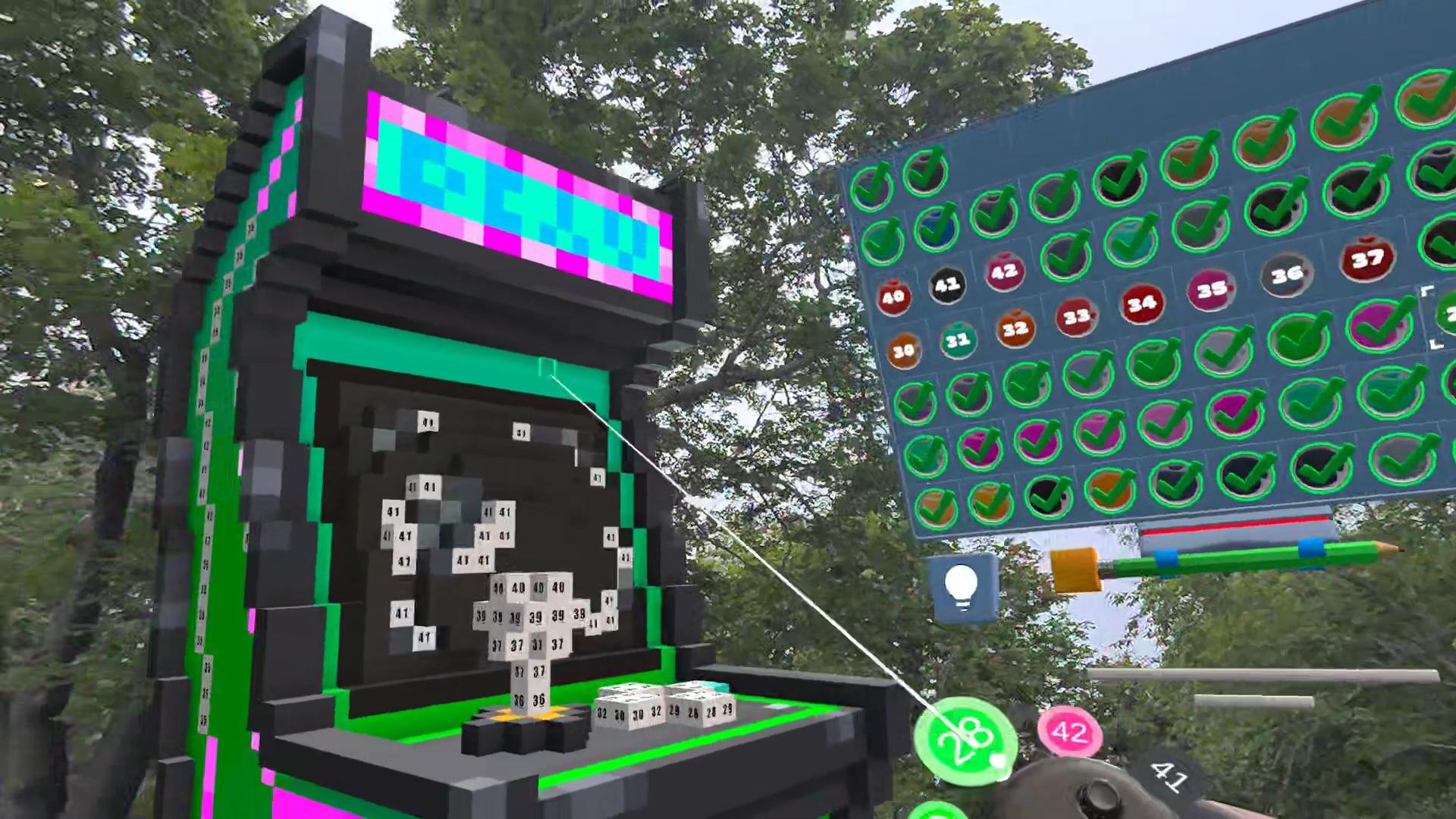
The game’s primary hook is its "voxel" aesthetic—a 3D art style composed of tiny, uniform cubes. Unlike traditional 3D modeling, which can be visually complex, voxels provide a clean, nostalgic, and highly structured canvas. By assigning each cube a numerical value corresponding to a specific color palette, AlterEyes has created a workflow that is both intuitive for beginners and deeply satisfying for hobbyists.
Chronology: From Early Access to Version 1.0
The journey of Color-A-Cube began in the experimental corridors of VR "App Labs" and Early Access programs. During its initial development phase, AlterEyes focused on refining the "feel" of digital painting. Early iterations focused primarily on Virtual Reality (VR), where players were transported to static, stylized environments.
However, as hardware shifted toward high-fidelity passthrough—the ability to see the real world through the headset’s cameras—the development focus pivoted. The team recognized that the "cozy" nature of the game was amplified when players could remain present in their actual surroundings.
The Development Timeline:
- Early Development (2024-2025): Focus on voxel engine optimization and tactile feedback.
- Early Access Launch: Introduction of the core 100 models and basic hand-tracking support.
- The MR Pivot (Late 2025): Implementation of advanced Mixed Reality features, allowing models to be "anchored" to real-world surfaces like coffee tables and desks.
- Version 1.0 Launch (June 18, 2026): The official release, introducing the "Color Pass" system, a refined UI, and a suite of new reactive sound effects that define the current player experience.
Supporting Data: Mechanics and Content Strategy
The success of Color-A-Cube is not merely due to its aesthetic but its mechanical execution. In a market where many MR titles struggle with clunky interfaces, Color-A-Cube employs a "dual-hand" control scheme that has been praised by critics for its ergonomic efficiency.
Intuitive Interaction Design
The game utilizes a specialized control logic designed to minimize fatigue:
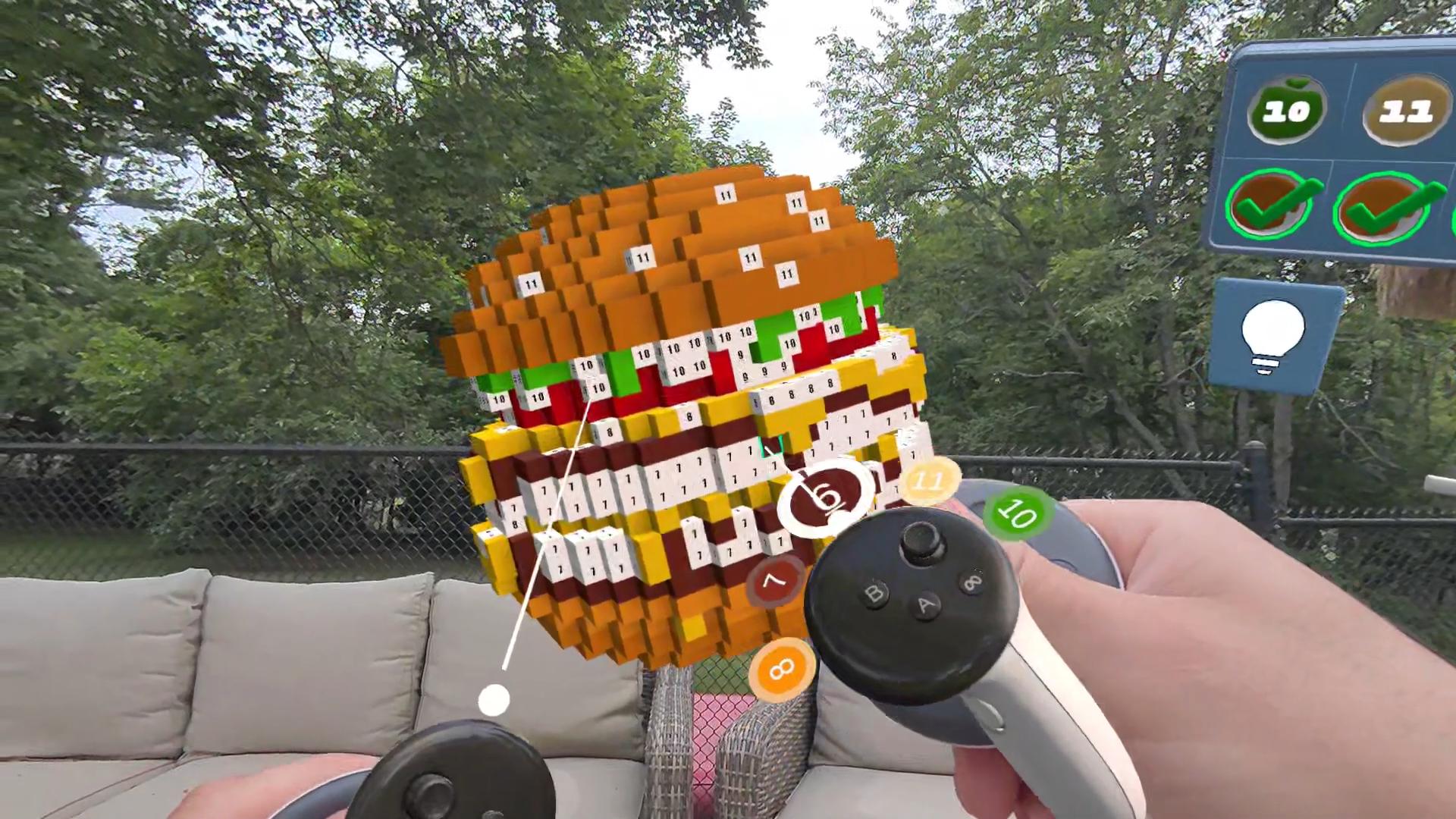
- The Dominant Hand: Acts as the paintbrush. Players simply touch a cube to apply the selected color.
- The Non-Dominant Hand: Acts as the "manipulator." Using the thumbstick or direct "grab" gestures, players can rotate the model on X and Y axes.
- Bimanual Scaling: By grabbing the model with both hands and pulling them apart or pushing them together, players can instantly resize the object. This is crucial for navigating the "nooks and crannies" of complex models without requiring the player to physically move around their room.
Content Diversity and the "Color Pass"
To ensure longevity, AlterEyes has implemented a robust content pipeline. The base game provides a diverse library of subjects, ranging from mundane food items (like a voxel burger) to complex architectural structures and biological specimens.
Categorization of Voxel Models:
- Nature & Biology: Animals, foliage, fossils, and "alien eggs."
- Technology & Transport: Classic cars, spaceships, and gadgets.
- Fantasy & Character: Pirates, monsters, and "weird characters."
- Daily Life: Food, toys, and cultural artifacts.
The "Color Pass" serves as a subscription-alternative, offering a one-time or tiered purchase that unlocks all current and future DLC packs. This data-driven approach to content—dropping new free models weekly—is designed to maintain a high "Daily Active User" (DAU) count, a metric that is increasingly vital for the visibility of apps on the Meta and PICO stores.
Official Responses: The Philosophy of "Low-Stakes Gaming"
While AlterEyes has remained focused on the technical polish of the 1.0 release, statements from the development team emphasize a "wellness-first" philosophy. In various developer logs and community updates leading up to the June 18 release, the studio has consistently positioned Color-A-Cube not as a challenge to be conquered, but as a tool for emotional regulation.
"We wanted to build something that respects the player’s time and mental state," the studio noted in a recent press briefing. "There are no high scores, no ticking clocks, and no ‘game over’ screens. The satisfaction comes from the process—the haptic click of a cube being filled and the visual progression of a grey block turning into a vibrant piece of art."
Industry analysts have noted that this "official stance" aligns with broader trends in the tech industry. As "Digital Wellbeing" features become standard in operating systems, games that actively lower a player’s heart rate—as Color-A-Cube claims to do—are finding a dedicated audience among older demographics and professionals seeking "micro-breaks" during the workday.
Implications: The Future of Mixed Reality as a Domestic Staple
The release and reception of Color-A-Cube carry significant implications for the future of spatial computing. It serves as a case study for several emerging trends:
1. The Normalization of Mixed Reality
Color-A-Cube succeeds because it makes MR feel "natural." By allowing a brightly colored voxel sculpture to float above a user’s actual furniture, the game bridges the gap between the digital and the physical. This "unobtrusive" use of technology is likely the blueprint for future productivity and lifestyle apps.
2. The "Cozy" Economy
The "cozy game" movement, popularized by titles like Animal Crossing and Unpacking, is finding its most potent expression in XR. In a headset, the sense of "presence" amplifies the soothing nature of these games. Color-A-Cube proves that there is a viable commercial market for low-intensity, high-polish experiences that cost less than ten dollars.
3. Accessibility in Gaming
Because the game relies on simple gestures and lacks time-sensitive demands, it is inherently more accessible to players with physical or cognitive limitations. The inclusion of a "hint button" that highlights remaining cubes ensures that the experience never becomes a source of frustration, reinforcing the "zen" objective.
4. Hardware as a Creative Tool
The game’s success on the Meta Quest 3S—a more affordable entry point into the Quest ecosystem—suggests that casual creative apps will be the primary driver for mass-market VR adoption. While "hardcore" gamers may chase the latest AAA graphics, the general public is more likely to be drawn to activities that mirror their real-world hobbies, such as coloring, crafting, and building.
Conclusion
Color-A-Cube is not a revolutionary leap in terms of raw technology, but it is a masterclass in purposeful design. By taking a simple, centuries-old concept—coloring by numbers—and translating it into the three-dimensional language of voxels and mixed reality, AlterEyes has created an experience that is both timeless and futuristic.
As Version 1.0 continues to roll out across global markets, it stands as a reminder that in the increasingly crowded and noisy world of digital entertainment, sometimes the most valuable thing a developer can offer is a moment of peace. For $7.99, Color-A-Cube offers more than just a digital coloring book; it offers a portable, holographic sanctuary that fits right on your coffee table.