Into the Depths: Community Modders Bring Full VR Motion Controls to Subnautica 2
The vast, terrifying, and breathtakingly beautiful oceans of Planet 4546B have always been a natural fit for virtual reality. When Subnautica 2 launched into Early Access in May 2024, the VR community didn’t wait for an official invitation from developer Unknown Worlds Entertainment. Within 24 hours, players were already submerged in the depths of the new "Proteus" world using universal injectors. However, those early experiences were often limited to "head-tracked" gameplay using traditional gamepads.
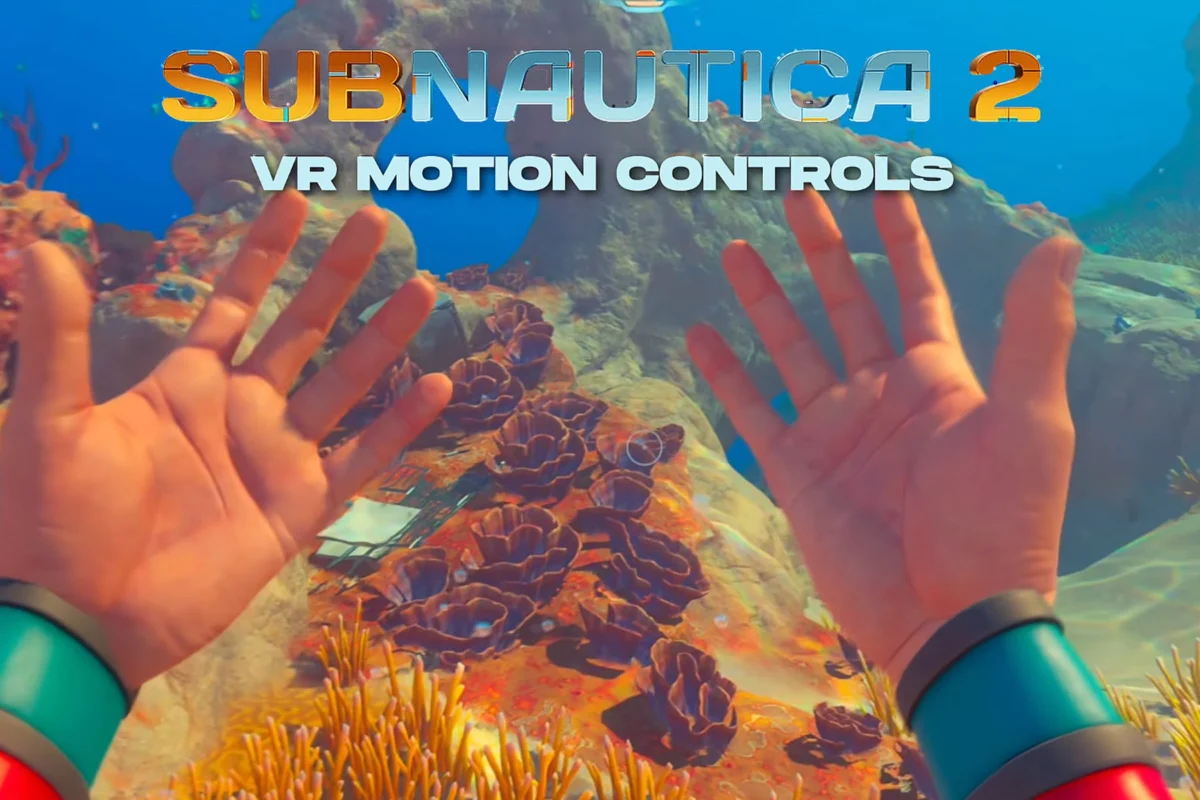
Today, the landscape of the Subnautica 2 experience has shifted dramatically. Thanks to the tireless efforts of independent modders, the dream of a fully immersive, motion-controlled underwater survival experience is becoming a reality. The latest breakthroughs in VR modding have introduced 6-Degree-of-Freedom (6DOF) motion controls, allowing players to reach out and interact with the alien world using their own hands.
Main Facts: The New Frontier of Underwater Immersion
The current state of Subnautica 2 in VR is defined by two major technical milestones achieved by the modding community. While the game does not officially support VR at this stage of its Early Access journey, these community-driven tools have bridged the gap between a standard "flat" PC game and a high-end VR title.
The Breakthrough in Stereo Rendering
The first major hurdle for any VR conversion is stereo rendering—the process of creating two slightly different images for each eye to simulate depth. Early attempts using PrayDog’s UEVR (Universal Unreal Engine VR) injector provided a functional but often flawed visual experience. VR modder Joey Hodge has since refined this process, significantly improving the stereo rendering quality. This update reduces visual artifacts and "ghosting," which are common when forcing Unreal Engine 5 titles into a VR environment.
6DOF and Inverse Kinematics
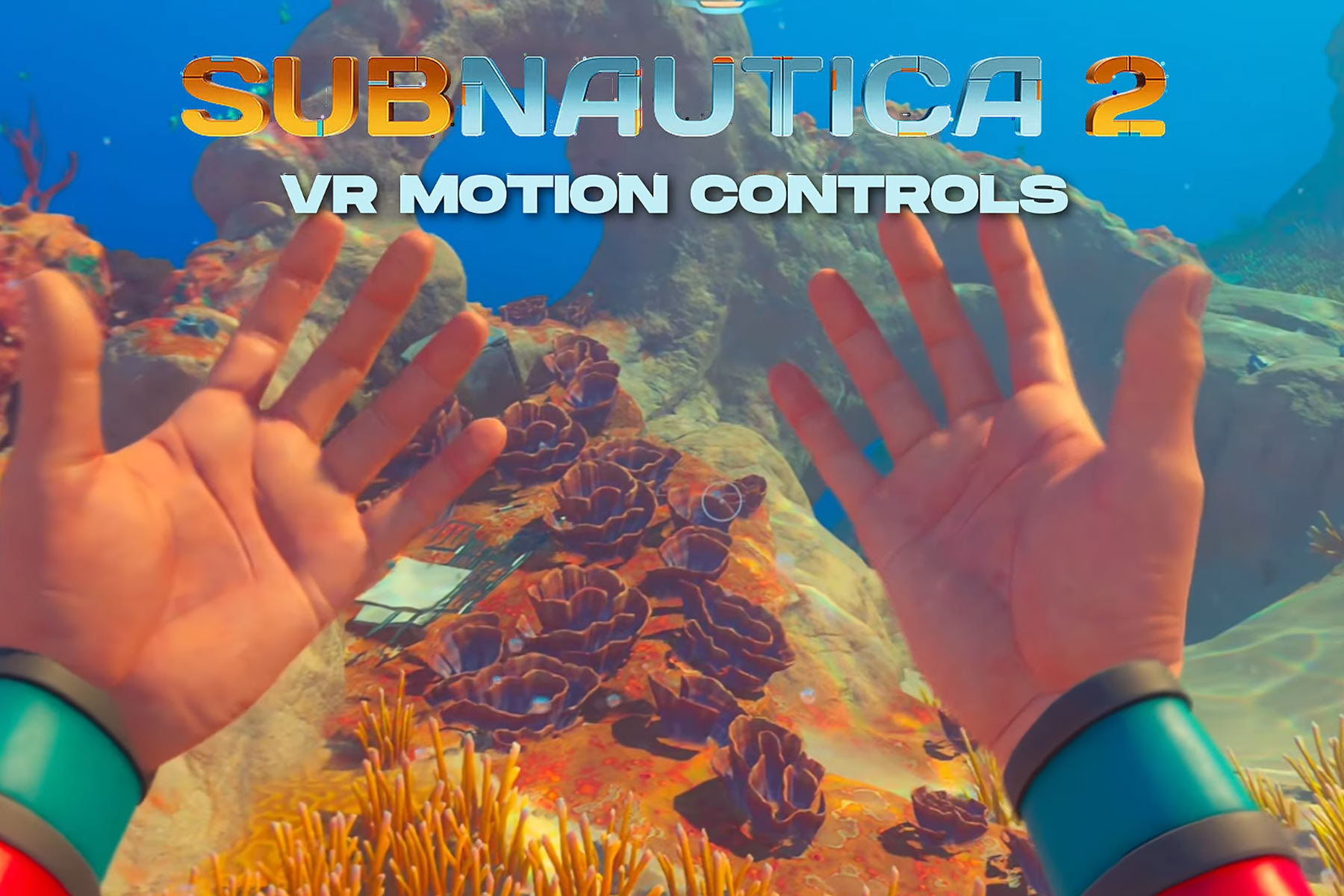
The second, and perhaps more significant, update comes from the modder known as "jbusfield." Their 6DOF motion control mod is the "missing link" for many VR enthusiasts. Unlike previous iterations that required a mouse and keyboard or a console controller, this mod allows for:
- Articulated and Animated Hands: Players can see their hands moving in real-time, synced with their VR controllers.
- Full Two-Bone Inverse Kinematics (IK): The mod simulates entire arms, ensuring that when you reach for a resource, your virtual elbows and shoulders move realistically.
- Configurable Body Presence: Users can choose to see a full character body, optional forearms, or just floating hands to suit their comfort levels.
- Dynamic UI: The mod offers the option to attach the game’s user interface (UI) to head movement or keep it static, solving one of the most frustrating aspects of early VR mods where menus would often disappear or become unreadable.
Chronology: From Launch to Full Immersion
The journey to functional VR in Subnautica 2 has been remarkably swift, reflecting the high demand for immersive survival games.
May 2024: The Early Access Launch
Subnautica 2 released on Steam and Epic Games Store in Early Access. Within hours, the VR community began testing the game with PrayDog’s UEVR injector. Because Subnautica 2 is built on Unreal Engine 5, it was immediately "compatible" in a basic sense, but lacked the polish of a native VR title. Players experienced significant performance issues and were forced to use gamepads.
June 2024: The First Refinements
As players explored the initial biomes of Proteus, modders began identifying specific engine hooks to improve the experience. Joey Hodge’s work on stereo rendering became the standard for those seeking a clearer view of the bioluminescent flora and fauna.
Late 2024 – Early 2025: The Motion Control Revolution
The introduction of jbusfield’s motion control mod transformed the game. This period saw the transition from "VR-supported" to "VR-enhanced." The ability to use VR controllers to aim the scanner tool or navigate the Seaglide fundamentally changed the gameplay loop, making the survival mechanics feel more tactile and immediate.
Supporting Data: Performance and Hardware Demands
While the modding community has achieved a technical marvel, the hardware requirements for Subnautica 2 in VR remain incredibly steep. Unreal Engine 5 is a notoriously "heavy" engine, utilizing advanced features like Lumen (global illumination) and Nanite (virtualized geometry) that are difficult to render twice at high frame rates.
The "4090 Barrier"
Reports from prominent VR community members, including the YouTube creator LunchAndVR, suggest that even the most powerful consumer hardware struggles to maintain high performance. Testing on a rig featuring an NVIDIA RTX 4090, an Intel i9-13900K, and 64GB of RAM, benchmarks showed that "Ultra" settings are currently unplayable in VR.
To achieve a stable frame rate, experts recommend the following optimizations:
- Settings: Keep most graphical options between Low and Medium.
- Disabled Features: It is highly recommended to toggle off Vertical Sync, Motion Blur, Underwater Blur, and Frame Generation.
- Resolution Scaling: Players may need to utilize DLSS or FSR to upscale the image, as native 4K-per-eye rendering is currently out of reach for even top-tier GPUs.
Technical Risks
As an Early Access title, Subnautica 2 receives frequent updates. Each patch from Unknown Worlds has the potential to break the hooks used by UEVR and the motion control mods. This creates a "cat-and-mouse" game where modders must constantly update their files to keep the VR experience functional.
Official Responses: The Developer’s Stance
Unknown Worlds Entertainment has a complicated history with virtual reality. The original Subnautica featured native VR support, which, while atmospheric, was criticized for its lack of motion controls and buggy UI. The sequel, Subnautica: Below Zero, notably dropped native VR support entirely, leaving it to the modding community to fill the void.

Regarding Subnautica 2, the developers have been cautious. While they have acknowledged the passion of the VR community, there has been no official commitment to native VR support. The primary focus of the development team remains on the core gameplay loop, co-op functionality (a major new feature for the sequel), and narrative progression within the Early Access roadmap.
However, the ease with which Unreal Engine 5 titles can be adapted for VR—thanks to tools like UEVR—suggests that the developers may be more open to "officializing" community efforts or providing a basic VR toggle later in the development cycle. For now, the official stance remains: VR is not an officially supported feature, and players use mods at their own risk.
Implications: The Future of "Flat2VR"
The success of the Subnautica 2 VR mod is a testament to the growing "Flat2VR" movement. This community of modders and enthusiasts is proving that AAA and high-fidelity indie games can have a second life in virtual reality without requiring massive budgets from the original developers.
Pressure on Developers
When a community can implement 6DOF motion controls and IK arms in a matter of months, it puts a spotlight on the feasibility of VR ports. For games like Subnautica 2, where the environment is the primary draw, VR is more than just a gimmick; it is the ultimate way to experience the scale of the world. The popularity of these mods may eventually pressure Unknown Worlds to provide "official" support, if only to ensure stability for their VR-playing customers.
The "Thalassophobia" Factor
Subnautica has always been famous for its ability to trigger thalassophobia (the fear of deep, vast bodies of water). In VR, this effect is magnified tenfold. The ability to look over one’s shoulder and see a Leviathan-class predator emerging from the gloom—now with the added immersion of seeing one’s own hands trembling on the controls—creates a horror-survival experience that is unparalleled in the industry.
Technical Evolution
The work done by Joey Hodge and jbusfield also contributes to the broader knowledge base of Unreal Engine 5 VR modding. As more games move to UE5, the scripts and techniques developed for Subnautica 2 can be adapted for other titles, potentially ushering in a new era where every major PC release has a high-quality, community-made VR component.
Conclusion
Subnautica 2 in VR remains a work in progress, much like the game itself. It is a high-risk, high-reward endeavor that requires a powerful PC and a willingness to tinker with game files. However, for those who have experienced the silence of the deep and the bioluminescent glow of the Proteus oceans through a VR headset, there is no going back. As the mods continue to evolve and hardware eventually catches up to the demands of Unreal Engine 5, the community-led effort to bring motion controls to the deep sea may stand as one of the most significant achievements in the modern VR modding scene.