Valve’s Hardware Renaissance: Massive Shipments Signal Imminent Launch of Steam Frame VR and New Steam Machine
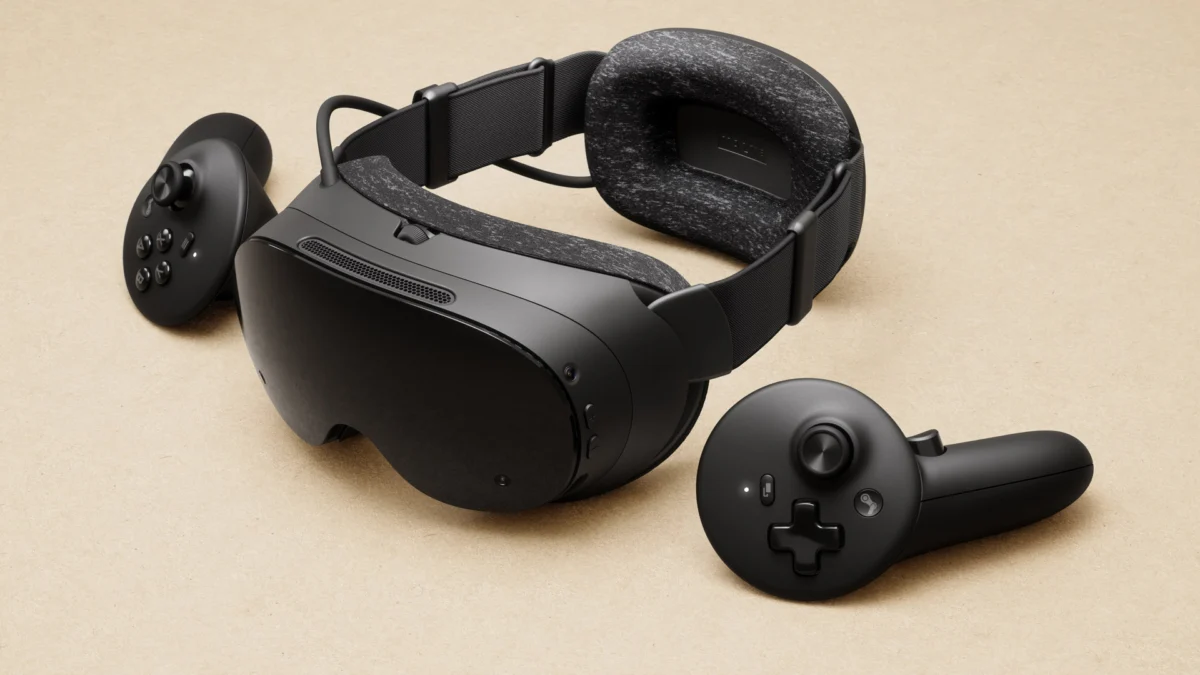
The global gaming community is currently bracing for a seismic shift in the hardware landscape as Valve Corporation appears to be on the verge of a dual-product launch that could redefine both virtual reality and living room gaming. Recent logistical data and public import records suggest that the long-rumored "Steam Frame" standalone VR headset and a revitalized "Steam Machine" console are no longer mere speculative projects but are physically arriving at U.S. distribution centers in massive quantities.
This development marks a pivotal moment for the Bellevue-based company. After the runaway success of the Steam Deck, Valve is leveraging its hardware expertise to tackle the two frontiers where it previously saw mixed results: the high-end VR market and the Linux-based home console space.
Main Facts: The Evidence of an Imminent Launch
The catalyst for the current wave of excitement stems from public shipping manifests tracked by prominent XR analyst Brad Lynch and the data aggregation platform ImportYeti. According to these records, Valve has recently processed massive shipments through its U.S.-based warehouses, totaling approximately 72,000 kilograms (roughly 79 US tons) of hardware in a two-week span.
The Shipping Manifests
The records detail two distinct categories of hardware:
- Virtual Reality Devices: Approximately 32,000 kg (~35 tons) of cargo explicitly labeled as VR equipment. Analysts believe this is the final retail inventory for the Steam Frame, Valve’s first foray into standalone, wireless VR.
- Game Consoles: Just one week prior to the VR shipment, records showed the arrival of 40,000 kg (~44 tons) of "game consoles." Given Valve’s current trajectory, these are almost certainly the new Steam Machines, a Linux-based PC designed to bring the SteamOS experience to the 4K television.
The Product Profiles
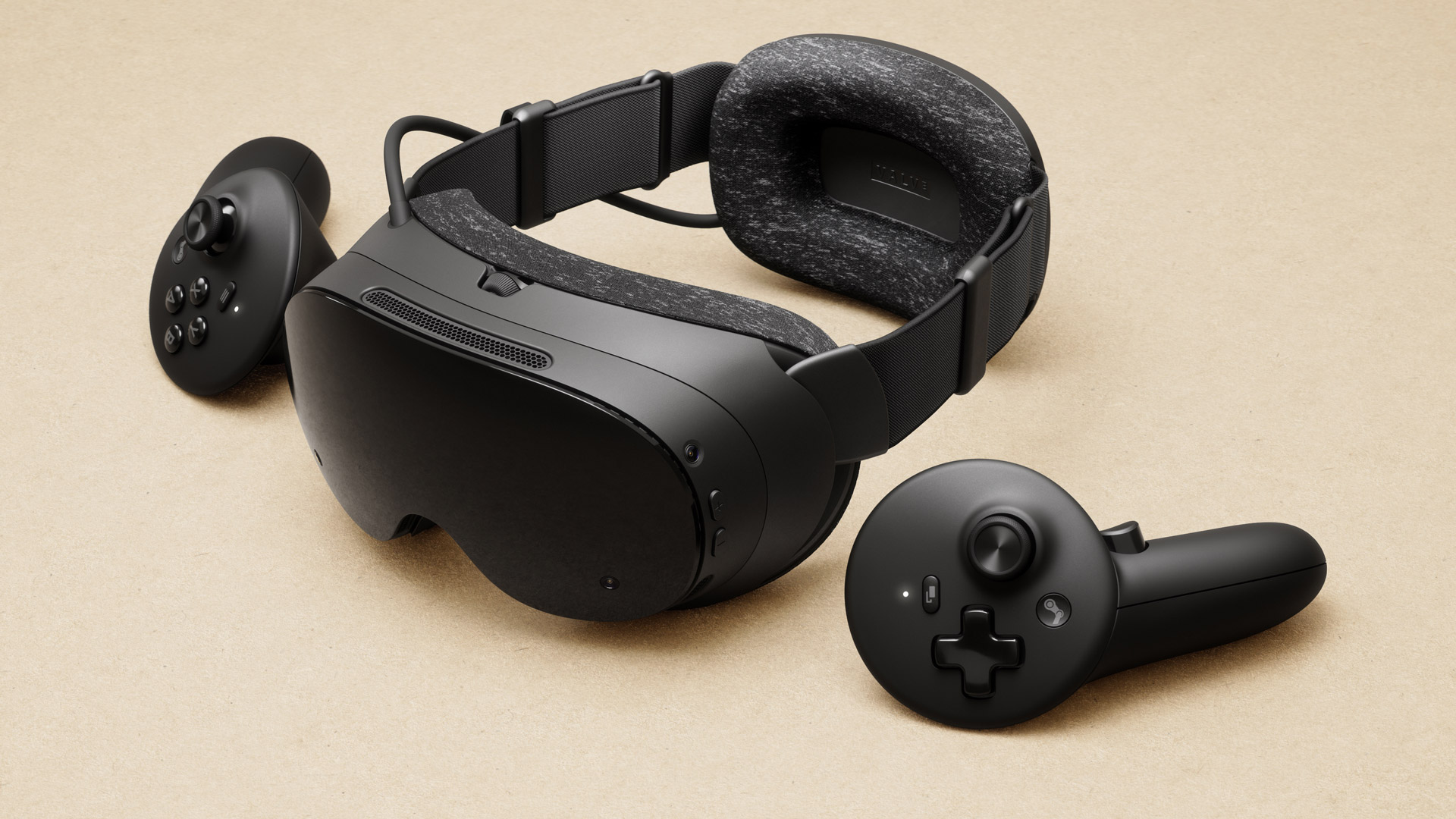
The Steam Frame is positioned as a "bridge" device. It is a standalone headset capable of running games natively on its internal hardware, yet it is optimized for low-latency wireless tethering to a PC. This allows users to access their entire SteamVR library without the physical constraints of a DisplayPort cable.
The Steam Machine (2024 Edition) represents a total overhaul of the failed 2015 initiative. Unlike its predecessor, which relied on third-party manufacturers and a nascent SteamOS, the new version is a first-party Valve product running a matured version of SteamOS with the Proton compatibility layer, mirroring the software success of the Steam Deck.
Chronology: From the Index to the Frame
To understand the significance of this launch, one must look at the evolution of Valve’s hardware philosophy over the last decade.
- 2015: The Steam Machine Misstep. Valve initially attempted to disrupt the console market by partnering with OEMs like Alienware and Zotac. The project failed due to high prices, a lack of software compatibility (pre-Proton), and a confusing array of hardware configurations.
- 2019: The Valve Index Benchmark. Valve released the Index, which became the gold standard for PC VR. However, its reliance on external "Base Station" sensors and a thick tethering cable made it a niche product for enthusiasts.
- 2022: The Steam Deck Revolution. The launch of the Steam Deck proved that Valve could build high-quality, affordable handheld hardware. More importantly, it proved that SteamOS (via Proton) could run Windows games flawlessly on Linux.
- Early 2024: The Delay and Crisis. Valve officially confirmed that its next-generation hardware was delayed. This was attributed to a "component crisis," specifically a global shortage and price spike in RAM and NAND flash storage, which threatened to push the retail price of the Steam Frame beyond the consumer "sweet spot."
- Summer 2024: The Final Push. Last week, Valve broke its silence, confirming a "Summer Release Window" for both the Steam Frame and the Steam Machine. The recent import records are the physical manifestation of this confirmation.
Supporting Data: Technical Specifications and Performance
The Steam Frame is not merely a "Steam Deck for your face"; it is a high-specification device designed to compete directly with the Meta Quest 3 and the Apple Vision Pro, albeit with a strict focus on gaming and the Steam ecosystem.
Steam Frame Internal Specifications
- Chipset: Qualcomm Snapdragon 8 Gen 3. This mobile processor provides the necessary "horsepower" for standalone play and high-efficiency decoding for wireless streaming.
- Display: Dual 2,160 × 2,160 per-eye LCD panels. While not OLED, these high-density displays are designed to minimize the "screen-door effect."
- Refresh Rate: Up to 144 Hz, matching the high-end performance of the original Valve Index.
- Tracking: Optical inside-out tracking (eliminating the need for Base Stations) and integrated eye-tracking for foveated rendering, which optimizes performance by only rendering the area the user is looking at in full detail.
- OS: SteamOS with Proton. This allows the headset to natively run many "flatscreen" Steam games in a virtual theater mode or optimized VR versions of Windows-based titles.
The Logistical Footprint
The weight of the shipments provides a clue toward the scale of the launch. If we estimate a retail-ready Steam Frame (including box, controllers, and cables) weighs approximately 2.5 kg, a 32,000 kg shipment suggests an initial stock of roughly 12,800 units in a single shipment. Given that this is likely one of several shipping containers, Valve is preparing for a launch in the tens of thousands, if not hundreds of thousands, of units.
Official Responses and Market Challenges
While the hardware is physically arriving, Valve has remained characteristically guarded regarding the two most critical factors: Price and Software.
The Pricing Dilemma
The "component crisis" mentioned in earlier Valve communications remains a shadow over the launch. With RAM and storage prices remaining volatile, industry insiders wonder if Valve will subsidize the hardware—as they do with the entry-level Steam Deck—or if the Steam Frame will carry a premium price tag (estimated between $599 and $899).
The First-Party Content Gap
In a move that has disappointed some fans, Valve has reportedly confirmed that no new first-party VR game (such as a "Half-Life: Alyx" sequel) is currently in development for the Steam Frame launch. Instead, Valve is focusing on "platform parity," ensuring that the existing Steam library works seamlessly on the new devices.
A Valve spokesperson noted in a recent developer summit, "Our goal with Steam Frame is to unlock the library people already own. We want to make the transition from the desktop to the headset as frictionless as the transition from the desktop to the Steam Deck."
Developer Outreach
To compensate for the lack of a "killer app" at launch, Valve has begun offering Steam Frame Dev Kits to VR studios. The goal is to allow developers to optimize their existing PC VR titles for the Snapdragon 8 Gen 3 chipset, ensuring a robust library of "Native" apps that don’t require a PC connection.
Implications: A New Era for the "Open" Metaverse
The launch of the Steam Frame and the new Steam Machine carries implications that extend far beyond Valve’s balance sheet. It represents a philosophical challenge to the "walled garden" approach of Meta and Apple.
Competition with Meta Quest 3
The Meta Quest 3 currently dominates the standalone VR market. However, Meta’s OS is a heavily modified version of Android that lacks the native "PC-to-VR" synergy that Valve can offer. The Steam Frame’s ability to run SteamOS means that it is essentially a "hackable" Linux PC on your head. For the enthusiast community, this "open" nature is a significant selling point.
The SteamOS Expansion
Valve has expressed openness to bringing SteamOS to third-party VR headsets. If the Steam Frame is successful, we could see a future where SteamOS becomes the "Android of VR"—a standard operating system that other manufacturers (like HTC, HP, or ASUS) can license to compete with Meta’s proprietary software.
The Living Room Resurgence
The new Steam Machine, designed to work "seamlessly" with the Steam Frame, suggests a vision of a unified home ecosystem. A user could play a game on their Steam Machine in the living room, pick it up on their Steam Deck for a commute, and then immerse themselves in the same world via the Steam Frame—all running on the same Linux-based architecture.
Conclusion: The Summer of Valve
As the 35 tons of VR equipment and 44 tons of consoles are sorted in US warehouses, the gaming industry sits on the precipice of a major shift. Valve is no longer just a software company that happens to make a few gadgets; it is becoming a full-fledged hardware titan.
The success of the Steam Frame will depend on whether Valve can balance the high costs of its cutting-edge specs with the consumer’s desire for an affordable, standalone experience. Even without a new Half-Life title to lead the charge, the sheer utility of a portable, wireless SteamVR powerhouse may be enough to finally move VR into the mainstream.
One thing is certain: with a confirmed release window of "this summer," the wait to see Valve’s "Modern Vision for VR" is almost over. By the end of the quarter, the "Steam Frame" will likely be in the hands of consumers, potentially ending the era of tethered VR once and for all.