The Chaotic Evolution of the Party Game: An In-Depth Look at ‘Gnaughty Gnomes’
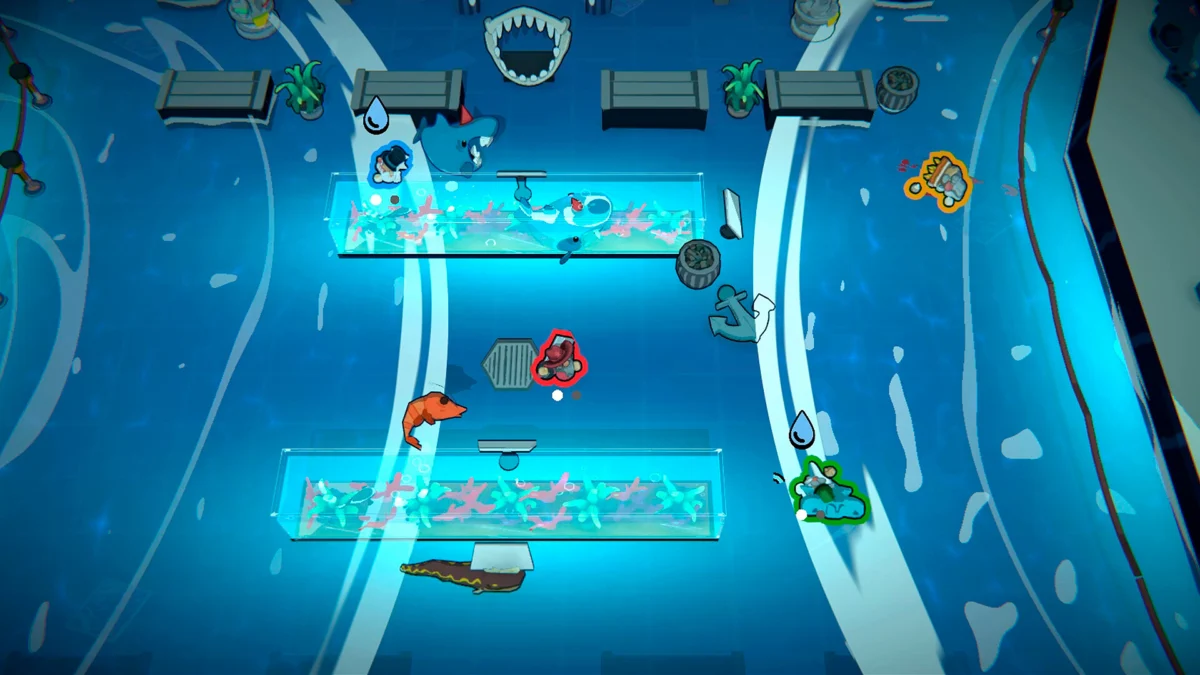
The landscape of local multiplayer gaming has undergone a radical transformation over the last decade. From the early days of simple arena brawlers to the complex, physics-based simulations of the modern era, the "couch co-op" and "party game" genres have seen a resurgence driven largely by the ingenuity of independent developers. Entering this vibrant arena is Gnaughty Gnomes, a title that seeks to blend the frantic, high-stakes action of a survival brawler with the strategic depth of a deck-building card game.
Developed with a keen eye for balance and chaotic fun, Gnaughty Gnomes has emerged as a standout title, recently showcased at the Bilbao International Games (BIG) Conference. By integrating a sophisticated card-drafting mechanic into a traditional last-man-standing format, the game offers a level of replayability and tactical nuance rarely seen in the genre.
Main Facts: A New Contender in Local Multiplayer
At its core, Gnaughty Gnomes is a local multiplayer party game designed for up to four players. The premise is deceptively simple: players control small, mischievous gnomes battling across a variety of hazardous environments to be the last one standing. However, the simplicity ends there. Unlike traditional brawlers that rely solely on reflexes, Gnaughty Gnomes introduces a meta-layer of gameplay through a robust card system.
Core Mechanics and Gameplay Loop
The game is structured in rounds. Between these rounds, players are presented with a selection of cards—over 150 in total—that provide upgrades, items, or game-altering effects. These cards range from stat boosts to character-altering abilities, creating a dynamic power curve that evolves as the match progresses.
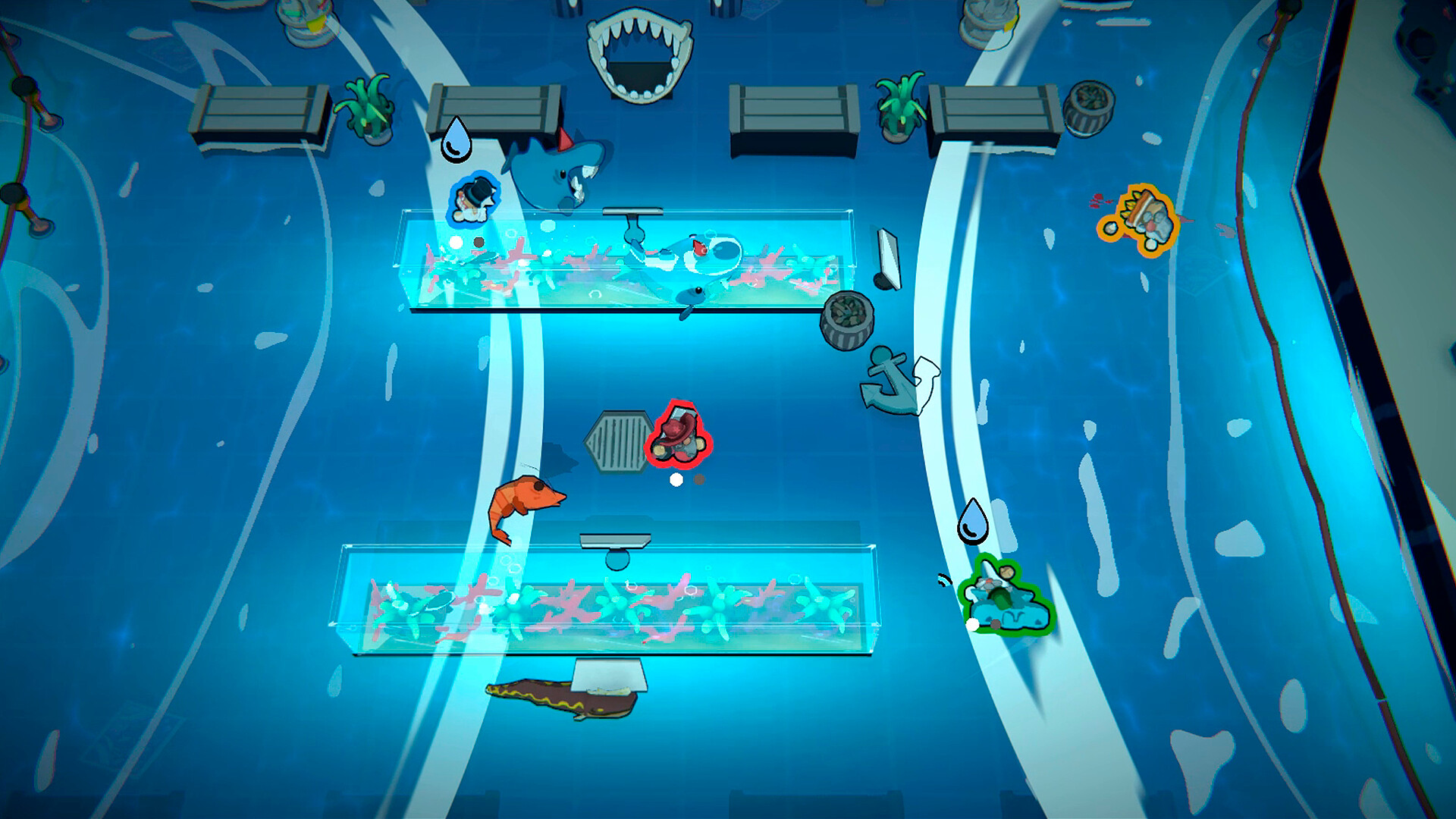
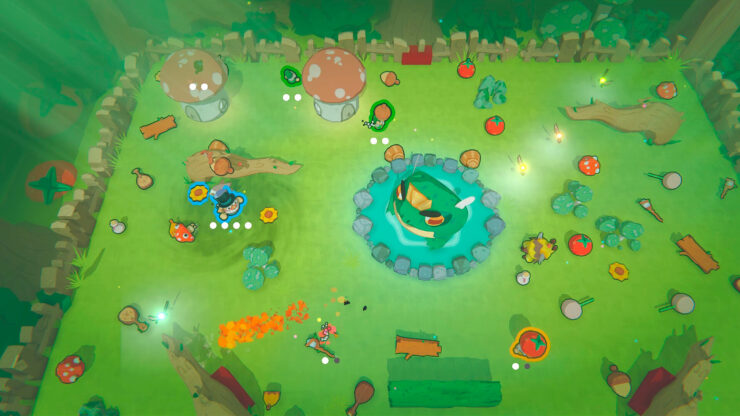
The environmental design plays a pivotal role in the "gnaughty" nature of the game. Maps are not merely static arenas; they are living, breathing obstacles. Players can throw objects, wield found weapons, and trigger environmental hazards like fires. One of the more iconic levels features a giant frog in a pond whose tongue acts as a lethal, unpredictable hazard for any gnome unlucky enough to cross its path.
Key Features at a Glance:
- Player Count: 1-4 players (Local Multiplayer).
- Platform: Available now on Steam.
- Card Library: Over 150 unique cards that stack and interact.
- Game Modes: Team Battle, Prop Hunt, and Free-for-All.
- Drafting System: A unique "comeback mechanic" where the player in last place picks their upgrade card first.
Chronology: From Showcases to Steam Release
The journey of Gnaughty Gnomes reflects the modern indie development cycle, where visibility at major conferences is often the catalyst for community growth.
The BIG Conference Milestone
The game gained significant traction during the BIG Conference (Bilbao International Games Conference), a premier event for indie developers in Europe. It was here that journalists and players first experienced the polished nature of the title. Jupiter Hadley, a prolific indie game journalist, noted that the game stood out specifically for its balance. While many party games suffer from "snowballing"—where the winning player becomes unstoppable—Gnaughty Gnomes was praised for its intentional design choices that keep every player in the running until the final round.
Post-Conference Polishing
Following its successful showing in Bilbao, the development team focused on expanding the card library and refining the environmental interactions. The goal was to ensure that the 150+ cards didn’t just provide numerical advantages but fundamentally changed how a player approached the next round.
Official Launch
The game recently saw its full release on Steam, arriving with a suite of customization options and multiple game modes. The launch trailer highlighted the "frantic" nature of the gameplay, showcasing the contrast between the cute, gnome-themed aesthetics and the cutthroat nature of the competition.
Supporting Data: The Depth of the "Gnaughty" Systems
To understand why Gnaughty Gnomes is more than just another party game, one must look at the data and design philosophy behind its mechanics.
The Card Economy and Strategy
The inclusion of 150+ cards is not merely a marketing statistic; it represents a complex web of synergies. The cards are categorized by rarity and function:
- Immediate Buffs: Enhancements to speed, throw distance, or health.
- Environmental Modifiers: Cards that change how the map reacts to the player.
- Meta-Cards: Rare cards that affect the picking phase itself. For instance, some cards do not grant a power-up in the current round but instead grant the player priority or special insight during the next round’s card draft.
The Drafting "Comeback Mechanic"
One of the most critical design elements is the drafting order. By allowing the person in last place to pick their upgrade first, the game implements a natural "rubber-banding" effect. This ensures that even a player who had a disastrous first round can potentially acquire a "rare" or "legendary" card that levels the playing field, preventing the early-game frustration common in competitive titles.
Variety in Game Modes
The game’s longevity is supported by its diverse modes:
- Free-for-All: The classic "last gnome standing" experience.
- Team Battle: Adds a layer of coordination, where card synergies can be coordinated between partners.
- Prop Hunt: A radical departure from the combat-centric modes, focusing on stealth and environmental interaction, proving the versatility of the game’s engine and assets.
Official Responses and Critical Reception
The reception from the indie gaming community and critics has been overwhelmingly positive, particularly regarding the game’s "feel" and technical execution.
The Journalist Perspective
Jupiter Hadley, writing for Indie Games Plus, emphasized the unique "feel" of the title. "I’ve played card games. I’ve played local multiplayer games. That said, there is just something so unique and fun feeling about this title," Hadley remarked. She specifically pointed out the "polished" nature of the experience, noting that the game avoids the "jank" often associated with indie physics-based brawlers.
Developer Philosophy
While the developers have remained focused on the Steam release, their design choices speak to a philosophy of "accessible depth." By using cute gnome customizations and intuitive controls (throwing, picking up objects), the game remains accessible to younger audiences. However, the card-stacking mechanics provide the "crunch" that hardcore gamers look for in a competitive setting.
Balance and Fairness
A common praise found in early reviews is the balance of the card system. Despite the high number of variables, the game rarely feels "unfair." The transparency of the drafting phase allows players to see what their opponents are building, allowing for counter-play and strategic adaptation.
Implications: The Future of the "Card-Brawler" Subgenre
The success and design of Gnaughty Gnomes have broader implications for the indie game market and the evolution of party games.
The Convergence of Genres
Gnaughty Gnomes represents a growing trend where developers are no longer content with single-genre titles. By mashing together the "Battle Royale" spirit with "Deck-Building" strategy, the game carves out a niche that appeals to two very different types of players: those who want high-octane action and those who want to build a "build."
The "Couch Co-op" Renaissance
As online gaming continues to dominate, there is a persistent and growing demand for high-quality local multiplayer experiences. Gnaughty Gnomes addresses this market by providing a "Nintendo-level" of polish—meaning it is easy to pick up but difficult to master—on a platform (PC/Steam) that is increasingly becoming a hub for local social gaming via Steam Remote Play and home theater PC setups.
Educational and Social Value
The game’s drafting system teaches basic strategic thinking and risk-reward assessment. Because players must choose from a limited pool of cards, they learn to evaluate not just what helps them, but what might hinder their opponents. This "hate-drafting" mechanic is a staple of professional card games, now brought to a fun, animated forest setting.
Final Thoughts
Gnaughty Gnomes is a testament to the power of creative iteration. It takes the familiar concept of gnomes in a forest and injects it with a sophisticated mechanical heart. With its massive library of cards, polished environmental hazards, and commitment to fair play through its unique drafting system, it stands as a premier example of modern indie game design. Whether playing a casual match of Prop Hunt or a cutthroat Team Battle, players are guaranteed a frantic, "gnaughty," and ultimately rewarding experience.
As the title continues to gain traction on Steam, it serves as a reminder that in the world of indie gaming, even the smallest characters can leave a giant footprint.