The Convergence of Play: How Kepler Interactive is Redefining Gaming as the New Cultural Vanguard
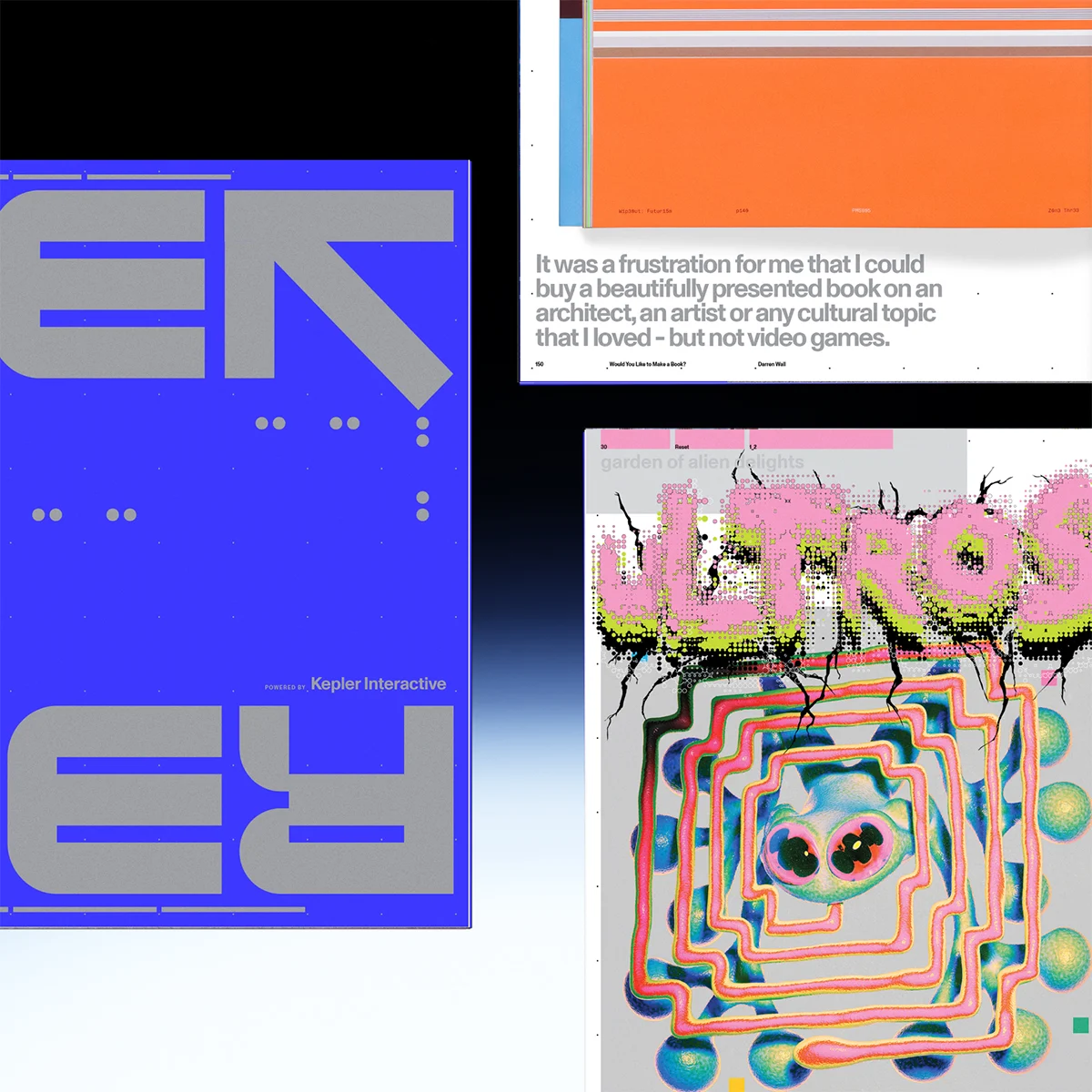
The long-standing debate over whether video games qualify as "art" has reached a definitive conclusion. In the hallowed halls of contemporary design, the question is no longer whether games belong alongside cinema, fashion, and fine art, but rather how they have become the primary engine driving these industries forward. At the heart of this cultural shift is Kepler Interactive, a global publisher that is moving beyond the traditional digital-to-consumer pipeline to establish a permanent footprint in the world of high-end print and multidisciplinary design.
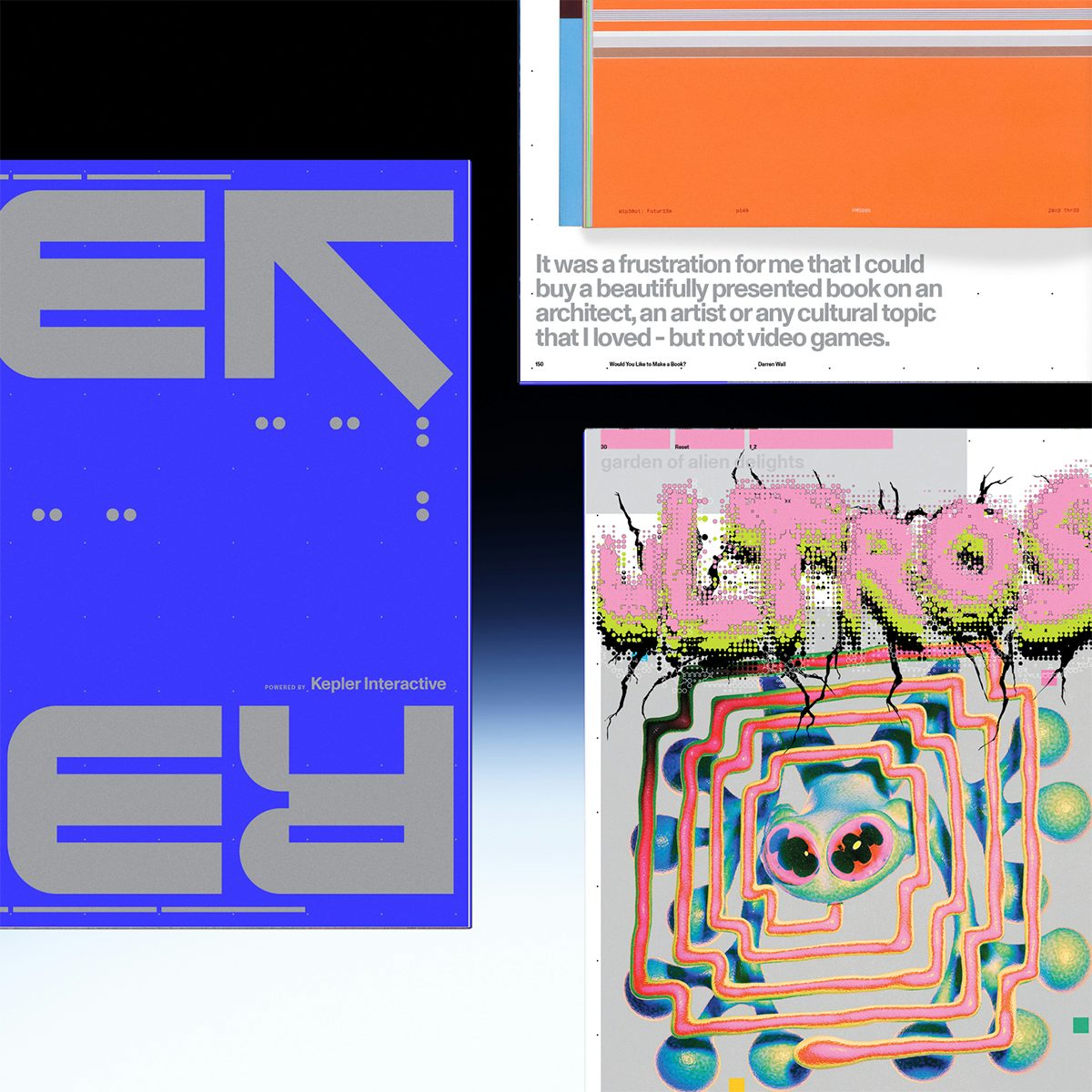
Through the launch of its new print publication, Reset, Kepler Interactive is signaling a transition from "gaming as a product" to "gaming as a cultural identity." By focusing on the intersections of fashion, architecture, and visual arts, the company is bridging the gap between the screen and the physical world, highlighting the once-hidden creators who shape our digital realities.
Main Facts: The Launch of Reset and the Kepler Philosophy
Kepler Interactive, a developer-led publisher known for its unique co-ownership model, has officially entered the world of premium print media with Reset. Unlike traditional gaming magazines that focus on hardware specifications, walkthroughs, or review scores, Reset is positioned as a lifestyle and design journal. It treats game development not as a technical feat, but as a sophisticated artistic endeavor.
Simon Sweeney, the Creative Director at Kepler Interactive, suggests that the industry is undergoing a maturation process. The primary objective of Reset is to provide a platform where the creative minds behind the games—the concept artists, the narrative designers, and the world-builders—are afforded the same level of prestige as a creative director at a Parisian fashion house or an Oscar-winning cinematographer.
The magazine’s first issue serves as a manifesto for this new era. It features high-concept photography, long-form interviews, and deep dives into the aesthetic philosophies that inform modern game design. By choosing a physical medium, Kepler is making a statement about permanence and the "slow" consumption of media in an age of digital ephemeralness.
Chronology: The Evolution from Subculture to Cultural Core
To understand the necessity of a publication like Reset, one must look at the trajectory of the gaming industry over the last three decades.
The Era of Silos (1990s – 2005)
During the late 20th century, gaming existed in a cultural silo. It was viewed primarily as a toy industry or a niche hobby for tech enthusiasts. Magazines of this era reflected this, focusing on "tips and tricks" and technical performance. There was little to no overlap with the worlds of high fashion or traditional art galleries.
The Indie Revolution and Aesthetic Awakening (2006 – 2015)
The rise of digital distribution platforms allowed for the "Indie Revolution." Games like Journey, Limbo, and Braid challenged the notion of what a game could be, prioritizing atmosphere and emotional resonance over traditional "win/loss" mechanics. This period saw the first serious attempts by art institutions, such as the MoMA in New York, to acquire video games for their permanent collections.
The Luxury and Fashion Pivot (2016 – 2021)
The mid-to-late 2010s marked the beginning of the "overlap" era. Luxury fashion houses began to see the potential of gaming’s visual language. Louis Vuitton collaborated with League of Legends; Balenciaga launched a collection via a bespoke video game; and Gucci created digital spaces in Roblox. Gaming was no longer just a hobby; it was a status symbol and a marketing frontier.
The Kepler Era and the Birth of Reset (2022 – Present)
Kepler Interactive was founded on a "co-ownership" model, giving developers a stake in the business. This structural shift prioritized the creator’s voice. In 2024, recognizing that the "games as art" debate was effectively over, Kepler launched Reset to document this integrated cultural landscape, moving from the screen to the coffee tables of the design-conscious elite.
Supporting Data: The Economic and Cultural Weight of Gaming
The push for a magazine like Reset is supported by staggering industry data that proves gaming is the dominant medium of the 21st century.
- Market Dominance: As of 2023, the global gaming market was valued at approximately $184 billion. This dwarfs the global film box office (approx. $34 billion) and the recorded music industry (approx. $26 billion) combined.
- Demographic Shifts: The average age of a gamer is now 32, a demographic that has significant disposable income and an appreciation for high-end design, fashion, and physical collectibles.
- The Print Renaissance: Despite the decline of mass-market tabloids, niche "bookazine" style publications (like Apartamento or Cereal) have seen a surge in popularity. Kepler is tapping into this trend, betting that gamers want a tactile, high-quality physical object that reflects their sophisticated tastes.
- Cross-Industry Employment: A growing percentage of graduates from prestigious art schools (such as Central Saint Martins or RISD) are now seeking roles in game studios rather than traditional advertising or fashion houses, citing the "unlimited creative canvas" of digital worlds.
Official Responses: Insights from Simon Sweeney
In his conversations with Creative Review (CR), Simon Sweeney emphasizes that the industry has moved past the need for validation. The focus has now shifted to the "hidden" nature of the creators.
"Whether games are art is a conversation that’s already been resolved," Sweeney tells CR. "I think there is a sense that the creators are a little more hidden than you would find in other spaces, though."
Sweeney points out that while a moviegoer might follow a specific director like Christopher Nolan, or a fashion enthusiast might follow a designer like Phoebe Philo, the general public—and even many gamers—often struggle to name the individuals responsible for the visual identity of their favorite titles. Reset aims to dismantle this anonymity.
"We wanted to make space for new creative conversations," Sweeney explains. The editorial direction of Reset is not about "hype" for upcoming releases; it is about the "why" and "how" of the creative process. By placing a game designer in conversation with a brutalist architect or a textile designer, Kepler is positioning game development as a discipline that is deeply informed by—and informs—the wider world of human creativity.
Implications: What This Means for the Future of Creative Industries
The emergence of Reset and the philosophy of Kepler Interactive carry profound implications for the future of the creative economy.
1. The Professionalization of "Game Aesthetics"
As gaming continues to overlap with fashion and design, we will likely see the rise of "Game Aesthetic Consultants." Just as films have costume designers and production designers, the fashion and architecture industries will increasingly look to game engines (like Unreal Engine 5) and game artists to prototype physical spaces and garments.
2. The Rise of the "Auteur" Gamer
By highlighting individual creators, the industry is moving toward an "auteur" model. This will lead to more personality-driven marketing. Players will begin to buy games not based on the franchise name, but because of the specific artistic vision of the lead designer, similar to how readers follow specific authors or art collectors follow specific painters.
3. Print as a Luxury Anchor in a Digital World
The launch of Reset suggests that as our lives become more digitized, the value of high-quality physical goods increases. For gaming brands, a print magazine acts as a "cultural anchor." It provides a sense of prestige and permanence that a digital ad or a social media post cannot replicate. This may lead to other major publishers (like Sony or Ubisoft) launching their own high-end editorial arms.
4. Educational Shifts
As the boundaries between these industries blur, educational institutions will need to adapt. We can expect more interdisciplinary degrees that combine game design with traditional art history, fashion sociology, and architectural theory. The "game designer" of the future will be a polymath, comfortable in both the digital and physical realms.
Conclusion: Setting the Cultural Agenda
Kepler Interactive’s Reset is more than just a magazine; it is a declaration of intent. It signifies that the gaming industry is no longer content with being a profitable outlier in the world of culture. Instead, it is stepping into its role as the central hub where all other creative disciplines meet.
By focusing on the "hidden creators" and the sophisticated intersections of design, Kepler is not just documenting the culture—it is actively shaping it. As Simon Sweeney and his team continue to push the boundaries of what a gaming company can be, the rest of the creative world is watching closely. The "reset" has begun, and the screen is only the beginning of the story.