A Descent into Wedding Nightmares: Mary Berman’s "Until Death" Explores Love, Loss, and the Terrors of Matrimony
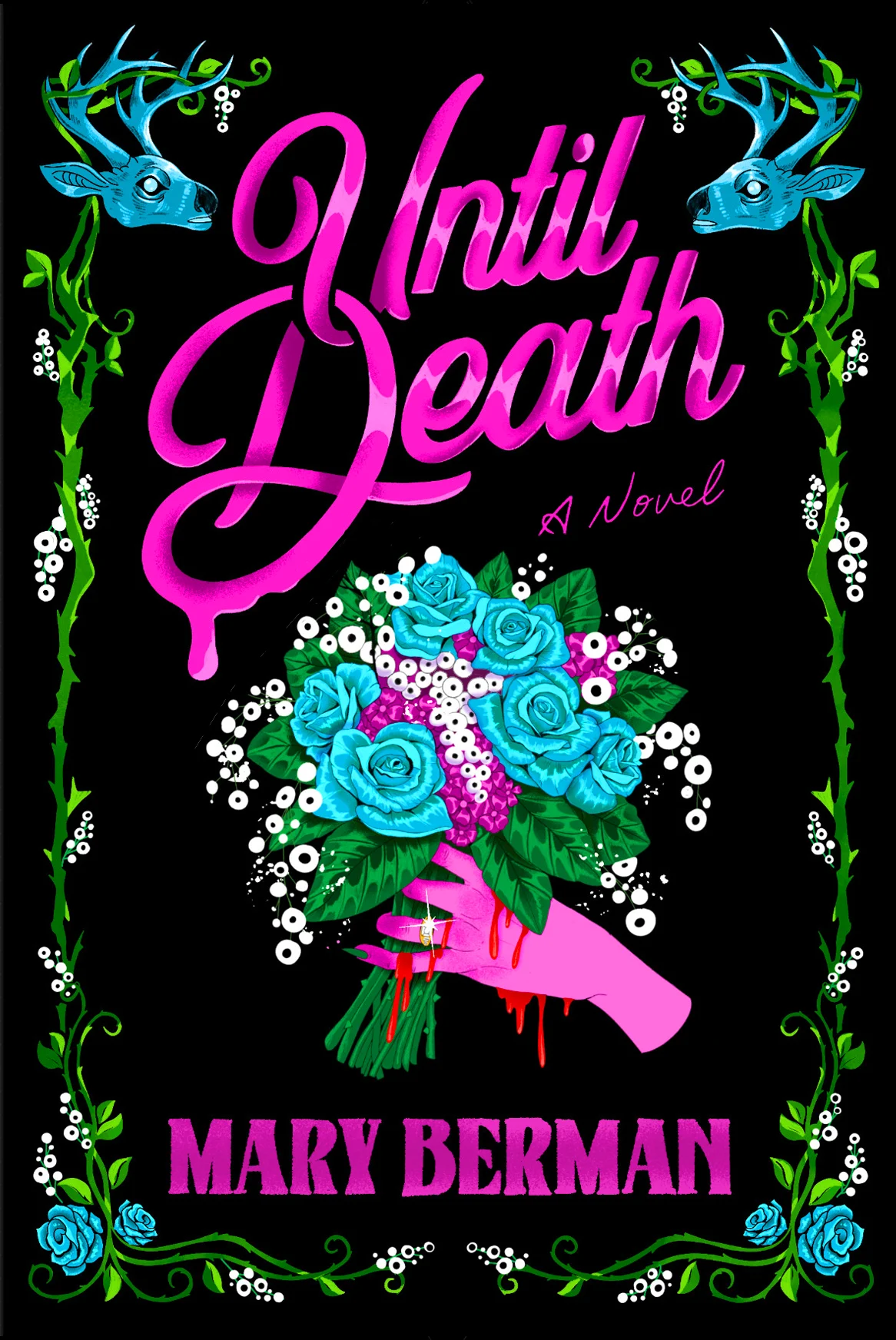
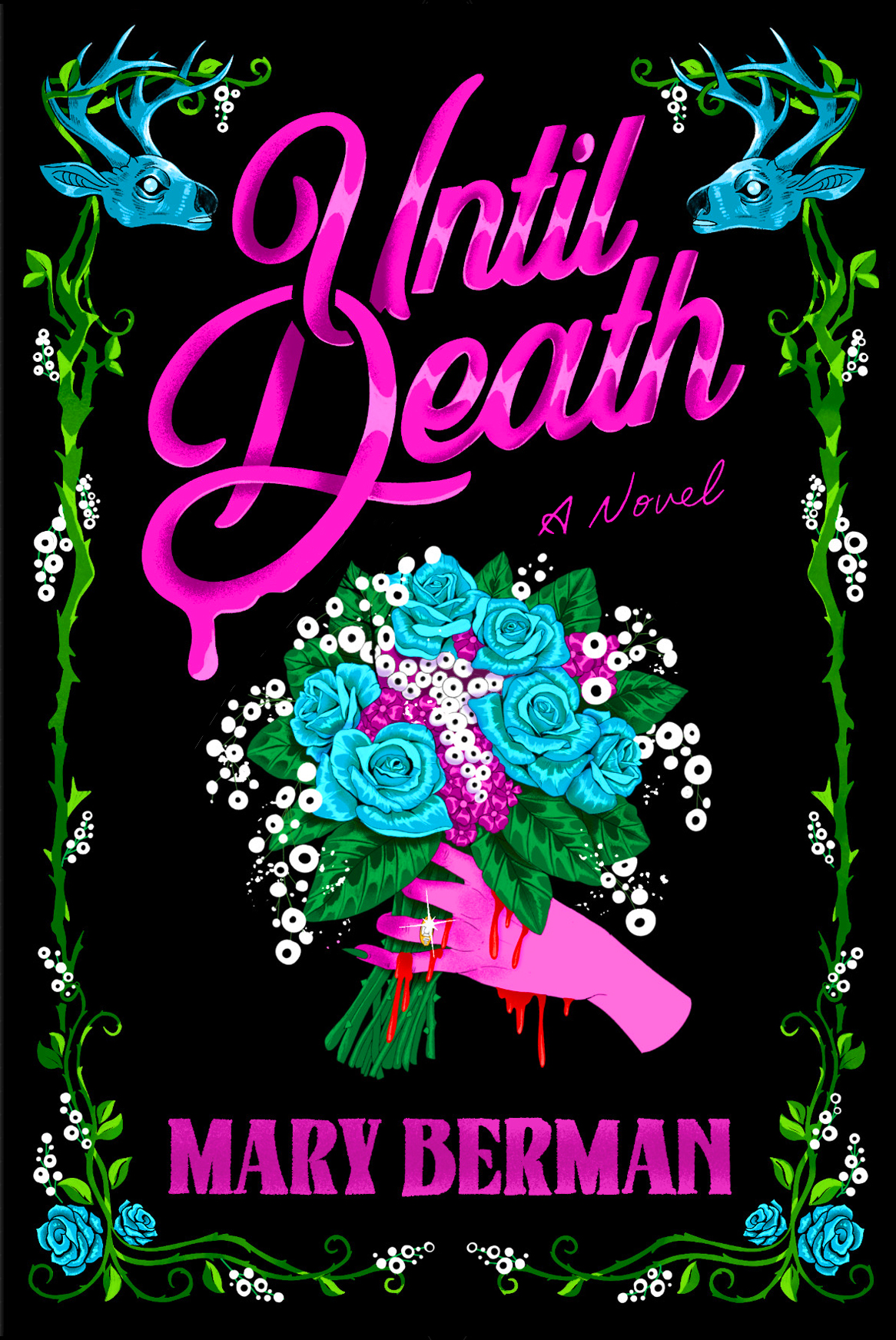
Philadelphia, PA – May 21, 2026 – Debut novelist Mary Berman is set to unleash "Until Death," a darkly comedic and unsettling exploration of the wedding industrial complex, maternal dementia, and the terrifying sacrifices love can demand. The novel, which promises a unique blend of wicked humor, pitch-black horror, and unexpected romance, centers on Ophelia Cohen, a young woman whose deeply ingrained aversion to marriage is challenged by the specter of her mother’s declining health.
The Premise: Love’s Unexpected Dawn Amidst Familial Shadows
At its core, "Until Death" presents a compelling paradox. Ophelia Cohen has been raised with a potent distrust of matrimony, a sentiment deeply ingrained by her parents’ own experiences. However, as she witnesses her widowed mother’s descent into dementia, the prospect of facing the end of life alone becomes a far more chilling reality than the sanctity of marriage. This stark realization shifts Ophelia’s perspective dramatically, leading her to consider marriage not as a trap, but as a potential sanctuary.
The catalyst for this change is the arrival of Luke, a man who embodies the dreams of Ophelia’s ailing mother. As Ophelia finds herself drawn to Luke and the possibility of a shared future, the age-old adage that "love conquers all" begins to feel increasingly plausible. Yet, the path to the altar is anything but smooth. Ophelia’s obsessive research on wedding forums, a modern-day ritual of preparation, proves woefully inadequate against the unfolding reality of wedding planning. The narrative quickly plunges into a labyrinth of familial discord and escalating unease, as Ophelia grapples with a series of unsettling questions that threaten to overshadow her impending nuptials.
The author poses critical questions that drive the narrative: Why does Ophelia’s mother-in-law exhibit such extreme agitation over every minute detail of the wedding? What compels Luke’s family to insist on hosting the ceremony in the ancient chapel of their vineyard? And, most ominously, what hidden sacrifices will Ophelia and her mother be forced to make to survive this momentous occasion? Berman’s novel promises to peel back the layers of societal expectation and familial obligation, revealing the potentially sinister undercurrents that can lurk beneath the veneer of celebration.
Author’s Insights: Five Lessons Learned in the Crucible of Creation
In a recent interview and accompanying essay, Mary Berman shared five profound insights gleaned from the process of writing "Until Death." These revelations offer a fascinating glimpse into the thematic explorations and personal connections that shaped the novel.
1. The Futility of Spreadsheets in the Face of Human Chaos
Berman candidly admits that her own lack of personal experience with wedding planning, including not being engaged at the time of writing, led her to rely heavily on online communities, particularly Wedding Reddit, for research. Her initial assumption was that the primary challenges of wedding planning lay in organization and expense, problems that could ostensibly be solved with meticulous budgeting and organizational tools like spreadsheets and binders.
However, her deep dive into hundreds of firsthand accounts, and more importantly, her protagonist Ophelia’s harrowing encounters with her "terrible in-laws," revealed a more fundamental truth: the most dreadful aspects of wedding planning are not logistical but interpersonal. Berman poignantly summarizes this with the adage, "Hell Is Other People." This suggests that the true horrors of wedding planning stem from the complex dynamics of human relationships, the clashing personalities, and the often-unseen tensions that spreadsheets are powerless to resolve. The author emphasizes that the skills required for large-scale event planning are specialized and often acquired through extensive training, a stark contrast to the amateur efforts of engaged couples.
2. Dementia’s Devastating Spectrum Beyond Memory Loss
A central element of "Until Death" involves Ophelia’s mother’s battle with dementia, with Ophelia taking on the role of her primary caregiver. While Berman clarifies that her own mother does not suffer from dementia, the experience of witnessing a close family member navigate the illness deeply informed her portrayal. She recounts a childhood perception where dementia and aging were synonymous, failing to recognize the multifaceted nature of the illness beyond simple forgetfulness.
Berman highlights the devastating realization that dementia encompasses a far wider range of symptoms, including wandering, aggression, agitation, sundowning (increased confusion and agitation in the late afternoon and evening), and drastic mood shifts. Her personal experience caring for her grandmother, who she describes as trying to walk to her sister-in-law’s house in the middle of the night, serves as a poignant example of these less obvious but equally impactful symptoms. The author expresses shock at the societal lack of robust care systems for individuals affected by dementia, considering its widespread impact as people age. This insight underscores the novel’s exploration of the personal toll of caregiving and the emotional complexities involved.
3. Unearthing Pennsylvania’s Verdant Wine Country
The setting of the novel plays a significant role, with the wedding taking place in the vineyard of Luke’s family. Berman reveals that her initial awareness of Pennsylvania’s wine country was not directly linked to her writing but rather to the public awareness campaign surrounding the invasive spotted lanternfly. The insect’s threat to the region’s vineyards brought the existence of this agricultural sector to national attention.
While technically aware of its existence, Berman was pleasantly surprised by the beauty and extent of Pennsylvania’s wine regions, particularly around Lancaster County. Her research for "Until Death" involved extensive exploration of Lancaster wineries, uncovering at least seven within or near the county, an area more commonly associated with Amish quilts and amusement parks like Dutch Wonderland. This discovery adds a layer of unexpected charm and a picturesque backdrop to the unfolding narrative, even as darker elements begin to surface. The author subtly hints at the availability of "cute hotels" in the region, suggesting a blend of idyllic scenery and potential romantic interludes.
4. A Pantheon of Saints for Troubled Relationships
The novel’s Catholic setting, a deliberate choice by Berman who grew up in the faith, led her to explore the rich tapestry of Catholic iconography and tradition. She explains that a Catholic wedding felt integral to the story’s authenticity, particularly with the vineyard boasting its own haunted Catholic chapel. This spiritual backdrop becomes more than just a setting; it influences the characters and their struggles.
Berman’s research into Catholic saints revealed a surprising number dedicated to individuals facing difficult relationship circumstances. She mentions Saint Godelieve, the patron saint of those with abusive in-laws; Saint Helena, the patron saint of abandoned wives; and Saint Wilgefortis, who is invoked by women wishing liberation from difficult husbands. While these specific figures and their associated narratives, which often involved excruciating deaths, were ultimately cut from the final draft of "Until Death," they profoundly influenced Berman’s understanding of the characters’ potential sources of solace and the historical context of enduring hardship. This discovery adds a layer of historical and religious depth to the novel’s exploration of familial conflict and personal suffering.
5. The Enduring Power of Familial Love Amidst Creative Liberties
Perhaps the most personal and poignant lesson learned by Berman is the resilience of family love, even when confronted with fictionalized portrayals. "Until Death" features a protagonist with biographical similarities to the author, leading to the incorporation of real-life details into the narrative. Berman openly admits to using elements from her own family’s life – her mother’s injured knee, her parents’ jewelry and glasses, her partner’s haircut and career – to imbue the fictional elements with a sense of authenticity.
This creative process, described as a magician sawing a woman in half, where the "woman is real" but "no one’s been cut in half," carries an inherent risk. Berman confesses to a profound fear that her family, particularly her mother, would read the novel and feel slandered, leading to the potential destruction of her most cherished relationships. This dread intensified as she wove more personal details into the "frankly bombastic" narrative.
However, the outcome defied her fears. Berman’s experience, which she has shared with other writers, reveals this to be a common yet often unfounded anxiety. The profound realization is that love, especially familial love, is not conditional. Those who care for us will likely understand the distinction between fiction and reality, and ultimately, their love will prevail. Berman concludes that this lesson, that love is enduring and unconditional, is ultimately a journey Ophelia herself undertakes within the novel.
A Glimpse into the Dark Heart of "Until Death"
"Until Death" is poised to captivate readers with its audacious premise and sharp wit. Mary Berman, a Philadelphia-based writer with an MFA from the University of Mississippi and a BA from Johns Hopkins University, has established herself through short works in publications like Cicada, PseudoPod, and Fireside. With her debut novel, she appears ready to carve out a significant space in contemporary literature, offering a story that is as thought-provoking as it is chilling, and as deeply human as it is terrifying. The novel’s exploration of love’s complexities, the societal pressures surrounding marriage, and the profound impact of familial bonds, particularly in the face of illness and adversity, promises a reading experience that will linger long after the final page.
Mary Berman’s Bio and Availability:
Mary Berman is a Philadelphia-based writer with a distinguished academic background, holding an MFA in creative writing from the University of Mississippi and a BA in writing seminars from Johns Hopkins University. Her literary contributions have appeared in notable publications such as Cicada, PseudoPod, and Fireside. "Until Death" marks her highly anticipated debut novel.
Readers can connect with Mary Berman and explore her work through the following channels:
- Website: https://mtgberman.com/
- Newsletter: https://mtgberman.substack.com/
"Until Death" is available for purchase through various retailers:
- Bookshop.org: https://bookshop.org/a/6810/9780316597173
- Amazon: https://amzn.to/4ulby2L
- Barnes & Noble: https://www.barnesandnoble.com/w/until-death-mary-berman/1148171333
- Kobo: https://www.kobo.com/us/en/ebook/until-death-31
- Local Independent Bookstore (Head House Books): https://www.headhousebooks.com/book/9780316597173