Riftbound: Unleashed – A TCG’s Coming of Age
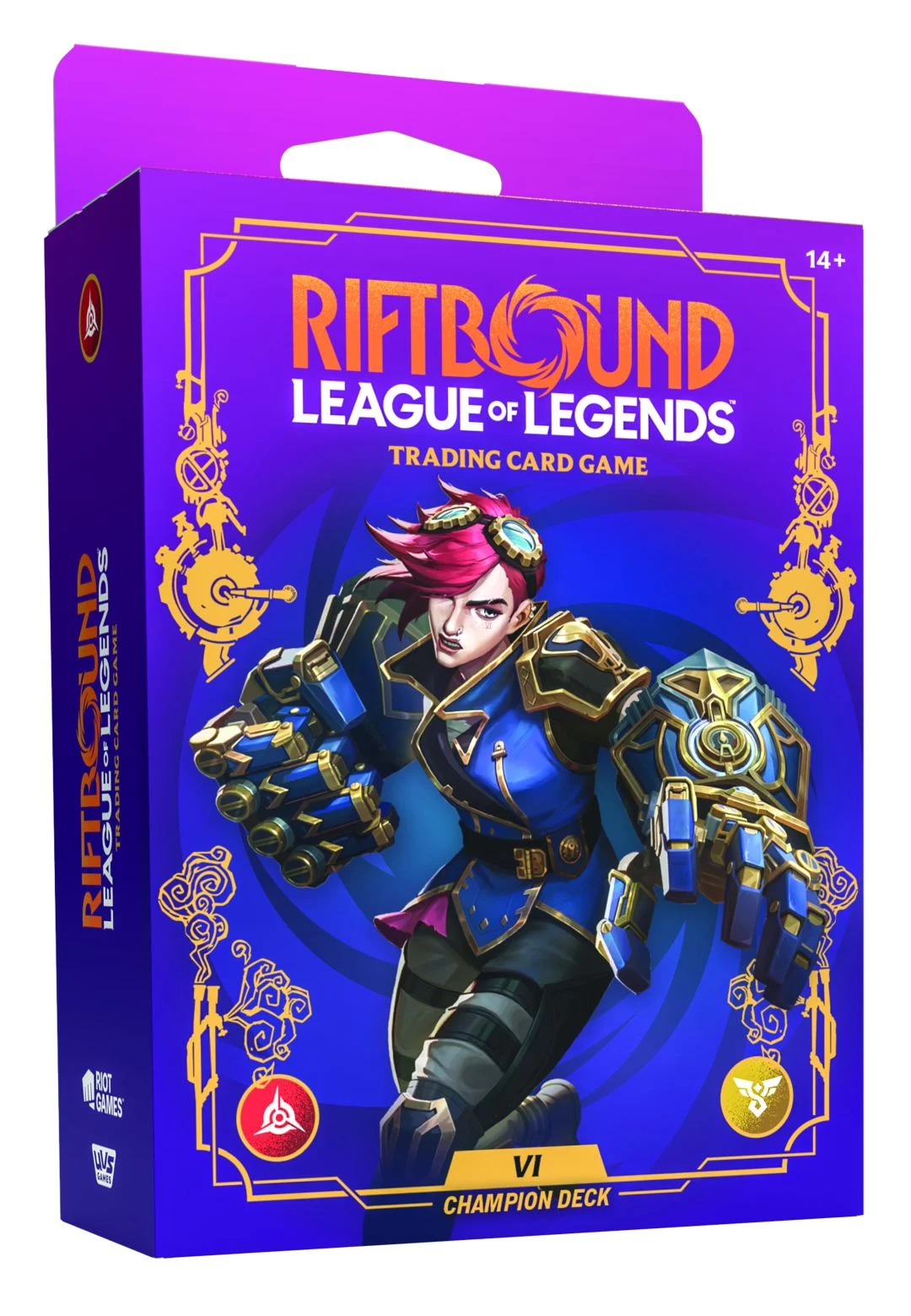
Riot Games, the titan behind the globally acclaimed League of Legends franchise, has once again captivated its vast player base with the third major release for its physical trading card game (TCG), Riftbound. Titled Riftbound: Unleashed, this expansion marks a significant milestone, transforming a promising yet "rough around the edges" debut into a polished and confident contender in the competitive TCG landscape. The initial excitement surrounding Riftbound‘s launch was undeniable, driven by its ambitious design and the immense popularity of its source material. However, its early journey was marred by significant accessibility challenges, primarily the scarcity of product and the subsequent exorbitant prices on the secondary market. With Unleashed, Riot Games appears to have not only rectified these initial missteps but has also infused the game with a newfound maturity, demonstrating a keen understanding of its burgeoning community and the strategic depth they crave.
This latest set doesn’t just introduce new cards; it symbolizes a pivotal evolutionary leap for Riftbound. The game’s design philosophy feels sharper, more intentional, and crucially, more attuned to the nuances of player feedback gleaned from millions of games played globally. Unleashed confidently steps into its own identity, offering refined gameplay, enhanced strategic options through its Champion Decks, and an innovative new storage solution designed to support its growing community of collectors and competitive players alike. It is a testament to iterative design and a clear signal that Riftbound is poised for a robust future.
The Main Facts: A Game Awakened
Riftbound: Unleashed is the third expansion for Riot Games’ physical trading card game, Riftbound, which draws heavily from the rich lore and diverse champions of League of Legends. Launched with considerable anticipation, the game quickly garnered a dedicated following, though early supply chain issues led to widespread sell-outs and inflated prices on the secondary market. This third set addresses those initial concerns, indicating a stabilization in product availability and a more mature approach to game development.
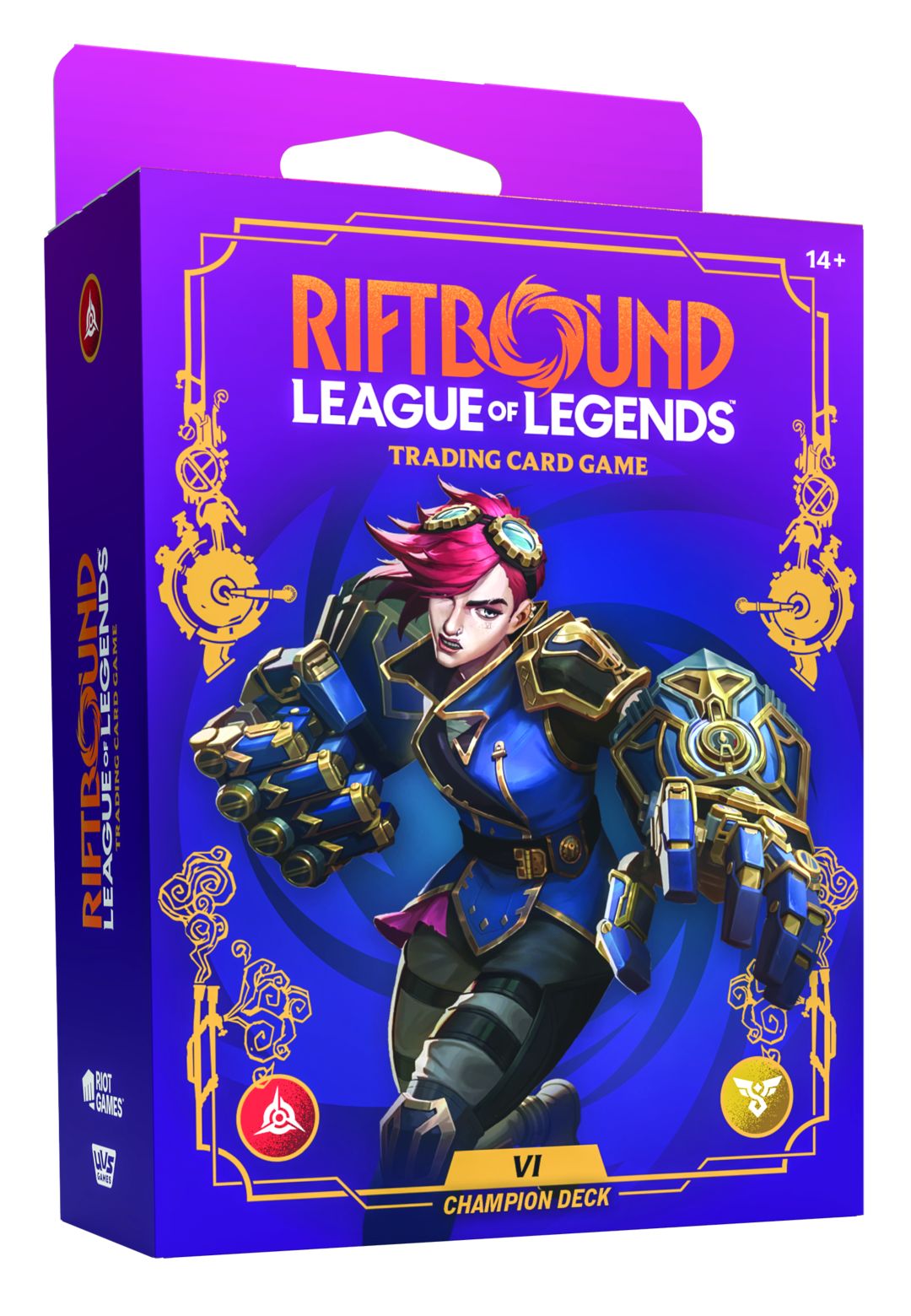
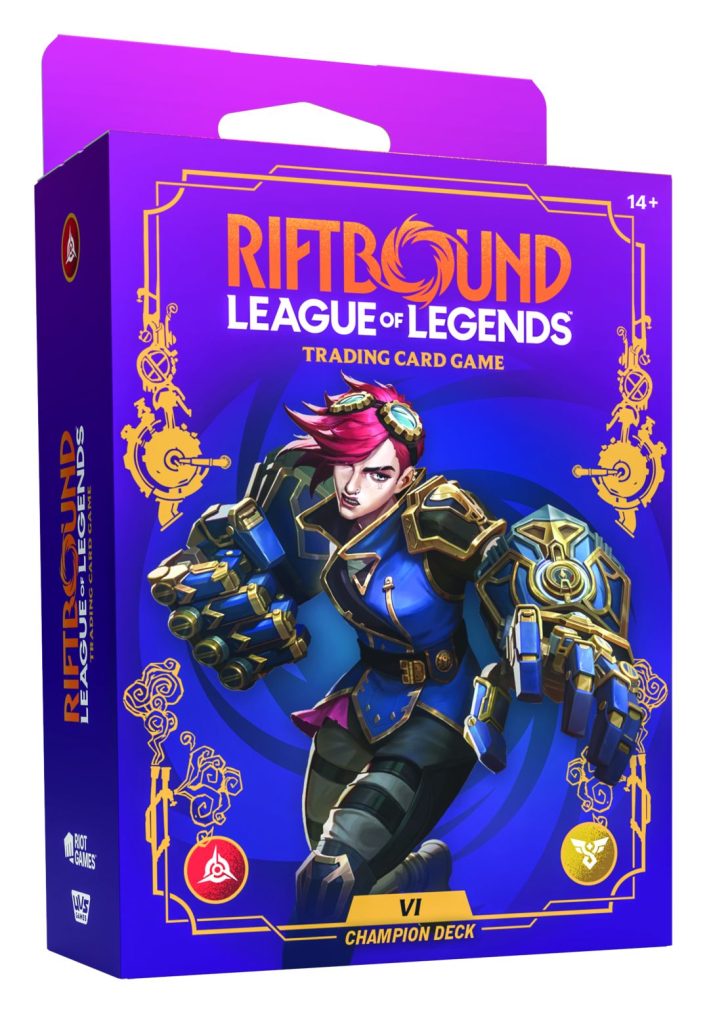
The core of Unleashed‘s offering revolves around its Champion Decks, specifically featuring fan-favorite characters Vi and Vex. Each deck is meticulously crafted around a single champion, ensuring a distinct personality and playstyle. The Vi Champion Deck embodies an aggressive, pressure-oriented strategy, making it an accessible entry point for new players. In contrast, the Vex Champion Deck offers a more intricate, control-oriented experience, rewarding players who prefer strategic depth and battlefield manipulation. Our testing revealed that while Vi’s fast-paced approach might slightly edge out Vex in a direct confrontation, both decks provide robust, engaging gameplay experiences that feel far from "beginner products," offering genuine strategic choices from the outset.
Beyond gameplay enhancements, Riftbound: Unleashed introduces the "Vault," an innovative product designed to address the perennial TCG issue of card storage. This reusable storage box not only provides a secure home for valuable cards but also includes six booster packs, 36 basic runes, three double-sided full-art tokens, and two dividers, making it a comprehensive package for collectors and players. Riot Games has confirmed that the Vault will become a standard offering with all future sets, underscoring their commitment to supporting the long-term needs of their community.
The expansion signals a crucial maturation point for Riftbound. The design philosophy has evolved, moving past cautious experimentation to confidently embrace complex, value-oriented strategies alongside streamlined aggression. This balance ensures that the game remains accessible while offering significant strategic depth, trusting its audience to engage with sophisticated mechanics. The recommended retail price (RRP) for Riftbound products ranges from £19.99 to £149.99, reflecting various entry points and collection opportunities. The game is designed for 2-4 players, with an average play time of 50 minutes, and is suitable for ages 14 and up. Nikolaus Davidson is credited as the designer, with Riot Games serving as the publisher.
Chronology: From Ambition to Refinement
The Genesis of Riftbound
Riot Games’ foray into the physical trading card game market with Riftbound was a strategic expansion of its immensely successful League of Legends intellectual property. Known primarily for its genre-defining MOBA and, more recently, its critically acclaimed animated series Arcane, Riot’s decision to launch a physical TCG demonstrated a bold ambition to diversify its gaming ecosystem. The announcement of Riftbound was met with widespread enthusiasm, particularly from the millions of League of Legends fans eager to engage with their favorite champions and lore in a new, tactile format. The challenge, however, lay in translating the dynamic, real-time strategy of a MOBA into a turn-based card game format while maintaining thematic consistency and compelling gameplay. Riot aimed to deliver a TCG that felt both familiar to its existing fanbase and welcoming to TCG veterans, a delicate balancing act that required innovative design principles.
Early Triumphs and Tribulations
Upon its initial launch, Riftbound was, by all accounts, a hit. The game’s core mechanics, which revolved around building decks around a single champion and leveraging their unique abilities, immediately resonated with players. Its "lofty ambitions" were evident in its attempt to create a deep, strategic experience right out of the gate. However, this early success was quickly overshadowed by significant logistical hurdles. The demand for Riftbound products far outstripped supply, leading to widespread sell-outs in numerous markets. This scarcity created a fertile ground for scalpers, driving secondary market prices for individual cards and sealed products to "not wallet friendly" levels. This issue, a common pitfall for popular new TCGs, threatened to alienate new players and frustrate existing ones who struggled to acquire the cards needed to build competitive decks or simply enjoy the game. The "rough around the edges" critique likely extended beyond just initial gameplay balancing to include these significant market access problems.
The Path to Stability: Sets Two and Three
In the period between Riftbound‘s initial launch and the release of Unleashed, Riot Games embarked on a crucial phase of listening and adaptation. While the article doesn’t explicitly detail a "Set Two," it’s clear that the publisher was actively gathering feedback from its burgeoning player base. This iterative development process is vital for any TCG, allowing designers to fine-tune mechanics, balance card interactions, and, importantly, address community concerns. The release of Riftbound: Unleashed as the third set signifies the culmination of this learning curve. The explicit mention that "those issues have stabilised" regarding card availability and secondary market prices is a direct acknowledgment of past problems and Riot’s successful efforts to mitigate them. This newfound stability, coupled with the "confidence that accompanies this release," suggests a more robust supply chain, improved distribution, and a design team that has thoroughly processed player feedback. Unleashed represents not just new content, but a significant commitment from Riot Games to the long-term health and accessibility of the Riftbound ecosystem.
Supporting Data: The Pillars of Unleashed‘s Success
Player Engagement and Feedback: The Driving Force
The success of Riftbound: Unleashed is deeply rooted in Riot Games’ astute response to its community. The original article notes, "millions of people play your game and tell you what they like – and what they don’t." This isn’t just hyperbole; it represents a fundamental aspect of modern game development, especially for live-service titles and TCGs. Riot likely leveraged extensive data analytics from gameplay, combined with direct feedback channels such as official forums, social media platforms, community surveys, and potentially even professional player testing. This continuous feedback loop allowed the design team to identify pain points, recognize emergent strategies, and understand player desires for new mechanics and champion interpretations. The "newfound confidence" in Unleashed is a direct reflection of this comprehensive engagement, indicating that the game’s evolution is not merely arbitrary but strategically informed by the collective experience of its vast player base. It highlights a commitment to fostering a healthy, responsive game environment where player voices genuinely shape the product’s trajectory.
The Maturation of Gameplay: Vi and Vex Champion Decks
Unleashed showcases a refined approach to Riftbound‘s core gameplay, particularly evident in its Champion Decks. The game’s central mechanic, building a deck around a single champion, is elevated in this expansion, with Vi and Vex offering distinct yet equally compelling strategic pathways.
-
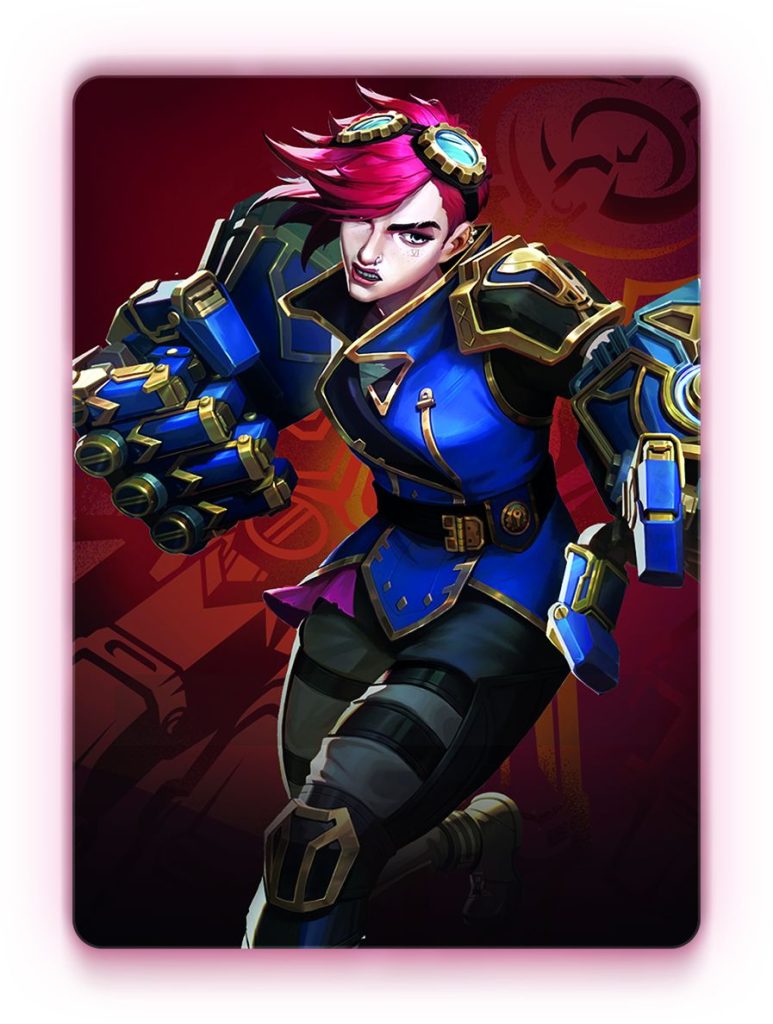
Vi Champion Deck: Aggression Refined: Vi, the Piltover Enforcer, is naturally suited for an aggressive playstyle, and her Unleashed deck fully embraces this identity. It’s described as "more straightforward to pilot and offering a more beginner-friendly core plan." This accessibility stems from a clear, proactive win condition: consistently attacking and applying pressure to the opponent. The deck excels with "explosive combat tricks" that enable rapid damage output and board control in short bursts. For new players, this direct approach minimizes complex sequencing decisions, allowing them to focus on fundamental TCG concepts. However, the article shrewdly points out its potential "downside": if the opponent manages to stabilize, the Vi deck "might run out of gas." This isn’t a flaw but a strategic nuance; it teaches players about resource management and the importance of timing their aggressive pushes. It reinforces the idea that even straightforward decks require thoughtful execution.
-
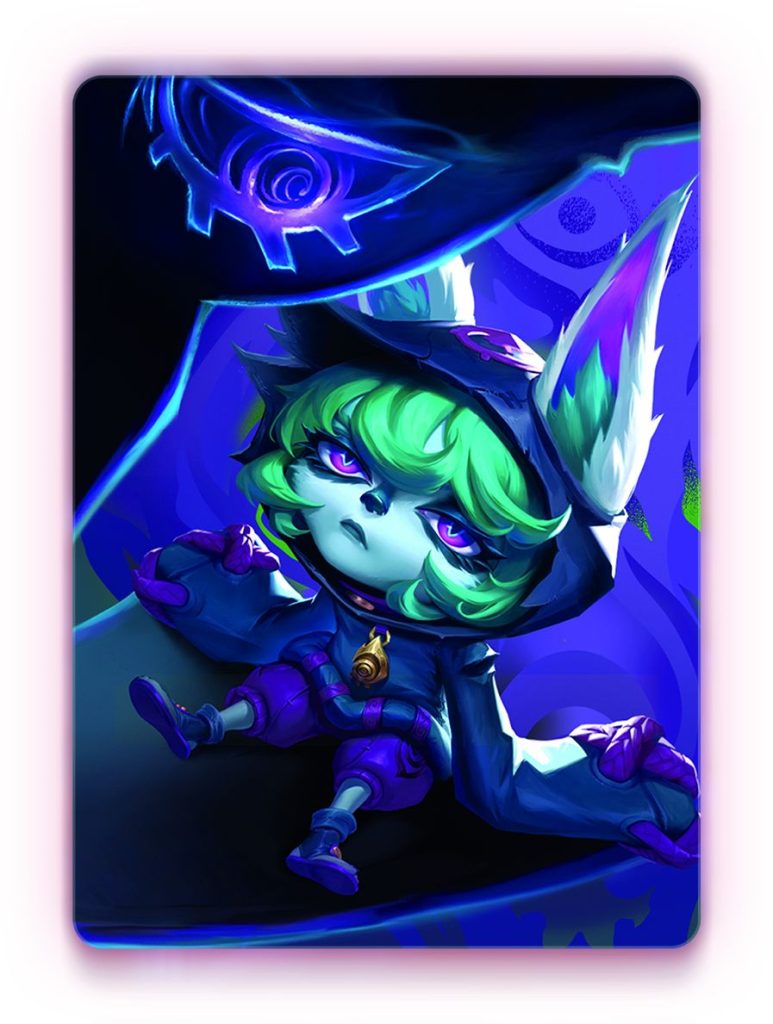
Vex Champion Deck: Strategic Depth Unveiled: Vex, the Gloomist, provides a stark contrast, appealing to players who relish "more depth and decision-making." This deck embodies a control archetype, focusing on "drawing more cards than your opponent, controlling the battlefield and reacting to events to disrupt them." Vex’s core mechanic revolves around holding battlefields – a key Riftbound concept – to "generate value and draw cards through Vex’s ability." This necessitates careful resource management, understanding opponent’s intentions, and making optimal sequencing decisions, which can be "harder to pilot" and prone to misplays for the uninitiated. However, the reward is a game rich in strategic possibilities, leading to "slower, more satisfying matches" where patience and calculated disruption often prevail. The fact that Vi’s aggression "slightly edges it" in direct matchups suggests a carefully balanced design, where different playstyles offer viable paths to victory, rather than one being inherently superior.
Addressing the Collector’s Dilemma: The Vault
One of the most innovative and player-centric additions in Riftbound: Unleashed is the "Vault." This product directly addresses a universal challenge faced by TCG players and collectors: storage. As the article rightly observes, "By set three of any trading card game, the issue of storage arises. And you’re going to want that storage to be as strong and robust as possible, given that trading cards can go for a lot of money these days." The reference to Logan Paul’s $16.5 million Pokémon Illustrator card, while an extreme example, serves to underscore the potential financial value inherent in trading card collections, making robust storage a practical necessity.
The Vault is essentially a "reusable card-storage box" that comes pre-loaded with substantial value. Inside, players will find six Riftbound: Unleashed booster packs, providing a significant boost to their collection, along with 36 basic runes (six of each type) essential for powering their decks. Three double-sided full-art tokens add aesthetic appeal and functional utility, while two dividers aid in card organization. The most significant aspect, however, is Riot Games’ commitment to making the Vault a "standard" product with future sets. This demonstrates a forward-thinking approach, recognizing the long-term needs of its player base and fostering a more organized and protected collecting experience. It’s a proactive measure that enhances the overall player experience, moving beyond just gameplay to encompass the practicalities of TCG ownership.

Official Responses: Riot’s Vision Unveiled
Riot’s Evolving Vision for Riftbound
While the article doesn’t contain direct quotes from Riot Games officials, the product itself, Riftbound: Unleashed, serves as a powerful official statement on the company’s evolving vision for the game. The "sharper design philosophy" and the sense that the game "trusts its audience to handle complexity and strategic depth without sacrificing accessibility" are clear indicators of Riot’s intent. This suggests a deliberate shift from a potentially cautious initial approach to a more confident embrace of sophisticated gameplay mechanics. The Vex Champion Deck, with its emphasis on control and value, directly reflects this willingness to "lean directly into" these more complex strategies, rather than "play cautiously around ideas." This evolution signals that Riot views Riftbound not just as a casual tie-in, but as a serious contender within the TCG genre, capable of offering nuanced strategic experiences.
Commitment to the Player Base
The stabilization of card availability and the introduction of the Vault can be interpreted as Riot’s direct, official response to the significant pain points experienced by players during Riftbound‘s initial launch. The early scarcity and inflated secondary market prices were undoubtedly a major frustration. By ensuring better product distribution and offering a dedicated, value-added storage solution like the Vault, Riot is demonstrably investing in the long-term health of the game and, crucially, in its relationship with its player base. This commitment to addressing community concerns is a strong official message that Riot is listening and dedicated to providing a fair and accessible experience for all Riftbound enthusiasts. It goes beyond mere content updates to address fundamental aspects of the TCG ecosystem.
Designer’s Perspective: Nikolaus Davidson’s Craft
Attributed to designer Nikolaus Davidson, the refined balance and distinct identities of the Vi and Vex Champion Decks speak volumes about the game’s design principles. The deliberate crafting of Vi’s deck to fully commit to aggression and battlefield pressure, ensuring "every turn feels purposeful and every attack matters," indicates a clear understanding of its intended playstyle. Similarly, the Vex deck’s focus on a higher skill ceiling, rewarding "patience and battlefield control," showcases a thoughtful approach to catering to different player preferences. This deliberate design, which avoids "awkwardly splitting its identity between tempo and value generation," suggests a cohesive vision for how each champion should feel and play, a hallmark of strong game design. Unleashed effectively communicates Davidson’s and Riot’s refined understanding of what makes Riftbound unique and compelling.

Implications: The Road Ahead for Riftbound
The Future of Riftbound
Riftbound: Unleashed has profound implications for the game’s longevity and standing in the competitive TCG market. By addressing past issues, refining gameplay, and introducing player-centric products like the Vault, Riot Games has laid a solid foundation for sustained growth. This expansion signals that Riftbound is not a fleeting venture but a serious, long-term commitment. The "Must Play" recommendation and the assertion that the game has "levelled up, living up to the name Unleashed," strongly suggest that future expansions will continue this trajectory of refinement and innovation. Players can anticipate a consistent flow of new content, robust community support, and an ever-evolving meta-game, cementing Riftbound‘s place as a significant player in the physical TCG space.
Riot Games’ Broader TCG Strategy
The success and evolution of Riftbound also provide insight into Riot Games’ broader strategy within the TCG genre. While Legends of Runeterra serves as their digital League of Legends TCG, Riftbound carves out a distinct niche in the physical market. This dual approach allows Riot to cater to different player preferences – those who enjoy the convenience and accessibility of digital play, and those who cherish the tactile experience of physical cards, deck construction, and face-to-face interaction. It reinforces Riot’s strategy of expanding the League of Legends universe across multiple mediums, creating a comprehensive ecosystem where fans can engage with the IP in diverse and meaningful ways. This diversification strengthens the brand and maximizes its reach across various gaming segments.
Impact on the TCG Market
Riot Games’ entry into and maturation within the physical TCG market with Riftbound has notable implications for the industry as a whole. With its massive IP and considerable resources, Riot has the potential to challenge established giants like Magic: The Gathering and Pokémon. By actively listening to player feedback, addressing supply chain issues, and delivering a refined product, Riot is setting a high bar for product launches and post-launch support. This could drive innovation and force other publishers to reassess their own strategies for player engagement and product delivery. The introduction of the Vault, for example, could inspire similar comprehensive storage solutions from competitors, ultimately benefiting the entire TCG community.
Reinforcing the Recommendation
In conclusion, Riftbound: Unleashed is more than just an expansion; it’s a declaration. It’s Riot Games asserting Riftbound‘s rightful place as a sophisticated, well-supported trading card game. The confidence radiating from this release is infectious, making it not just a recommendation but a "Must Play" for anyone interested in a strategically deep yet accessible TCG experience. The game has truly "unleashed" its full potential, offering a compelling blend of aggressive thrill and tactical mastery, all while ensuring players can finally get their hands on the cards they desire and store them securely for years to come. The future for Riftbound looks exceptionally bright, and players can eagerly await what comes next from this evolving and increasingly impressive title.