The Mycelial Network of Myth: Tracing Herne the Hunter Through Folklore and Fiction
Folklore and ancient tales form a colossal, intricate web, much like the subterranean mycelial networks that underpin forests. This vast, living system quietly feeds and informs the diverse narratives that sprout above the surface, spreading its tendrils through human cultures and societies. Just as a walk in the forest might reveal the distinct forms of an English oak or a sessile oak, so too do we observe the unique stories and songs that emerge from our shared cultural commons. Yet, for those inclined to delve beneath the surface, the thrill lies in unearthing the interconnected threads of this folkloric mycelium, revealing the hidden kinships and profound influences that bind our myths.
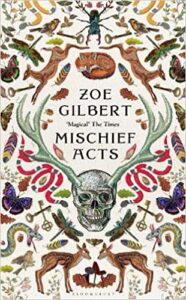
This intricate exploration forms the bedrock of author Zoe Gilbert’s latest novel, Mischief Acts, a work that plunges into the enduring enigma of Herne the Hunter. Gilbert’s research journey led her deep into this subterranean world of myth, uncovering a surprisingly tangled web surrounding a character often perceived as a peripheral figure. Herne, in many ways, embodies the nature of a mushroom: present if one seeks him out, yet rarely commanding the central spotlight in the vast diorama of woodland lore. For Gilbert and many other writers and readers, Herne has long lingered on the periphery of their folkloric vision, a shadowy figure appearing in the narratives of other, more prominent characters, until a dedicated search reveals his expansive influence.
Unearthing the Elusive Hunter: Herne’s Literary Trajectory
Herne the Hunter’s presence in English folklore is both ancient and elusive, a spectral figure often associated with Windsor Forest and the Wild Hunt. While his origins are debated, his appearances in literature have cemented his place in the collective imagination, illustrating the enduring power of myth to adapt and resurface across centuries.
The Genesis of a Legend
Herne’s most famous literary moment undoubtedly arrived with William Shakespeare’s The Merry Wives of Windsor. In this comedic play, Herne is invoked as a horned spirit, a phantom hunter haunting Windsor Forest, whose ghost is said to walk around an oak tree by night, blasting trees and cattle. This early depiction established a key characteristic: a supernatural entity linked to a specific natural landmark and possessing a malevolent or mischievous streak. While Shakespeare introduced Herne to a wider audience, it was William Harrison Ainsworth’s 1842 novel, Windsor Castle, that provided Herne with a more elaborate and tragic origin story. Ainsworth reimagined Herne as a royal forester who, after being disgraced and hanging himself from an oak tree, returns as a spectral hunter with antlers on his head, leading a phantom chase through the forest. This narrative significantly enriched Herne’s character, transforming him from a mere local ghost into a figure of greater pathos and mythic resonance.
Herne’s Modern Manifestations
Beyond these foundational texts, Herne has continued to manifest in diverse literary forms, showcasing his adaptability within the folkloric landscape. In John Masefield’s classic children’s novel, The Box of Delights, Herne appears as a wise, almost shamanic mentor figure to the young protagonist, Kay Harker. This portrayal shifts Herne from a purely menacing entity to one embodying ancient wisdom and guardianship, albeit still with an air of the uncanny.
Similarly, Susan Cooper’s renowned fantasy series, The Dark is Rising, features Herne in a more ominous guise, his "owl eyes" menacing the young hero, Will Stanton. Here, Herne serves as a powerful, ancient force, deeply embedded in the land and aligned with the primal energies of nature, often acting as a harbinger or agent of supernatural power. More recently, Nick Hayes’s The Book of Trespass sees Herne invoked as a symbol of ancient rights and the wild spirit of the land, as the author contemplates the act of breaking law to touch Herne’s Oak, an act imbued with symbolic defiance and connection to deep history.
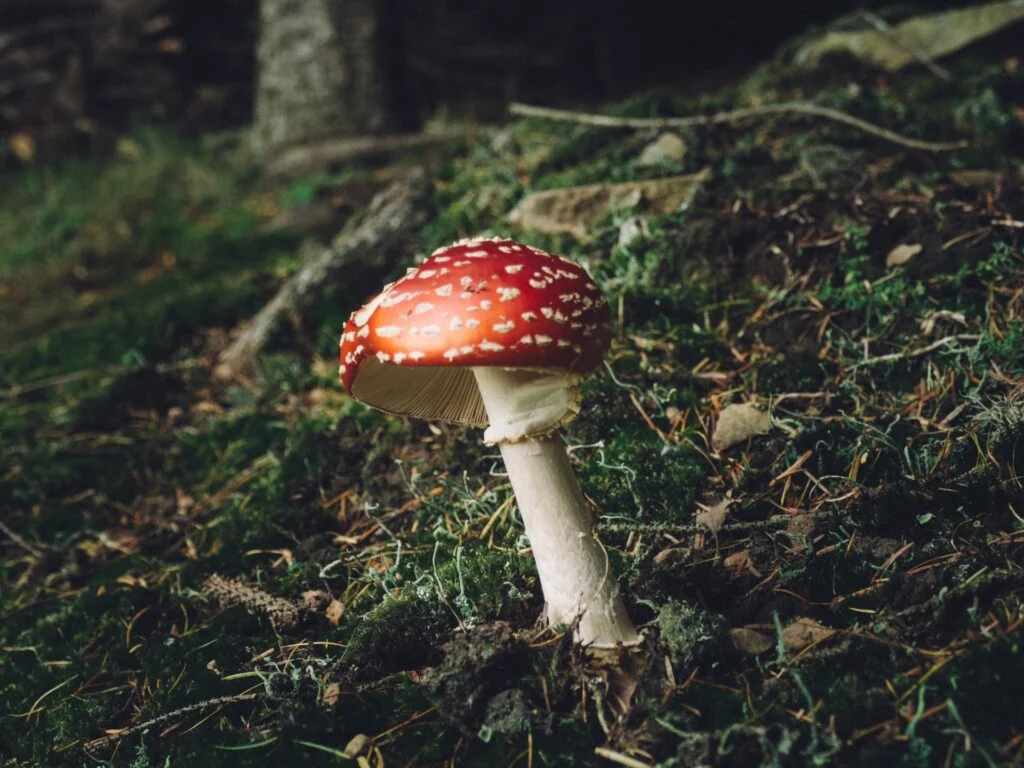
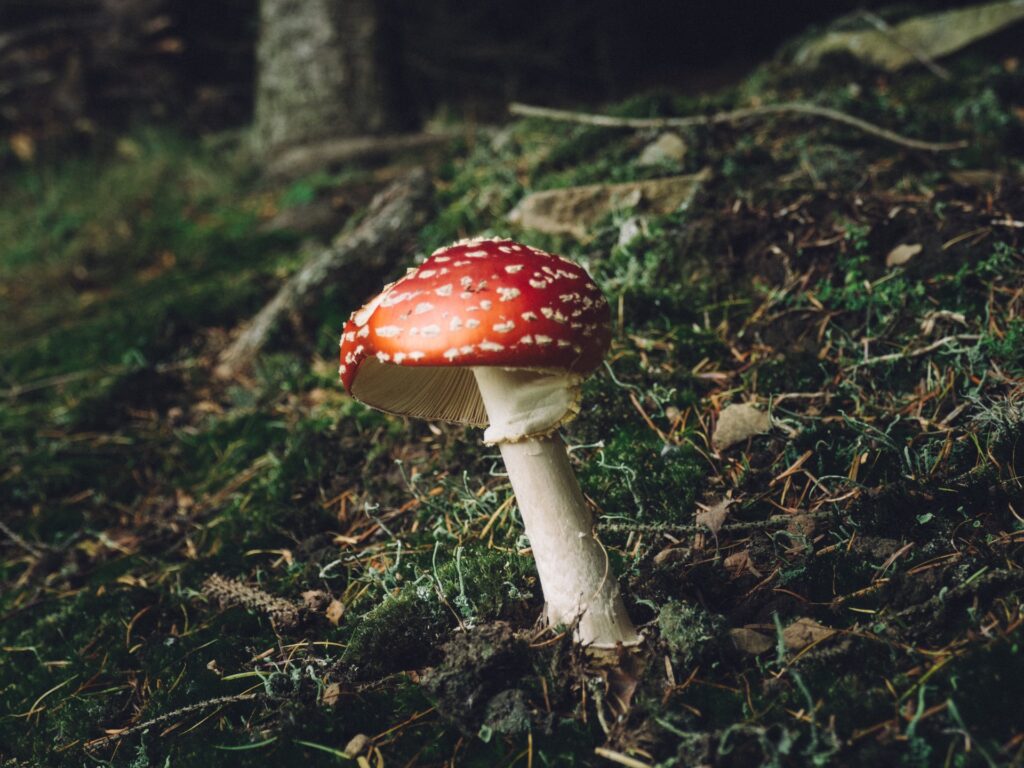
These varied appearances underscore Gilbert’s observation of Herne as a "mushroomy sort of character," never fully occupying the narrative’s centre stage but always present, a potent symbol that writers return to, much like the striking yet rarely dominant fly agaric mushroom that "courts the human footways but rarely sought to fill a whole foraging basket." He represents something primal, untamed, and deeply English, a spirit of the wild woods that resonates across different genres and eras.
The Mycelial Tapestry: Herne’s Kinships and Archetypal Echoes
Gilbert’s research for Mischief Acts extended beyond Herne’s direct literary lineage, revealing a sprawling network of connections that illuminated his profound archetypal significance. Like the proliferation of a mycelial network, her exploration unearthed a multitude of kinships, demonstrating how deeply Herne is interwoven into a broader tapestry of myth.
The Wild Hunt and its Many Faces
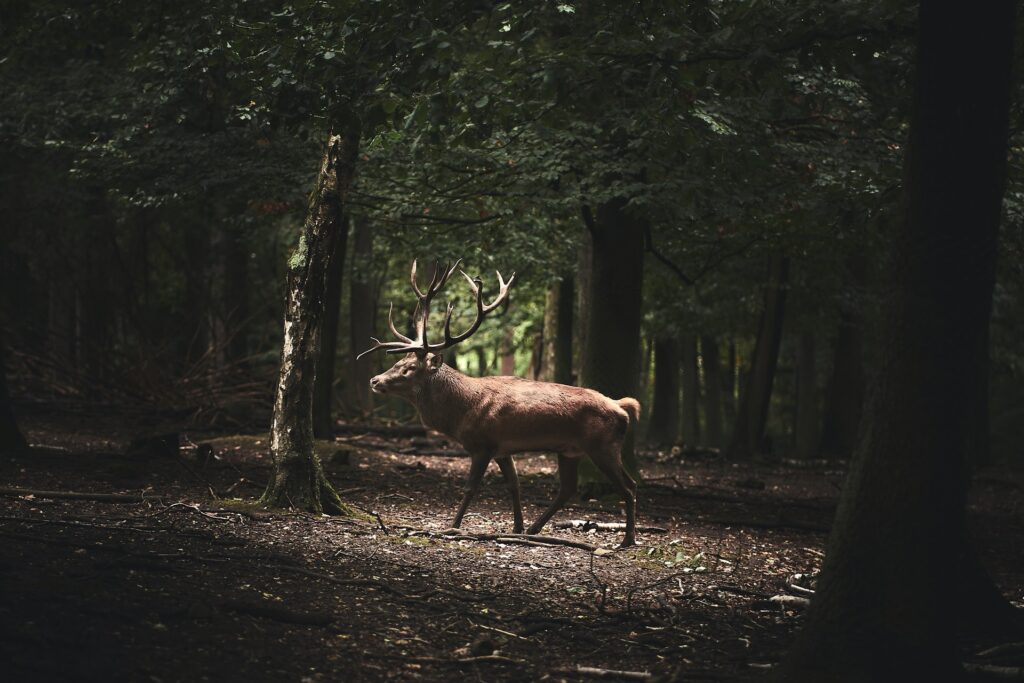
As anticipated, Herne’s ties to Odin, the Norse god who also famously hanged himself from a sacred tree and leads the spectral Wild Hunt, were among the first connections to emerge. Both figures represent powerful, often terrifying, forces of nature and the supernatural, leading ghostly cavalcades across the night sky. However, the network quickly expanded, revealing not just dozens of Wild Hunt leaders across European folklore—from the legendary King Herla to the Welsh psychopomp Gwynn ap Nudd—but also characters who had carved out their own distinct ecosystems of lore, yet shared undeniable thematic resonance with Herne.
Among these figures, the flamboyant Harlequin, known as Arlecchino in Italian commedia dell’arte, emerged in his distinctive diamond-patterned finery. While seemingly disparate, Harlequin embodies mischief, transgression, and a certain anarchic spirit that echoes Herne’s wildness. The looming figure of the Erl-king, a malevolent fairy king from German folklore who lures children to their doom, shared Herne’s woodland dominion and an aura of supernatural danger. The Green Man, with his leafy grin, represented the embodiment of nature’s untamed vitality and cyclical renewal, a spirit of the wood to which Herne’s wild essence is inextricably linked.
Psychopomps, Tricksters, and Spirits of Bacchanal
The discovery of these interconnected figures revealed a spectrum of archetypes: not only psychopomps guiding souls to the afterlife and cursed ghosts haunting the living, but also entertainers, mischief-makers, and spirits of bacchanal revelry. Each thread pulled led Gilbert deeper into diverse cultural realms: into the shimmering realm of Fairyland, the annals of Tudor history, or the rich narratives of Roman mythology.
From these varied explorations emerged figures like Oberon, the king of the fairies; Robin Goodfellow (Puck), the quintessential mischievous sprite; the wild, shaggy Woodwose (or wild man of the woods); and the Lord of Misrule, who presided over festive inversions of social order. This sprawling "familia herlechini," as Gilbert aptly describes it, was not merely widespread but also inherently unruly, defying easy categorization and demonstrating the fluid, adaptable nature of these archetypes. They collectively embody themes of life, death, freedom, lust, wildness, and, crucially, mischief—a powerful symbolic nexus found at the heart of Herne’s identity.
Cernunnos and the Horned God Motif
Perhaps the ultimate horned god in this vast network is Cernunnos, an ancient Celtic deity associated with animals, fertility, and the underworld, who holds a special place in contemporary Pagan and Wiccan practices. It would be tempting to place Cernunnos at the absolute centre of this "wood-wide web," his horns intricately knotted with mycelial threads. However, Gilbert observes that such a simplistic solution doesn’t fully capture the complex, rascally, and often contradictory nature of Herne and his kin. The sheer range of forms and territories these figures occupy—from King Herla riding through the Herefordshire sky to Arlecchino gracing stages across Italy—speaks to a more diffuse, yet equally powerful, network. Their wildness and mischief, Gilbert concludes, seem to erupt precisely "wherever and whenever people needed it," highlighting the universal human need for these archetypal expressions.
Authorial Intervention: Transplanting Myth in a Modern Landscape
The recognition of this sprawling, mycorrhizal network across space and time—the secret source from which countless tales sprout precisely when and where they are needed—provided Zoe Gilbert with a crucial "permission for another bit of digging." This artistic liberty allowed her to take her trowel to Herne and, in a bold creative act, transplant him from his traditional Windsor haunt to the less conventional setting of the Great North Wood.
The Genius Loci and Urban Wildness
The Great North Wood, now fragmented into scattered remnants across South London, including the well-known Sydenham & Dulwich Woods, became the new stage for Herne’s exploits in Mischief Acts. Gilbert, living adjacent to this "slender, seductive strip of woodland," recognized its profound genius loci, or protective spirit. Historically, this wood has been home to charcoal burners, famous gypsies, eccentric hermits, and even a man named Solomon, who received mail addressed to a tree. The enduring human connection to, and habitation within, this urban wild space suggested a fertile ground for an ancient spirit.
The question for Gilbert was whether Herne the Hunter, a figure so deeply rooted in the aristocratic hunting grounds of Windsor, would "come along for the ride" to defend a more prosaic, yet equally cherished, urban wood. This artistic decision highlights a central tension in Gilbert’s approach to folklore: the inherent rootedness of local lore to specific landscapes, which she believes can "reconnect us with landscapes, even re-enchant us," versus the universal human need for mischief, transgression, and wildness in both landscape and soul.
Herne’s Enduring Relevance
For Gilbert, Herne the Hunter—along with his many likenesses—represents this universal need. His essence as the wildman, the spirit of the forest, the hooligan, and the trickster transcends specific geography. He emerges "wherever civilisation lapses, as it does where the town gives way to the wood." This perspective allowed Gilbert to confidently borrow Herne and task him with defending a beloved modern woodland, imbuing it with ancient power and meaning. It’s a testament to the adaptability of folklore, demonstrating that these ancient narratives are not static relics but living, breathing entities capable of being recontextualized and re-enchanted in contemporary settings.
Implications: The Symbiotic Renewal of Story
The journey through Herne the Hunter’s complex folkloric web underscores a profound truth about the nature of storytelling: fiction has always played a vital role in extending and morphing folklore, even as lore itself continuously feeds fiction. This symbiotic relationship ensures the perpetual renewal of stories, much like the dynamic ecosystem of a forest.
Folklore in the Modern Age
In an increasingly urbanized and technologically advanced world, the enduring power of figures like Herne speaks to a deep-seated human need for connection to the wild, the mysterious, and the transgressive. These archetypes provide a language for expressing universal aspects of the human condition—our desires for freedom, our fascination with danger, our inherent capacity for mischief. By reimagining and transplanting these figures, contemporary authors like Zoe Gilbert not only preserve ancient narratives but also make them relevant and resonant for new generations, allowing them to speak to modern anxieties and aspirations.
The "forest of stories" is, therefore, forever renewing itself. Near the striking fly agaric, other folkloric "mushrooms" like the velvet shank and amethyst deceivers wait quietly, ready to be discovered and reinterpreted. Just as beech mast sprouts into new saplings and wood anemones expand their territory, so too do new narratives emerge, drawing sustenance from the vast, unseen web of folklore beneath them.

Zoe Gilbert’s Mischief Acts serves as a powerful example of this ongoing process. By tracing Herne’s multifaceted identity and re-envisioning him within a modern urban context, Gilbert not only offers a compelling narrative but also actively participates in the ancient tradition of folkloric adaptation. Her novel, described as "dangerous, sexy, troubling, daring, savage," and an "exhilarating race through time and space," exemplifies how British folklore can be presented in a fresh, intoxicating, and chameleonic voice, weaving together the ancient and the contemporary. Similarly, her earlier novel, Folk, with its exploration of a remote island community inseparable from nature’s enchantments, further solidifies her contribution to expanding and enriching the landscape of modern folklore-inspired fiction.
This continuous interplay ensures that the edges of Herne the Hunter’s folkloric web, like the true mycorrhizal network beneath our feet, will never be fully discovered. It remains an ever-expanding, ever-informing system, vital to the cultural health and imaginative fertility of human society. The wild, untamed spirit of Herne, whether haunting ancient forests or urban woodlands, reminds us that the need for transgression and connection to the primal forces of nature is as potent and necessary today as it ever was.