The Tehran Conference: Forging a Grand Alliance Amidst Shifting Tides and Emerging Tensions
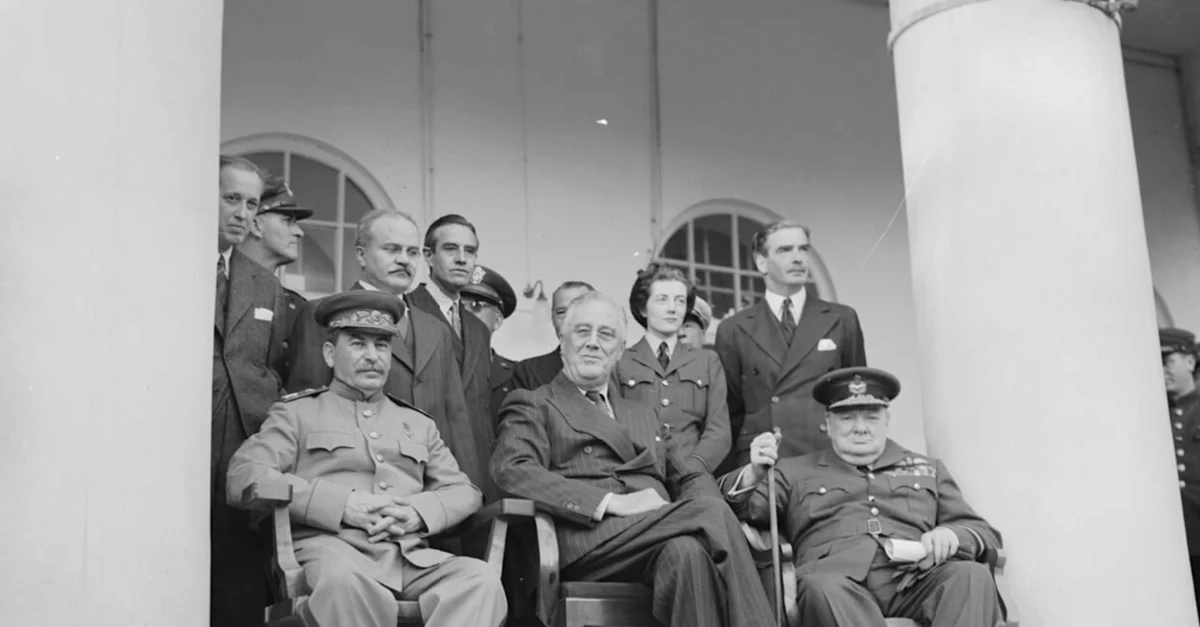
Tehran, Iran – December 1, 1943 – In a pivotal moment of World War II, the leaders of the Allied powers – U.S. President Franklin D. Roosevelt, Soviet Premier Joseph Stalin, and British Prime Minister Winston Churchill – concluded the Tehran Conference, code-named "Eureka." This historic four-day meeting, held from November 28 to December 1, 1943, marked the first time "the Big Three" convened together to strategize the war against Nazi Germany and Imperial Japan and to begin charting the course for a post-war world. Far more than a mere military summit, the conference laid the foundational, albeit often contentious, groundwork for the Grand Alliance’s final victory and inadvertently sowed the initial seeds of the Cold War.
Main Facts: A Convergence of Power and Purpose
The Tehran Conference represented a critical juncture in the global conflict. With the Axis powers showing signs of faltering, the Allied leaders gathered in the Iranian capital with pressing objectives:
- Military Coordination: To finalize plans for a decisive Western Front invasion of Europe, alleviating the immense pressure on the Soviet Union’s Eastern Front.
- Post-War Architecture: To initiate discussions on the political landscape of a defeated Germany and the future control of Central and Eastern Europe.
- Global Strategy: To coordinate efforts against Japan and to lay the conceptual groundwork for a new international peacekeeping organization.
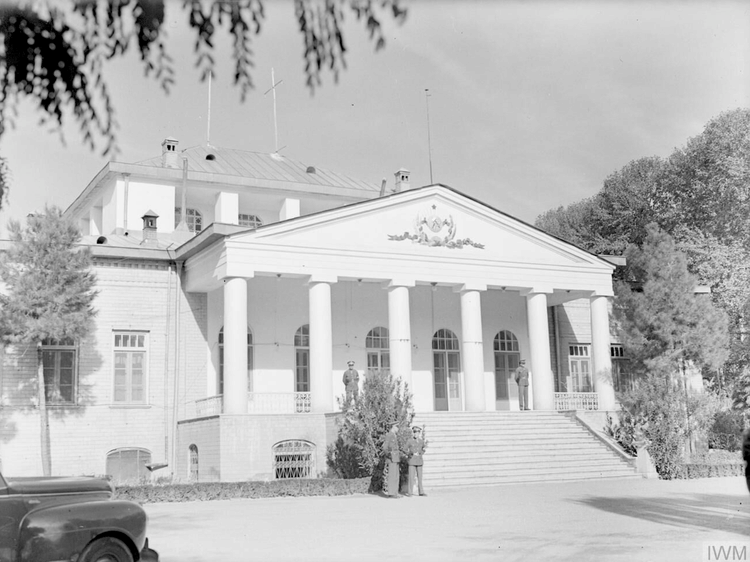
Held within the secure confines of the Soviet Embassy in Tehran, the conference was a complex interplay of military strategy, diplomatic maneuvering, and the clashing personalities and geopolitical ambitions of the three most powerful figures on the Allied side. It was a testament to the urgency of the war that such disparate leaders, representing vastly different ideologies, were brought together to forge a common path towards victory. The agreements reached, and the tensions exposed, would profoundly influence the war’s conclusion and the subsequent decades of international relations.
Chronology: From Desperation to Decisive Action
Pre-Conference Context: The Shifting Tides of War (1941-1943)
By late 1943, the tide of World War II was irrevocably turning against the Axis powers, though victory remained a costly and distant prospect. Germany, after its initial blitzkrieg successes and the vast territorial gains of Operation Barbarossa in 1941, was now bleeding profusely on the Eastern Front. The Soviet Union had borne the brunt of the Nazi war machine, suffering catastrophic casualties but also delivering devastating blows. The epic Battle of Stalingrad (August 1942 – February 1943) had annihilated Germany’s Sixth Army, marking a strategic turning point. This was followed by another crushing defeat at the Battle of Kursk (July – August 1943), the largest tank battle in history, which effectively stripped Germany of its offensive capabilities in the East.
In North Africa, Italian forces had been routed, and despite the intervention of Germany’s elite Afrika Korps, the British Commonwealth forces, under General Bernard Montgomery, achieved a decisive victory at the Second Battle of El Alamein in November 1942. This paved the way for the Anglo-American invasion of French North Africa (Operation Torch) and subsequently the invasion of Sicily and mainland Italy in July and September 1943, leading to the collapse of Mussolini’s government.
Across the globe, Japan’s surprise attack on Pearl Harbor in December 1941 had brought the United States into the war, transforming it into a truly global conflict. While the Pacific War was ongoing, Allied forces were making steady gains in Southeast Asia, including the initial stages of an invasion of Burma (Myanmar). The combined military and industrial might of the United States, alongside the resilience of Britain and the Soviet Union, fostered a growing confidence among the Allies that ultimate victory was assured. This confidence allowed the leaders to look beyond immediate military concerns and begin grappling with the shape of the post-war world.
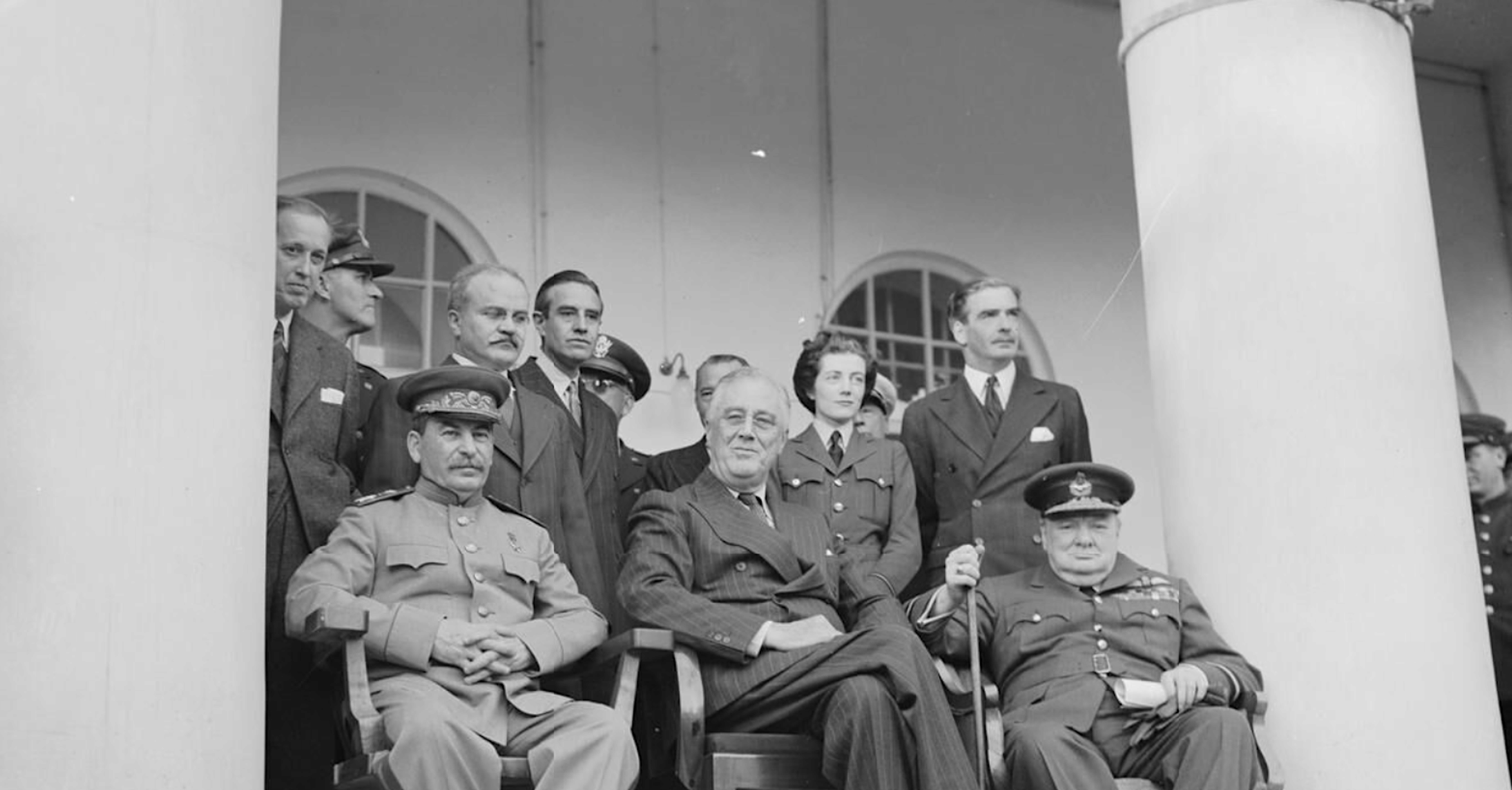
Before Tehran, Roosevelt and Churchill had met at the Casablanca Conference in January 1943, and again in Cairo just days before the Tehran summit, to align their strategies. Churchill had also made a difficult visit to Moscow to meet Stalin in 1942. However, the Tehran Conference was unique, marking the first time all three principal Allied leaders were in the same room, a moment of immense symbolic and strategic significance.
The Tehran Agenda: Setting the Stage (November 28 – December 1, 1943)
The conference itself was characterized by a blend of formal negotiations and informal interactions designed to foster camaraderie, or at least minimize friction. President Roosevelt, hoping to bridge the ideological chasm with Stalin and avoid a united Anglo-American front that might isolate the Soviet leader, strategically accepted Stalin’s offer to stay at the heavily guarded Soviet Embassy. This decision, while perhaps intended to charm Stalin and influence his thinking, inadvertently created a perception among the British delegation that Roosevelt was aligning more closely with the Soviets, much to Churchill’s chagrin.
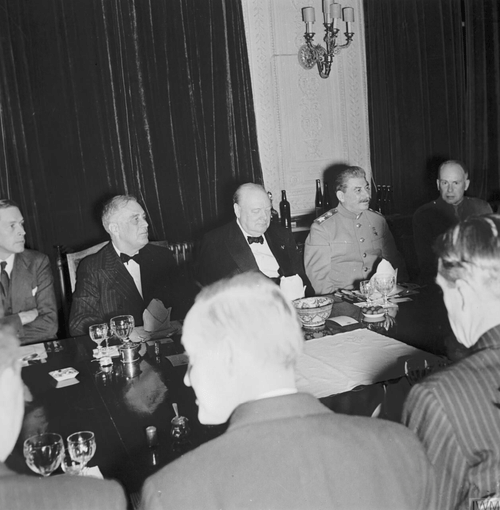
The diplomatic atmosphere, though tense beneath the surface, was punctuated by gestures of goodwill. A highlight was the dinner hosted on November 30 to celebrate Winston Churchill’s 69th birthday, where he was presented with a Persian lamb’s wool hat. More significantly, the day before, Stalin received the ceremonial Sword of Stalingrad, a magnificent jewel-encrusted longsword commissioned by King George VI of Great Britain. Engraved with the inscription: "To the steel-hearted citizens of Stalingrad, the gift of King George VI, in token of the homage of the British people," the sword was a powerful symbol of Allied admiration for the Soviet Union’s immense sacrifice and resilience. These moments, while outwardly cordial, masked profound disagreements and competing visions for the post-war order.
Supporting Data and Key Decisions: Charting the Path to Victory and Beyond
Forging the ‘Second Front’: Operation Overlord
The most immediate and critical item on the agenda was the establishment of a "Second Front" in Western Europe. Since 1941, Stalin had relentlessly pressed for an Anglo-American invasion of France, arguing that it was the only way to relieve the crushing pressure on the Eastern Front, where millions of Soviet soldiers and civilians had perished. He saw the delay in opening a Western Front as a deliberate tactic by the capitalist West to bleed the Soviet Union dry.
The Western Allies, while committed to an invasion, were acutely aware of the logistical complexities and the immense human cost of an amphibious assault on German-fortified Europe. They insisted on meticulous planning and overwhelming force to ensure success. At Tehran, Stalin’s demands were met with a firm commitment. The main invasion, code-named Operation Overlord, was slated for May 1944 (though it would ultimately be delayed until June 6, 1944 – D-Day). This monumental undertaking would see Allied forces land in Normandy, France. To complement this, a secondary invasion would be launched simultaneously from the Mediterranean, striking through southern France (Operation Dragoon).
Winston Churchill, ever mindful of British imperial interests and perhaps wary of a direct, costly frontal assault, advocated for a third point of attack, pushing deeper into German-occupied northern Italy and extending operations across the wider Mediterranean. He envisioned a "soft underbelly" approach, arguing that it would draw German forces away from the main fronts. However, both Stalin and Roosevelt firmly rejected this proposal, believing it would dilute resources and weaken the primary focus on France, which they deemed essential for a swift and decisive victory. To further confound German intelligence, all three allies agreed to collaborate on elaborate deception plans, designed to mislead the enemy about the timing and location of the actual landings. The crucial decision of who would serve as the Supreme Commander of Operation Overlord was, however, deferred to a future conference.
Shaping the Post-War Order: Germany and Eastern Europe
Beyond immediate military strategy, the "Big Three" began to wrestle with the intricate and highly sensitive questions of the post-war world, particularly the fate of Germany and the geopolitical landscape of Central and Eastern Europe.
Regarding Germany, there was a shared consensus that the nation must be prevented from initiating another global conflict. However, the specifics of how to achieve this sparked considerable debate. Stalin favored breaking Germany into its constituent states, a harsh measure aimed at permanently crippling its military potential. Churchill proposed a north-south division, while Roosevelt leaned towards keeping Germany whole but subjecting its vital industries and economy to joint Allied governance. The objective was to avoid the punitive mistakes of the Treaty of Versailles, which many believed had inadvertently fueled German resentment and the rise of Nazism, and instead forge a lasting peace that transcended the fleeting pause between two world wars. It was agreed that Austria, forcibly annexed by Germany in the 1938 Anschluss, would have its independence restored, and Germany would be compelled to pay reparations for the devastation it had inflicted.
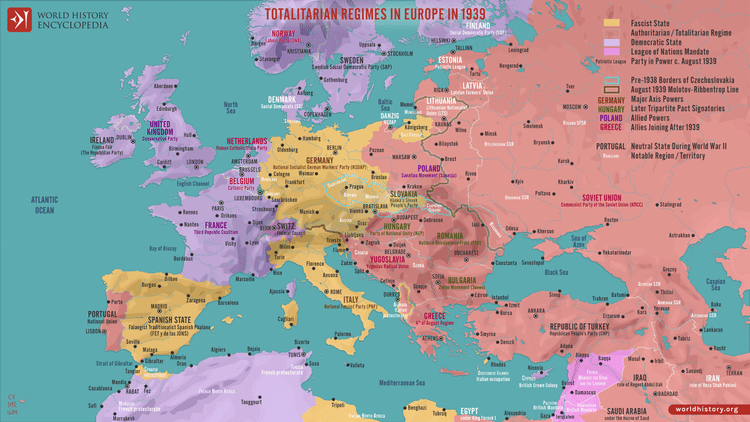
The "Polish Problem" emerged as a major flashpoint, revealing the profound ideological and territorial chasms between the Western Allies and the Soviet Union. Stalin was unyielding in his demand to retain the territories allocated to the USSR under the infamous 1939 Nazi-Soviet Pact, including vast swathes of eastern Poland. He also sought access to the Baltic Sea via East Prussia, effectively asserting Soviet control over much of Eastern and Central Europe. Roosevelt and Churchill hoped that the course of the war might temper these claims, but they were acutely aware that if the Red Army occupied these territories before the Western Allies arrived, there would be little leverage to challenge Stalin’s assertions.
Stalin’s refusal to recognize the Polish government-in-exile in London, which he accused of anti-Soviet propaganda, further complicated matters. This intransigence foreshadowed the Soviet imposition of a communist government in Poland after the war. The Western Allies, while unable to fully resist Stalin’s territorial ambitions, agreed that Poland could be compensated for its eastern losses by extending its western border at the expense of a defeated Germany. This ‘shifting’ of Poland westwards became a cornerstone of post-war territorial adjustments, a stark illustration of the principle of power politics at play.
Other regional issues were also addressed. The Allies agreed to support the communist partisans led by Josip Broz Tito in Yugoslavia, recognizing their effective resistance against Axis occupation. Discussions also touched upon how to persuade Turkey to join the war on the Allied side, further pressuring Germany from the south.
Global Strategy: Japan and International Cooperation
On the global front, Stalin made a crucial commitment: the Soviet Union would declare war on Japan once Germany was decisively defeated in Europe. This promise, highly sought after by Roosevelt, underscored the comprehensive nature of the Allied war effort.
Another significant outcome was the declaration regarding Iran, then occupied by Allied forces. The "Declaration of the Three Powers Regarding Iran" affirmed Iran’s independence, sovereignty, and territorial integrity, promising economic assistance and stating that the Allies would withdraw their troops once the war ended.
Crucially, the conference also saw Roosevelt successfully advocating for the establishment of a post-war international peacekeeping organization. Building on the spirit of the January 1942 ‘United Nations Declaration,’ signed by the USSR, Britain, the USA, and China, this initiative aimed to prevent future global conflicts. While the specifics were vague, the commitment laid the groundwork for the eventual formation of the United Nations.
Official Responses and Diplomatic Dynamics: A Triumvirate of Distrust and Necessity
The ‘Big Three’ Personalities and Power Plays
The Tehran Conference was as much a clash of personalities and political ideologies as it was a strategic summit. Franklin D. Roosevelt, a seasoned politician and idealist, believed he could "charm" Stalin, bridging the ideological divide through personal diplomacy. His decision to stay at the Soviet Embassy was part of this strategy, intended to foster trust and direct communication. However, this move unintentionally isolated Churchill, who felt sidelined and suspicious of Soviet intentions. The Imperial War Museums noted Churchill’s recollections: "The British Prime Minister recalled, in his own memoirs, how he felt obliged to seek a private interview with Stalin to complain that Roosevelt now seemed to be avoiding him, and to counteract what he saw as the Soviet leader’s attempts to split the Anglo-US alliance by exploiting Roosevelt’s goodwill and what many regarded as a naïve idealism in his approach to world affairs."
Joseph Stalin, the shrewd and ruthless leader of the Soviet Union, proved to be a "wily negotiator." His choice of the Soviet Embassy as the conference venue provided both security and an undeniable intelligence advantage, allowing his delegation to monitor the movements and communications of the other delegations. Stalin’s focus remained singularly on securing Soviet interests: a decisive second front, territorial gains in Eastern Europe, and reparations from Germany. He masterfully exploited any perceived divisions between Roosevelt and Churchill to advance his agenda.
Winston Churchill, the veteran statesman and staunch anti-communist, harbored deep suspicions about Soviet post-war intentions, particularly concerning Eastern Europe. He championed the British Empire’s interests and sought to limit Soviet expansion. His frustration at feeling excluded from direct bilateral talks between Roosevelt and Stalin was palpable, reflecting the underlying tension within the Grand Alliance, which was united by the common enemy but divided by fundamental geopolitical and ideological differences.
Initial Reception and Immediate Outcomes
Publicly, the conference was hailed as a resounding success, a testament to Allied unity and resolve. The "Declaration of the Three Powers," issued at the conclusion, affirmed their determination to achieve victory and forge a lasting peace. It spoke of their "unshakeable determination that our nations shall work together in war and in the peace that will follow."
In practical terms, the commitment to Operation Overlord was the most significant immediate outcome, solidifying the timing and location of the Western Front. Stalin’s pledge to join the war against Japan was also a crucial gain. However, beneath the surface of cooperation, significant compromises were made, particularly regarding Eastern Europe, which would have profound and lasting implications. The conference revealed that while the Allies could agree on how to win the war, their visions for the peace were diverging sharply.
Implications and Legacy: From Grand Alliance to Cold War
Direct Impact on the War’s Progression
The Tehran Conference was instrumental in shaping the final stages of World War II. The commitment to Operation Overlord was a watershed moment, directly leading to the D-Day landings in June 1944. This coordinated two-front strategy – with Soviet forces launching a massive offensive (Operation Bagration) in the East simultaneously – ultimately overwhelmed the German Wehrmacht and accelerated the collapse of the Third Reich. The conference cemented the Grand Alliance’s strategic alignment, ensuring that despite internal frictions, the three major powers remained focused on the destruction of the Axis. The agreements on Turkey, Yugoslavia, and Iran also played roles in stabilizing regional fronts and preparing for the post-war order.
Seeds of the Cold War
While celebrated as a wartime triumph, the Tehran Conference is often viewed by historians as the earliest discernible moment where the seeds of the Cold War were sown. The "Polish Question" was a stark precursor to the division of Europe. Stalin’s insistence on retaining territory seized under the Nazi-Soviet Pact and his unilateral vision for Poland’s government highlighted Soviet expansionist ambitions and a willingness to disregard the self-determination of nations. Roosevelt’s unfulfilled ambition to sway Stalin, and Churchill’s anxieties about Soviet influence, underscored the growing ideological chasm.
The conference underscored the reality that the Red Army’s relentless advance was the primary determinant of post-war influence in Eastern Europe. By the time of Tehran, Soviet military might was already establishing facts on the ground that Western diplomacy struggled to counter. The divergent post-war visions for Germany and Eastern Europe, though papered over with vague declarations, would resurface with vengeance in subsequent conferences and ultimately define the geopolitical landscape for decades.
The Road to Yalta and Potsdam
Tehran was not the end, but the beginning of the "Big Three" negotiations on the post-war world. The unresolved issues, particularly those concerning Germany and Eastern Europe, would dominate the agendas of two subsequent, equally pivotal conferences in 1945.
At the Yalta Conference in February 1945, with victory in Europe imminent, Roosevelt, Churchill, and Stalin met again. They agreed to divide Germany and Austria into four zones of occupation and similarly partition their capitals, Berlin and Vienna. New borders for Poland were finalized, shifting its western frontier at Germany’s expense, but Stalin’s promise to hold free and fair elections in Poland was never fulfilled. A crucial deal was struck where the USSR agreed to enter the war against Japan in exchange for territorial concessions in Asia. Many observers later criticized Roosevelt and Churchill for "giving away" Eastern Europe at Yalta, but the reality was that the Red Army’s physical occupation of the region left few viable alternatives.
The final meeting, the Potsdam Conference, held from July to August 1945, saw a changed cast. With Roosevelt’s death, Harry S. Truman represented the United States, and Clement Attlee replaced Churchill mid-conference after a British general election. With Europe now liberated, the focus shifted to implementing earlier agreements and issuing a surrender ultimatum to Japan (the Potsdam Declaration). This ultimatum, ignored by Japan, was followed by the atomic bombings of Hiroshima and Nagasaki, leading to Japan’s surrender on August 14. While all parties at Potsdam had nominally agreed to democratic elections in formerly Nazi-occupied countries, the deepening mutual suspicion between East and West, particularly over the fate of Eastern Europe, ensured that this commitment would not be universally honored. The lines of division were hardening, and the Cold War, characterized by ideological conflict and proxy struggles, had already begun its long and chilling reign. The Tehran Conference, for all its wartime necessity and strategic successes, was ultimately the first act in this new global drama.