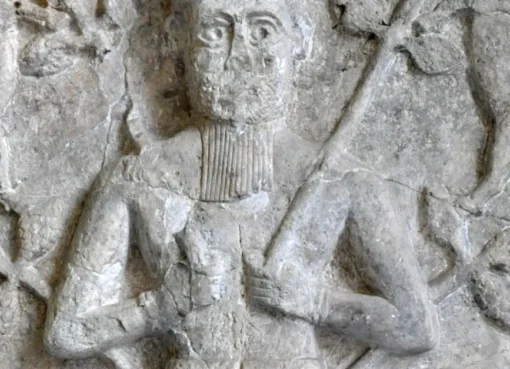
Reappraising the Hyksos: Architects of Change, Misunderstood by History
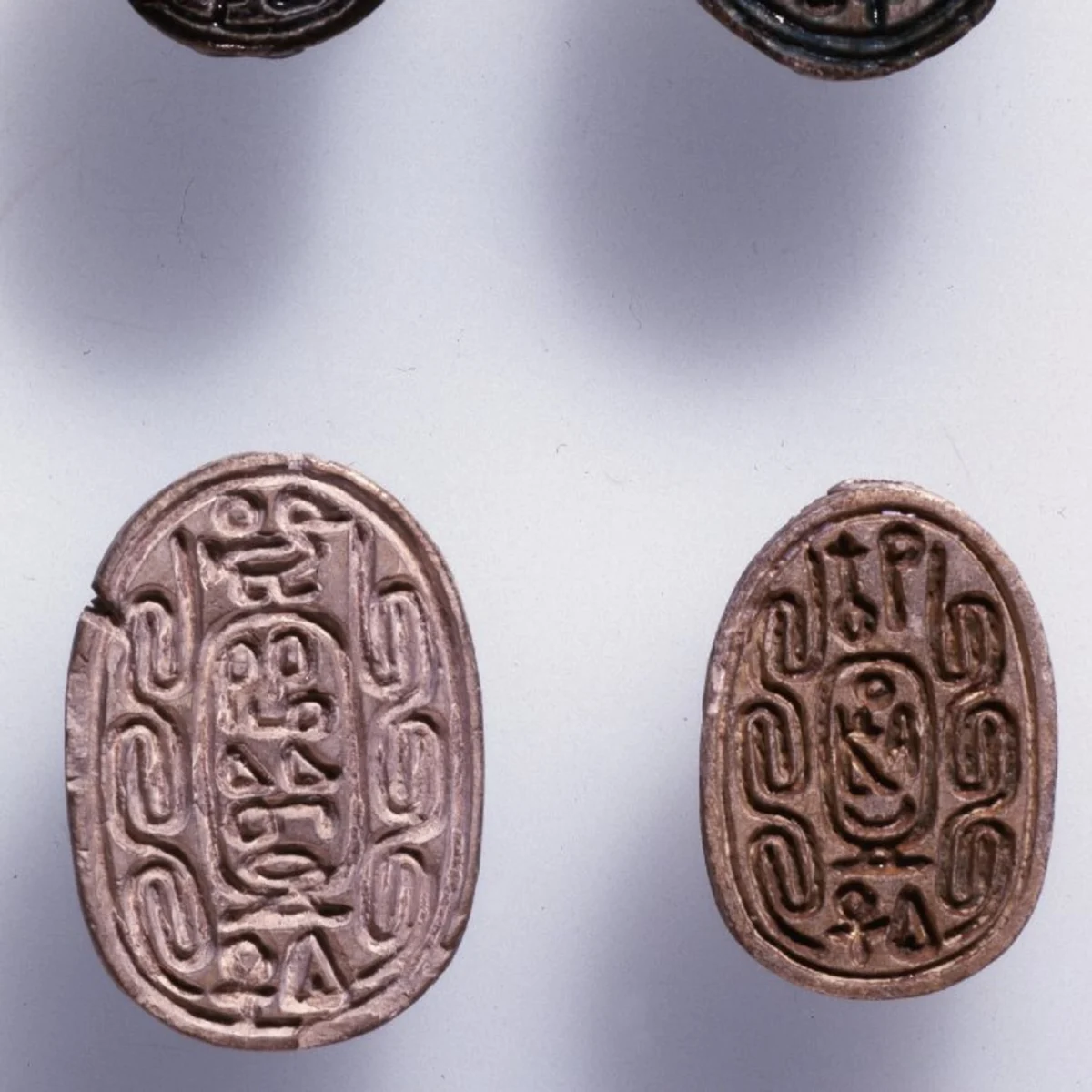
The conventional narrative of ancient Egypt often portrays the Hyksos as brutal invaders who shattered the Middle Kingdom’s tranquility, ushering in an era of chaos before being heroically expelled. However, modern archaeological and historical scholarship increasingly challenges this simplistic view, revealing a more nuanced story of cultural exchange, gradual assimilation, and profound innovation. Far from being mere disruptors, these "Rulers of Foreign Lands" inadvertently laid the groundwork for Egypt’s most glorious imperial age, the New Kingdom.
The Hyksos, a West Semitic-speaking people, established a significant foothold in Lower Egypt around 1782 BCE, making the bustling port city of Avaris their capital. This period marks the beginning of the Second Intermediate Period (circa 1782 to circa 1570 BCE), a complex era often mischaracterized as one of unmitigated decline. While later Egyptian scribes, particularly those of the ascendant New Kingdom, would vehemently demonize the Hyksos, painting them as destructive conquerors, their true legacy is far more transformative. Without the innovations they introduced, the very foundation of the powerful Egyptian Empire that followed might never have been laid.
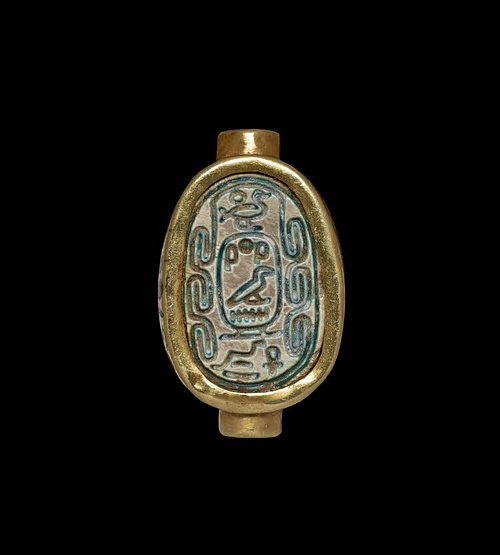
Their name, Heqau-khasut, which translates as "Rulers of Foreign Lands," was later Hellenized by the Greeks into Hyksos. This designation initially led some scholars to speculate that they were exiled kings or nobility, driven from their homelands by conflict and seeking refuge in Egypt. However, a more plausible and widely accepted theory suggests they were primarily traders. Welcomed into the vibrant commercial hub of Avaris during the gradual decline of the 13th Dynasty of the Middle Kingdom (2040-1782 BCE), they prospered, inviting kin and compatriots to join them. This steady influx of people led to a substantial population increase, enabling them to exert growing economic, political, and eventually military influence over Lower Egypt.
Crucially, the pervasive image of a sudden, violent "Hyksos Invasion" is largely a construct of later Egyptian propaganda. There is little to no archaeological evidence supporting claims of widespread destruction of temples, indiscriminate slaughter, or a forceful conquest of the entire land. Instead, the Hyksos assimilated remarkably well into Egyptian culture, adopting local customs, fashion, and religious beliefs, albeit with some modifications. They were not an alien force bent on eradication but rather a dominant foreign presence that integrated deeply. It is also important to dispel persistent historical inaccuracies: the Hyksos are not to be identified with the Hurrians, nor with the Hebrew slaves from the biblical book of Exodus, claims that lack any substantive historical or archaeological basis.
The Dawn of a New Era: Chronology of Hyksos Presence in Egypt
The story of the Hyksos is intrinsically linked to the ebb and flow of power within Egypt, particularly the decline of the Middle Kingdom and the subsequent rise of regional centers. Their arrival and establishment were not a singular event but a prolonged process that unfolded over decades.
The Middle Kingdom’s Decline and the Rise of Avaris
For much of its history, Egypt harbored a strong sense of insularity, viewing foreigners, often generically termed "Asiatics," as inferior. The prevailing belief was that Egypt was the land of the gods, and others existed beyond its sacred borders. This worldview made the concept of a foreign takeover almost unthinkable. Indeed, the popular New Kingdom tale of The Contendings of Horus and Set, which relegates the chaotic god Set to the desert regions beyond Egypt, symbolically reinforces this desire to keep "others" and their associated disorder at a distance.
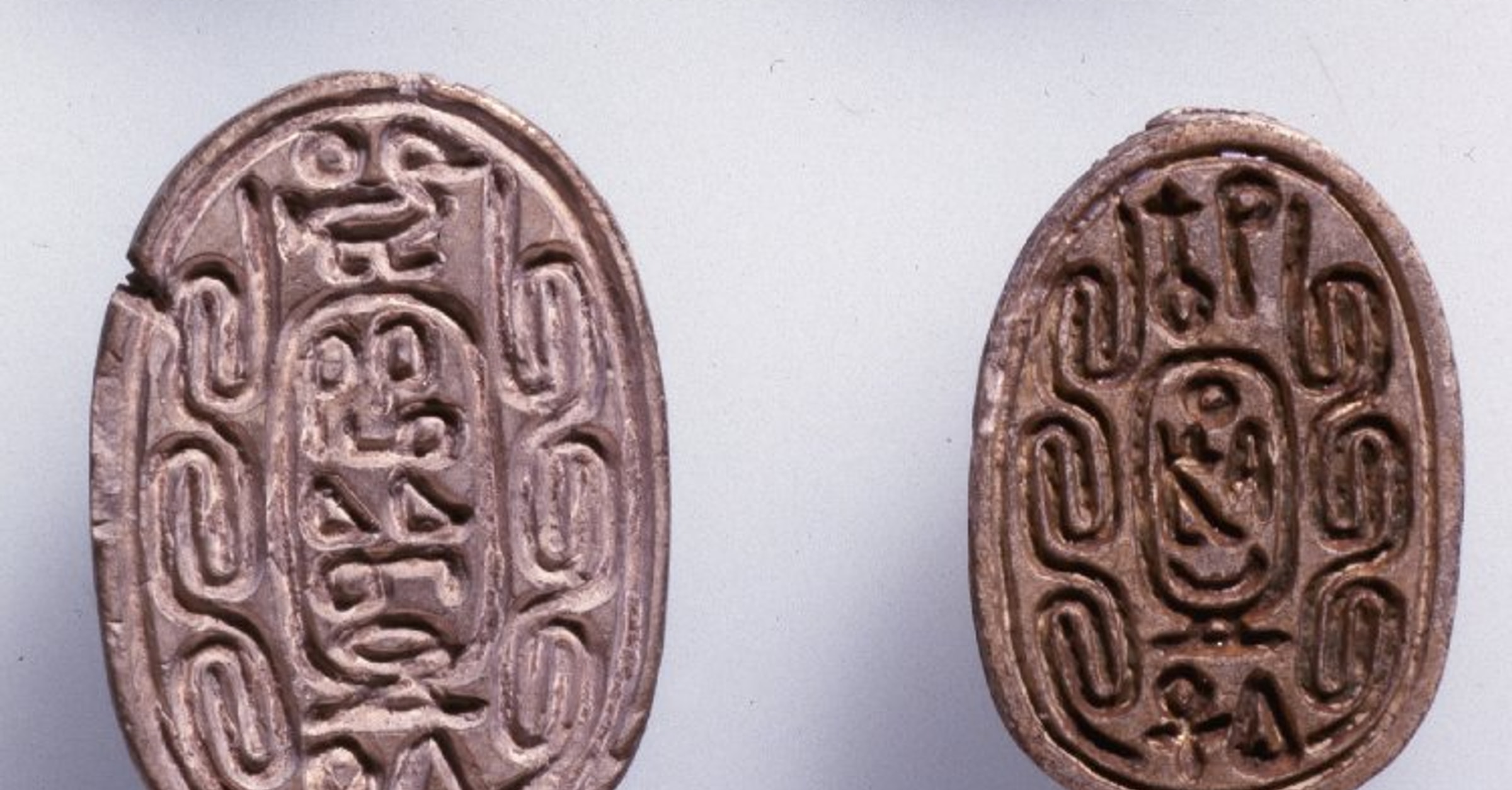
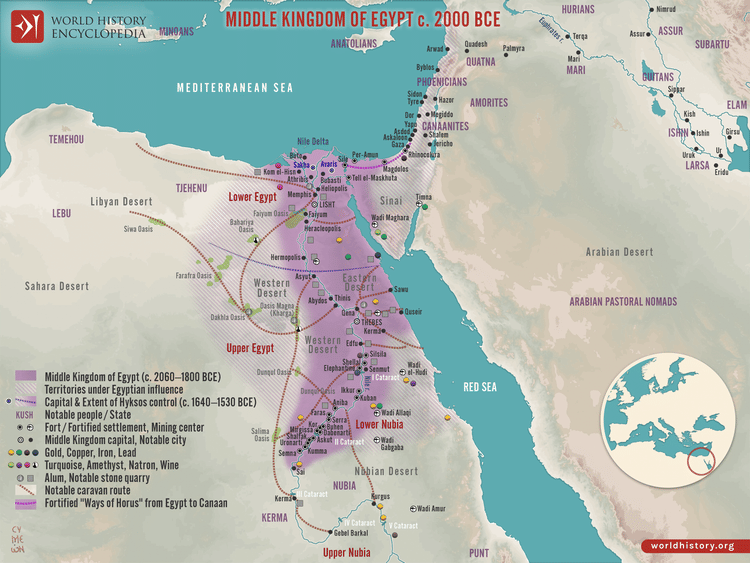
The Middle Kingdom began as a period of renewed strength and unity, particularly under the 12th Dynasty. Amenemhat I (1991-1962 BCE), the dynasty’s founder, strategically moved the capital from Thebes to Iti-tawi ("Amenemhat is he who takes possession of the Two Lands") near Lisht, effectively bridging Upper and Lower Egypt. He also established Hutwaret, later known as Avaris, in the eastern Delta. This new port city was strategically vital, offering direct access to the Mediterranean Sea and overland trade routes to Canaan.
The 12th Dynasty is widely regarded as a cultural zenith, defining the Middle Kingdom as Egypt’s "classical age." However, the subsequent 13th Dynasty proved less robust. A pivotal misstep was the decision to relocate the capital back to Thebes in Upper Egypt. This move inadvertently created a power vacuum in Lower Egypt, leaving the strategically vital Delta region open to any power capable of dominating it.
From Traders to Rulers: The Consolidation of Power
Avaris, already a thriving commercial hub, became a magnet for foreign traders and settlers, particularly those from West Semitic-speaking regions. As its population swelled and its economic power grew, these foreign communities, including those who would become known as the Hyksos, began to exert increasing influence. Their rise was not through a sudden military blitz, but a gradual process. They commercially dominated the eastern Delta, then meticulously expanded their influence northward, forging treaties and establishing agreements with various nomarchs (provincial governors) across Lower Egypt. This steady consolidation of power eventually allowed them to assert political and then military authority.
By circa 1782 BCE, the Hyksos had effectively established control over a significant portion of Lower Egypt, founding the 15th Dynasty. Their reach extended as far south as Abydos, though they did not conquer the entirety of Egypt. Many cities in Lower Egypt, such as Xois, maintained their autonomy. The rulers of Xois even founded their own 14th Dynasty, trading actively with both the Hyksos in Avaris and the Egyptian rulers in Thebes, demonstrating the complex, multi-polar political landscape of the Second Intermediate Period.
Beyond the Myth: Supporting Data and Cultural Exchange
The portrayal of the Hyksos as destructive invaders, a narrative propagated by New Kingdom scribes, Manetho, and later historians like Flavius Josephus, has long shaped popular understanding. However, modern archaeological findings and re-evaluations of textual evidence largely refute this sensationalized account, revealing a period of significant cultural integration and innovation.
Deconstructing the "Invasion" Narrative
Josephus’s account, heavily reliant on Manetho’s now-lost work (which itself drew from biased New Kingdom sources), vividly describes the Hyksos arriving in war chariots, laying waste to the land and toppling the legitimate government. Yet, as Egyptologist Margaret Bunson notes, "The Hyksos did enter Egypt, but they did not appear there suddenly, with what Manetho termed ‘a blast of God.’ The Hyksos entered the Nile region gradually over a series of decades until the Egyptians realized the danger they posed in their midst."
Crucially, there is no archaeological evidence of widespread destruction or mass slaughter at Avaris or other sites in the Delta that would support the "invasion" theory. Instead, excavations at Avaris have revealed a city that grew organically, showcasing a vibrant blend of Egyptian and Near Eastern cultures. The Hyksos rulers established the 15th Dynasty, but rather than dismantling Egyptian society, they largely assimilated. They adopted Egyptian customs, art styles, administrative structures, and even religious practices. While their chief deities were West Semitic gods like Baal and Anat, they often syncretized these with Egyptian equivalents, identifying Baal with the formidable Egyptian god Set.
The enduring misconception linking the Hyksos to the biblical narrative of the Exodus, often identifying them as Hebrew slaves, stems from Manetho’s flawed translation of Heqau-khasut as "captive shepherds," further misinterpreted by Josephus. Modern scholarship finds no support for this claim; no Egyptian or other contemporary records indicate the Hyksos were slaves or of Hebrew ethnicity. Their linguistic heritage points clearly to West Semitic languages, but their precise ethnic origins remain debated.
A Crucible of Innovation: Hyksos Contributions
Despite the later vilification, the Hyksos period was a crucible of innovation, introducing technologies and practices that profoundly transformed Egyptian society and, ironically, enabled its imperial expansion.
The most significant military contributions were the horse-drawn chariot and the composite bow. Before the Hyksos, Egyptian warfare relied on infantry and simpler longbows. The chariot, a swift and powerful platform for archers, revolutionized combat, offering unprecedented mobility and firepower. The composite bow, made from layers of wood, horn, and sinew, provided greater range and piercing power than the traditional Egyptian longbow. Additionally, the Hyksos introduced superior bronze metallurgy, leading to the widespread use of bronze daggers and short swords, replacing earlier, less effective copper weaponry. These advancements were critical for the New Kingdom pharaohs who sought to project power beyond Egypt’s borders.
Beyond military technology, the Hyksos brought advancements in civilian life:
- Agriculture: New methods of crop irrigation and the introduction of new fruit and vegetable cultivation techniques enhanced agricultural productivity.
- Crafts and Manufacturing: An improved potter’s wheel led to the production of higher-quality, more durable ceramics. The vertical loom, a Hyksos innovation, produced finer and more efficient linen fabrics compared to the traditional horizontal loom.
- Administration and Knowledge: King Apepi, one of the most prominent Hyksos rulers, is credited with copying and preserving numerous ancient Egyptian papyrus scrolls, ensuring the survival of valuable texts that might otherwise have been lost.
These innovations, far from being signs of a barbaric invasion, point to a vibrant cultural exchange and a period of practical progress that benefited Egypt immensely.
Theban Resistance and Official Responses: The Road to Empire
The initial relationship between the Hyksos-controlled north (Avaris) and the Egyptian-controlled south (Thebes) was one of coexistence, marked by trade and a complex political balance. However, this equilibrium was ultimately shattered, leading to a series of conflicts that would redefine Egypt’s destiny.
A Shifting Balance: Theban-Hyksos Relations
During the Second Intermediate Period, Egypt was effectively divided. The Hyksos ruled Lower Egypt, while the Theban 17th Dynasty controlled Upper Egypt. Further south, the Nubians, too, had capitalized on the 13th Dynasty’s weakness, establishing a powerful kingdom centered at Kush. Despite this fragmented landscape, trade flourished between Avaris, Thebes, and Kush. Hyksos ships regularly sailed past Thebes to trade with the Nubians, and Theban merchants engaged with both northern and southern powers.
The turning point, as recorded by Manetho, involved an alleged diplomatic slight. King Apepi of Avaris sent a message to the Theban king Seqenenra Taa (also known as Ta’O, circa 1580 BCE), demanding the removal of a hippopotamus pool in Thebes, claiming its noise disturbed his sleep. While seemingly trivial, this message likely carried deeper religious and political implications. Hippopotamus hunting was a royal pastime in Thebes, while the Hyksos, identifying their god Baal with the Egyptian Set, may have revered the animal. Ta’O interpreted the demand as a direct challenge to his sovereignty and initiated hostilities. His mummy bears gruesome wounds consistent with battle, suggesting an early defeat for the Thebans.
The Wars of Liberation: Kamose and Ahmose I
Seqenenra Taa’s son, Kamose, inherited the conflict and launched a more aggressive campaign against the Hyksos. His inscriptions vividly express his indignation at paying tribute to "Asiatics" and being squeezed between foreign powers in his own land. Kamose launched a massive strike against the Hyksos, claiming to have utterly destroyed Avaris and caused widespread panic. However, his account appears to be an exaggeration, as Avaris remained a Hyksos stronghold for several years after his offensive, and the Hyksos continued to control Lower Egypt. Kamose’s campaign, while perhaps not decisive, demonstrated a renewed Theban resolve and set the stage for the ultimate expulsion.
The true architect of the Hyksos’ expulsion was Kamose’s brother, Ahmose I (circa 1570-1544 BCE). Ahmose’s inscriptions, corroborated by the tomb autobiography of a soldier named Ahmose son of Ibana, detail his successful military campaigns. He drove the Hyksos from Egypt, destroyed their capital at Avaris, and pursued them into Canaan, besieging their stronghold at Sharuhen for six years. The remaining Hyksos eventually fled to Syria, and their ultimate fate is unrecorded. Ahmose I’s victory not only reunited Egypt but also marked the beginning of the illustrious 18th Dynasty and the New Kingdom.
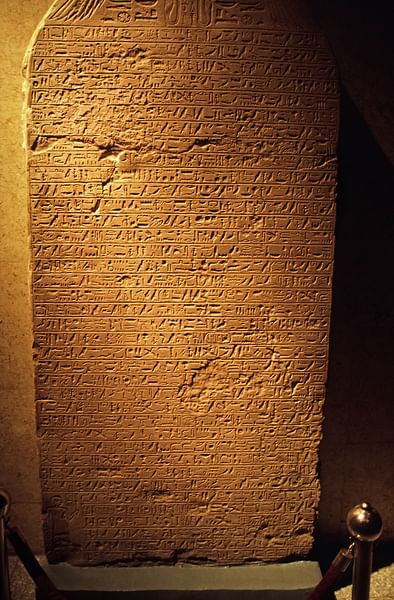
Following their expulsion, the New Kingdom pharaohs systematically erased traces of the Hyksos from Egyptian records and monuments, a deliberate act of historical revisionism aimed at legitimizing the new dynasty and fostering a sense of national unity.
A Transformative Legacy: Implications for Egyptian History
The Hyksos period, though brief in the grand tapestry of Egyptian history, left an indelible mark, fundamentally altering Egypt’s strategic outlook, military capabilities, and national identity.
Forging the Egyptian Empire
Ahmose I’s expulsion of the Hyksos was more than just a military victory; it was a paradigm shift. The experience of foreign rule, however gradual or assimilated, instilled in the Egyptian leadership a profound desire to prevent any recurrence. This led directly to the formation of a new strategic doctrine: proactive defense through aggressive expansion.
The New Kingdom pharaohs, beginning with Ahmose, embarked on an unprecedented era of conquest, establishing a vast empire that stretched deep into Nubia and across the Near East. This imperial ambition was fueled by the need to create buffer zones, securing Egypt’s borders against future incursions. The very military innovations introduced by the Hyksos – the chariot, the composite bow, advanced bronze weaponry – became the tools through which Egypt established and maintained its empire. Without these technological transfers, the swift and effective military campaigns of pharaohs like Thutmose III, Seti I, and Ramesses II would have been far more difficult, if not impossible. The Hyksos, therefore, inadvertently provided Egypt with the means to become a dominant regional power.
The Power of Narrative: Nationalism and Historiography
The New Kingdom’s success was not just military; it was also ideological. To justify their wars of conquest and foster a strong sense of national identity after a period of fragmentation, New Kingdom scribes meticulously crafted a narrative of the Hyksos as barbaric, destructive invaders. This official history depicted them as godless foreigners who desecrated temples, slaughtered innocents, and ravaged the land out of a lust for conquest. This propaganda, despite its lack of archaeological support, was incredibly effective. It galvanized Egyptian nationalism, rallied support for foreign military campaigns, and provided a powerful justification for imperial expansion as a necessary measure to protect the "land of the gods" from future "tragedies."
This vilification had a lasting impact, shaping historical understanding for millennia, influencing Manetho, Josephus, and subsequently generations of historians. Modern scholarship now strives to disentangle this politically motivated narrative from the complex reality. While the Hyksos were a foreign presence that ultimately challenged Egyptian sovereignty, they were also agents of profound cultural and technological change. They were not merely destructive invaders but a dynamic force whose presence, and the Egyptian reaction to it, irrevocably transformed Egypt.
In conclusion, the Hyksos represent a critical juncture in ancient Egyptian history. Their gradual establishment in Lower Egypt, their cultural assimilation, and their transformative technological contributions were overshadowed by a later, politically motivated narrative of violent invasion. Yet, it was precisely the challenges they posed and the innovations they introduced that compelled Egypt to forge a professional army, embrace new technologies, and ultimately embark on an imperial path, securing its place as one of the ancient world’s most formidable powers. Their legacy is a testament to the complex, often contradictory, nature of historical truth, where even perceived adversaries can inadvertently lay the foundations for future greatness.