Riftbound: Unleashed Marks a Maturing Era for Riot Games’ Acclaimed TCG
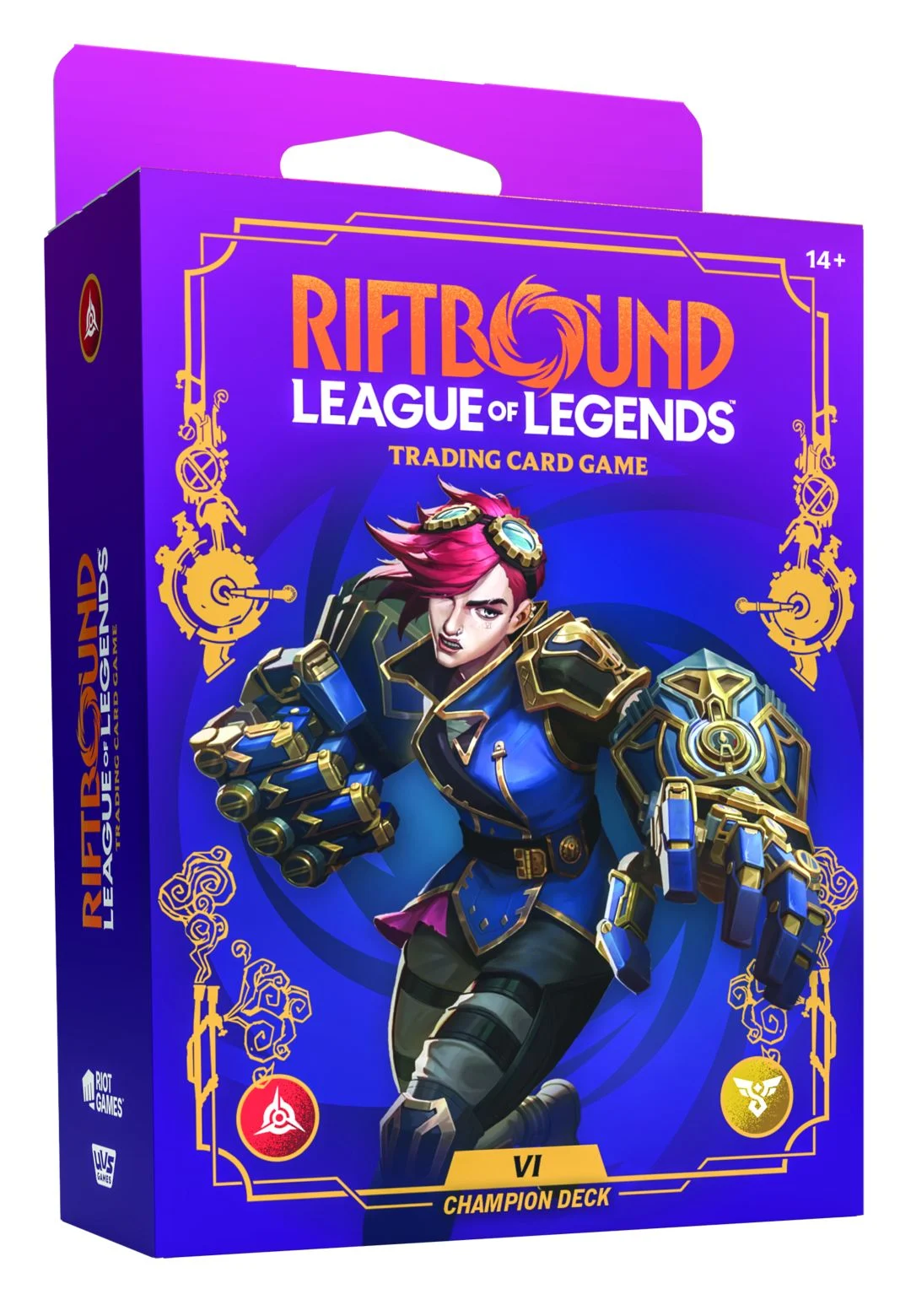
London, UK – Riot Games’ foray into the physical trading card game (TCG) arena with Riftbound, a strategic card game deeply embedded in the rich lore of the immensely popular League of Legends universe, has been a journey marked by both enthusiastic reception and significant logistical hurdles. Since its initial launch, the game quickly captivated players with its ambitious design and unique mechanics. However, its early success was shadowed by widespread card scarcity and prohibitively high secondary market prices, frustrating a burgeoning player base.
Now, with the release of its third major expansion, Riftbound: Unleashed, a palpable shift has occurred. The initial growing pains appear to have subsided, replaced by a newfound stability and a confident evolution of its core gameplay. This latest set not only addresses past distribution woes but also demonstrates a refined design philosophy, signalling a pivotal moment in Riftbound‘s trajectory towards becoming a cornerstone of the modern TCG landscape. The game, it seems, has truly Unleashed its potential, maturing into a more polished and strategically rich experience that confidently embraces complexity without sacrificing accessibility.
The Genesis of a Phenomenon: From Digital Rifts to Physical Cards
Riot Games, a titan in the gaming industry primarily known for its colossal multiplayer online battle arena (MOBA) title, League of Legends, has consistently sought to expand its universe across various media. Their successful digital TCG, Legends of Runeterra, proved the viability of adapting the vast lore and diverse champions of Runeterra into a card game format. The announcement of a physical TCG, Riftbound, was met with considerable excitement, promising a tactile experience that many TCG enthusiasts crave.
Riftbound distinguished itself early on with its innovative "champion-centric" deck building, where each deck revolves around a single, iconic League of Legends champion, imbuing every playstyle with a distinct personality and strategic identity. This design choice immediately resonated with fans, offering a familiar yet fresh take on TCG mechanics. The game’s inaugural sets were a commercial hit, validating Riot’s venture into the physical space. However, this immediate popularity brought with it unforeseen challenges.
The demand for Riftbound cards quickly outstripped supply. Early print runs, while substantial, proved insufficient to meet the fervent appetite of players and collectors alike. This scarcity led to rapid sell-outs in many markets, pushing prices on the secondary market to exorbitant levels. Collectors and new players alike found themselves locked out, unable to acquire essential cards or even starter products without paying significant markups. This issue, while not uncommon in the TCG world, was particularly acute for Riftbound, threatening to dampen the enthusiasm that had initially propelled its success. The sight of unopened booster boxes fetching many times their retail value became a common, if disheartening, occurrence, highlighting a critical need for Riot to scale its production and distribution efforts.
Chronology of Evolution: Stabilizing the Rift
The journey from initial hype to refined execution has been a learning curve for Riot Games and Riftbound.
The Initial Surge and Supply Shock
Upon its launch, the first set of Riftbound generated immense buzz. Players were eager to experience their beloved League of Legends champions in a new strategic format. The game’s unique mechanics, focusing on champion abilities and battlefield control, received critical acclaim for their depth and originality. However, the operational challenge of matching supply with demand became immediately apparent. Stores reported rapid sell-outs, and online retailers struggled to keep products in stock. This created a fertile ground for scalpers, who capitalized on the scarcity to resell cards and sealed products at inflated prices, alienating a segment of the player base and fostering frustration within the community. The aspiration of Riftbound being an accessible entry point into the League of Legends universe was temporarily hampered by this market dynamic.
Addressing the Foundations: The Second Set and Beyond
While the original article doesn’t explicitly detail the second set, its existence would have been crucial in bridging the gap between the initial release’s issues and the confident launch of Unleashed. Typically, a second set in a TCG’s lifecycle serves to expand the card pool, introduce new mechanics, and, critically, allow the publisher to refine its production and distribution strategies based on feedback from the first release. It’s reasonable to infer that Riot began implementing measures to stabilize card availability during this period, gradually increasing print runs and improving supply chain logistics. This phase would have been vital for Riot to listen to its "millions of people play your game and tell you what they like – and what they don’t," translating that feedback not just into gameplay tweaks but also into operational improvements.
Riftbound: Unleashed – The Turning Point
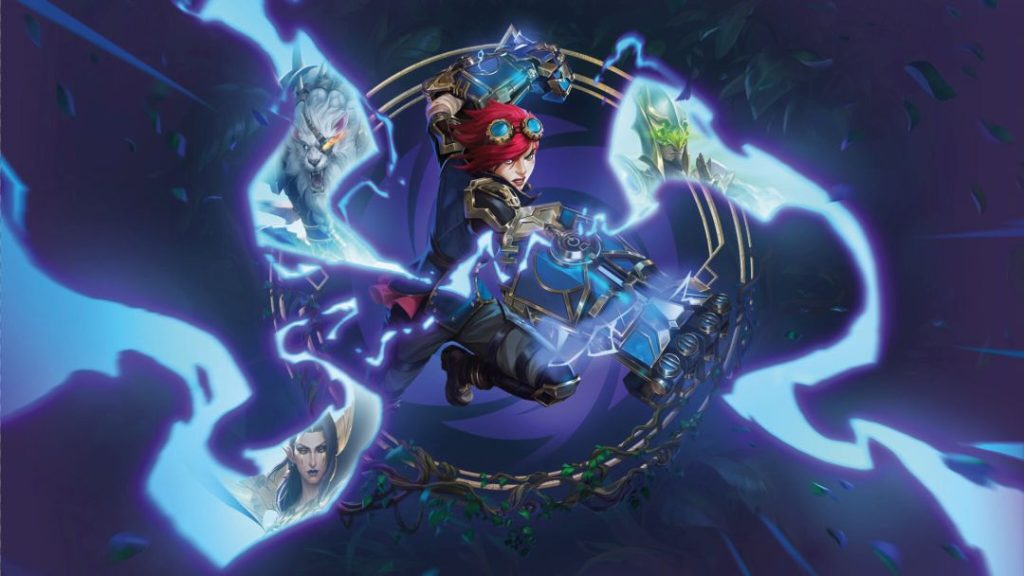
The release of Riftbound: Unleashed represents a significant milestone. The most pressing concern – card availability – has largely stabilized. This means players can now more readily acquire products at retail prices, fostering a healthier market and a more inclusive environment for new and existing players. This logistical triumph, combined with a noticeable refinement in game design, signals a new era for Riftbound. The article notes a "newfound confidence" accompanying this release, stemming directly from the comprehensive feedback loop between developers and the expansive player base. This confidence manifests in bolder design choices and a clearer identity for the game, indicating that Riot has not only addressed the practical issues but also deeply internalized the strategic preferences of its community. Unleashed isn’t just more cards; it’s a testament to a game finding its stride.
Supporting Data: Deep Dive into Unleashed’s Innovations
Riftbound: Unleashed introduces several key elements that underscore its maturation, from refined gameplay archetypes to innovative product offerings.
Champion Decks: Precision in Playstyle
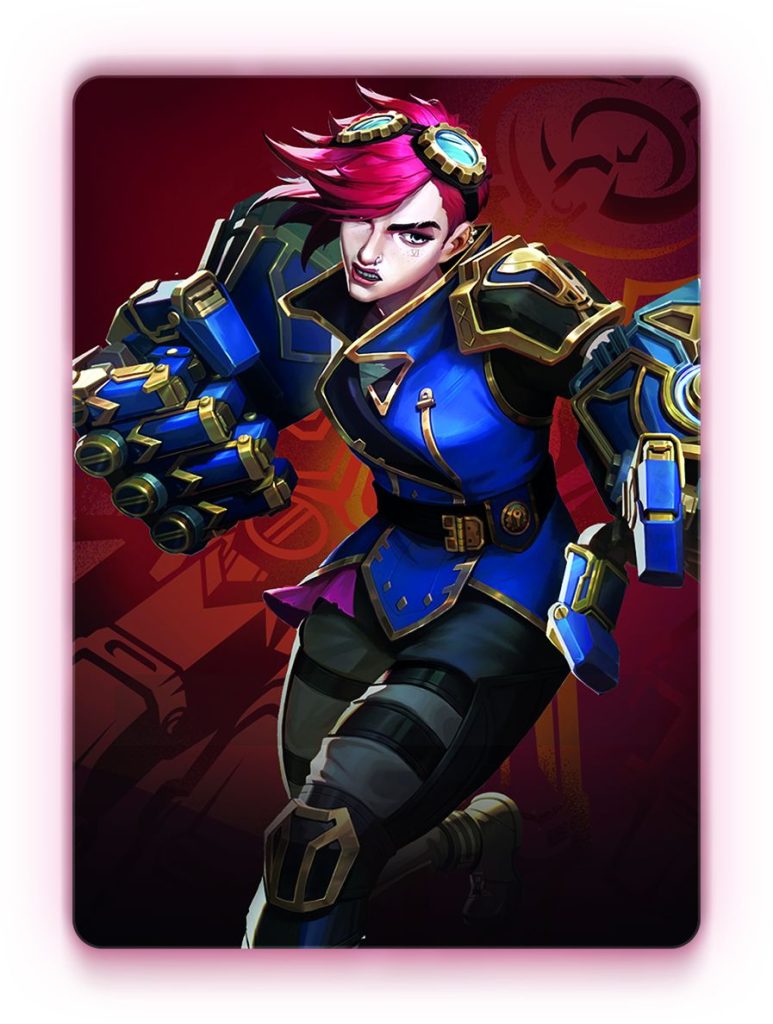
The core of Riftbound‘s appeal lies in its champion-centric design, and Unleashed elevates this concept with two exemplary Champion Decks: Vi and Vex. These pre-constructed decks are not merely introductory products but serve as robust, well-honed archetypes, each offering a distinct and engaging playstyle from the moment they’re unboxed.
-
The Vi Champion Deck: Aggression Unleashed
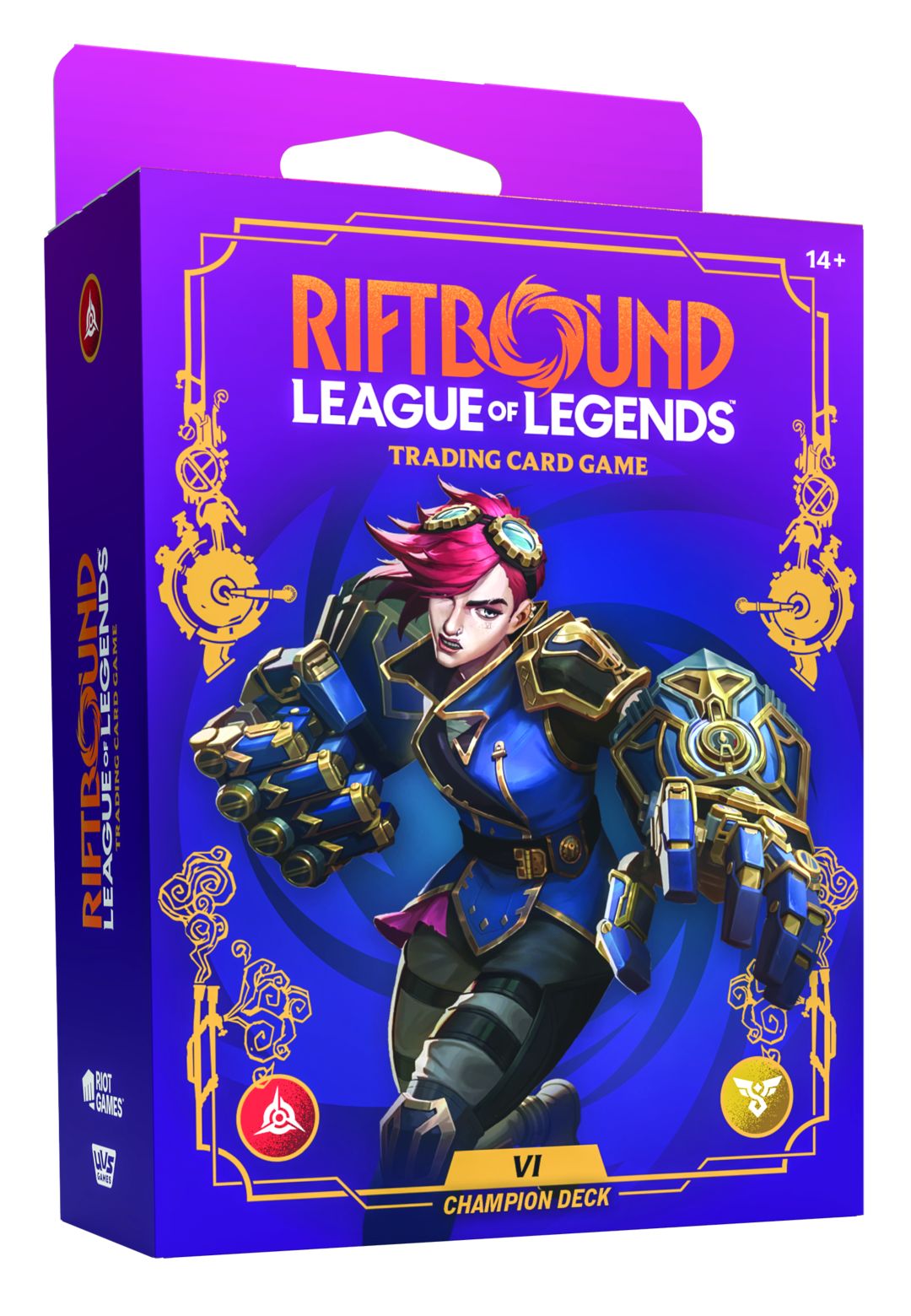
- Lore Connection: Vi, the Piltover Enforcer, is renowned in League of Legends for her gigantic, metallic hextech gauntlets and her aggressive, in-your-face combat style. This identity is perfectly translated into her Riftbound deck.
- Gameplay Mechanics: The Vi deck is a masterclass in aggressive play. Its strategy revolves around relentless attacks, maintaining constant pressure on the opponent. It excels at quickly establishing board presence and delivering bursts of damage. The deck is packed with "explosive combat tricks" – cards that provide immediate, impactful advantages in skirmishes, often turning the tide of battle in a single turn. This design fosters fast-paced, high-octane gameplay, mirroring Vi’s persona.
- Player Accessibility: For new players, the Vi deck is an ideal starting point. Its straightforward objective – attack, attack, attack – makes it relatively easy to "pilot." The core plan is intuitive, allowing beginners to grasp fundamental TCG concepts without being overwhelmed by complex decision trees. Crucially, the deck functions effectively "immediately without needing any large upgrades," making it a competitive option right out of the box.
- Strategic Considerations: While powerful, the Vi deck has a clear strategic weakness: "if you can’t finish your opponent off, you might run out of gas once they stabilise." This highlights the inherent risk-reward of hyper-aggressive strategies. Players must learn to recognize windows of opportunity for lethal blows and manage their resources to avoid exhausting their offensive capabilities prematurely. Despite this, its reliability and immediate impact make it a solid choice.
-
The Vex Champion Deck: Master of Control and Value
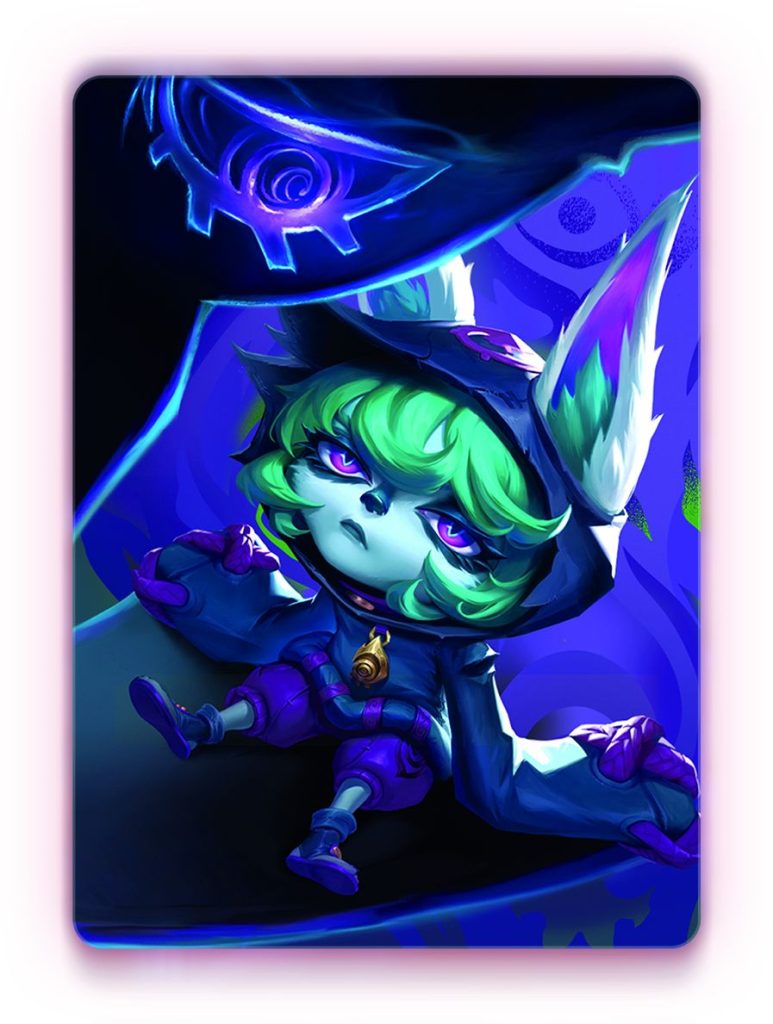
- Lore Connection: Vex, the Gloomist, is a yordle mage from the Shadow Isles who revels in gloom and misery. Her abilities in League of Legends often involve controlling the battlefield, disrupting opponents, and drawing power from negativity. This tactical, reactive nature is elegantly woven into her Riftbound deck.
- Gameplay Mechanics: In stark contrast to Vi, the Vex deck offers a more intricate and cerebral experience. It’s built around controlling the battlefield, generating incremental value, and disrupting the opponent’s plans. A central mechanic involves "holding battlefields to generate value and draw cards through Vex’s ability." This emphasizes strategic positioning and resource management over raw aggression. The deck excels at card advantage, consistently drawing more cards than the opponent, giving the player more options and greater flexibility.
- Player Accessibility & Skill Ceiling: The Vex deck is "harder to pilot" due to its "more difficult sequencing decisions." Players must anticipate opponent moves, manage their hand, and make intricate plays several turns in advance. Misplays are easier to make, but the rewards for skilled play are substantial. It caters to players who enjoy slower, more strategic matches where careful planning and reactive plays lead to satisfying victories. This deck sets a higher "skill ceiling," offering depth that seasoned TCG players will appreciate.
- Head-to-Head: When pitted against each other, the review notes "Vi’s quick-off-the-blocks style edging it slightly." This suggests a balanced design, where aggressive strategies can sometimes outpace control, but consistent, skilled play with Vex could certainly overcome this initial tempo disadvantage.
The Vault: A Solution to Storage and Value Protection
A significant innovation introduced with Riftbound: Unleashed is the "Vault" product. As any veteran TCG player knows, by the third set of a game, the issue of card storage becomes paramount. This is especially true in a market where individual trading cards can command substantial monetary value, as evidenced by the mention of Logan Paul’s multi-million dollar Pokémon Illustrator card.
- Purpose and Design: The Vault is essentially a robust, reusable card-storage box designed to protect players’ valuable collections. Its sturdy construction reflects the understanding that cards are not just game pieces but often significant investments.
- Contents: Beyond mere storage, each Vault comes packed with enticing contents:
- Six Riftbound: Unleashed booster packs, immediately expanding a player’s collection.
- 36 basic runes (six of each type), essential power sources for building and customizing decks.
- Three double-sided full-art tokens, adding aesthetic appeal and functional components to gameplay.
- Two dividers, to aid in organizing cards efficiently within the storage box.
- Future Implications: Riot Games has committed to releasing the Vault as a standard product with all future sets. This demonstrates a thoughtful, player-centric approach, addressing a common pain point in the TCG hobby and ensuring that as collections grow, so too do the solutions for managing them. It’s a clear signal of Riot’s long-term commitment to the physical game and its community.
Comparison to Legends of Runeterra
The article aptly points to Legends of Runeterra (LoR) as a reference point. LoR, Riot’s digital TCG, shares a similar thematic foundation and many design principles with Riftbound. Players familiar with LoR will immediately recognize the "feel" of Riftbound due to the shared champions, regions, and core gameplay philosophies. This cross-pollination benefits both games, creating a cohesive universe and allowing players to transition between digital and physical formats with ease. While LoR offers the convenience and rapid updates of a digital platform, Riftbound provides the tangible, collectible, and social experience that only a physical TCG can deliver. Riot is effectively leveraging its expertise in one format to enrich the other, creating a synergistic ecosystem for its card game enthusiasts.
Official Responses and Strategic Vision
While the article doesn’t contain direct quotes from Riot Games officials, the observations within it strongly imply a strategic shift and responsiveness from the publisher. The "stabilisation" of card availability is a direct result of Riot’s efforts to increase print runs, optimize distribution channels, and potentially implement measures to deter large-scale scalping. This commitment to accessibility is crucial for the long-term health of any TCG.
The "newfound confidence" in Unleashed‘s design reflects a maturation process guided by extensive player feedback. Riot’s design team, led by Nikolaus Davidson, has clearly absorbed insights from the millions of players engaging with Riftbound. This iterative design approach allows them to refine mechanics, balance champions, and develop archetypes that truly resonate with the community’s preferences. The decision to standardize products like the "Vault" for future sets further underscores Riot’s long-term vision. It signals a move towards a more predictable and player-friendly product line, where essential accessories are integrated into the release schedule, demonstrating a deep understanding of the collector’s journey and investment. This proactive approach indicates Riot is not just reacting to issues but strategically planning for the sustained growth and satisfaction of its player base.
Implications: A New Horizon for Riftbound
The release of Riftbound: Unleashed carries significant implications for the game, its community, and the broader TCG market.
Solidifying Market Position
By addressing initial supply issues and refining its gameplay, Riftbound is poised to solidify its position as a major player in the competitive TCG landscape. This improved stability and design quality make it a more attractive option for new players considering an entry point into the hobby, as well as for veteran TCG players looking for a fresh, strategically rich experience. Its strong League of Legends IP provides a unique advantage, drawing in a massive pre-existing fanbase that can now more easily engage with the physical game.
Fostering Player Engagement and Competitive Play
The strategic depth introduced and refined in Unleashed, particularly through the distinct Vi and Vex Champion Decks, elevates the game’s competitive potential. A higher skill ceiling, coupled with balanced and engaging archetypes, is crucial for fostering a vibrant competitive scene. As players delve deeper into the nuances of control versus aggression, and value generation versus tempo, the meta-game will evolve, leading to more complex deck building and exciting tournament play. The enhanced accessibility also means a larger, more diverse pool of players, which is vital for the health and longevity of any competitive game.

Long-Term Viability and Brand Expansion
Unleashed signals Riot Games’ unwavering commitment to Riftbound. The standardization of products like the Vault suggests a well-thought-out long-term strategy for the game’s growth and sustained relevance. This commitment extends beyond mere card releases, encompassing player experience, product utility, and community support. For Riot, Riftbound is not just another product; it’s a vital extension of the League of Legends universe, deepening player engagement with its lore and characters across different platforms. The success of Riftbound further demonstrates Riot’s ability to diversify its offerings and build robust, interconnected ecosystems around its flagship IP.
In conclusion, Riftbound: Unleashed is more than just a new set; it’s a declaration. It announces that Riftbound has found its footing, addressed its growing pains, and is now confidently stepping into its own as a mature, compelling, and accessible trading card game. With sharper design, stable availability, and a clear vision for the future, Riot Games has truly Unleashed the potential of this promising TCG, inviting players to dive deeper into the strategic rifts of Runeterra.
LANCE FREEMAN
Play it?
With this release, Riftbound feels as if it’s levelled up, living up to the name Unleashed.

Try This if you Liked
- LEGENDS OF RUNETERRA
If you’ve played Riftbound, you’ll immediately understand the feel of Legends of Runeterra, a digital League of Legends TCG also from Riot.
About Riftbound: Unleashed
- Category: Card Games
- Designer: Nikolaus Davidson
- Publisher: Riot Games
- Time to Play: 50m
- Players: 2-4 Players
- Age: 14+
- RRP: £19.99-£149.99
What’s in the Box?
Riftbound: Unleashed Champion Decks
- 40-Card deck
- Riftbound: Unleashed booster pack
- Character-themed box
- Playmat
- Instructions booklet
Riftbound: Unleashed Vault
- Reusable storage box
- 2 Dividers
- 6 Riftbound: Unleashed booster packs
- 36 Runes
- 3 Tokens