
Castles in the Air: A New Tabletop RPG Weaves Nostalgic Coming-of-Age Narratives in the Gilded Age
FOR IMMEDIATE RELEASE
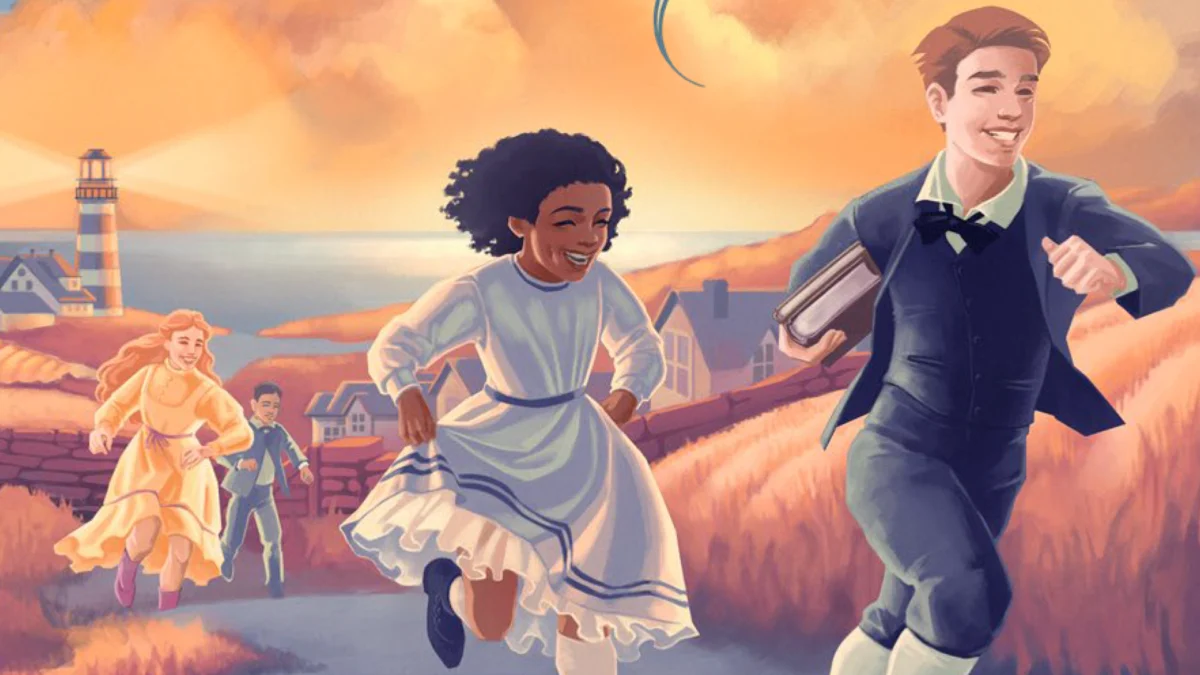
[City, State] – [Date, e.g., May 20, 2024] – Storybrewers Roleplaying, an acclaimed publisher known for its narrative-driven tabletop games, has launched a new Kickstarter campaign for "Castles in the Air," a roleplaying game designed to immerse players in the timeless, poignant narratives of coming-of-age stories. Inspired by literary and cinematic classics such as Louisa May Alcott’s "Little Women" and Lucy Maud Montgomery’s "Anne of Green Gables," this innovative TTRPG invites players to collaboratively craft the lives of characters growing from childhood innocence to adult complexities against the evocative backdrop of the American Gilded Age.
The game distinguishes itself by focusing on the intimate, personal journeys of a tight-knit group of friends, traversing the wonders and fears of youth, the joys and heartaches of adolescence, and the eventual triumphs and tribulations of adulthood. With its campaign running until June 9th, "Castles in the Air" promises a unique blend of collaborative storytelling, emotional depth, and historical charm, appealing to fans of period dramas and narrative-focused roleplaying alike.
Main Facts: Embarking on a Gilded Age Journey
"Castles in the Air" is the latest offering from Storybrewers Roleplaying, a studio celebrated for its commitment to rich, character-driven experiences, notably with their Jane Austen-inspired "Good Society." This new game, conceived and primarily written by Melia Carraway, with significant contributions from Storybrewers co-founders Vee Hendro and Hayley Gordon, represents a thematic evolution, delving into the beloved genre of coming-of-age narratives.
At its core, "Castles in the Air" is a collaborative storytelling game. Players assume the roles of young individuals during the Gilded Age in the United States, a period stretching from the 1870s to the 1890s, marked by profound industrialization, rapid economic growth, and significant migration. However, unlike many historical games that focus on grand political or economic narratives, "Castles in the Air" zeroes in on the personal, often idyllic, lives of rural, financially supported children. These characters begin with "great expectations" for their futures, navigating a world that is simultaneously expanding with opportunity and demanding personal growth.
The game’s inspiration is explicitly drawn from seminal works that have defined the coming-of-age genre. "Little Women," particularly its 2019 film adaptation directed by Greta Gerwig and featuring a star-studded cast including Saoirse Ronan, Emma Watson, Florence Pugh, Laura Dern, and Timothée Chalamet, serves as a significant touchstone. Similarly, the enduring appeal of "Anne of Green Gables," immortalized in Lucy Maud Montgomery’s novels and the 2017 Netflix series, informs the game’s emotional landscape and character archetypes. These influences highlight a desire to capture the essence of youthful ambition, familial bonds, burgeoning romance, and the inevitable challenges of growing up.
Players will guide their characters through distinct phases of life, starting as children who explore their local farmlands, swim in lakes, and gaze at stars, fostering a shared childhood. As time progresses, they confront new feelings and ideas, such as developing crushes, forming rivalries, and ultimately facing the potential for their paths to diverge as adults. The narrative arc allows for poignant reunions, echoing the bittersweet nature of life’s journey. Character creation is designed to facilitate immediate connection to these themes, offering archetypes like the "troublesome scamp," "studious bookworm," or "spoiled princess," alongside personal elements such as a dream, childhood relationships, family background, and a "bosom enemy." This framework allows for both original character development and the recreation of beloved figures from the inspirational literature.
Chronology: From Concept to Crowdfunding Success
The journey of "Castles in the Air" from a nascent concept to a fully-fledged crowdfunding campaign reflects Storybrewers Roleplaying’s methodical approach to game development and their deep understanding of their niche audience. While the precise inception date is not publicly detailed, the game’s thematic alignment with "Good Society" suggests a continued interest within the studio in exploring historical periods through the lens of interpersonal drama and societal expectations. "Good Society," a game lauded for its intricate simulation of Jane Austen’s Regency era, provided a strong foundation in designing systems that support nuanced character relationships and evolving social dynamics.
Melia Carraway, the primary designer and writer for "Castles in the Air," likely began conceptualizing the game in the wake of "Good Society’s" success, seeking to apply similar narrative design principles to a different, yet equally beloved, genre. The choice of the Gilded Age and coming-of-age themes represents a strategic expansion of Storybrewers’ portfolio, leveraging the enduring popularity of works like "Little Women" and "Anne of Green Gables." The development process would have involved extensive research into the social customs, technological advancements, and daily lives of the Gilded Age, ensuring historical authenticity while maintaining a focus on emotional resonance. Playtesting would have been crucial, refining the mechanics for collaborative storytelling and character progression to ensure a seamless and engaging experience across different life stages.
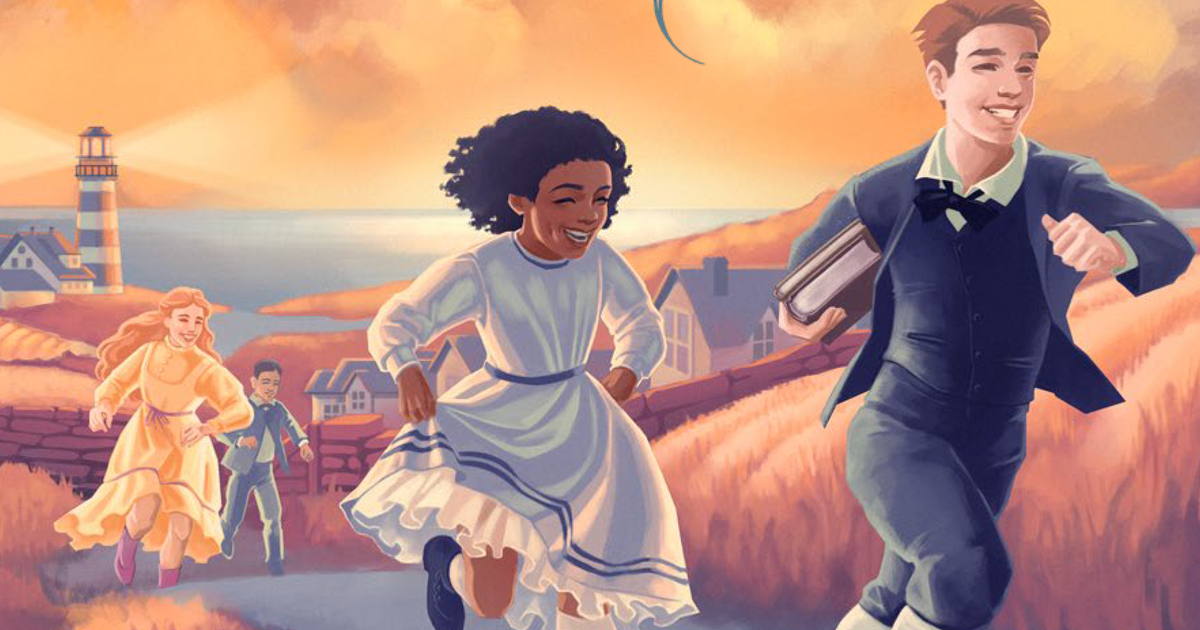
The public announcement of "Castles in the Air" and its subsequent Kickstarter launch were met with considerable anticipation. Storybrewers Roleplaying has cultivated a dedicated community through its previous releases, particularly "Good Society," which established their reputation for high-quality, narrative-rich TTRPGs. The Kickstarter campaign, which launched with a clear vision and compelling artwork, quickly gained traction, signaling strong community interest.
The campaign’s success underscores the growing demand for TTRPGs that venture beyond traditional fantasy and sci-fi genres, offering players diverse thematic experiences. With a target deadline of June 9th, the campaign has steadily progressed, surpassing its initial funding goals and unlocking various stretch goals. These stretch goals typically enhance the game’s content, potentially adding more character options, expanded setting details, additional scenarios, or even supplementary digital resources, enriching the overall player experience. The planned delivery date for physical copies is set for March 2025, allowing ample time for production and distribution, while digital versions are often made available to backers earlier, providing immediate access to the game’s core rules and materials. This phased delivery approach is common in crowdfunding and demonstrates a commitment to transparency and managing expectations.
Supporting Data: Mechanics, Milestones, and Cultural Resonance
The mechanical underpinnings of "Castles in the Air" are designed to facilitate its unique narrative journey, guiding players through the intricate tapestry of their characters’ lives. The game emphasizes collaborative storytelling, a core tenet of modern narrative TTRPGs, where the players and Game Master (if applicable, though many narrative games can be GM-less or GM-light) collectively build the world and the story. This ensures that every player has agency in shaping the evolving narrative, making each campaign a unique and deeply personal experience.
The journey begins in the childhood phase, portraying characters as a "tight-knit group of children" living "rural and financially supported lives." This specific focus on a relatively privileged childhood during the Gilded Age allows the game to explore themes of innocence, exploration, and the forging of foundational relationships without immediately confronting the harsher realities of poverty or urban struggle that also characterized the era. Players engage in activities like "playing in their local farmlands, swimming in the lakes and watching the stars," which serve as narrative prompts for generating shared memories and establishing the bonds that will be tested and strengthened over time. The system likely employs mechanics that encourage players to describe these scenes vividly, perhaps using prompts or specific questions to flesh out their shared past.
As characters transition into adolescence and emerging adulthood, the game introduces more complex emotional and social dynamics. "They’ll begin exploring other feelings and ideas that come with age," encompassing the burgeoning of romantic feelings (a "crush on someone") or the development of social conflicts ("a heated rivalry with one of the other local children"). This phase challenges characters with new responsibilities, changing perceptions of themselves and others, and the navigation of a more intricate social landscape. The mechanics here would likely involve systems for tracking relationships, developing personal ambitions, and making choices that have lasting consequences on their individual paths and the group’s cohesion. The transition from childhood to adulthood is not merely a temporal shift but a narrative one, marked by pivotal moments and life-altering decisions.
The adulthood phase brings the bittersweet reality of life’s diverging paths. "Potentially finding themselves drifting apart as life takes them in different directions – perhaps to only meet once again." This aspect introduces themes of separation, nostalgia, and the enduring power of friendship over time and distance. The game likely provides tools for fast-forwarding through periods of separation, focusing on significant events or reunions that reveal how characters have changed and what remains constant in their relationships. This cyclical nature of connection and separation is a hallmark of many coming-of-age stories, offering both melancholic reflection and hopeful anticipation.
Character creation in "Castles in the Air" is a rich process designed to immediately ground players in the game’s thematic world. Players select from archetypes such as the "troublesome scamp," "studious bookworm," or "spoiled princess." These archetypes provide a narrative shorthand, offering a starting personality and role within the group, while also inviting players to subvert or evolve these roles over time. Beyond the archetype, players define a personal "dream" – a powerful motivator for their character’s ambitions and choices. They also establish "childhood relationships" with other player characters, reinforcing the tight-knit group dynamic. A "family background" provides social context and potential resources or limitations, while a "bosom enemy" introduces immediate dramatic tension and a rival character to contend with. This comprehensive character creation system allows players to either craft entirely new personas or, as the article suggests, recreate beloved figures from their favorite inspirations, such as Jo March or Anne Shirley, and explore their own versions of those iconic journeys.
The Gilded Age setting is not merely a backdrop but an integral component of the game’s atmosphere. While the game focuses on the personal and idyllic, the broader historical context of the 1870s-1890s subtly informs the characters’ world. This era saw monumental shifts: the rise of industrial titans, the rapid expansion of railroads, technological marvels like the telephone and electric light, and a massive wave of immigration. While "Castles in the Air" emphasizes a more sheltered, rural existence, these larger societal currents would inevitably touch upon the characters’ lives—perhaps in the form of new opportunities for their families, the introduction of modern conveniences, or the broader cultural narratives of progress and aspiration. The game cleverly utilizes this period for its aesthetic and the sense of burgeoning change, rather than strict historical simulation, allowing the personal dramas to take center stage. The contrast between the privileged, rural setting and the wider, rapidly modernizing world adds a layer of depth, hinting at the future that awaits these young characters beyond their childhood havens.
From a broader TTRPG market perspective, "Castles in the Air" taps into several significant trends. There’s a growing appetite for narrative-first games that prioritize storytelling and character development over complex combat or resource management. Games like "Fiasco," "Powered by the Apocalypse" titles, and "Forged in the Dark" systems have paved the way for more flexible and story-centric play. Furthermore, the success of games inspired by specific literary genres, like "Good Society" for Regency romance, demonstrates a vibrant niche for experiences that cater to fans of particular fictional worlds. "Castles in the Air" leverages the enduring appeal of coming-of-age stories, a genre that resonates deeply with universal themes of identity, belonging, and the passage of time. The game’s focus on emotional depth, character relationships, and the evocative Gilded Age setting positions it as a compelling choice for players seeking a rich, collaborative, and emotionally resonant roleplaying experience distinct from traditional fantasy adventures. The current crowdfunding success is a testament to this resonance and the demand for diverse storytelling options within the TTRPG community.
Official Responses: The Visionaries Behind the Narrative
The driving force behind "Castles in the Air" is the creative team at Storybrewers Roleplaying, particularly Melia Carraway, the game’s designer and writer, alongside co-founders Vee Hendro and Hayley Gordon. Their collective vision for "Castles in the Air" is deeply rooted in a passion for rich, character-driven narratives and a commitment to crafting immersive storytelling experiences.
Melia Carraway’s design philosophy for "Castles in the Air" clearly centers on fostering empathy and allowing players to explore the complexities of human development. While direct quotes from Carraway regarding the game’s specific development are not provided in the initial article, her work is implicitly guided by the desire to "enable players to re-enact their favourite coming-of-age stories." This suggests an emphasis on creating a flexible framework that allows for both faithful homage to classics and the creation of entirely new, yet thematically consistent, narratives. One can infer that Carraway aims for players to connect deeply with their characters, experiencing the full spectrum of emotions that accompany growth – from the boundless optimism of youth to the contemplative wisdom of adulthood. Her focus on collaborative storytelling also indicates a belief in the power of shared narrative creation, where the collective imagination of the group builds a more vibrant and meaningful world.

Vee Hendro and Hayley Gordon, as co-founders of Storybrewers Roleplaying and contributors to "Castles in the Air," bring a wealth of experience from their previous success with "Good Society." Their involvement underscores the publisher’s established ethos: to create TTRPGs that excel in simulating specific genres and social dynamics. "Good Society" demonstrated their ability to distill the essence of Jane Austen’s works into playable mechanics, focusing on reputation, social expectations, and personal desires. With "Castles in the Air," they are applying this refined approach to another beloved genre.
Speaking about the project, a representative from Storybrewers Roleplaying (likely Hendro or Gordon) would emphasize the studio’s commitment to delivering unique narrative experiences. "Our aim with ‘Castles in the Air’ is to provide a heartfelt and evocative journey that resonates with anyone who has cherished a coming-of-age tale," they might state. "We wanted to capture the magic of childhood friendships, the challenges of self-discovery, and the profound impact of time on our relationships, all set against a beautiful historical backdrop." Their previous work suggests a meticulous attention to detail in balancing narrative freedom with structural guidance, ensuring that players can craft compelling stories without feeling overwhelmed or undirected.
The community’s response, as evidenced by the Kickstarter campaign’s performance, serves as a powerful official endorsement of the game’s concept. Backers are not just investing in a product; they are investing in a vision for a particular type of gaming experience. The rapid funding and the unlocking of stretch goals reflect a strong desire within the TTRPG community for games that explore emotional depth, historical settings, and collaborative narrative arcs. The engagement on the Kickstarter page and associated social media platforms would further illustrate this, with backers expressing excitement for the themes, the art style, and the opportunity to delve into stories reminiscent of their favorite books and films. This positive reception from both the design team and the player community highlights a shared enthusiasm for the nostalgic and profound storytelling potential of "Castles in the Air."
Implications: Beyond the Campaign
The success of "Castles in the Air" on Kickstarter carries significant implications, not only for Storybrewers Roleplaying but also for the broader landscape of tabletop roleplaying games and the cultural appreciation of narrative genres.
For Storybrewers Roleplaying, "Castles in the Air" is poised to further solidify their reputation as a premier publisher of narrative-focused TTRPGs. Building on the critical acclaim of "Good Society," this new title demonstrates their versatility and ability to translate diverse literary and cinematic genres into engaging gameplay experiences. A successful campaign, followed by a well-received final product, will undoubtedly lead to increased visibility, attract new players to their ecosystem, and potentially open doors for future projects that continue to push the boundaries of thematic TTRPGs. It reinforces their brand identity as innovators in the field, capable of delivering unique and emotionally resonant games that cater to a sophisticated player base seeking depth beyond traditional fantasy combat. This success could also empower them to explore further creative ventures, potentially branching into other historical periods, literary genres, or even entirely new narrative concepts, leveraging their established design principles.
The impact on the TTRPG genre itself is also notable. "Castles in the Air" contributes to the ongoing diversification of themes available to players. For many years, fantasy, sci-fi, and horror have dominated the TTRPG market. While these genres remain incredibly popular, there’s a growing demand for games that explore different aspects of human experience, history, and emotion. "Castles in the Air" champions a segment of the market that craves introspection, personal drama, and the exploration of universal human experiences like growth and change. It validates the idea that compelling roleplaying doesn’t always need dragons or spaceships; sometimes, the most profound adventures lie within the human heart and the passage of time. This trend encourages other designers to venture into less conventional themes, fostering a richer, more varied ecosystem for players.
From a cultural significance standpoint, "Castles in the Air" taps into the enduring power of nostalgia and the universal appeal of coming-of-age stories. These narratives, whether set in the Gilded Age or modern times, resonate because they speak to shared experiences of innocence, discovery, heartbreak, and resilience. The game provides a unique medium for players to not only consume these stories but to actively participate in their creation, exploring personal interpretations of growth, friendship, and the passage of time. In an increasingly complex world, there is a deep comfort and catharsis in revisiting simpler times and exploring the fundamental human journey of self-discovery. The collaborative nature of the game also reinforces the idea of shared experience, much like the characters themselves share their formative years.
Looking towards future prospects, beyond the initial Kickstarter fulfillment, "Castles in the Air" has the potential for longevity and expansion. Successful TTRPGs often see subsequent printings, expansions that introduce new settings, character options, or narrative arcs, and even digital adaptations or virtual tabletop modules. Storybrewers Roleplaying might explore companion guides, pre-written scenarios, or even other games set in similar historical or thematic veins. The game could also find a strong following in educational settings, offering a unique way to engage with the Gilded Age period and the literary traditions it draws from. The possibility of "Castles in the Air" becoming a foundational text for a new wave of narrative-driven historical TTRPGs is certainly within reach.
As the crowdfunding campaign approaches its conclusion on June 9th, "Castles in the Air" stands as a testament to the innovative spirit of independent game developers and the evolving tastes of the TTRPG community. It offers a poignant, collaborative journey into the heart of what it means to grow up, promising not just a game, but a deeply personal and shared narrative experience that will resonate for years to come. Backers still have the opportunity to secure their copy, whether digital or physical, and contribute to the realization of this ambitious and charming project.



Leave a Comment