The Cartoonist as Critic: An Analytical Review of Seth’s Sethphemera
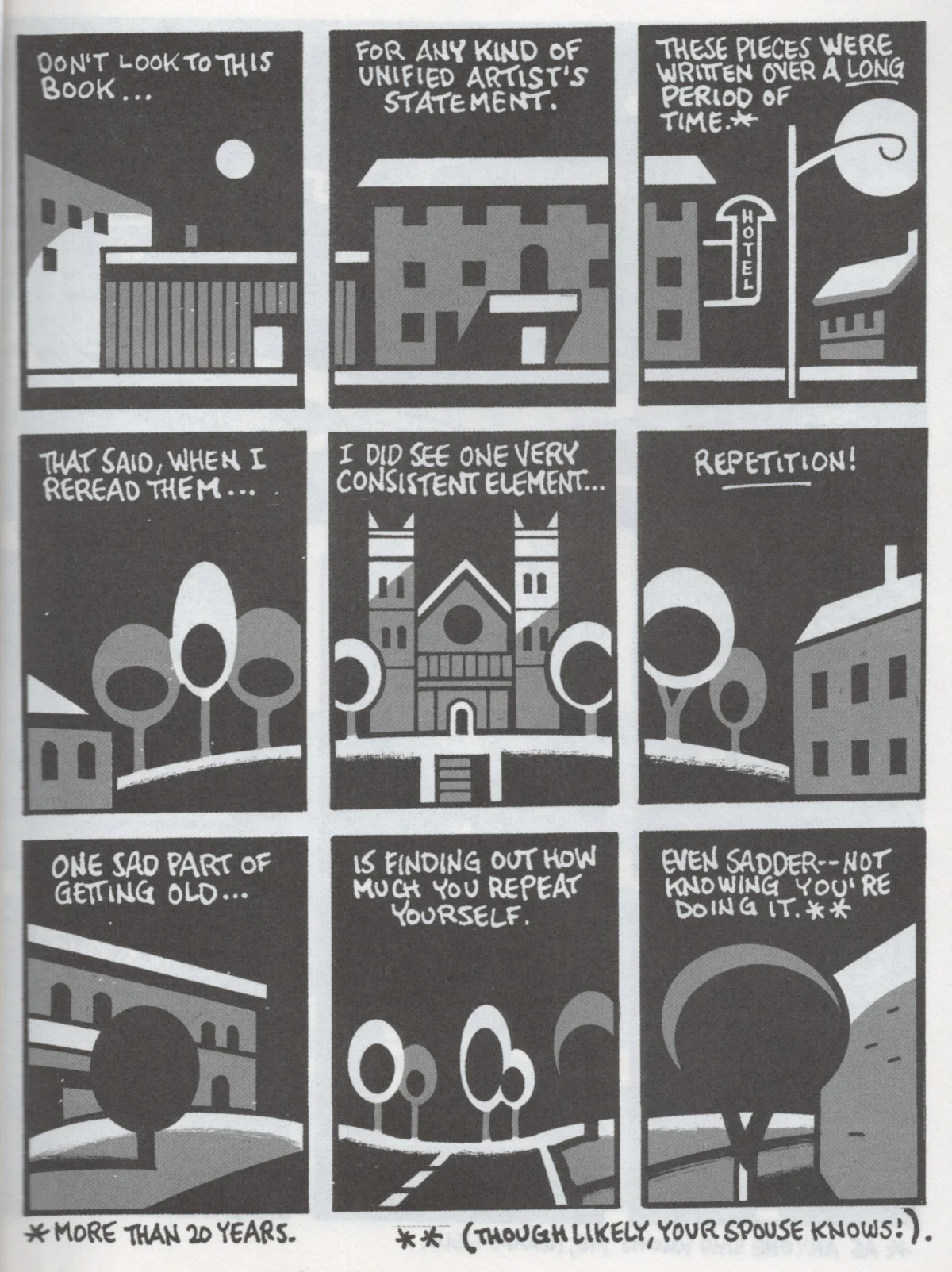
In the contemporary landscape of literary discourse, a recurring debate often resurfaces: must a creator also be a consumer? Specifically, does a writer’s validity hinge upon their engagement with the works of others, both for professional enrichment and aesthetic pleasure? While many view the roles of "creator" and "critic" as a rigid dichotomy, the world of sequential art—comics—offers a unique lens through which to examine this overlap.
The recent publication of Sethphemera (2025) by the Mexican small press Máquina de Aplausos provides a rare opportunity to explore this intersection. Authored by the renowned Canadian cartoonist Seth (Gregory Gallant), the book is a collection of essays, introductions, and public lectures that seek to bridge the gap between the act of making comics and the act of analyzing them. Through this collection, we are invited to ask: can the cartoonist truly function as a critic, or is their perspective perpetually colored by the shadows of their own drafting table?
1. Main Facts: The Genesis of Sethphemera
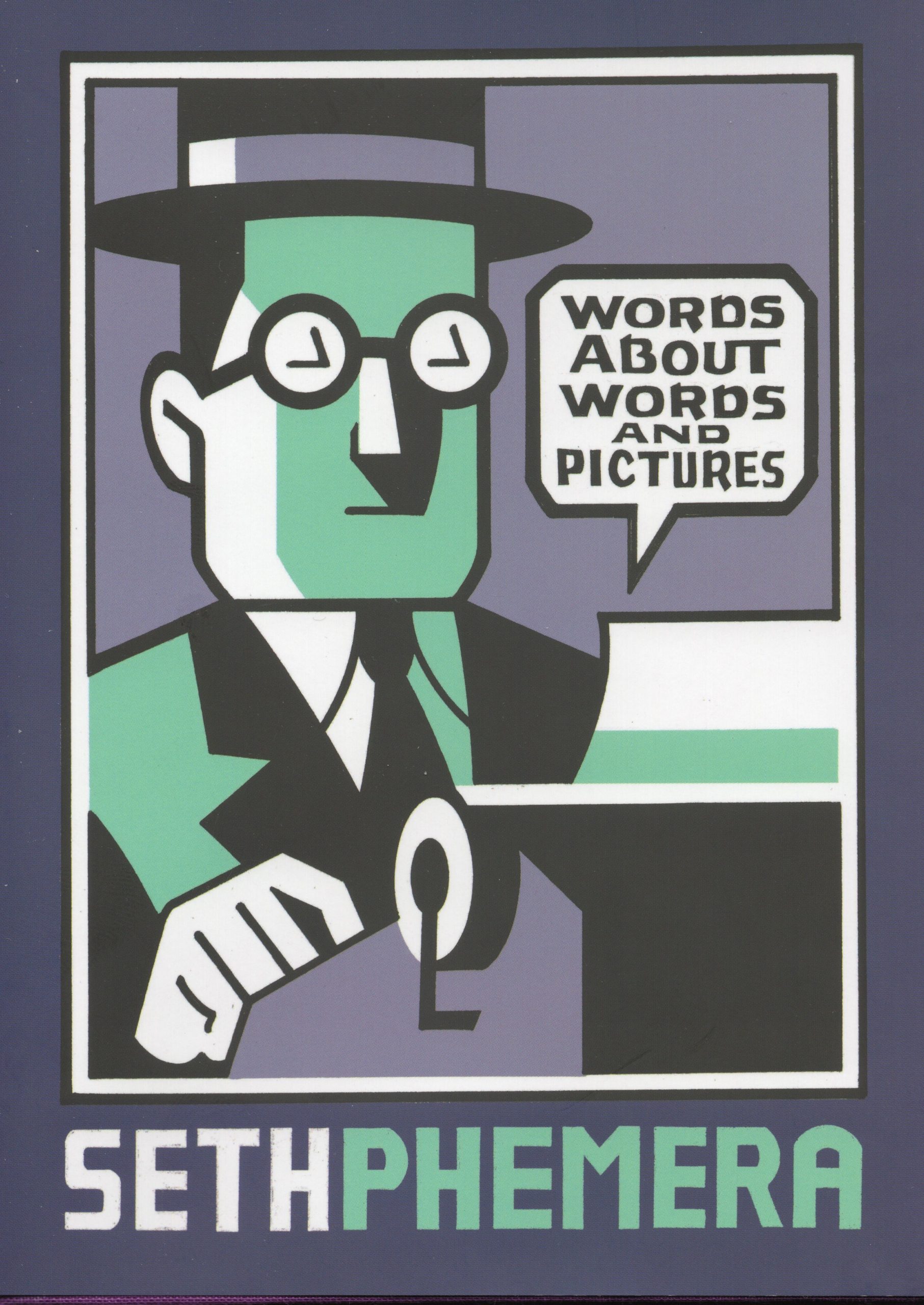
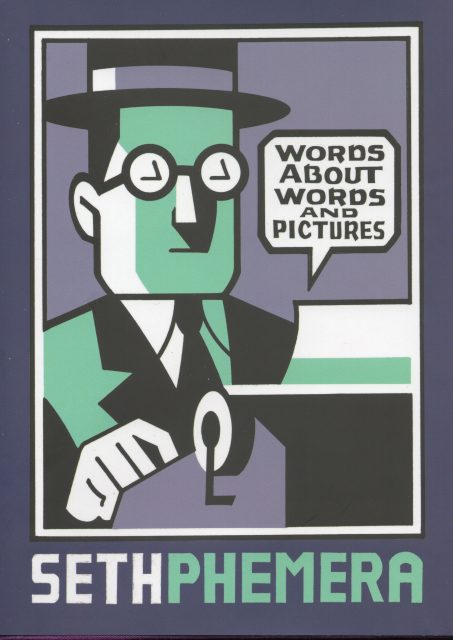
Sethphemera is a curated anthology of "words about words and pictures," as its cover suggests. Unlike traditional critical anthologies, its contents were not originally written as a unified volume. Instead, they are culled from decades of "ephemera": introductions to archival collections (such as the John Stanley Library), transcripts of public speaking engagements, and long-form appreciations of peers and predecessors.
The book arrives at a time when prominent cartoonists rarely engage in sustained, public criticism. While figures like Chris Ware occasionally contribute "appreciations" to high-brow outlets like The New Yorker or The New York Review of Books, these pieces often function more as diplomatic advocacy for the medium than as rigorous analysis. Seth’s approach in Sethphemera is markedly different. It is colloquial, diaristic, and deeply rooted in the specific aesthetic sensibilities that have made him a pillar of the "alternative comics" movement since the 1990s.
Seth’s unique position as both an artist and a historian of the medium makes him a compelling subject for such a collection. Known for his meticulous world-building in the fictional city of Dominion and his award-winning book designs for Fantagraphics and Drawn & Quarterly, Seth’s critical voice is one that prioritizes atmosphere, memory, and the "human element" over technical breakdown.
2. Chronology: From Influenced Artist to Cultural Icon
To understand Sethphemera, one must understand the trajectory of Seth’s career, which the book mirrors through its disorganized but evocative structure. The collection serves as a chronological record of an artist finding his place within a historical tapestry.
The Formative Years (The 1980s and 90s)
In the essay "Dozen Stories," Seth reflects on his discovery of the medium through Charles Schulz’s Peanuts and his subsequent time in art school. This period was defined by a struggle for self-individuation. Alongside peers like Chester Brown and Joe Matt, Seth was part of a generation of "Anglophone alt-cartoonists" who defined themselves against the commercialism of the mainstream industry. His early writings, such as the 1998 introduction to Dylan Horrocks’ Hicksville, reveal a creator deeply preoccupied with "what-might-have-been"—a theme that would eventually manifest in his own Great Northern Brotherhood of Canadian Cartoonists.
The Mid-Career Archivist (The 2000s)
As Seth’s reputation grew, he transitioned from a "young upstart" to a designer and curator of the medium’s history. His work on the Peanuts library and the Doug Wright collections required him to articulate his aesthetic theories. During this phase, his writing became more focused on the "vernacular" of design. A 2003 trip to Santa Rosa to meet Charles Schulz’s widow, Jeannie, serves as a pivotal moment in the book, marking Seth’s transition from a fan to a steward of a legend’s legacy.
The Respected Elder (The 2010s to Present)
The later sections of the book include prestigious lectures, such as the Munro Beattie Lecture at Carleton University. Here, Seth is no longer just a cartoonist; he is a representative of Canadian culture. His focus shifts toward the passage of time and the preservation of memory, culminating in his induction of elders like Merle Tingley into the Hall of Fame of Canadian cartoonists.
3. Supporting Data: Analysis of the "Sethian" Aesthetic
The heart of Sethphemera lies in Seth’s attempt to define a "Personal Vernacular Canadian Design Style." In a 60-page centerpiece essay originally written for The Devil’s Artisan, Seth breaks down his aesthetic into three recurring motifs:
A. The Vastness of Landscape
Seth argues that the Canadian identity is inextricably linked to the "Idea of North"—a sense of open, often daunting space. He admits that while most modern Canadians are urbanites, the myth of the landscape remains a defining psychological feature. In his own work, this manifests in his use of wraparound covers and expansive two-page spreads that prioritize mood over narrative momentum.
B. Symbols of Officialdom
The book showcases Seth’s fascination with coats-of-arms, logos, and government ephemera. He views these symbols not as political statements, but as markers of "permanence." By creating his own insignia for fictional entities, Seth bridges the gap between historical fact and personal fiction.
C. The Aesthetic of Modesty (and Boredom)
Perhaps the most "Sethian" concept is his embrace of "modesty," which he equates to a productive form of dullness. He posits that if one "stretches out" boredom, it eventually becomes interesting. This philosophy informs his storytelling technique—a "negative beauty" where the focus is on the quiet, mundane moments of a life lived, rather than dramatic spectacle.
Technical Reticence
Notably, the data within Sethphemera reveals a surprising lack of technical craft analysis. When discussing Jack Kirby, Seth compares his confidence to Picasso but spends more time discussing Kirby’s "monumental" stature in the industry than the mechanics of his line work. This suggests that for Seth, criticism is an emotional and atmospheric exercise rather than a technical one.
4. Official Context: The "Respected Artist" Arc
While Seth maintains a self-deprecating tone throughout the book—claiming he is not a "Writer with a capital W"—the official accolades documented within tell a different story. The book serves as a record of his "official" recognition by the Canadian cultural establishment.
- The Hall of Fame: Seth’s essay on Merle Tingley highlights his role in the Joe Shuster Awards, where he moved from an elementary school student inspired by Tingley to the man presenting him with a lifetime achievement medal.
- The Munro Beattie Lecture: His inclusion in this series places him alongside the country’s most distinguished literary figures, signaling that the "junk" of his youth (comics) has officially transitioned into "serious art."
- Archival Influence: His work with the John Stanley Library and The Collected Doug Wright shows how his personal aesthetic has been allowed to "overwrite" the historical presentation of these artists. Seth has been criticized by some for positioning his own design sensibilities above the original artists, yet this "official" role as a tastemaker is precisely what Sethphemera documents.
5. Implications: The Creator as a "Subjective" Critic
The primary implication of Sethphemera is that a cartoonist’s criticism is rarely objective; instead, it is an extension of their own artistic "smithy." Seth does not analyze Charles Schulz or Doug Wright to understand them in a vacuum; he analyzes them to understand how they fit into the "tapestry" of his own life and work.
The Paradox of Dogmatism
Seth frequently makes sweeping statements about the medium, such as "comics are more like poetry than prose or film." While intellectually stimulating, these assertions reveal a limited, highly personal definition of art. The implication is that the creator-critic is often too "close" to the form to see its vastness, preferring to squeeze the medium into a shape that fits their own practice.
The Authenticity of the "Hodge-Podge"
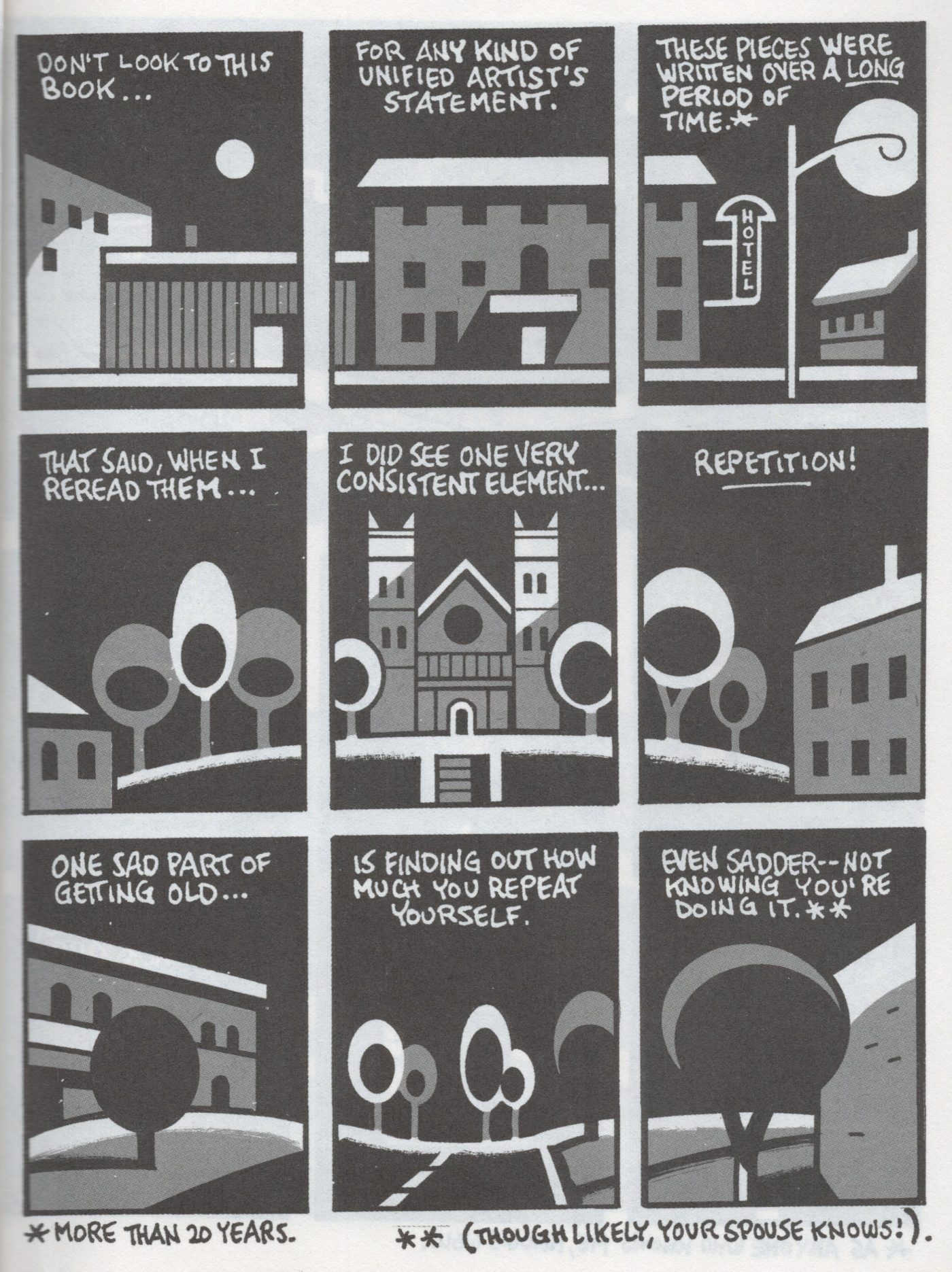
Despite its critical shortcomings, the "patchwork" nature of Sethphemera offers a more authentic portrait of an artist than a polished manifesto ever could. By leaving the essays largely unedited, the book captures the spontaneity of Seth’s thought process. It suggests that the most valuable thing a creator-critic can offer is not "objective truth," but a "confessional truth."
Conclusion: A Legacy of Memory
Ultimately, Sethphemera suggests that the cartoonist’s greatest critical tool is not the magnifying glass, but the memory. Seth’s hunger for an artistic lineage and his desire to shape "Canada" in his own image are moving precisely because they are so personal.
As Hagai Palevsky notes in his examination of the work, the book may not satisfy those looking for a rigorous academic deconstruction of the medium. However, as an "artist’s statement," it is unparalleled. It captures the transition from a young boy lying on the floor reading "junk" pamphlets to a middle-aged man in a dignified study, still finding the same transcendental joy in the combination of words and pictures. In the end, Sethphemera proves that while the cartoonist may not be a traditional critic, they are perhaps the most vital witnesses to the medium’s soul.