
The Pen Behind the Punchline: Remembering Tom “SWISS” Wuthrich (1945–2026)
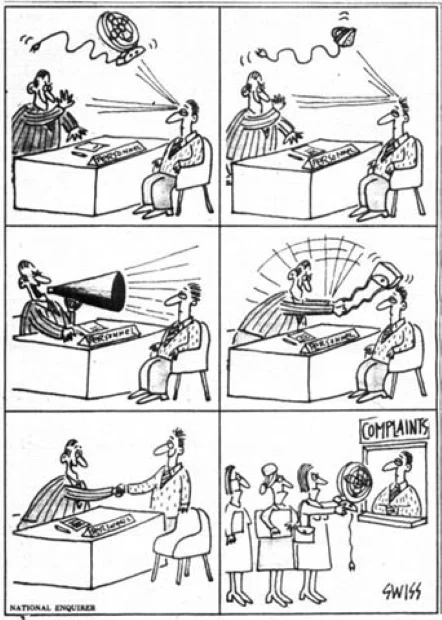
The world of American illustration and magazine humor has lost one of its most prolific and versatile voices. Thomas Frederick Wuthrich, better known to millions of readers by his distinctive pen name “SWISS,” passed away on May 14, 2026, at the age of 80. A resident of Royal Oak, Michigan, Wuthrich’s career spanned over five decades, bridging the gap between the golden age of print periodicals and the digital transition of the 21st century.
Wuthrich was not merely a cartoonist; he was a "gag architect" whose wit fueled some of the most recognizable comic strips and magazines in the world. From the sophisticated pages of The New Yorker style markets to the gritty humor of Hustler and the wholesome panels of Highlights for Children, Wuthrich’s ability to pivot between demographics made him a rarity in a highly competitive and specialized field.
Main Facts: The Life and Legacy of a Gag Master
Tom Wuthrich’s career was defined by its incredible breadth. Operating under the brand "Swisstoons," he became a staple of the freelance cartooning circuit during an era when magazine cartoons were the primary vehicle for social commentary and observational humor.
While many cartoonists struggle to find a single niche, Wuthrich excelled in three distinct areas of the industry:
- Greeting Card Writing: In the early 1970s, he was a primary engine for companies like Hallmark and American Greetings, crafting the short, punchy sentiments that defined the "studio card" era.
- Ghostwriting and Gag Supplying: Before he was a household name in his own right, Wuthrich was the "silent partner" for legendary strips. He provided gags for Bill Hoest’s The Lockhorns and Bumper Snickers, as well as for Randy Glasbergen and Stan Fine.
- Freelance Magazine Cartooning: Under the name "SWISS," his single-panel cartoons appeared in a staggering array of publications, including Reader’s Digest, Good Housekeeping, Penthouse, The Saturday Evening Post, National Enquirer, and TV Guide.
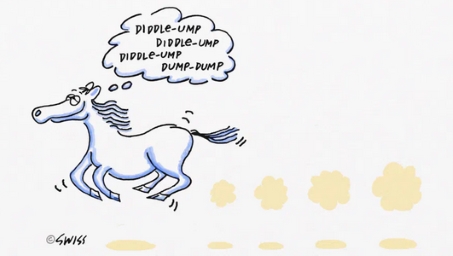
His signature was more than just a name; it was a guarantee of a certain level of craftsmanship. His drawings were characterized by clean lines, expressive character movements, and a mastery of the "one-liner" that required no further explanation.
Chronology: From Greeting Cards to National Syndication
The Early Years and the "Gag Factory" (1971–1979)
Wuthrich’s entry into the professional world began not with a brush, but with a typewriter. In 1971, he began freelancing as a gag writer for the burgeoning greeting card industry. This was a formative period where he learned the economy of language—how to set up a premise and deliver a punchline in under twenty words.
By 1976, his reputation for sharp wit led him to become a "writer’s writer." He began selling concepts to established cartoonists who had the drawing skills but needed a constant stream of fresh ideas to meet daily syndication deadlines. His work for Bill Hoest on The Lockhorns is particularly noteworthy, as that strip required a very specific type of cynical, domestic observational humor that Wuthrich mastered effortlessly.
The Rise of "SWISS" (1980–2006)
Encouraged by his peers and the cartoonists he was writing for, Wuthrich took up the pen himself in the late 1970s. By 1980, he had officially transitioned into a full-time freelance cartoonist. It was during this 26-year stretch that the "SWISS" signature became a ubiquitous sight in American doctor’s offices, waiting rooms, and living rooms.
Throughout the 1980s and 90s, Wuthrich achieved what many in the industry called the "Grand Slam" of cartooning: selling to both the high-paying "slick" magazines (like Penthouse and Good Housekeeping) and the high-circulation weeklies (like The National Enquirer). His LinkedIn records and professional archives indicate that he sold to hundreds of different markets during this period, a testament to his work ethic in an era before digital submission made the process instantaneous.
The Later Years and Legacy (2007–2026)
As the magazine industry began to contract in the mid-2000s, Wuthrich’s work remained a benchmark for classic single-panel cartooning. He remained active in the cartooning community, often cited as an inspiration by younger artists for his ability to maintain a freelance career for over a quarter-century without the safety net of a single syndicated strip. He passed away peacefully in May 2026, leaving behind a body of work that serves as a time capsule of late 20th-century American life.
Supporting Data: A Diverse Portfolio of Influence
To understand the scale of Wuthrich’s impact, one must look at the diversity of his client list. The following publications were frequent homes for his work, showcasing his range:
- Family and Lifestyle: Good Housekeeping, Reader’s Digest, New Woman, The Saturday Evening Post.
- Adult and Satire: Penthouse, Hustler, National Enquirer.
- Specialized and Trade: American Medical News, TV Guide.
- Children’s Media: Highlights for Children.
According to industry data from the Lambiek Comiclopedia, Wuthrich’s transition from a writer to an artist was a pivotal moment in his career. It allowed him to retain full creative control and copyright over his "Swisstoons" brand. His productivity was legendary; at his peak, he was submitting dozens of "roughs" (preliminary sketches) per week to various editors across the country.
His colleagues, including the late Randy Glasbergen, often noted that Wuthrich had an uncanny ability to "think in pictures." While many writers could craft a funny sentence, Wuthrich could craft a funny situation that only needed a minimal caption to land.
Official Responses and Tributes
Following the announcement of his passing via the Desmond Funeral Home, the cartooning community has shared reflections on Wuthrich’s career.
The Lambiek Comiclopedia, an authoritative resource on comic art, updated his entry to highlight his contributions as both a writer and an artist, noting: "With encouragement from some cartoonist friends, he began drawing his own gags… Tom Wuthrich (Swiss) was a pillar of the Royal Oak, Michigan creative community."
On professional networks and cartooning forums, former editors have praised his reliability. "Tom was the consummate professional," said one former editor of a national weekly. "In a world of temperamental artists, ‘Swiss’ was a clockwork provider of humor. He understood the audience of every magazine he drew for. He could be edgy for the men’s magazines and heartwarming for the family slicks without ever losing his artistic soul."
His family’s obituary emphasized his dual identity: "Tom was a talented cartoonist, also known by his pen name, ‘Swiss’ of Swisstoons. He was a man who saw the humor in the everyday and had the rare gift of being able to share that vision with the world."

Implications: The End of an Era for the "Gag Freelancer"
The passing of Tom Wuthrich marks more than the loss of an individual artist; it signifies the fading of a specific archetype in American media: the "Gag Freelancer."
In the pre-internet era, the freelance cartoonist was a vital part of the magazine ecosystem. These artists provided the "breathing room" between heavy investigative pieces or long-form essays. Wuthrich was one of the last great practitioners of this craft who could sustain a decades-long career solely on the strength of individual sales to various mastheads.
The Shift to Digital
Wuthrich’s career (1971–2006) perfectly mirrored the peak and subsequent decline of the printed magazine. Today, the single-panel gag has largely migrated to social media and webcomics, where the business model is driven by "likes" and "shares" rather than per-cartoon checks from editors. Wuthrich’s success proves that there was once a thriving middle class of artists who could earn a respectable living through the sheer volume of their wit.
The Legacy of "Swisstoons"
Wuthrich’s work will likely continue to be studied by historians of American humor for its versatility. He was a chameleon of comedy. His ability to write for The Lockhorns—a strip about the frictions of marriage—while simultaneously drawing for Highlights—a magazine for children—demonstrates a psychological flexibility that is rare in any creative field.
As we look back on the career of Thomas Frederick Wuthrich, we see a man who spent his life making the world a slightly lighter place, one panel at a time. Whether it was a wry observation about the medical profession or a silly visual pun for a child, "SWISS" understood that humor is the universal language. His pens may have been stilled, but the laughter he generated across 50 years of American print remains a permanent part of our cultural fabric.
He is survived by his family, his colleagues in the National Cartoonists Society, and a vast archive of "Swisstoons" that continue to circulate in anthologies and digital archives, reminding us of a time when a simple drawing and a clever caption were all it took to capture the human condition.

Leave a Comment