The Unseen Ever-Lovin’ Blue-Eyed Thing: Analyzing the Scrapped Concept Art for a Lost Fantastic Four Reboot
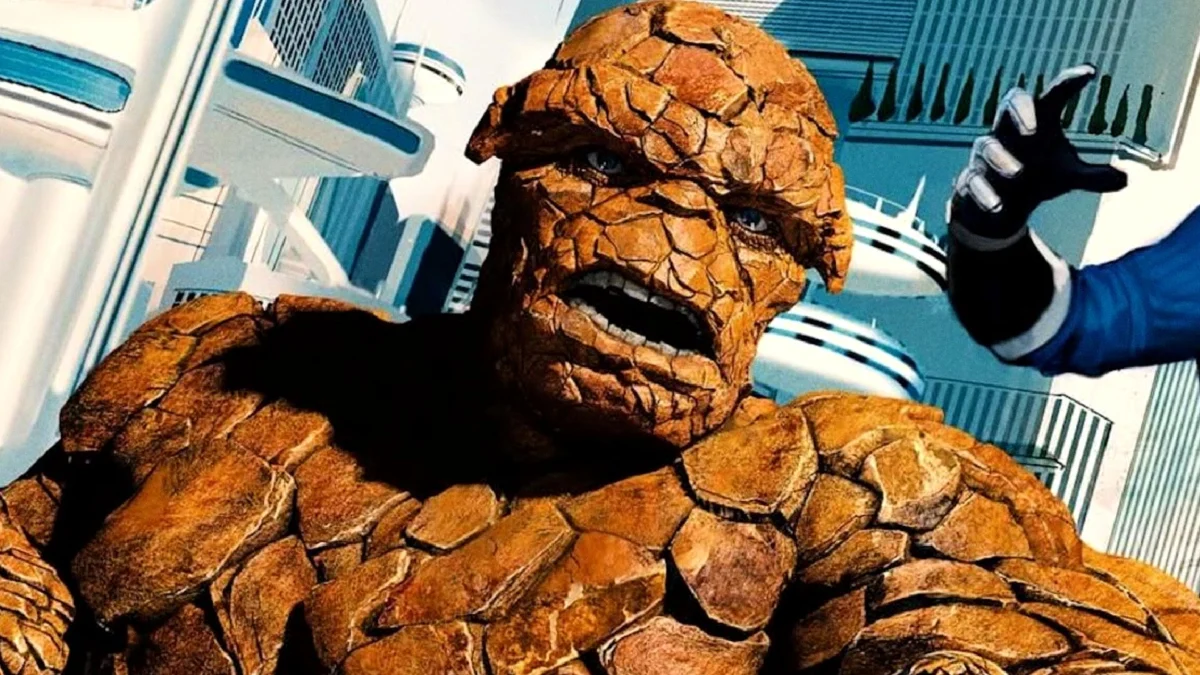
The history of the Fantastic Four in cinema is a storied tapestry of ambitious starts, creative pivots, and high-profile disappointments. As Marvel’s "First Family," Reed Richards, Sue Storm, Johnny Storm, and Ben Grimm carry a legacy that predates the modern superhero boom, yet their transition to the silver screen has often been fraught with tonal inconsistencies. Recently, a significant piece of this developmental history resurfaced, offering a glimpse into an era when the franchise was searching for a new identity. Renowned concept artist Jerad S. Marantz has revealed a series of "wild" and "gritty" designs for The Thing, intended for a scrapped Fantastic Four reboot in the late 2000s—a discovery that highlights the industry’s long-standing struggle to balance comic-book whimsy with cinematic realism.
Main Facts: The Marantz Reveal and the "Gritty" Ben Grimm
Jerad S. Marantz, a veteran concept artist whose portfolio includes some of the most iconic creatures in the Marvel Cinematic Universe (MCU) and the DC Extended Universe (DCEU), shared the previously unseen artwork via his social media platforms. According to Marantz, these designs were commissioned during a period of flux for the Fantastic Four property at Twentieth Century Fox, specifically in the years following the release of Fantastic Four: Rise of the Silver Surfer (2007) but before the eventual 2015 reboot directed by Josh Trank.
The revealed concept art presents several radical departures from the traditional orange, brick-like appearance of Ben Grimm. The designs range from the scientifically plausible to the overtly monstrous:
- The Asymmetrical Behemoth: One iteration features Ben Grimm with irregular, jagged rock formations, moving away from the "uniform plate" look of the comics.
- The Biological Abomination: Another design showcases bone-like protrusions and sharp extensions on the limbs, reminiscent of the character Abomination from The Incredible Hulk.
- The Grey Golem: A particularly striking piece depicts The Thing as being composed of smooth, round grey stones rather than orange sediment, leaning into a more "earthen elemental" aesthetic.
- Varying Body Types: The art explores different physiques, ranging from a lean, muscular "fighter" build to a more lumbering, pot-bellied version that emphasizes the tragic weight of Ben’s transformation.
Marantz noted that during this era, Marvel projects frequently went "in and out of development" as studios grappled with how to respond to the burgeoning success of more "grounded" superhero films like Christopher Nolan’s The Dark Knight.
Chronology: A History of Developmental Turbulence
To understand why these designs exist, one must look at the timeline of the Fantastic Four film rights and the shifting trends in Hollywood.
The Early Efforts (1994–2007)
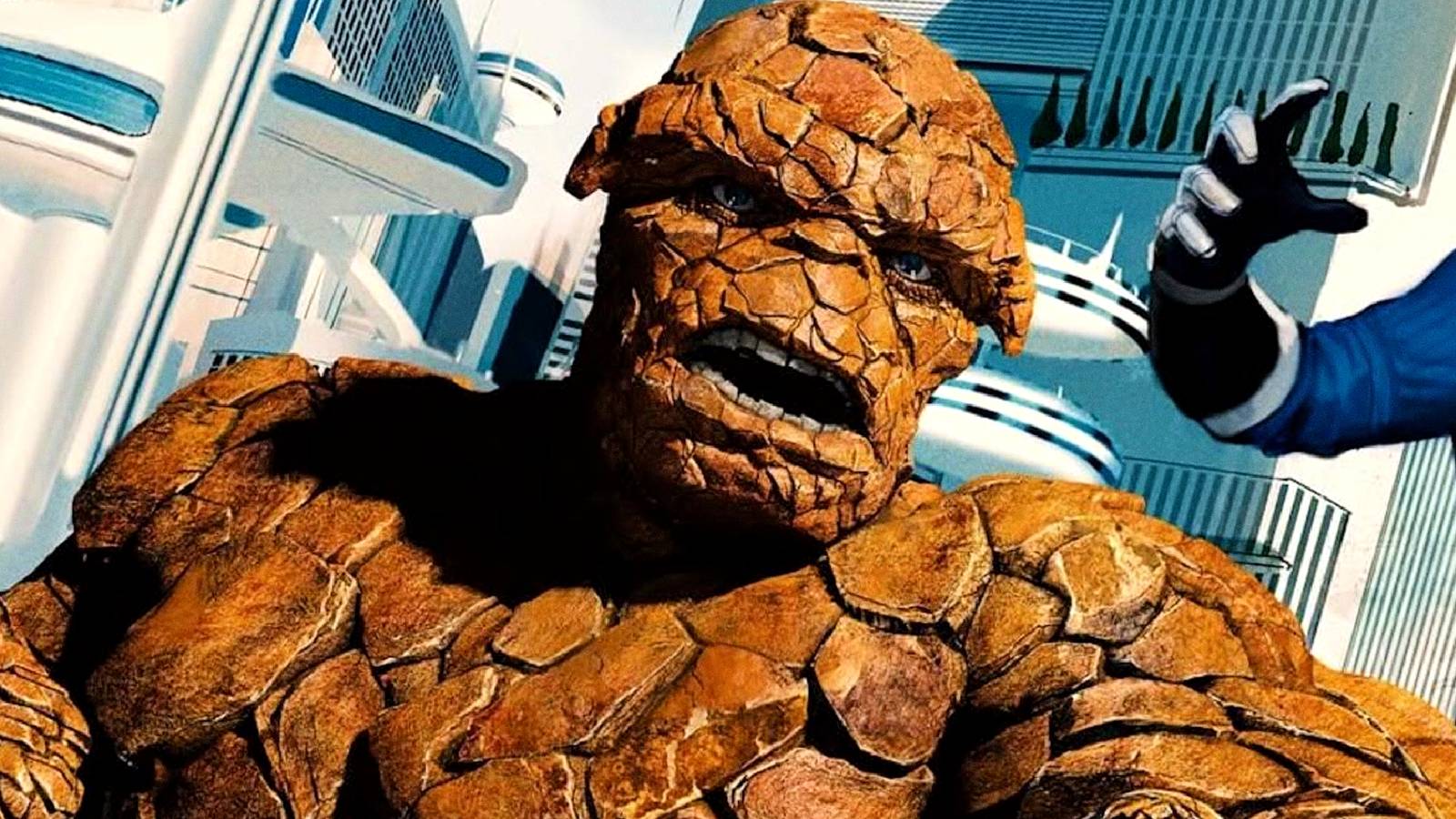
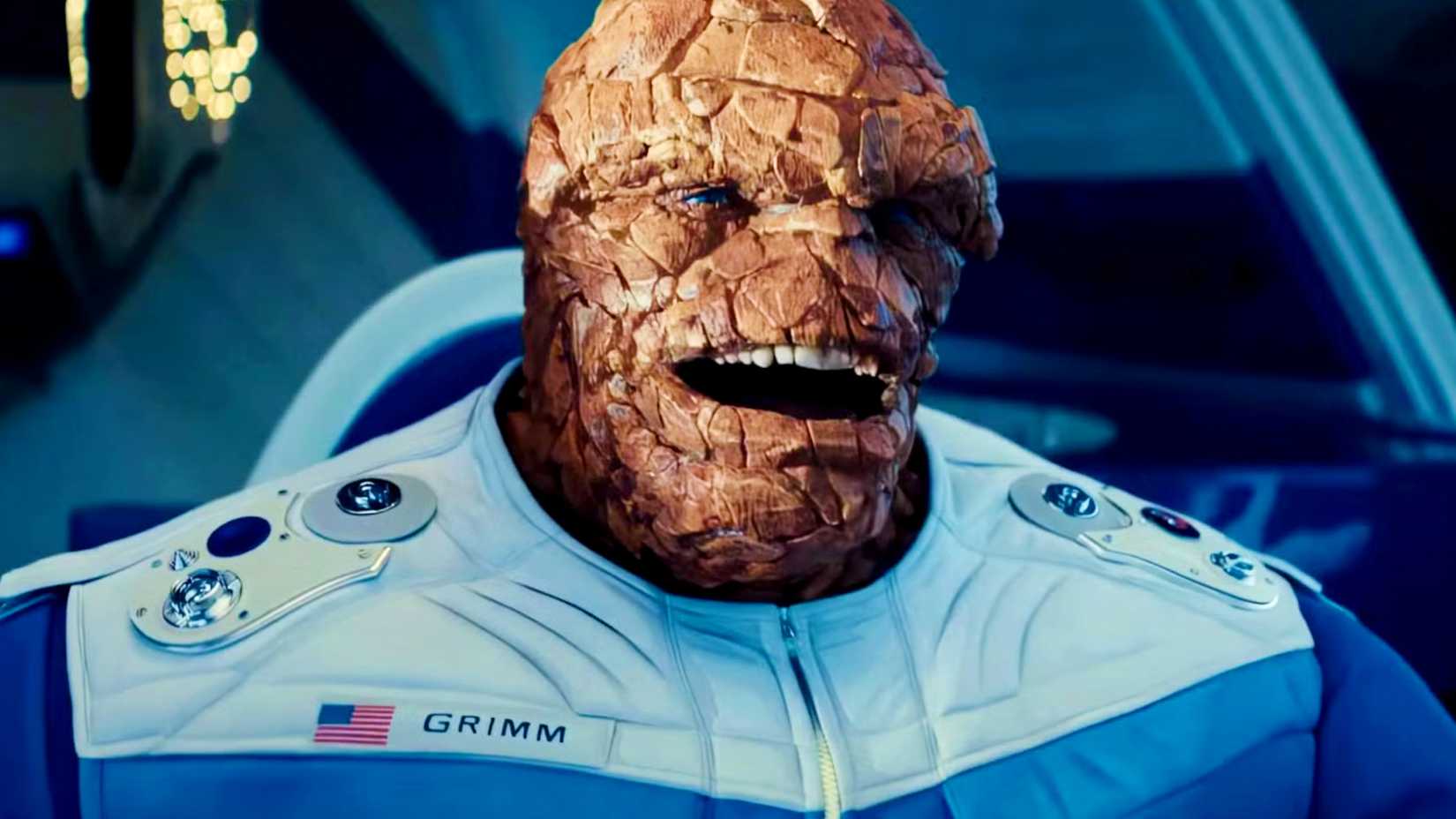
The journey began with the infamous 1994 unreleased film produced by Roger Corman, which featured a low-budget, practical rubber suit for The Thing. This was followed by the Tim Story-directed films in 2005 and 2007. These movies opted for a more "faithful" but sanitized version of the team. Michael Chiklis portrayed Ben Grimm using heavy prosthetics. While Chiklis’s performance was praised for capturing the character’s heart, the practical suit limited the character’s scale, making him appear as a tall man in a suit rather than a massive, superhuman powerhouse.
The "Lost" Reboot Era (2008–2012)
Following the diminishing returns of Rise of the Silver Surfer, Fox began exploring ways to modernize the brand. This is the period from which Marantz’s art originates. At this time, the MCU was in its infancy (Iron Man had just debuted in 2008), and the industry was divided between the "bright and colorful" aesthetic of the early 2000s and the "dark and gritty" trend of the 2010s. Fox commissioned various writers and artists to reimagine the team, often leaning into body horror or hard science fiction.
The Trank Experiment and the MCU Era (2015–Present)
The "gritty" impulse eventually culminated in Josh Trank’s 2015 Fantastic Four. This film adopted several elements seen in Marantz’s earlier concepts—most notably a CGI Thing (played by Jamie Bell) who was made of irregular, sharp rocks and notably lacked his signature blue pants. The film was a critical and commercial failure, leading to a hiatus for the franchise until Disney’s acquisition of 21st Century Fox. Now, under Marvel Studios, the upcoming The Fantastic Four: First Steps is pivoting back to a 1960s retro-futurist aesthetic, with Ebon Moss-Bachrach playing a Ben Grimm that looks remarkably close to Jack Kirby’s original drawings.

Supporting Data: The Technical Evolution of the Rock-Skin
The difficulty in adapting The Thing lies in the technical "uncanny valley." Ben Grimm is not just a man in a suit; he is a character whose skin is a geological feature.
| Film Version | Method | Aesthetic Choice | Audience Reception |
|---|---|---|---|
| 1994 (Corman) | Practical (Rubber) | Low-budget Comic | Generally Mocked |
| 2005 (Story) | Practical (Prosthetics) | Human-scaled / Orange | Mixed (Liked the heart, disliked the scale) |
| 2015 (Trank) | CGI (Motion Capture) | Realistic / Asymmetrical | Negative (Too "monstrous") |
| 2025 (MCU) | CGI (Motion Capture) | Kirby-Accurate / Stylized | Highly Anticipated |
Data from industry analysts suggests that the "stylized" approach often yields better results for characters with non-human features (e.g., Thanos, The Hulk) than the "hyper-realistic" approach. When The Thing is made to look too much like actual stone, the audience loses the ability to read his facial expressions, which are vital for a character defined by his inner humanity.
Official Responses and Artist Philosophy
While Twentieth Century Fox never officially commented on the specific scrapped designs from the late 2000s, Jerad S. Marantz’s commentary provides insight into the creative vacuum of that era. Marantz explained that the goal was often to "find the character" through visual experimentation.
"The Thing is a tough one," Marantz noted in his social media posts. "You want him to look powerful and like a monster, but he has to have that soul."
Industry insiders suggest that the reason these grittier designs were ultimately shelved—or modified for the 2015 film—was a lack of cohesive vision at the studio level. Unlike the current Marvel Studios model, which operates under a singular creative oversight (Kevin Feige), the Fox-era Fantastic Four projects were often driven by different directors with wildly different tones, leading to a "design-by-committee" feel that Marantz’s art reflects in its sheer variety.
Implications: Why Comic Accuracy Trumps Realism for Ben Grimm
The revelation of these scrapped designs serves as a cautionary tale for future superhero adaptations. The "gritty" designs for Ben Grimm failed to gain traction because they ignored the fundamental psychology of the character.
The "Ever-Lovin’" Factor
Ben Grimm is famously the "heart" of the Fantastic Four. His tragedy is that he is a monster on the outside but a gentle, cigar-chomping uncle on the inside. When the design leans too heavily into "realistic rock" or "bone protrusions," the character becomes a creature of horror. This makes it difficult for audiences to buy into the "family" dynamic that is the cornerstone of the franchise.
The Kirby Legacy
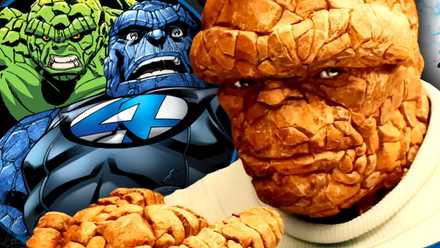
The MCU’s decision to return to the Jack Kirby look for The Fantastic Four: First Steps is a strategic admission that the original 1961 design was perfect. Kirby’s Thing—with his heavy brow, blocky fingers, and bright orange hue—is an icon of pop art. By embracing the "comic-bookiness" of the character, Marvel Studios avoids the trap of trying to make a "biologically plausible" rock man, which Marantz’s art proves can look jarring or even repulsive.
The Future of the Franchise
As The Fantastic Four: First Steps nears its 2025 release, the Marantz concept art acts as a valuable historical artifact. It represents the "road not taken"—a version of the Marvel Universe that was ashamed of its pulp roots and desperate to appear "adult." The fact that these designs remained on the cutting room floor suggests that both the industry and the audience have moved toward a greater appreciation for the source material’s original aesthetic.
In conclusion, while Jerad S. Marantz’s work is a masterclass in creature design and imagination, it underscores the unique challenge of the Fantastic Four. Some characters demand a departure from reality to feel "real" to the audience. Ben Grimm is not a collection of rocks; he is the Ever-Lovin’ Blue-Eyed Thing, and as cinematic history has shown, anything less than that iconic image feels like a shadow of the real hero.