Gods Among Us: An Existential Crisis Becomes the New Normal
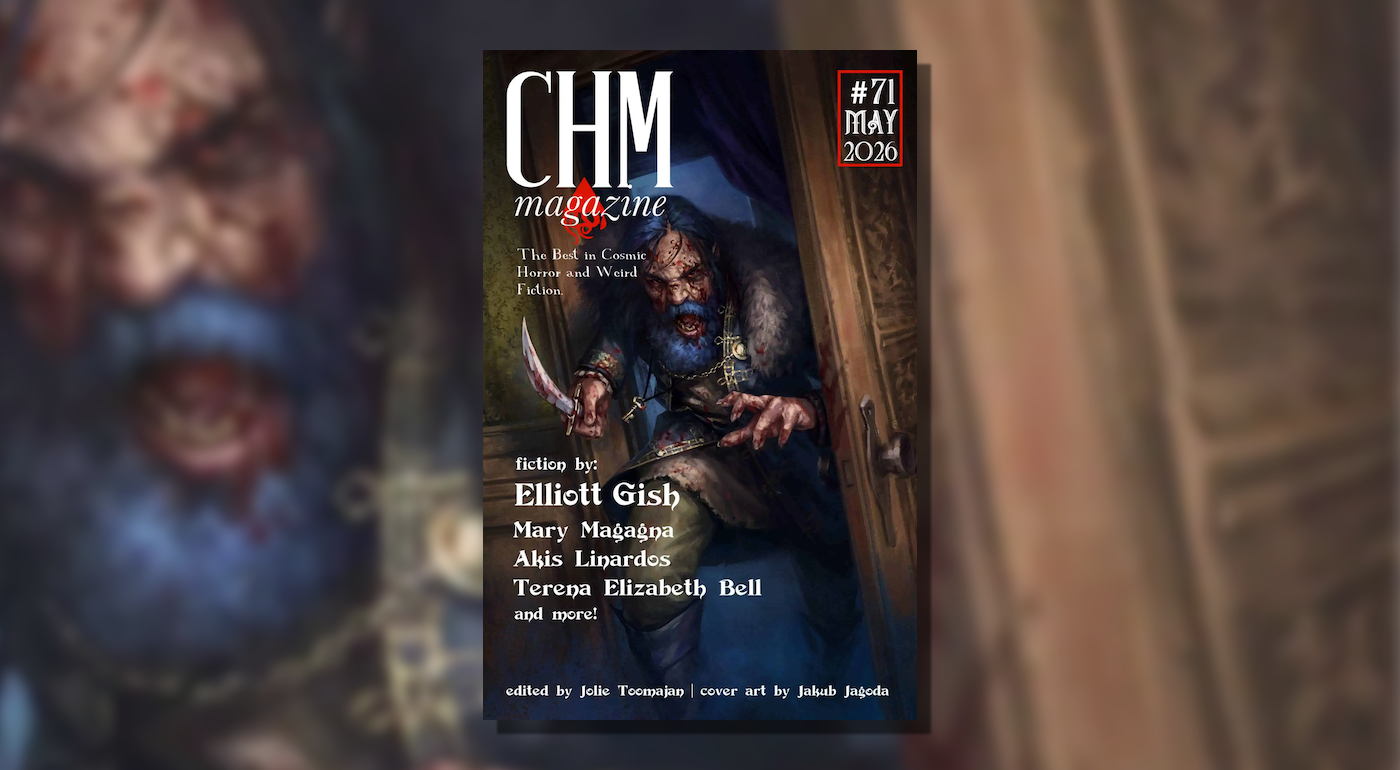
Greater Midlands, May 2026 – Humanity finds itself at an unprecedented crossroads, grappling with the tangible reality of fallen deities now residing on Earth. What began as isolated, awe-inspiring sightings has rapidly evolved into a peculiar new facet of daily life, transforming the very fabric of societal norms and challenging fundamental understandings of the cosmos. As chronicled in Matthew MacDonald’s recent work, "How to Deal with Fallen Gods," first published in Cosmic Horror Monthly, the arrival of these colossal, bewildered entities has sparked a profound re-evaluation of our place in the universe, even as much of the world strives to maintain a veneer of normalcy.
The phenomena, concentrated primarily in the region now colloquially known as the "Greater Midlands," present a paradoxical challenge. These beings, once thought to inhabit realms of myth and legend, are now physical presences – indifferent, immense, and often disruptive. Yet, despite the profound existential implications, the human response has largely settled into a strange blend of fascination, fear, and, perhaps most strikingly, mundane adaptation. This ongoing integration of the divine into the quotidian underscores a peculiar resilience, or perhaps a deep-seated denial, that characterizes the early 21st century.
Main Facts: The Unsettling Arrival
The central and undeniable fact shaping contemporary existence is the manifest presence of what can only be described as gods. These aren’t ethereal spirits or fleeting apparitions; they are physical, often colossal, beings that have materialized across our planet, with a notable concentration in the Greater Midlands. Their arrival, devoid of fanfare or explanation, has plunged humanity into an era of unprecedented cosmic uncertainty.
Initially, their presence evoked widespread astonishment and terror. Reports spoke of titans, their bodies the size of fallen redwoods, lying inert or lumbering aimlessly. These beings are described as appearing confused, disoriented, and perhaps even scared by a world so drastically different from their unknown origins. Crucially, they exhibit no discernible interest in humanity, offering no pronouncements, performing no miracles, and responding to no overtures. They simply are.
This lack of interaction, coupled with their sheer scale and often passive demeanor, has led to a societal response that defies conventional expectations for first contact. Rather than unified global panic or immediate theological overhaul, a pragmatic, if unsettling, normalization has taken root. The initial frenzy of wonder and fear has given way to a world where a fallen god is an obstacle to be detoured around, a curiosity for tourists, and a subject for online debate rather than a harbinger of apocalypse. The core mystery remains: Why are they here? This question, asked by billions, hangs heavy in the collective consciousness, largely unanswered and increasingly sidelined by the exigencies of daily life.
Chronology: From Awe to Apathy
The narrative of humanity’s engagement with the fallen gods is one of swift, almost jarring, transition from profound awe to a peculiar form of bureaucratic and social adaptation.
Early Sightings: The Dawn of the Divine Descent
The very first confirmed sighting of a fallen god marks the official beginning of this new era. It was a fisherman on a tranquil lake who bore witness to the impossible: a bronze-skinned, "thunderous mass" with flowing blond locks emerging clumsily from the water. This entity was later identified by burgeoning deity identification communities as Forseti, the Norse god of justice, peace, and truth. Like many of the earliest arrivals, Forseti wandered aimlessly, a solitary enigma in an alien landscape. His initial movements were characterized by a profound lack of purpose, as if he himself were lost in a bewildering dream.
These early days were marked by public fascination, mixed with palpable fear. Crowds would gather around the inert forms of these titans, their hushed, excited voices barely disturbing the cosmic silence emanating from the beings. The unnamed narrator (UN) recalls lingering with such a crowd until nightfall, captivated by the sheer impossibility of the sight. The gods, however, remained unresponsive, their immense forms silent witnesses to humanity’s burgeoning confusion.
Societal Adaptation: Normalizing the Abnormal
As more gods appeared, the initial shock began to wane, replaced by a strange, almost mundane, process of integration. The solitary wanderers eventually gave way to gods sighted in groups, though their interactions with each other and the world remained minimal, suggesting these clumpings might be coincidental rather than communal.
The public’s response quickly evolved. Online communities, such as dedicated subreddits, sprang up for deity identification, cataloging the growing pantheon of terrestrial gods. UN wryly compares this burgeoning enthusiasm to a "slightly unusual game of Pokémon Go," highlighting the human tendency to gamify even the most profound existential shifts. This phase saw a remarkable shift from the reverential fear of the unknown to a more pragmatic, even trivializing, engagement. People began to incorporate "god sightings" into their daily routines, learning detours to avoid them, much like navigating an unexpected road closure.
Yet, this superficial adaptation masked deeper anxieties. The gods, despite their passivity, were not without impact. Their colossal forms damaged roads and buildings, disrupted traffic, and occasionally crushed the unwary. When a god fell and had to be physically removed – "dragged off to a warehouse" by specialized teams – its "psychic weight" was said to linger, a palpable residue of cosmic displacement. This subtle, pervasive sense of unease hinted at the true cost of their presence, even as life largely went on.
Escalating Encounters: The Cracks in the Veneer
Despite efforts to normalize the situation, personal encounters with the gods began to reveal the profound psychological toll of their presence. UN’s friend, Tiff, recounts a chilling experience: locking eyes with Freyja, the Norse goddess of love, beauty, fertility, and war. Tiff describes seeing a "blank emptiness" in the goddess’s gaze, as if Freyja "couldn’t remember why she was there." This unsettling encounter leads Tiff to ponder if the gods are "becoming more human," a question UN initially scoffs at, yet secretly resonates with.
This casual discussion before a Pilates class exemplifies the era’s bizarre dichotomy: cosmic horror debated amidst mundane routines. UN, despite their outward skepticism, harbors a growing, unspoken dread, a feeling that "substances that should never meet and mix are slowly seeping together." This internal struggle culminates in a deeply personal and unshared encounter. While walking along a river, UN becomes the first to sight a white-bearded god, curled around his weathered shield. Frozen in place, UN meets the god’s "unearthly black eyes," which burn with accusation. A deafening question pierces UN’s mind, echoing long after they’ve fled: "For what purpose did you make me?" This singular, profound query shatters UN’s carefully constructed normalcy, revealing the hidden "craziness" lurking beneath the surface of collective denial. It is a moment that transcends mere observation, forcing a direct confrontation with the existential void opened by the gods’ presence.
Supporting Data: The Nature of the New Reality
The ongoing integration of fallen gods into human society has generated a wealth of observations, leading to both pragmatic guidelines and profound philosophical inquiries. The data collected, from casual anecdotes to expert analysis, paints a vivid picture of a world irrevocably altered.
The Nature of the "Fallen": Indifferent Colossi
Detailed observations of the fallen gods reveal consistent characteristics that challenge conventional notions of divinity. They are consistently described as unresponsive, their colossal forms often lying inert or moving with an aimless, confused grace. The "great limbs of a titan, body the size of a fallen redwood," are a common sight, embodying the "Cyclopean" scale often associated with cosmic horror. Despite their immense power, they exhibit no malevolence towards humanity, nor any benevolence. Their needs, as MacDonald’s work emphasizes, are explicitly "not human needs." They do not seek worship or sacrifice, and attempts to offer such overtures are met with the same profound indifference.
This detached nature is a defining feature. They don’t speak, they don’t acknowledge humanity, and they don’t seem to notice our presence. The Facebook claim of a woman seeing a god playing with her six-year-old is met with widespread skepticism and ridicule, including from UN. The consensus among observers, including UN, is that these gods are not moving towards us, but away from wherever they started, simply ending up here as a final, desolate destination. They are neither innocent nor likely to find peace again, their very existence a cosmic tragedy unfolding on our doorstep.
Humanity’s Peculiar Response: The "Tissue of Normality"
Perhaps the most compelling "supporting data" comes from human behavior itself. Ruthanna, a prominent commentator on "Reading the Weird," incisively highlights a systematic difference between early 20th and early 21st-century cosmic horror: the expected reaction. In a post-World War I world, global events were expected to shake the world; lives had to change. In contrast, the 21st century is characterized by a collective effort to maintain a "tissue of normality," even in the face of world-shaking events.
This phenomenon, which Ruthanna traces back to post-9/11 calls to "get out and shop," prioritizes economic stability and routine over existential reckoning. Twenty-five years later, even a life-threatening pandemic struggled to alter lifestyles for more than a month. Thus, "you certainly can’t cancel Pilates class for an interdimensional incursion." This societal imperative has turned the gods into a strange form of commodity. The "Greater Midlands" has become a burgeoning tourist destination, attracting thousands eager to glimpse a deity. The transformation of god-spotting into a "slightly unusual game of Pokémon Go" perfectly encapsulates this bizarre commodification and normalization.
UN’s internal conflict reflects this broader societal struggle. While externally maintaining a normal life, taking detours around god sightings to get to work and Pilates on time, UN cannot shake the foreboding sense of "movement deep in the earth, in a place that never shifted," and the feeling that "substances that should never meet and mix are slowly seeping together." This tension between the conscious effort to be un-shaken and the subconscious recognition of profound cosmic shifts defines the human condition in this new era.
Official Responses: Managing the Divine Incursion
The arrival of the fallen gods, while challenging to categorize, has necessitated official responses focused on public safety and managing the practicalities of coexisting with indifferent, colossal beings. These responses have evolved from initial cautious advice to more detailed, and sometimes absurd, guidelines.
Initial Guidelines: Caution and Non-Intervention
In the immediate aftermath of the first sightings, authorities and newly formed specialized agencies issued preliminary guidelines aimed at minimizing human risk and interference. These directives were characterized by a tone of cautious respect for the unknown, emphasizing the gods’ potential confusion and fear in an alien world. The primary tenets were:
- "Understand the fallen gods may feel confused or scared, in a world so different from their far-off home." This empathetic framing aimed to temper public panic.
- "DO NOT intervene in their activities." This was a crucial directive, acknowledging the gods’ unresponsiveness and the potential for harm to humans. "They won’t respond, and you may be harmed."
- "DO NOT offer worship or sacrifice." This guideline sought to prevent religious cults or misguided attempts to appease the deities, reinforcing their indifference to human rituals.
- "Use a calm voice, a comforting tone" if speaking to a god. While experts believed the god might "understand," the caveat remained: "but probably won’t respond." This highlights the futility of human communication.
Revised Guidelines and Public Safety: The Safari Protocol
As the phenomenon became more established and the "initial frenzy" passed, the guidelines underwent revision, reflecting a shift towards a more pragmatic, almost wildlife-management approach. With thousands flocking to the Greater Midlands, the focus became less about understanding the gods and more about safely observing them. The tone became less empathetic and more instructional, likening encounters to a safari experience.
The updated guidelines emphasize maintaining a safe distance and avoiding direct interaction:
- "Thousands flock to the ‘Greater Midlands’ since the arrival of the gods. One should take pictures from a safe distance, for gods prefer to avoid humans." This acknowledges the tourism aspect while reiterating caution.
- "DO NOT use ‘bear spray, noise canisters, or other irritants.’" This practical, if somewhat comical, prohibition underscores the physical presence of the gods and the dangers of provoking them with conventional deterrents.
- "DO NOT climb trees." Ruthanna’s commentary vividly illustrates the logic: "Bears can climb trees after you; gods can knock them down." This highlights the sheer physical power of the entities.
- "DO NOT make eye contact." This crucial revision, likely influenced by experiences like Tiff’s encounter with Freyja and UN’s terrifying confrontation, suggests that direct visual engagement carries profound psychological risks, potentially triggering "craziness" or existential dread.
The overarching message of the revised guidelines, delivered with an almost chilling cheerfulness, is to normalize the abnormal: "Above all, don’t worry, have fun. Follow these tips, and you can safely enjoy your stay!" This reflects a governmental and societal effort to integrate the divine incursion into a manageable, even enjoyable, experience, minimizing its world-shaking implications for the sake of the economy and public morale. The logistical challenges, such as "carting off" fallen gods by "Waste Removal," further underscore this bizarre bureaucratic pragmatism.
Implications: The Shifting Sands of Reality
The presence of fallen gods on Earth carries profound implications, touching upon existential philosophy, societal resilience, and the very future of human understanding. The phenomenon forces a confrontation with the "Weirdbuilding" of our reality, where established truths are crumbling.
Existential Crisis vs. Mundane Life: The Unbearable Normalcy
The most immediate implication is the ongoing tension between the cosmic horror presented by the gods and humanity’s resolute commitment to mundane life. The core of this conflict lies in Ruthanna’s observation that "we all know, but we aren’t permitted to be shaken." The gods, by their very presence, "completely undermin[e] everyone’s understanding of how the universe works and humanity’s place in it." Yet, the prevailing sentiment is that "you certainly can’t expect to stay home for that."
This forced normalcy exacts a toll. The "Madness Takes Its Toll" observation is apt: Tiff’s "crazy" experience meeting Freyja’s eyes, and UN’s hidden "craziness" after their own encounter, illustrate that true engagement with the gods’ reality can break the carefully constructed tissue of sanity. The indifference of the gods, their lack of a cosmic message or desire for human interaction, leaves a void that humanity struggles to fill, oscillating between denial and a creeping, unacknowledged dread.
The "Why" and the "What Next": A Deeper Horror
The question posed to UN by the white-bearded god – "For what purpose did you make me?" – opens up a terrifying array of possibilities regarding the gods’ origins and purpose. Is it the "classic fantasy trope of gods created by human belief," their power now waning in an age of disbelief, driving them into exile? Or is it something more disturbing: that "they’ve been made by a more recent desperation, for something to break through that tissue-veil of normality in a way we’re allowed to recognize"? If the latter, it implies that they "never existed at all before emerging," a thought almost as unsettling as their sudden appearance.
Even more chilling is the possibility that the gods are not merely losing power but are fleeing something worse. Ruthanna’s analogy of a "drifting oil tanker, out in the fog, coming nearer with its load of toxic spillage" paints a grim picture. This "not a predator, not something that cares about us any more than the gods do, but some disaster beyond imagination or control" suggests a deeper, more indifferent cosmic horror lurking just beyond the veil. The fallen gods might be mere refugees, their plight a terrifying prelude to an even greater, utterly alien catastrophe.
The Future of Humanity and Divinity: An Irreversible Shift
The arrival of the gods represents an irreversible shift in humanity’s understanding of its own significance. Our previous anthropocentric worldview has been shattered, replaced by the stark reality of cosmic indifference. The implications extend to theology, philosophy, and psychology, requiring a complete re-evaluation of human purpose and destiny.
The continuing struggle will be to reconcile this profound existential shift with the demands of everyday life. The "seeping together" of "substances that should never meet and mix" symbolizes the insidious, creeping alteration of reality itself. Humanity is not just living with gods, but in a weirded world, where the very foundations of existence are becoming fluid and unpredictable. The final, cynical question posed by Ruthanna encapsulates this new reality: "And when that disaster arrives, how will we ever get to Pilates?" It is a stark reminder that even as cosmic forces reshape our universe, the human impulse to maintain routine, to find a semblance of normalcy, may prove to be both our greatest strength and our most profound delusion. The gods have fallen, and with them, perhaps, a piece of humanity’s undisturbed sanity.