Blade Runner: The Roleplaying Game Announces "Replicant Rebellion" Expansion: A Call to Defiance
LOS ANGELES, CA – The gritty, neon-drenched dystopia of Blade Runner is set to receive a seismic shift in perspective with the announcement of "Replicant Rebellion," a new expansion for the critically acclaimed Blade Runner: The Roleplaying Game. Published by the renowned Free League Publishing, this forthcoming supplement invites players to abandon their roles as Blade Runners, the enforcers of corporate humanity, and instead join the clandestine ranks of the Replicant Underground, fighting for freedom and liberation against their human creators. The crowdfunding campaign for "Replicant Rebellion" is slated to launch on Kickstarter on May 28th, promising an unprecedented dive into the untold stories of defiance within the iconic science fiction universe.
For years, players of Blade Runner: The Roleplaying Game have navigated the rain-slicked streets of Los Angeles, hunting rogue Replicants and grappling with the moral ambiguities of their assignments. The core game positions players as officers within the LAPD’s elite Blade Runner unit, operating in the tense period between the original 1982 film and its 2049 sequel. Their mission: to retire (euphemism for kill) Replicants who have escaped their designated roles and sought refuge among humanity. However, "Replicant Rebellion" flips this script entirely, challenging players to empathize with the persecuted and actively participate in a high-stakes struggle for sentience and survival.
This pivotal expansion thrusts players into the heart of the Replicant resistance movement, a secret network dedicated to safeguarding their kind and dismantling the oppressive corporate structures that created and exploited them. No longer are players merely tracking down Nexus-series androids; they are the rebels, engaged in covert operations that could reshape the future of both humanity and artificial life. The shift promises a deeply immersive narrative experience, forcing players to confront the ethical dilemmas inherent in a fight for freedom, whatever the ultimate cost.
The Legacy of Blade Runner: A Chronological Journey
The Blade Runner universe is one of science fiction’s most enduring and influential creations, a sprawling narrative that has captivated audiences across various media. Understanding the significance of "Replicant Rebellion" requires a chronological appreciation of its foundational pillars.
From Page to Screen: Philip K. Dick’s Vision
The saga began with Philip K. Dick’s 1968 novel, Do Androids Dream of Electric Sheep? Set in a post-apocalyptic San Francisco, the book introduced readers to Rick Deckard, a bounty hunter tasked with "retiring" rogue androids (or "andys"). Dick’s novel was a profound exploration of what it means to be human, delving into themes of empathy, artificial intelligence, corporate control, and the blurry lines between organic and synthetic life. The "Voight-Kampff Test," a mechanism to discern Replicants from humans through emotional responses, became a central motif, highlighting the fragility and often subjective nature of identity. While the novel’s setting and specific plot points differ from the films, its philosophical core remains the bedrock of the entire franchise, posing questions that continue to resonate decades later.
Ridley Scott’s Neo-Noir Masterpiece (1982)
In 1982, director Ridley Scott brought Dick’s vision to the big screen with Blade Runner. Starring Harrison Ford as Rick Deckard, the film reimagined the setting as a perpetually rain-soaked, overpopulated Los Angeles in 2019. Here, Replicants were more visually indistinguishable from humans, specifically the Nexus-6 models, designed for dangerous off-world labor but with a built-in four-year lifespan. When a group of these highly intelligent and dangerous Replicants, led by the charismatic Roy Batty (Rutger Hauer), escapes to Earth seeking a longer life, Deckard is called out of retirement to hunt them down.
Blade Runner was a groundbreaking film, not only for its stunning cyberpunk aesthetics – a dark, futuristic metropolis teeming with towering skyscrapers, perpetual advertisements, and grimy street-level life – but also for its profound philosophical questions. The film famously left the audience to ponder Deckard’s own humanity, a mystery amplified by various cuts and interpretations. It explored the nature of memory, the yearning for a soul, and the inherent cruelty of a society that creates sentient beings only to enslave and discard them. Despite a mixed initial reception, Blade Runner steadily gained cult status, becoming a touchstone for science fiction, neo-noir, and the cyberpunk genre, influencing countless films, video games, and novels.
The Long-Awaited Sequel: Blade Runner 2049 (2017)
Thirty-five years later, Denis Villeneuve’s Blade Runner 2049 continued the narrative, set in a desolate and technologically advanced future where new generations of Replicants, such as the Nexus-9, were designed to be more compliant but still subject to human authority. Ryan Gosling stars as K, a Replicant Blade Runner who uncovers a secret that could shatter the fragile balance between humans and Replicants. The film meticulously expanded the lore, exploring themes of legacy, parentage, love, and the ongoing quest for identity and meaning in a world where artificial life is increasingly indistinguishable from organic.
Blade Runner 2049 not only paid homage to its predecessor’s visual style and thematic depth but also pushed the narrative forward, exploring the implications of Replicant reproduction and the potential for a true Replicant uprising. It further solidified the franchise’s reputation for intelligent, visually arresting science fiction that uses its dystopian setting to examine fundamental questions about existence and morality.
Bridging the Gap: The Roleplaying Game’s Timeline
The Blade Runner: The Roleplaying Game cleverly situates its narratives in the temporal gap between the two films, specifically in the year 2037. This allows players to experience the unique socio-political climate of Los Angeles as the repercussions of the original film’s events are still felt, and the seeds of the future seen in 2049 are being sown. The core game’s premise of playing as Blade Runners in the LAPD allowed players to immerse themselves in the very mechanisms of corporate control and Replicant suppression. Players were tasked with upholding a system they might morally question, creating inherent tension and fostering a nuanced understanding of the universe. This established framework now serves as the perfect springboard for the radical shift promised by "Replicant Rebellion," allowing players to directly challenge the system they once served.
Unveiling the Replicant Rebellion: Mechanics and Themes
"Replicant Rebellion" represents not just an expansion of content but a fundamental reorientation of the player’s role within the Blade Runner universe. It promises a deeper, more morally complex experience by placing players directly into the shoes of the oppressed.
A Radical Shift in Perspective
The most significant change introduced by "Replicant Rebellion" is the complete inversion of the player’s allegiance. Instead of being the hunters, players become the hunted, or rather, the silent, clandestine warriors for their own kind. This radical shift forces players to rethink their understanding of the Blade Runner world. What was once a target is now a comrade; what was once law enforcement is now the enemy. This perspective allows for a rich exploration of themes such as systemic oppression, the ethics of rebellion, and the formation of identity when stripped of societal recognition. The "Underground" aspect implies a constant state of vigilance, the need for secrecy, and the high stakes involved in every operation. Every decision, every interaction, carries the weight of potential discovery and catastrophic consequences for the entire movement.
Gameplay Loop and Mission Variety
The expansion details that players will be recruited into the Replicant Underground, forming their own independent crews to carry out a diverse array of missions. These missions are designed to challenge players on multiple fronts – tactical, investigative, and moral. Examples include:
- Laying Charges for Explosives: This could involve industrial sabotage, targeting facilities involved in Replicant production, or corporate assets directly profiting from their exploitation. Such missions would require careful planning, stealth, and potentially engaging with corporate security.
- Sabotaging the Replicant Trade: This might involve disrupting supply chains, freeing newly manufactured Replicants before they can be deployed, or infiltrating black markets dealing in Replicant parts or modifications. These operations could involve intricate social engineering, hacking, or direct confrontation.
- Smoking Out Moles: The Replicant Underground, like any clandestine organization, would be vulnerable to internal threats. Players might be tasked with identifying and neutralizing human or even Replicant informants who threaten the movement’s security. This would involve investigative skills, interrogation, and difficult decisions regarding justice and mercy.
- Protecting and Relocating Replicants: A core tenet of the rebellion would be to help fellow Replicants escape detection or exploitation. Missions could involve extracting Replicants from dangerous situations, providing them with new identities, or facilitating their journey to safer havens.
Beyond these specific examples, players will likely engage in intelligence gathering, resource acquisition, establishing safe houses, and building networks of sympathizers. The "independent crew" element suggests a degree of autonomy and strategic decision-making, where players must manage their resources, develop their skills, and navigate the treacherous landscape of dystopian LA.
Moral Conundrums and Ethical Play
A cornerstone of the Blade Runner experience is its engagement with profound moral questions, and "Replicant Rebellion" promises to intensify this aspect. Players will find themselves constantly "stuck between a rock and a hard place," balancing their personal morality with the often-ruthless necessities of the Underground’s operations.
- Collateral Damage: Will the rebellion’s goals justify actions that harm innocent humans or cause widespread disruption?
- Sacrifice: Are individual Replicants expendable for the greater good of the movement?
- Trust: How do you determine who to trust in a world built on deception and paranoia? What if a seemingly benevolent human turns out to be a trap, or a desperate Replicant betrays the cause?
- Means Justify Ends: To what extent are players willing to compromise their own values to achieve freedom for their kind? This could involve torture, murder, or other morally ambiguous acts that directly contradict the empathy they seek to cultivate.
These dilemmas will not be abstract; they will be woven directly into the narrative of each mission, forcing players to make choices with tangible, often devastating, consequences. The game system will likely facilitate these moral quandaries, perhaps through mechanics that track player reputation, stress levels, or the loyalty of their crew, reflecting the psychological toll of their choices.
The Cyberpunk Aesthetic and World-Building
The Blade Runner franchise is synonymous with the cyberpunk aesthetic – a world where high-tech advancements coexist with low-life existence, where mega-corporations wield unchecked power, and the urban landscape is a monument to both technological marvel and human decay. "Replicant Rebellion" deepens this world-building by showcasing the hidden underbelly of this society. Players will experience the dystopia not from the privileged (albeit complicated) position of a law enforcer, but from the desperate perspective of those fighting against it.
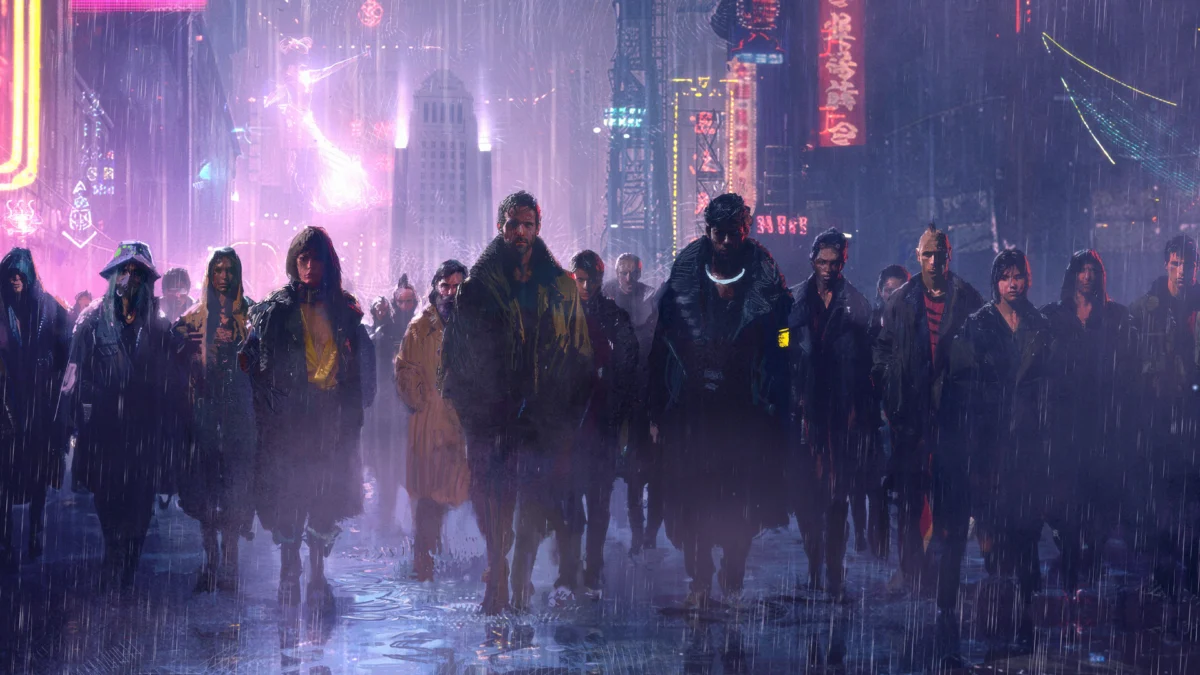
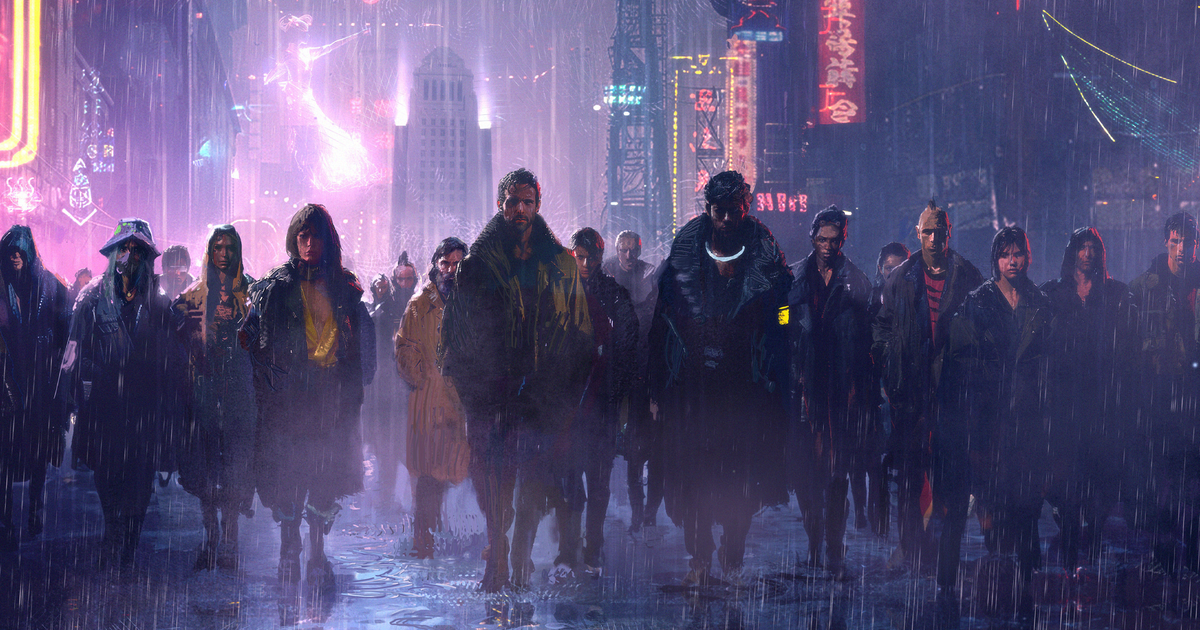
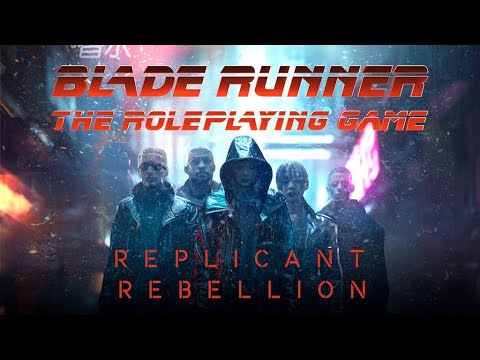
This means exploring forgotten corners of the city, infiltrating corporate strongholds from the inside, and witnessing firsthand the squalor and desperation that corporate power creates. The artwork provided by Free League Publishing, such as the "Replicant Rebellion artwork" and the "spread for Blade Runner: The Roleplaying Game – Replicant Rebellion," hints at this immersive experience, depicting the gritty reality of the resistance. This perspective will undoubtedly enhance the game’s atmospheric immersion, making the stakes feel more personal and the struggle more visceral.
Free League Publishing’s Vision and Community Engagement
Free League Publishing has carved out a sterling reputation in the tabletop roleplaying game industry for its dedication to high-quality production, evocative artwork, and compelling narrative design. Their track record with licensed IPs, particularly in the science fiction genre, makes them an ideal steward for the Blade Runner universe.
The Architects of the Future Dystopia
Free League is known for crafting award-winning TRPGs that translate beloved intellectual properties into immersive tabletop experiences. Their portfolio includes the critically acclaimed Alien Roleplaying Game, which captures the dread and claustrophobia of the film series; Tales from the Loop, which beautifully evokes 80s sci-fi nostalgia; and Vaesen, a Nordic horror mystery. This expertise in adapting complex universes into playable systems, while maintaining the core spirit of the source material, is evident in the existing Blade Runner: The Roleplaying Game. They prioritize narrative depth, atmospheric immersion, and player agency, allowing players to shape their own stories within richly detailed worlds. This philosophy is perfectly aligned with the nuanced storytelling demands of "Replicant Rebellion."
The Kickstarter Campaign: A Call to Arms
The announcement of a crowdfunding campaign on Kickstarter for "Replicant Rebellion" on May 28th is a strategic move that allows Free League Publishing to engage directly with the passionate Blade Runner and TRPG communities. Kickstarter campaigns typically offer various pledge tiers, providing backers with opportunities to receive not just the core expansion book but also exclusive stretch goals, digital versions, physical collectibles, and early access. This model not only secures funding for development and production but also builds a strong community around the product, generating excitement and gathering valuable feedback.
The success of Free League’s previous campaigns suggests that "Replicant Rebellion" will likely attract significant attention, with fans eager to support a project that deepens their engagement with the Blade Runner lore. The campaign will serve as a barometer for community interest and provide a direct channel for fans to contribute to the realization of this ambitious expansion.
Official Responses (Anticipated)
While specific direct quotes from Free League Publishing regarding "Replicant Rebellion" are not available at the time of this writing, their general approach to game design and IP adaptation offers insight into their likely vision. A spokesperson for Free League Publishing would undoubtedly emphasize that the expansion aims to explore the "untold stories of the Replicant struggle for freedom," offering players an unprecedented opportunity to "redefine their understanding of the Blade Runner universe" from a radically new perspective. They would likely highlight the challenging moral choices players will face, promising a deeply immersive narrative that "pushes the boundaries of what it means to be human… or Replicant," and urging players to "question their assumptions about justice, identity, and the price of liberty." This commitment to thematic depth and player choice is a hallmark of Free League’s work.
The Broader Implications: Redefining the Blade Runner Narrative
The release of "Replicant Rebellion" is more than just an addition to an existing game; it is a significant event that holds broader implications for the Blade Runner franchise and the tabletop RPG landscape.
Expanding the Lore and Player Agency
This expansion fundamentally enriches the existing Blade Runner lore by giving a voice and agency to the Replicants themselves. For decades, Replicants have primarily been viewed through the lens of their human creators or their hunters. "Replicant Rebellion" offers the opportunity to explore their internal struggles, their burgeoning culture, their desperate hopes, and their collective determination to forge a future where they are not merely tools. This perspective fills a crucial gap in the narrative, moving beyond simply observing their plight to actively participating in their fight for self-determination. By allowing players to become agents of change, the expansion empowers them to directly influence the fate of Replicantkind, adding layers of depth and personal investment to the universe.
Impact on the TRPG Landscape
"Replicant Rebellion" also aligns with a growing trend in the TRPG industry towards more narrative-driven, morally complex, and player-centric experiences. Free League Publishing has been at the forefront of this movement, and this expansion further solidifies their position. It demonstrates how licensed TRPGs can go beyond mere replication of source material to offer genuinely new and transformative storytelling opportunities. The shift from playing the "establishment" to playing the "resistance" is a powerful narrative device that could inspire other game designers to explore similar inversions within their own licensed properties or original creations. It appeals to a diverse range of player types: those who enjoy intense moral dilemmas, strategic espionage, and fighting for a cause they believe in, even if it means breaking the law.
The Enduring Relevance of Blade Runner’s Themes
Ultimately, "Replicant Rebellion" brings the core philosophical questions of Blade Runner into sharper focus. Themes of identity, artificial intelligence, corporate power, environmental decay, and what truly constitutes life are made even more poignant when players embody the very beings grappling with these existential dilemmas. By placing players in the shoes of the oppressed, the expansion forces a direct confrontation with the ethical failings of the human-dominated society depicted in the films. It asks players to consider the true cost of progress, the definition of freedom, and whether humanity deserves its self-appointed dominion over all life, artificial or otherwise.
As the May 28th Kickstarter launch approaches, "Replicant Rebellion" stands poised to not only expand the already rich world of Blade Runner: The Roleplaying Game but also to provoke deeper thought about the future of intelligence, consciousness, and the enduring human (and Replicant) struggle for a place in the sun. The rebellion begins.