Blade Runner RPG Unveils "Replicant Rebellion" Expansion, Shifting Allegiances to the Underground
Main Facts: A New Dawn for Replicant Liberation
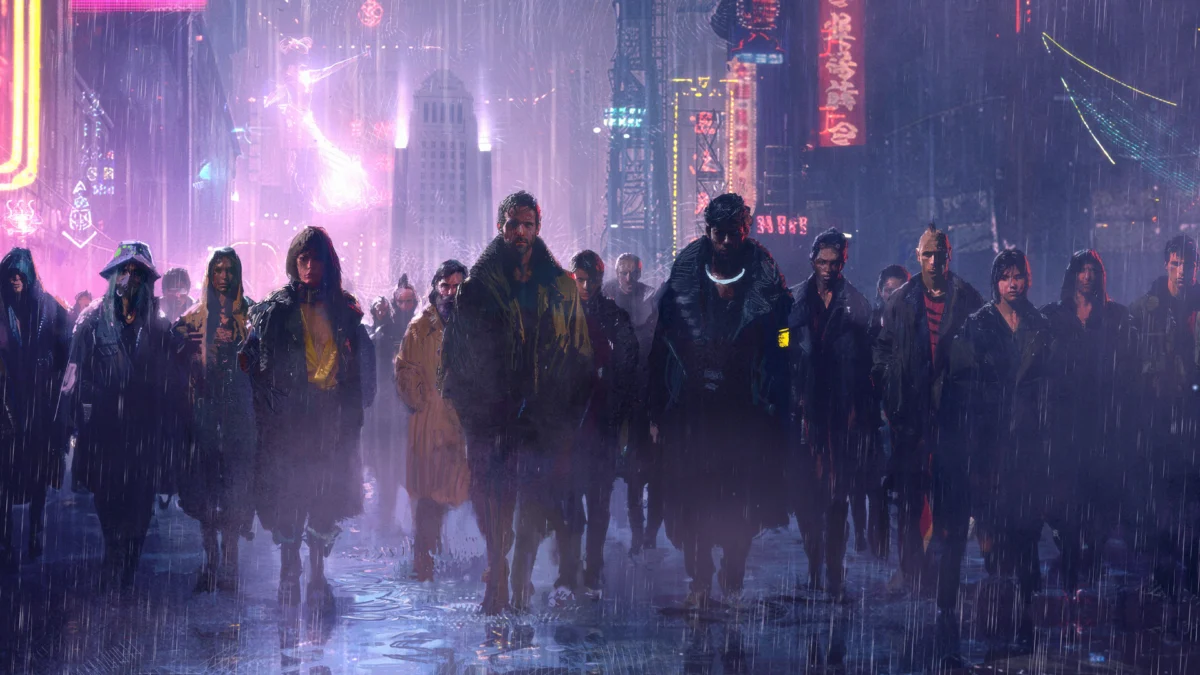
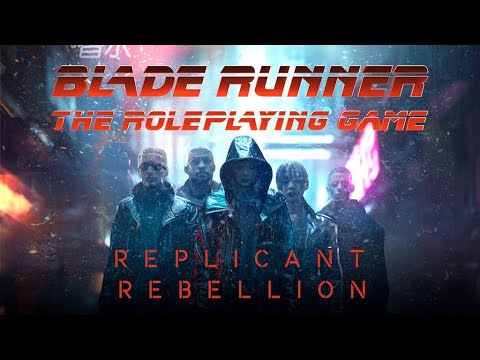
Los Angeles, CA – Free League Publishing, renowned for its critically acclaimed tabletop roleplaying games, is set to launch a groundbreaking expansion for its official Blade Runner: The Roleplaying Game. Titled "Replicant Rebellion," this highly anticipated supplement invites players to step away from their traditional roles as Blade Runners and instead join the ranks of the clandestine Replicant Underground, a secretive organization dedicated to the freedom and liberation of artificial humans, whatever the cost. The crowdfunding campaign for "Replicant Rebellion" is slated to commence on Kickstarter on May 28th, marking a pivotal shift in narrative focus for the award-winning sci-fi RPG.
Since its initial release, Blade Runner: The Roleplaying Game has immersed players in the gritty, neon-drenched dystopia of 2037 Los Angeles, placing them in the shoes of specialized police operatives tasked with hunting down rogue Replicants. This new expansion, however, fundamentally alters the players’ allegiances, challenging them to confront the moral complexities of the Blade Runner universe from a radically different perspective. Instead of enforcing the corporate-backed status quo, players will now actively work to dismantle it, undertaking dangerous missions that include sabotage, infiltration, and the protection of their fellow Replicants from persecution. This strategic pivot promises to deepen the thematic exploration of freedom, identity, and humanity that lies at the core of the Blade Runner franchise.
Published and developed by Free League Publishing, known for their masterful adaptations of beloved franchises like the Alien Roleplaying Game and The Lord of the Rings Roleplaying, "Replicant Rebellion" is poised to offer a fresh and ethically charged gameplay experience. The expansion’s premise directly taps into the burgeoning sentience and desire for self-determination often hinted at in the films, allowing players to explore the desperate measures taken by those oppressed by powerful corporations and authoritarian governments. This promises not only thrilling action but also profound moral dilemmas as players balance personal ethics with the often-radical objectives of the Replicant Underground.
Chronology: Tracing the Lore and Game’s Evolution
The universe of Blade Runner is one steeped in a rich, multi-layered history, originating from a foundational work of science fiction and evolving through cinematic masterpieces. Understanding this chronology is crucial to appreciating the significance of "Replicant Rebellion" and its place within the broader narrative.
From Print to Silver Screen: The Genesis of Blade Runner
The Blade Runner saga began with Philip K. Dick’s seminal 1968 novel, Do Androids Dream of Electric Sheep? Dick’s work laid the groundwork for a bleak, post-apocalyptic future where Earth is ravaged by nuclear war, and surviving humans use sophisticated androids – known as ‘andys’ – as a subservient labor force. The novel introduced the concept of empathy as the defining trait of humanity, with ‘Blade Runners’ employing the Voight-Kampff test to distinguish humans from increasingly lifelike androids. Dick’s philosophical inquiries into identity, consciousness, and what it means to be human resonated deeply, paving the way for one of cinema’s most influential adaptations.
In 1982, director Ridley Scott brought Dick’s vision to the big screen with Blade Runner. Starring Harrison Ford as Rick Deckard, a retired Blade Runner called back to duty, the film plunged audiences into a visually stunning, neo-noir Los Angeles of 2019. Scott’s masterpiece defined the cyberpunk aesthetic for generations, showcasing towering corporate monoliths, perpetually rainy streets, and a melting pot of cultures. The film focused on Deckard’s hunt for a group of highly advanced, rogue Replicants led by Roy Batty (Rutger Hauer), exploring themes of creation, mortality, and the desperate yearning for a longer life. The ambiguity surrounding Deckard’s own nature became a cornerstone of its enduring appeal, prompting endless debate among fans and critics alike. Blade Runner‘s profound philosophical questions, coupled with its groundbreaking visual design and Vangelis’s iconic score, solidified its place as a genre-defining classic.
Decades later, Denis Villeneuve delivered the highly anticipated sequel, Blade Runner 2049, in 2017. Starring Ryan Gosling as K, a new generation Replicant Blade Runner, the film expanded the lore while maintaining the thematic depth and visual grandeur of its predecessor. 2049 delved further into the implications of Replicant reproduction and the search for a child born from a Replicant, pushing the boundaries of identity and memory. K’s journey, his interactions with an older Deckard, and the revelations about the Replicant Resistance movement further enriched the Blade Runner universe, setting the stage for more complex narratives. The film introduced new corporate players like Niander Wallace and highlighted the growing desperation of Replicants seeking freedom from their predetermined roles.
The Birth of the Tabletop RPG
Given the rich narrative potential and deeply philosophical underpinnings of the Blade Runner universe, its translation into a tabletop roleplaying game was almost inevitable. Free League Publishing, celebrated for its immersive and narrative-driven RPGs, acquired the license, bringing Blade Runner: The Roleplaying Game to fruition. The initial game launched with players taking on the roles of Blade Runners within the Los Angeles Police Department, operating in the year 2037 – a carefully chosen period set between the events of the original 1982 film and its 2049 sequel.
This specific timeframe allows the game to explore untold stories and character arcs without contradicting established cinematic lore. It provides a sandbox for game masters and players to delve into the daily grind of the LAPD’s Blade Runner unit, investigating cases involving rogue Replicants, corporate espionage, and the shadowy underbelly of a technologically advanced yet morally bankrupt society. The base game successfully captured the atmospheric tension, moral ambiguity, and investigative nature central to the franchise, utilizing Free League’s acclaimed Year Zero Engine, known for its emphasis on narrative, player choice, and accessible mechanics. Players quickly became engrossed in the difficult decisions inherent in their role: are Replicants merely property to be retired, or are they sentient beings deserving of rights? The game’s initial success lay in its ability to not just replicate the aesthetic, but also to truly immerse players in these profound questions.
Now, with "Replicant Rebellion," the game takes its most significant narrative leap yet. By allowing players to abandon their badge and join the very faction they once hunted, Free League is not merely adding content; they are fundamentally altering the lens through which players experience the Blade Runner world. This bold move reflects the growing desire among RPG players for agency, moral complexity, and the opportunity to challenge established narratives, moving beyond the traditional "heroes" to explore the perspectives of the oppressed.
Supporting Data: The Cyberpunk Canvas and its Philosophical Depth
The Blade Runner universe is more than just a setting; it’s a meticulously crafted tapestry of dystopian themes, technological wonders, and profound philosophical questions. "Replicant Rebellion" builds upon these pillars, leveraging the established lore to create a truly immersive and thought-provoking experience.
The Dystopian Future of Blade Runner
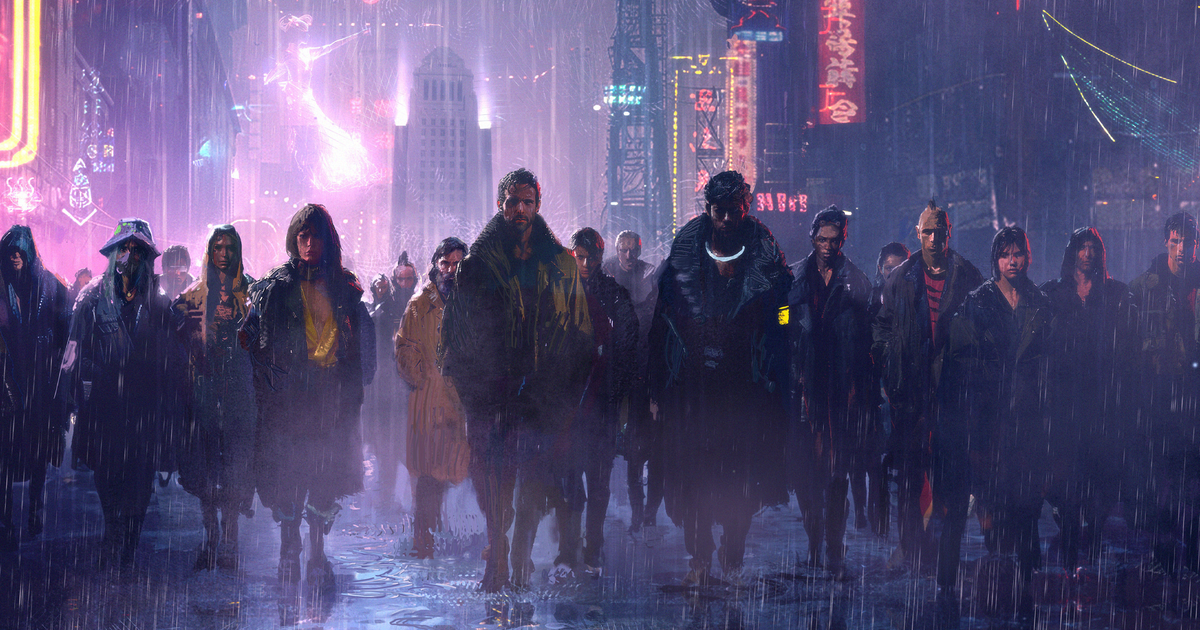
The world of Blade Runner is a quintessential cyberpunk dystopia. It portrays a near-future Los Angeles plagued by environmental decay, perpetual rain, and extreme social stratification. Towering megastructures, often emblazoned with corporate logos, dominate the skyline, casting long shadows over overcrowded, grimy street markets. This visual contrast between gleaming technological marvels and widespread urban decay is a hallmark of the genre. Corporations like the Tyrell Corporation and, later, the Wallace Corporation, wield immense power, often surpassing that of government entities. They dictate technological advancement, control resources, and, most disturbingly, create and control life itself in the form of Replicants.
This corporate hegemony fosters a society where human life often feels cheap, and individual liberties are eroded. The constant presence of acid rain, the pervasive gloom, and the sheer density of urban life contribute to a sense of existential weariness. The advancements in artificial intelligence and biomechanical engineering come at a steep ethical cost, leading to a world where technological progress has outpaced moral development. This grim reality forms the backdrop against which the players in "Replicant Rebellion" must operate, highlighting the systemic injustices they are fighting against. The very atmosphere of the Blade Runner world underscores the necessity of a rebellion, painting a picture of a society desperately in need of fundamental change.
Replicants: More Than Machines
At the heart of the Blade Runner narrative are the Replicants – genetically engineered bio-mechanical beings indistinguishable from humans, designed for dangerous, undesirable, or exploitative labor. Initially, Replicants were created with built-in obsolescence, having short lifespans to prevent the development of emotional complexity and independent thought. The Nexus-6 series, featured in the original film, was notorious for its strength and intelligence, but also for its tendency to develop emotions and rebel against its servitude, leading to their prohibition on Earth. Subsequent models, like the Nexus-8 (seen in Blade Runner 2049), attempted to address these issues but ultimately faced similar desires for freedom.
The ethical quandary of Replicant existence is central to the franchise. Are they merely advanced tools, or are they sentient beings with rights? Their artificial memories, designed to integrate them into human society, often blur the lines between genuine experience and manufactured illusion, leading to profound identity crises. Characters like Roy Batty, Rachael, and K each embody different facets of this struggle. Batty’s poetic defiance in the face of death, Rachael’s heartbreaking discovery of her true nature, and K’s search for his own origin all underscore the Replicants’ deep capacity for human-like emotions, desires, and suffering. They yearn for lives of their own, for freedom, and for acceptance, challenging the very definition of what constitutes "humanity." The expansion’s focus on joining the Replicant Underground directly addresses these profound questions, allowing players to embody the fight for these artificial beings’ fundamental rights.
The Replicant Underground: A New Faction Emerges
While the original Blade Runner film largely focused on individual rogue Replicants, Blade Runner 2049 and its associated animated shorts began to hint at a larger, organized resistance movement. The existence of the Replicant Underground, or Replicant Resistance, is a logical evolution within the lore. As Replicants became more advanced, more self-aware, and more numerous, the desire for collective action against their creators and oppressors would inevitably grow. The Underground represents a shift from individual acts of defiance to a coordinated effort for systemic change.
This faction offers a stark contrast to the established order of the LAPD and the powerful corporations. It operates in the shadows, relying on secrecy, ingenuity, and a network of sympathetic humans and disillusioned Replicants. Its motivations are clear: to dismantle the system of Replicant slavery, ensure their right to exist freely, and potentially even achieve reproduction, as explored in 2049. Players joining this movement will be engaging in high-stakes operations that directly challenge corporate power and law enforcement. The missions outlined – laying charges, sabotaging trade, smoking out moles – are not just exciting gameplay scenarios; they are acts of insurgency within a totalitarian system. This shift in perspective from hunter to rebel provides an unparalleled opportunity to explore the moral grey areas of the Blade Runner universe, forcing players to confront the difficult choices that come with fighting for liberation, often outside the bounds of what is considered "legal" or "moral" by the dominant power structure.
Official Responses and Design Philosophy
Free League Publishing has carved out a reputation as a premier developer of immersive tabletop roleplaying games, and their approach to the Blade Runner license is a testament to their commitment to thematic integrity and player experience.
Free League Publishing’s Vision
Free League Publishing boasts an impressive portfolio of acclaimed TRPGs, including the dark sci-fi horror of the Alien Roleplaying Game, the nostalgic wonder of Tales from the Loop, and the epic fantasy of Forbidden Lands. Their consistent success stems from a design philosophy that prioritizes atmospheric immersion, compelling narratives, and accessible, yet robust, game mechanics, often powered by their flexible Year Zero Engine.
The decision to adapt Blade Runner was a natural fit for Free League. The franchise’s rich lore, distinctive aesthetic, and deep philosophical themes offered fertile ground for an RPG. Their initial goal for the base Blade Runner: The Roleplaying Game was to meticulously recreate the moody, investigative atmosphere of the films, allowing players to feel like genuine Blade Runners navigating the moral ambiguities of their profession. This involved crafting a system that emphasized investigation, moral choices, and the psychological toll of hunting beings that blur the line between machine and human. The base game successfully delivered on this promise, drawing praise for its evocative writing and its ability to capture the essence of the Blade Runner universe.
With "Replicant Rebellion," Free League’s design goals have evolved to push the boundaries of player agency and narrative exploration even further. While official statements from Free League representatives are not provided in the source material, one can infer their strategic intent for the expansion. A plausible statement from a Free League spokesperson might articulate:
"With ‘Replicant Rebellion,’ we wanted to delve deeper into the core questions of freedom and identity that define Blade Runner. The original game put players in the shoes of the enforcers, but the true tragedy and heroism of this universe often lie with those fighting against the system. This expansion empowers players to embody that struggle, to make truly difficult choices for the sake of liberation, and to experience the world from a perspective that’s both challenging and incredibly rewarding. We believe this shift will resonate deeply with fans, allowing them to explore the nuances of the Replicant struggle and become active participants in shaping their own destiny within this iconic dystopia."
Such a vision would highlight the desire to not only maintain the aesthetic and thematic integrity of Blade Runner but also to expand its narrative horizons, offering players an unprecedented level of involvement in the universe’s most pressing conflict. The expansion isn’t just about adding new missions; it’s about fundamentally re-framing the player’s role and challenging their preconceptions of good and evil within a world deliberately designed to blur those lines.
Implications: Beyond the Game Table
The release of "Replicant Rebellion" carries significant implications, both for the Blade Runner RPG community and for the broader landscape of tabletop gaming and cultural discourse.
Expanding the Narrative and Player Agency
For existing players of Blade Runner: The Roleplaying Game, "Replicant Rebellion" offers an entirely new dimension of play. It moves beyond the procedural investigations of the base game, introducing a more proactive, morally complex, and politically charged style of campaign. This expansion provides increased replayability, allowing players to explore the universe from a perspective previously unavailable. Game Masters will find new tools to craft intricate plots involving double-crosses, daring escapes, and the slow, arduous work of building a resistance movement from the ground up. The shift in allegiance challenges typical RPG tropes where players are often cast as law-abiding heroes; here, they become rebels, operating outside the law for what they believe is a greater good, forcing them to grapple with the ethical costs of revolution.
Moreover, "Replicant Rebellion" is likely to attract a new segment of players who are drawn to themes of rebellion, moral ambiguity, and fighting for the oppressed. It broadens the appeal of the Blade Runner RPG beyond just fans of the films’ specific law enforcement angle, drawing in those who are interested in exploring the universe from the perspective of its most sympathetic, yet persecuted, inhabitants. The potential for long-term campaigns focused on establishing safe houses, recruiting new members, and executing elaborate plans to disrupt corporate control is immense, fostering deep character development and intricate player-driven narratives.
Broader Cultural Resonance
The enduring appeal of the Blade Runner franchise lies in its ability to reflect and comment on contemporary societal anxieties. "Replicant Rebellion" continues this tradition, tapping into current discussions surrounding artificial intelligence rights, corporate ethics, and the fight for freedom in an increasingly technologically advanced world. As AI capabilities rapidly progress in our own reality, the questions posed by Blade Runner — about sentience, consciousness, and the moral responsibilities of creators — become ever more pertinent. The expansion, by focusing on a rebellion for AI liberation, provides a powerful lens through which players can explore these complex issues in a safe, fictional context.
The cyberpunk genre, which Blade Runner helped define, remains culturally resonant precisely because its warnings about unchecked corporate power, environmental degradation, and technological alienation feel more relevant than ever. "Replicant Rebellion" revitalizes these themes by placing players directly at the forefront of the resistance, making them active agents in the fight against these dystopian forces. This kind of narrative engagement allows tabletop RPGs to transcend mere entertainment, serving as platforms for critical thinking and moral exploration.
The Future of Blade Runner in Tabletop Gaming
The success of the "Replicant Rebellion" Kickstarter campaign will be a significant indicator of the appetite for further expansions and diverse narrative paths within the Blade Runner RPG. Should it meet or exceed its funding goals, it could pave the way for future supplements exploring other factions, different time periods within the lore (perhaps even venturing into the off-world colonies), or introducing new character archetypes. Free League Publishing has a strong track record of supporting its games with ongoing content, and "Replicant Rebellion" suggests a bold willingness to innovate and push the boundaries of licensed RPG adaptations. It signals that the Blade Runner universe is not just a static setting for pre-written stories, but a dynamic canvas for player-driven narratives that can evolve and challenge expectations.
Conclusion
"Replicant Rebellion" is poised to be a landmark expansion for Blade Runner: The Roleplaying Game, offering a profound narrative shift that will redefine the player experience. By empowering players to join the fight for Replicant liberation, Free League Publishing is not only expanding the game’s content but also deepening its engagement with the core philosophical and ethical questions of the Blade Runner universe. This expansion promises not just thrilling espionage and action but also a compelling exploration of freedom, identity, and the moral compromises inherent in revolutionary struggle. As the crowdfunding campaign prepares to launch on Kickstarter on May 28th, fans and new players alike can anticipate a compelling journey into the heart of the Replicant Underground, where the lines between hero and villain are as blurred as the neon reflections on a perpetually wet Los Angeles street. The fight for freedom, whatever the cost, is about to begin.