Sparks in the Dark: How ‘The Castle’ is Reimagining STEM Education Through Gothic VR Immersion
The landscape of modern education is undergoing a seismic shift as immersive technologies migrate from the realm of entertainment into the classroom. At the recent Augmented World Expo (AWE), one of the most compelling demonstrations of this transition was The Castle, a dungeon-themed virtual reality (VR) experience developed by Chameleon Studios. By blending the atmospheric tension of an escape room with the rigorous principles of electrical engineering, The Castle seeks to solve one of the most persistent challenges in STEM (Science, Technology, Engineering, and Mathematics) education: making abstract physics concepts tactile, memorable, and engaging.
Main Facts: A New Frontier for Pedagogical Gamification
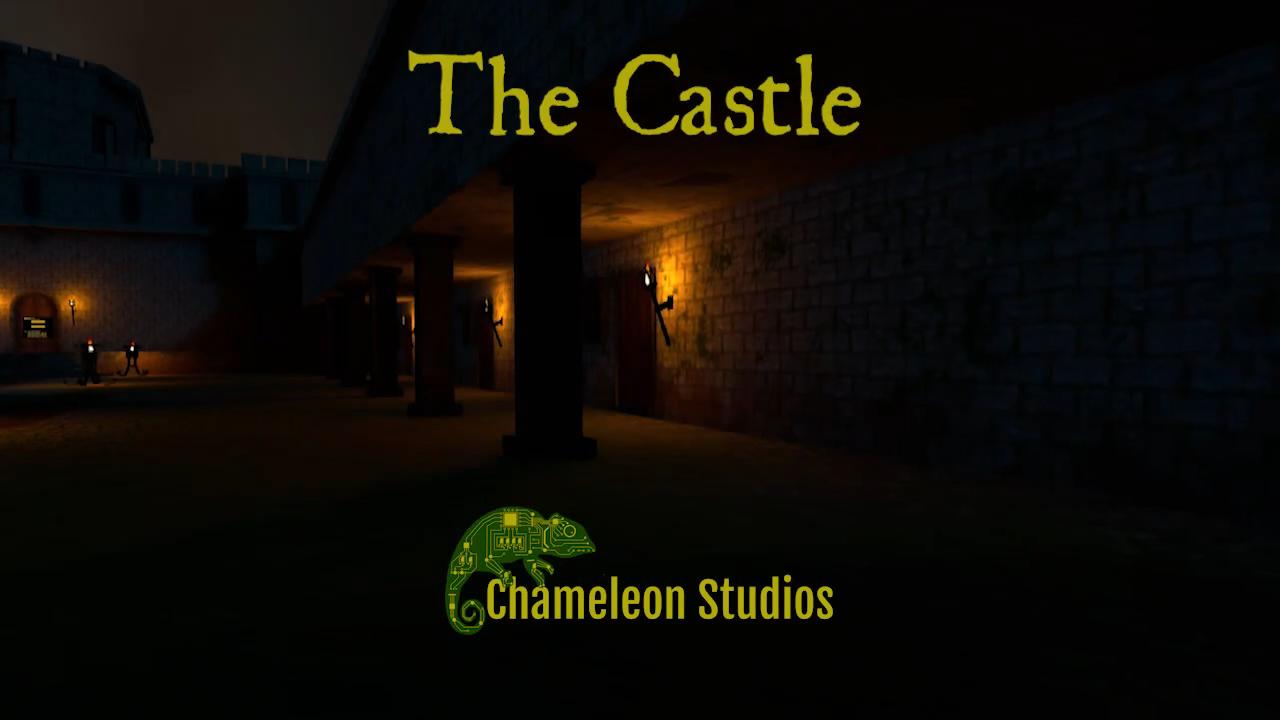
The Castle is not merely a game; it is a meticulously designed pedagogical tool disguised as a gothic adventure. Set within a sprawling, atmospheric fortress, the experience places users in the role of an apprentice to Nigel Kupferman, a retired baron whose obsession with Mary Shelley’s Frankenstein has led him to attempt the impossible. The premise is as educational as it is narrative-driven: a massive electrical surge, intended to animate a modern-day "monster," has decimated the castle’s power grid. It is the player’s job to navigate the darkness and restore the system using real-world electrical principles.
Developed by Chameleon Studios, the project represents a growing trend in "Serious Games"—software designed for a primary purpose other than pure entertainment. According to the developers, the goal is to bridge the gap between theoretical knowledge found in textbooks and the practical application required in vocational trades. By utilizing the spatial awareness and hand-tracking capabilities of modern VR headsets, The Castle allows students to manipulate components that would be either too expensive, too dangerous, or too small to interact with easily in a traditional classroom setting.
Chronology: From the AWE Show Floor to the Apprentice’s Journey
The public debut of The Castle at AWE provided a firsthand look at how Chameleon Studios intends to roll out this curriculum. The demonstration featured the first of four planned modules, titled "The Basement."
The Exhibition Experience
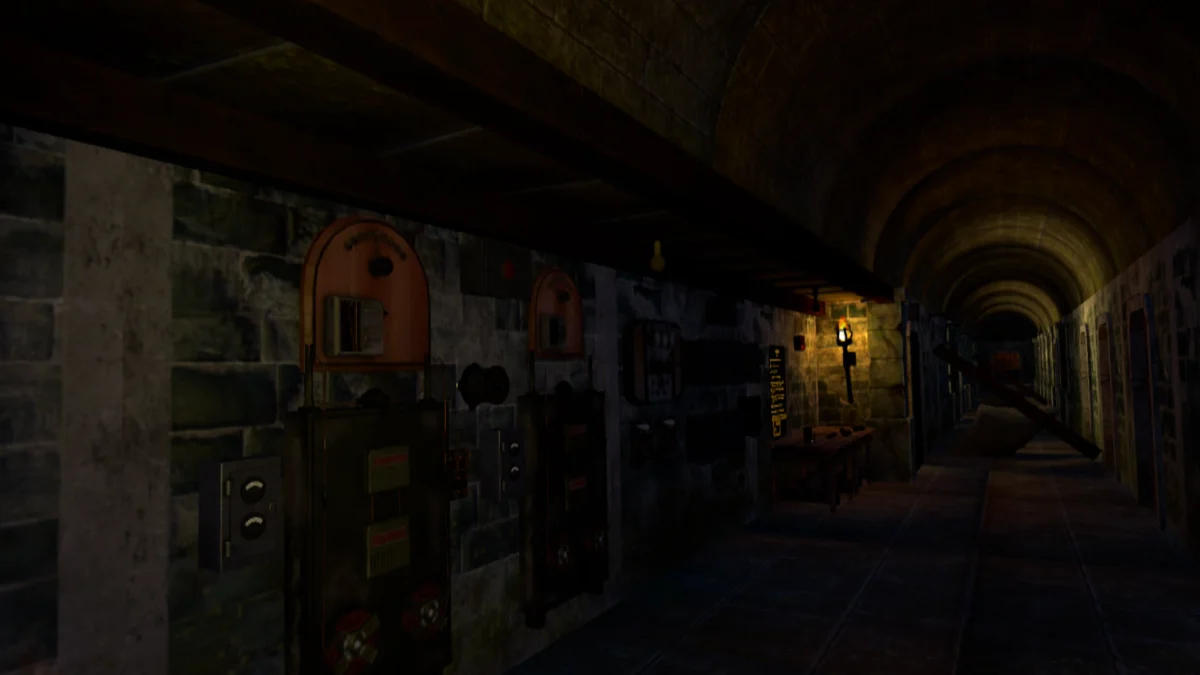
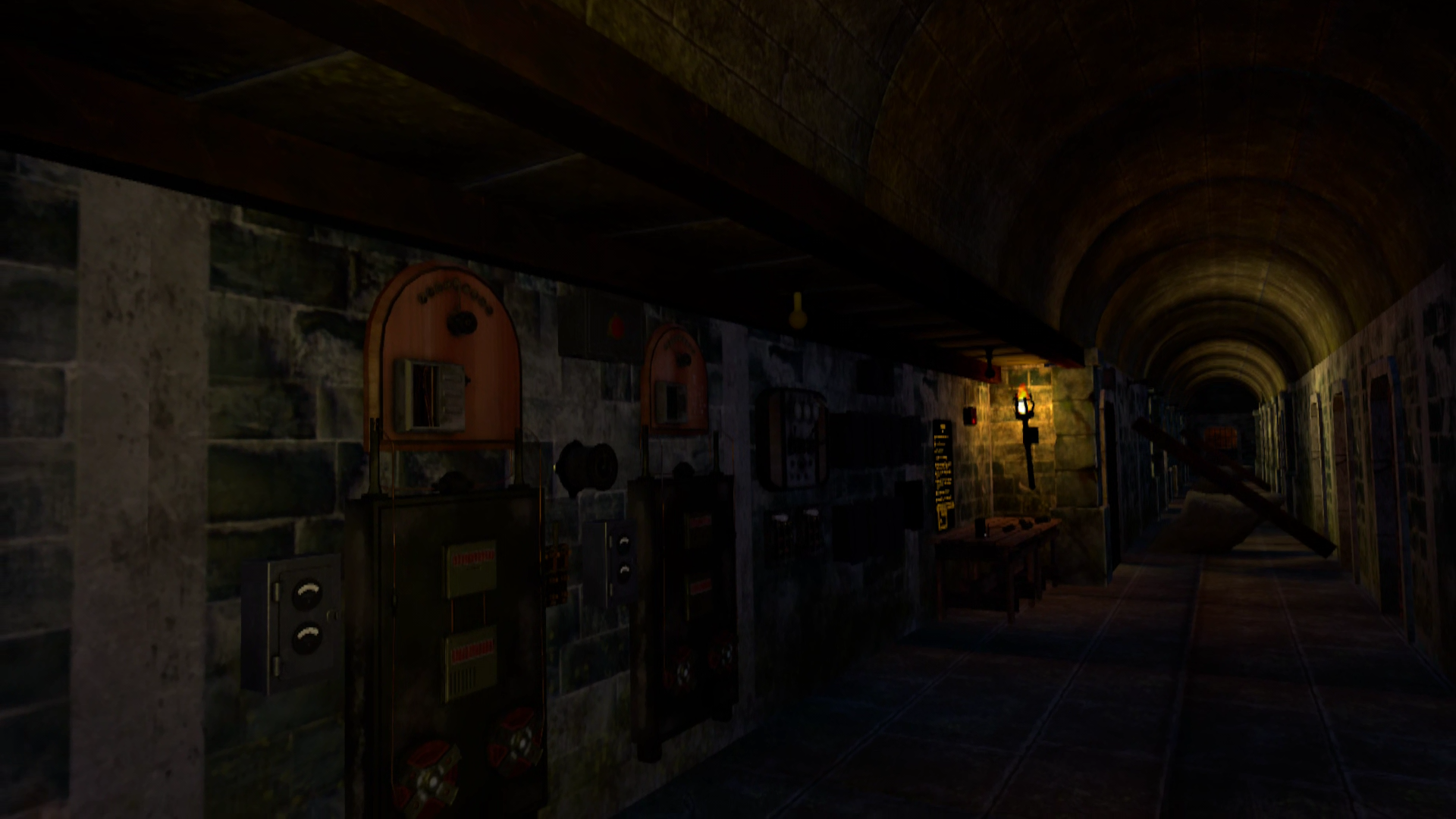
Navigating a bustling trade show floor is rarely the ideal environment for deep learning, yet the immersive nature of The Castle proved resilient. Despite the ambient noise of the Augmented World Expo, the visual fidelity of the dungeon—rendered with flickering torches and damp stone textures—immediately transported users into Kupferman’s world.
In the absence of dedicated headphones during the demo, Chameleon Studios Managing Director Cecil Colvin and his team provided live narration, stepping into the role of the Baron to guide the "apprentice" through their tasks. This interaction highlighted the narrative core of the experience: the user is never left to aimlessly wander. Instead, they are guided by a story-driven series of objectives that require the application of logic and scientific theory.
The Learning Curve
The 15-minute demo followed a linear progression designed to build confidence.
- Assessment: The player enters a room plunged into darkness and must identify the source of the failure.
- Instruction: Through Kupferman’s narration (and on-wall diagrams), the player learns the relationship between current, voltage, and resistance.
- Application: The player must physically interact with the environment—locating blown fuses, setting correct amperages on industrial machinery, and connecting battery arrays in the proper sequence.
- Verification: Success is rewarded not just with a high score, but with the literal return of light and power to the dungeon, providing immediate visual feedback for the user’s efforts.
Supporting Data: The Science of Immersive Learning
The decision to use VR for electrical engineering is backed by significant educational data regarding "active learning." Studies in cognitive psychology suggest that the retention rate for information is significantly higher when the learner performs a physical action associated with the concept—a phenomenon known as embodied cognition.
Tactile Theory vs. Passive Observation
In a traditional physics lab, a student might draw a circuit diagram on a whiteboard. In The Castle, that same student must reach out, grab a virtual multimeter, and physically touch the probes to a terminal to get a reading. This "learning by doing" approach targets several key educational metrics:
- Spatial Memory: Users remember where the fuse box is and the physical motion required to toggle a switch, which anchors the theoretical concept of a circuit breaker in their long-term memory.
- Safe Failure: Electrical engineering carries inherent risks. VR provides a "sandbox" where a student can accidentally blow a virtual transformer or miswire a panel without physical danger or the cost of damaged equipment.
- Reduced Cognitive Load: By simplifying the controls—eliminating complex inventory menus in favor of natural "grab and move" mechanics—Chameleon Studios ensures that the user’s mental energy is spent on solving the electrical puzzle rather than fighting the interface.
Development Roadmap
Chameleon Studios has confirmed that "The Basement" is only the beginning. The full version of The Castle is slated to feature four distinct levels, each escalating in complexity:
- Level 1 (The Basement): Basic circuits, fuses, and simple battery connections.
- Level 2 & 3: Introduction of parallel vs. series circuits, more complex troubleshooting, and the use of advanced diagnostic tools.
- Level 4 (The Laboratory): The culmination of the curriculum, where the apprentice must manage the high-voltage requirements of the Baron’s ultimate experiment.
Official Responses: Insights from Chameleon Studios
During the expo, Managing Director Cecil Colvin offered insights into the creative philosophy behind the project. He emphasized that the "Frankenstein" theme was not an arbitrary choice, but a deliberate method to create "narrative tension" that keeps students engaged.
"The amount of power required to bring life to a creature would, in reality, blow out every circuit in a historical structure," Colvin explained. This realization serves as the foundational "inciting incident" for the gameplay. By grounding the fantasy of Mary Shelley’s work in the reality of electrical physics, the studio creates a relatable context for why the player needs to learn these skills.
Colvin also hinted at a more complex narrative structure in the final release. He suggested that Nigel Kupferman might not be the benevolent mentor he appears to be. This "ulterior motive" plotline is designed to keep students moving through the modules, utilizing the same psychological hooks used in popular entertainment to ensure completion of the educational curriculum. "We want the user to wonder what happens next," Colvin noted, "because if they want to see the end of the story, they have to master the science."
Implications: The Future of the Education Sector
The success of The Castle at AWE signals a broader shift in how educational institutions might view VR investment. Historically, VR in schools was often relegated to "virtual field trips." However, applications like The Castle prove that the technology is ready for deep-tier vocational training.
Solving the Engagement Crisis
STEM fields often struggle with high "bounce rates"—students who lose interest because the introductory material feels too dry or disconnected from reality. By "gamifying" the curriculum, Chameleon Studios is providing a template for how to maintain engagement. When a student is trying to fix a gothic castle to see a monster come to life, they are far more likely to persevere through a difficult lesson on Ohm’s Law than if they were simply staring at a textbook.
Accessibility and Scalability
While VR hardware represents an upfront cost, it offers long-term scalability. A single headset can host hundreds of different "labs," from chemistry to electrical engineering, without the need for physical consumables or specialized lab space. For underfunded school districts or remote learners, The Castle represents a way to access high-quality, hands-on vocational training that was previously out of reach.
The "Guardrail" Evolution
As the software matures, there is significant potential for "adaptive learning" versions of The Castle. In future iterations, the "guardrails"—the narrated hints and wall signs—could be dynamically removed as the system detects the user’s proficiency. This would transform the experience from a guided lesson into a rigorous testing environment, where a student must prove their competency in a "dark" room with no help, simulating the real-world pressure of a professional electrician.
Conclusion: Turning Theory into Action
The Castle is a testament to the power of immersive storytelling when applied to the rigors of science. By distilling complex physics into a series of intuitive, tactile challenges, Chameleon Studios has created more than just a VR game; they have built a bridge between the imagination and the laboratory.
As the project moves toward its full four-level release, it stands as a vanguard for a new era of education—one where the apprentice’s journey through a haunted dungeon leads to a very real mastery of the sparks that power our modern world. For those who learn by doing, the gates of The Castle are a welcome entry point into the future of STEM.