Resilience in the Grey: The Emergence of ‘Zine Dump’ and the Rebirth of Toronto’s Independent Media Scene
TORONTO — In the cultural lexicon of Canada’s largest metropolis, living in Toronto is often likened to "hugging a cactus": the more one clings to its identity, the more the city’s sharp edges of gentrification and displacement seem to prick. By mid-2025, this sentiment had reached a fever pitch. As historic venues shuttered and established institutions crumbled under the weight of political controversy, a vacuum opened in the city’s once-thriving independent arts scene.
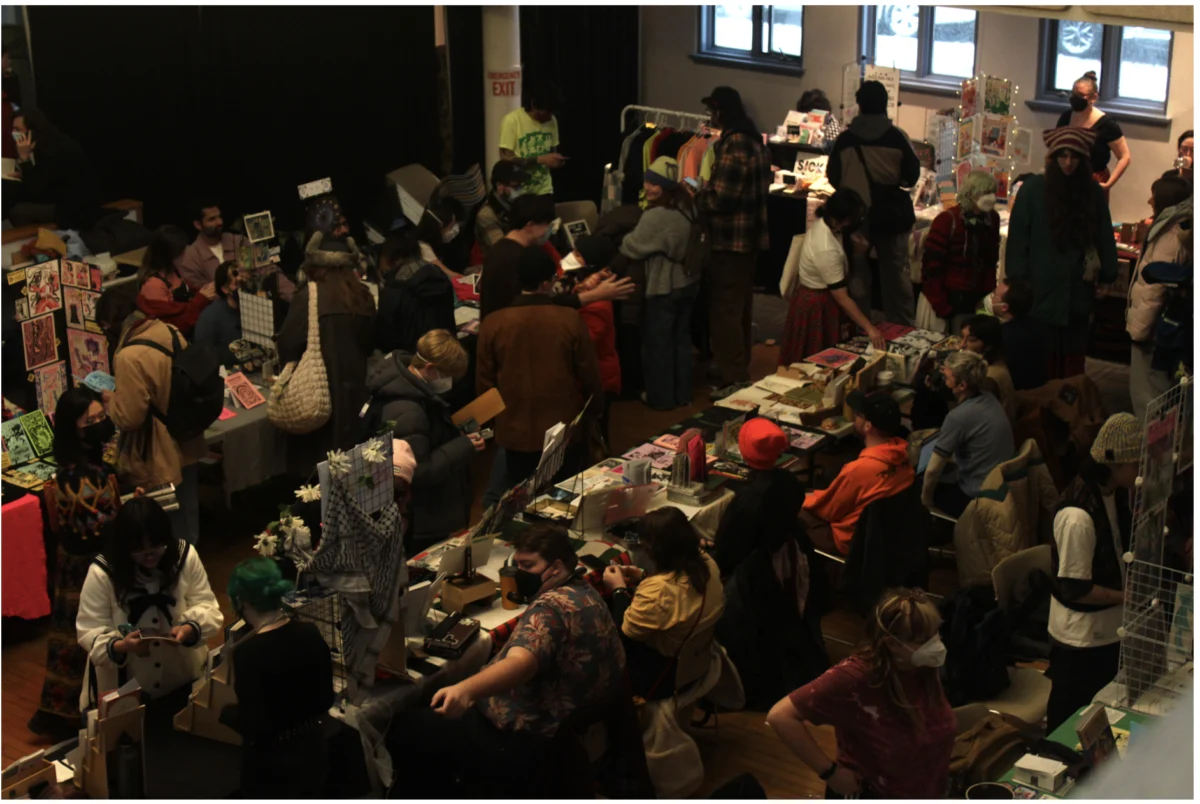
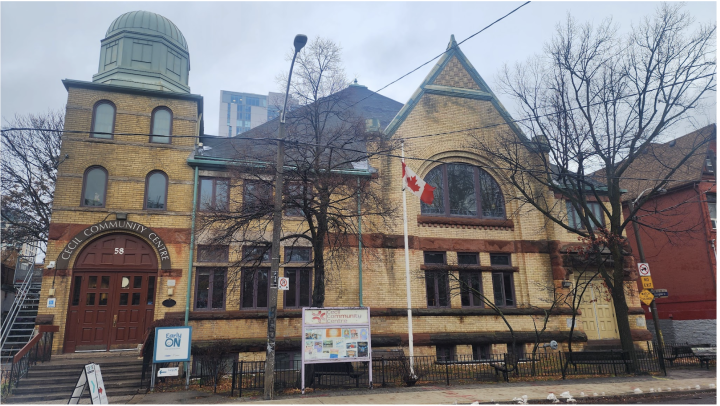
However, from the frost of a harsh November morning emerged "Zine Dump," a grassroots zine fair that has signaled a pivotal shift in the city’s creative landscape. Held at the Cecil Community Centre, the event was not merely a market for self-published pamphlets; it was a restorative act of community organizing that sought to fill the void left by the collapse of previous nexus points like Canzine and Broken Pencil Magazine.
Main Facts: A New Anchor for Independent Creators
Zine Dump arrived at a critical juncture for Toronto’s "third places"—those essential social environments separate from the two usual social environments of home and the workplace. The year 2025 had already seen the mourning of the Velvet Underground and the Imperial Pub, the latter a cherished haunt for Toronto Metropolitan University students and long-term residents alike.
The most devastating blow to the local comic and zine community, however, was the dissolution of Canzine and its parent publication, Broken Pencil. Following a series of highly publicized controversies involving the founders’ pro-Israel social media stances, the organizations—which had served for decades as the primary infrastructure for Canadian zinesters—lost the trust of their core demographic.
Zine Dump was conceived by a collective of seven organizers: Jenn Woodall, Paterson Hodgson, Jonathan Rotsztain, Christopher Hubbarde, Eden Martin, Alexander Arvelo McQuaig, and François Villeneuve. Their mission was to establish a new, inclusive, and politically conscious space for independent media that could withstand the pressures of both the corporate publishing world and the city’s shifting social tides.
Chronology: Navigating the "Miasma of Melancholy"
The lead-up to Zine Dump was fraught with the logistical challenges typical of Toronto life. On the morning of the event, the city was veiled in a biting cold, compounded by significant transit disruptions. Track work on the TTC’s Line 1 halted service between St. Andrew and St. George stations, forcing attendees to navigate the icy streets on foot—a trek through what locals described as a "grey city" defined by the disappearance of beloved landmarks.
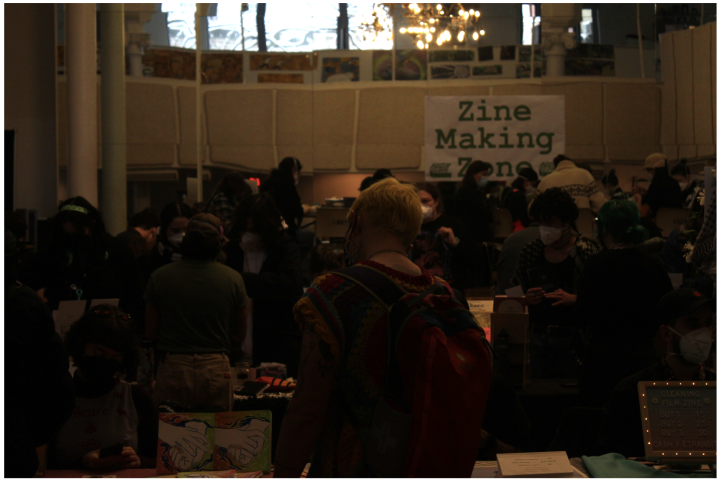
Despite these obstacles, the atmosphere at the Cecil Community Centre on 58 Cecil Street was electric. By mid-morning, the building was surrounded by attendees, the air thick with the "fog of hot breath and nicotine clouds" that often signals a high-energy DIY event.
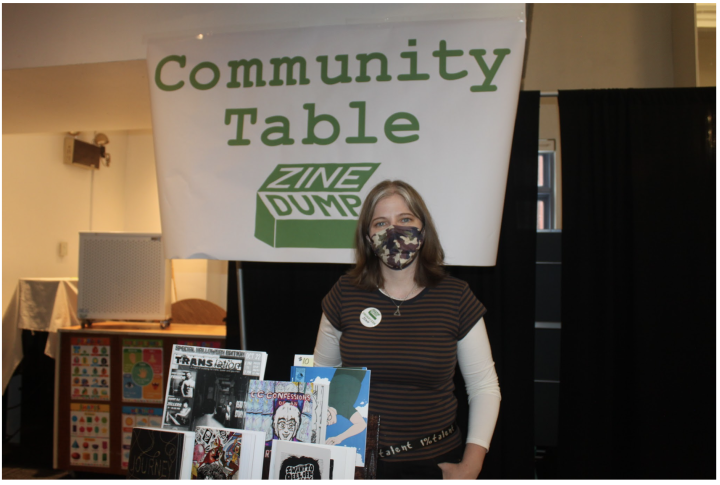
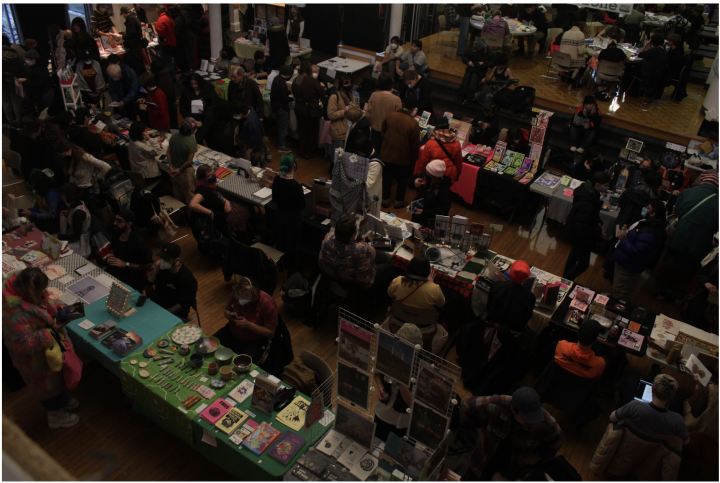
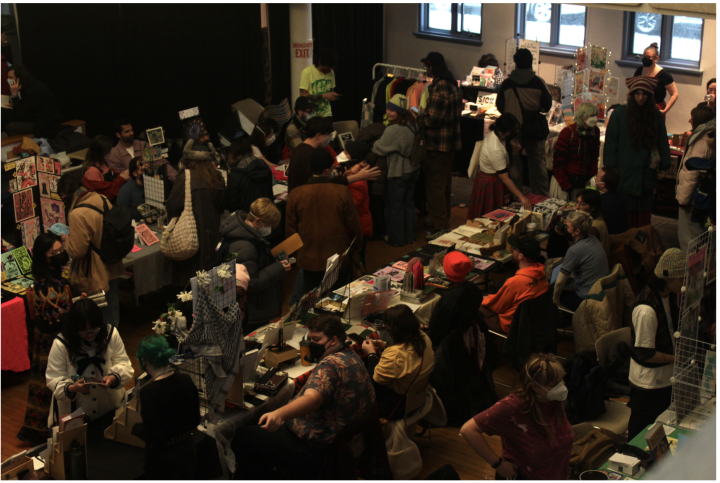
Inside, the fair was a sensory explosion. The entrance featured a collective zine table showcasing work by Woodall and Hodgson, serving as an immediate testament to the collaborative spirit of the new organization. The fair ran throughout the day, maintaining a packed house that flowed between booths in "tight clots" of enthusiasts, metalheads, essayists, and electronic artists.
Supporting Data: The Scale of Interest and Participation
The success of Zine Dump was not merely anecdotal; it was reflected in the overwhelming demand from the creator community. According to organizer Paterson Hodgson, the collective received over 200 applications for a limited number of vendor spots. This high volume of interest underscored the desperation for a new platform in the wake of Canzine’s departure.
To ensure fairness and diversity, the organizers implemented a rigorous curatorial process. Members voted on applicants to mitigate nepotism and ensure that the fair represented a broad cross-section of the Greater Toronto Area (GTA) and beyond.
The diversity of the "quilt" of vendors included:
- Regional Anthologies: Bonk’d, a comics anthology representing the Hamilton scene, brought in by Sunny Singh.
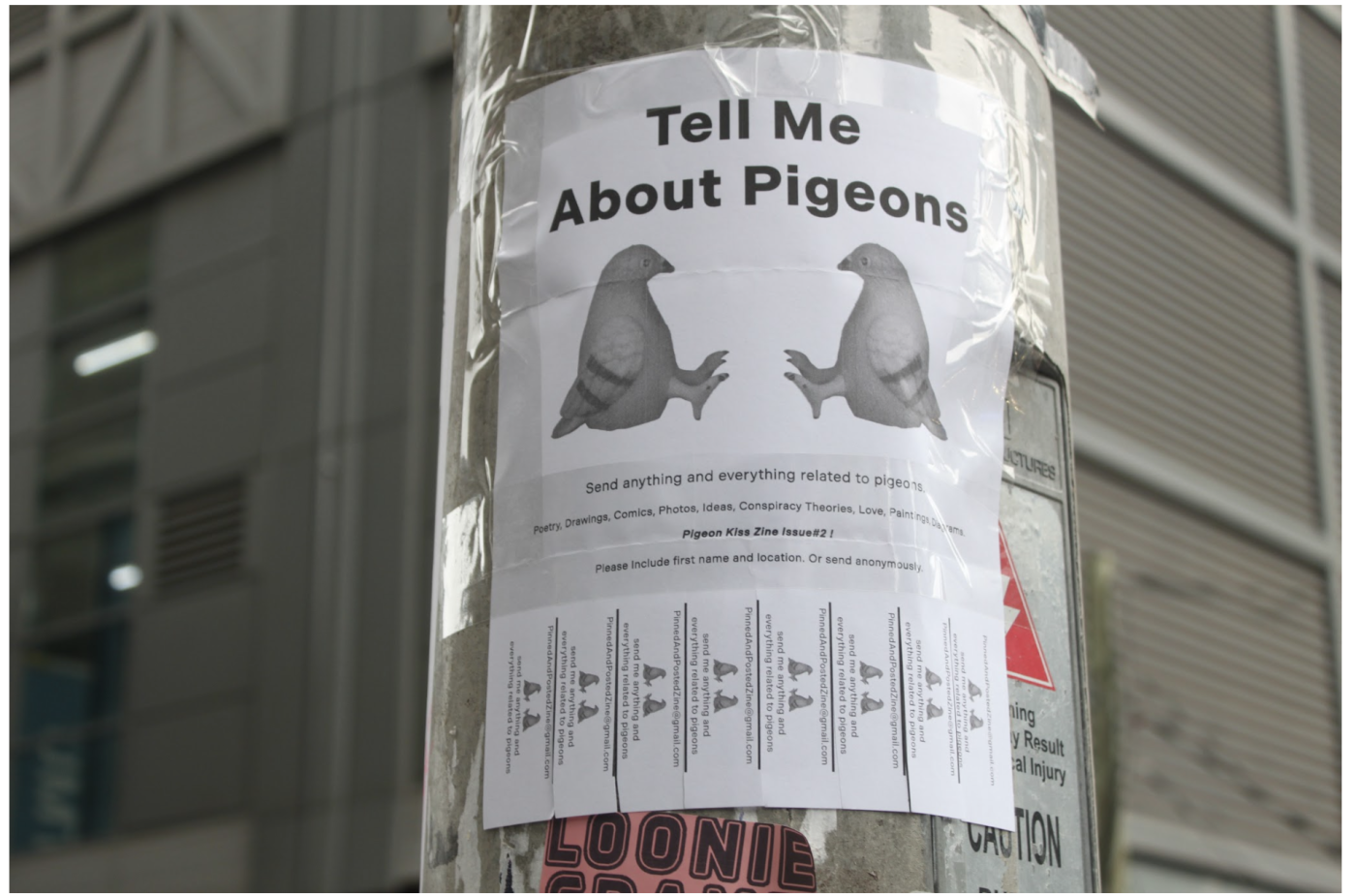
- Niche Interests: Pigeon Kiss by Sarah Gifford, a zine exploring the "city-centric" nature of pigeons as a common thread in metropolitan life.
- Experimental Media: Patrick Larkin’s Faces of Life, a noise music project that utilized experimental packaging to transform a digital medium into a physical art object.
- Social Justice: Art From Gaza Vol. 2, a zine curated by Mitra Fakhrashrafi, which collected work from Gazan artists with all proceeds returning to their families.
Official Responses: A Philosophy of Community Care
The organizers’ approach to Zine Dump was as much about the "how" as the "what." In interviews, the collective emphasized that the event was designed to be a direct response to the failings of previous institutions.
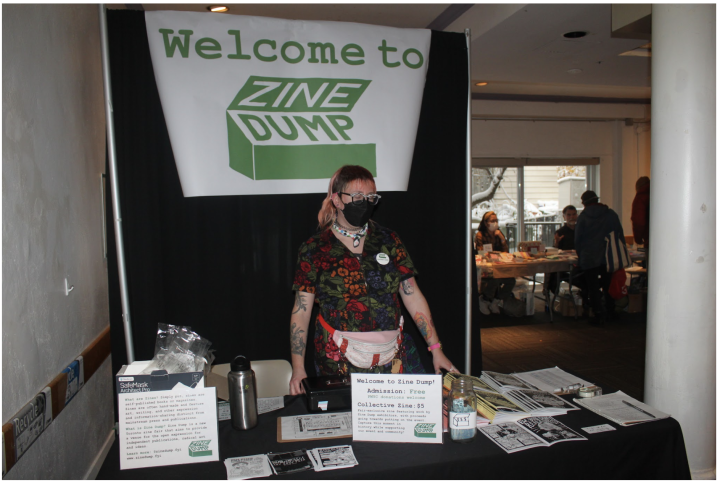
Jenn Woodall noted the difficulty of launching a first-year event under such harsh conditions. "It’s always hard to know how a first-year event is going to go, especially with the TTC closures and the snow," Woodall stated. "But the community feedback has been great. People are happy to be here."
Paterson Hodgson expanded on the necessity of the event: "I think there is that void, that lack of third-places to see zines and meet people who are making independent media. People are craving that."
The event also set a high bar for community safety and inclusivity. Partnering with Mask Bloc Toronto, an autonomous collective led by disabled individuals, Zine Dump implemented a mandatory masking policy for the first hour of the event and provided high-quality masks and air purifiers throughout the day. This move was widely praised by attendees like Sarah Gifford, who cited it as an example of "listening to the concerns of artists" and practicing genuine community organizing.
Furthermore, the organizers were explicit about their political positioning. By maintaining an anti-Zionist stance and providing space for zinesters who felt marginalized by the conservative leanings of past festivals, Zine Dump established itself as a sanctuary for political expression. Mitra Fakhrashrafi articulated this sentiment, noting that the indie scene exists to "combat the censorship and whitewashing" often found in heavily funded corporate art industries.
Implications: The Future of the Physical in a Digital World
The emergence of Zine Dump points to a broader trend in the 2025 cultural landscape: a growing rejection of "corporatized, capitalized spaces" and a return to physical media.
Many vendors at the fair, such as Kate Fane, creator of Enjoy the Silence, spoke to a phenomenon of "professional burnout" in communications and the frustration of the "dead internet." Fane’s project, which centers on "anti-communication," reflects a desire to move away from the constant stream of digital advertising and toward "creative free expression" that can be touched and held.
Similarly, newcomer Winter Wei highlighted that the tactile nature of zines offers a connection to the past—recalling the comic books of her youth—that digital platforms cannot replicate. For creators like Suchita Chadha, zines represent a way to bypass "corporate spaces for publishing," allowing poets and writers to maintain total control over their work.
The success of Zine Dump suggests that while Toronto may be "hugging a cactus," its creative community is finding ways to thrive in the gaps between the needles. The event has proven that there is a massive, untapped appetite for independent media that is politically engaged, socially responsible, and physically tangible.
As the organizing team looks toward future iterations, the implications for Toronto are clear: the city’s identity is not defined by the historic buildings it loses, but by the new, resilient spaces its citizens build in their place. Zine Dump has not only filled a void; it has laid the groundwork for a new era of DIY culture in the North, one that prioritizes community care over corporate longevity.
For a city that often feels "ghostly and ephemeral," Zine Dump provided a moment of solid, colorful reality—a guiding light against the "inky curtain of night."