The Maginot Line: France’s Grand Illusion and the Dawn of Modern Warfare
Paris, France – In the annals of military history, few structures embody both human ingenuity and strategic miscalculation as profoundly as the Maginot Line. Conceived in the shadow of the First World War and built with an unwavering belief in static defense, this colossal network of fortifications was France’s answer to the existential threat posed by its eastern neighbour, Germany. Stretching for over 200 miles (322 km) along France’s border, it was a marvel of engineering, a subterranean world of concrete, steel, and advanced weaponry designed to deter invasion and bleed any attacker dry. Yet, when the true test came in May 1940, the Maginot Line, for all its formidable strength, was rendered largely irrelevant, bypassed by a revolutionary German Blitzkrieg that delivered France into defeat in a mere six weeks.
The Maginot Line stands as a poignant symbol of a nation’s profound trauma and its earnest, albeit ultimately flawed, attempt to prevent a repeat of history. Its story is one of unwavering commitment to a doctrine that, while logical on paper, failed to adapt to the seismic shifts in military strategy and technology that defined the interwar period.
Main Facts: A Bastion Against the Past
Conception and Scale
The Maginot Line was not merely a wall, but a meticulously planned, interconnected system of fortresses (ouvrages), bunkers, and anti-tank obstacles. Its primary purpose was to safeguard France’s eastern frontier with Germany, extending from Belfort near the Swiss border in the south to Thionville, close to Luxembourg, in the north. The initial design, however, deliberately omitted fortifications along the Franco-Belgian border and the Swiss frontier. French military planners, still deeply influenced by the trench warfare of World War I, believed the mountainous terrain of Switzerland and its traditional neutrality precluded an attack from that direction. Similarly, they considered the flatlands of Belgium, Luxembourg, and the Netherlands unlikely avenues for a major German offensive, or at least assumed that the armies of these neutral nations, bolstered by allied forces like the British Expeditionary Force (BEF), would successfully halt any incursions. This assumption, tragically, proved to be a fatal misjudgment.
The Strategic Rationale: Lessons from WWI
The genesis of the Maginot Line lay in the searing memory of the First World War, which had devastated northeastern France and cost the nation an unimaginable toll in lives. Senior French military figures and politicians, including André Maginot, the Minister of War from 1929 to 1932 after whom the line was named, were convinced that any future conflict with Germany would inevitably descend into a similar static war of attrition. The horrors of the Western Front, characterized by entrenched positions, artillery bombardments, and slow, grinding advances, shaped this conviction.
Furthermore, France faced a demographic disadvantage. With a population of approximately 40 million compared to Germany’s 60 million, a prolonged war of attrition, similar to WWI, risked France simply running out of soldiers. A heavily fortified defensive line offered a solution: it could be manned by significantly fewer troops than would be required to defend the entire border with conventional garrisons, thus conserving manpower for mobile reserves or offensive actions elsewhere. This defensive posture, however, marked a curious shift for a nation that had once pioneered innovative mobile tank and combined-arms warfare, tactics that had contributed significantly to the Allied victory in 1918. The German Army, in contrast, having largely dismissed the potential of tanks in WWI, was now secretly developing doctrines for highly mobile, mechanized warfare – a stark reversal of roles that would have profound consequences.
Design and Engineering Marvel
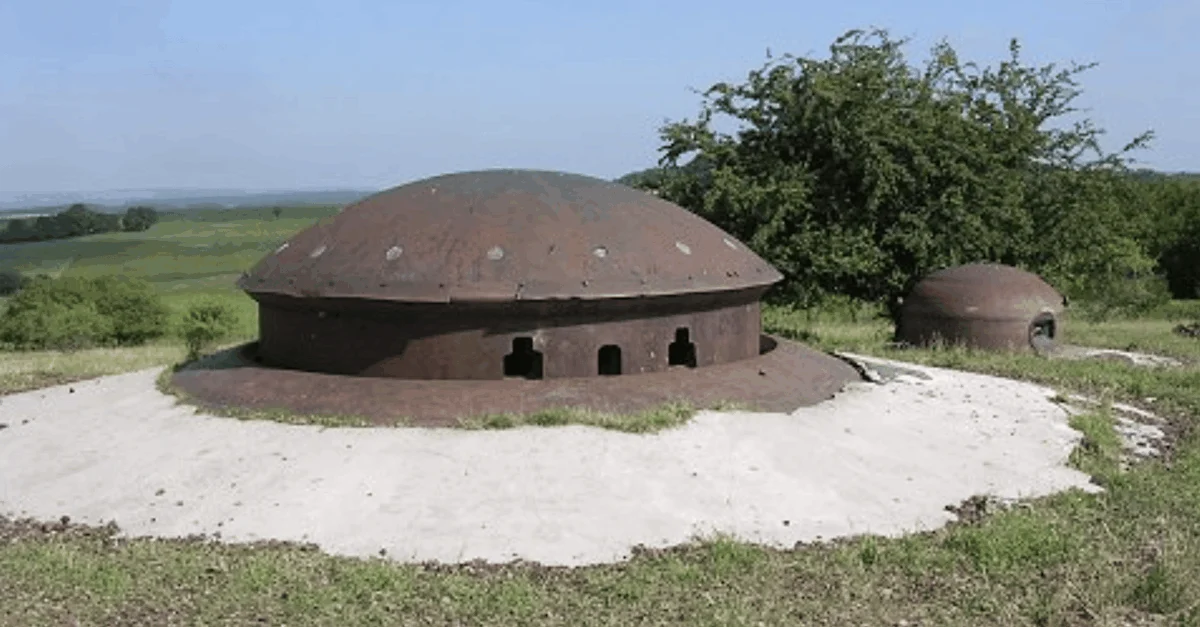
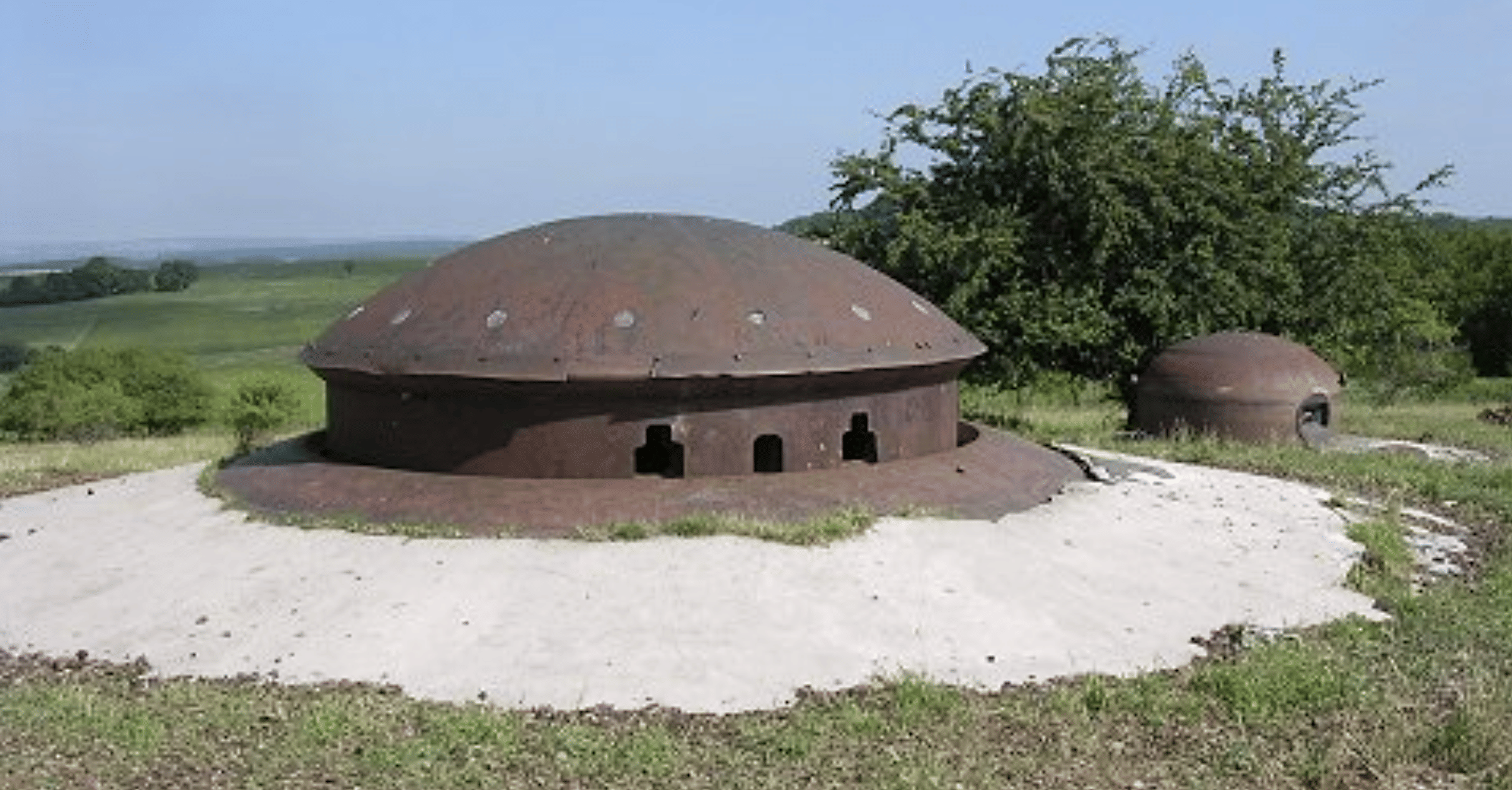
The Maginot Line was an engineering marvel for its time, a testament to early 20th-century military construction. It comprised a network of over 200 miles (322 km) of interconnected fortresses, known as ouvrages, ranging from massive complexes to smaller casemates. These structures featured reinforced concrete walls, often several meters thick, combined with cast-iron and steel components designed to withstand the heaviest artillery bombardments. External defenses included a dense forest of anti-tank obstacles, such as ‘dragon’s teeth’ (pyramidal concrete blocks) and extensive barbed wire fields, designed to channel enemy armor into kill zones.
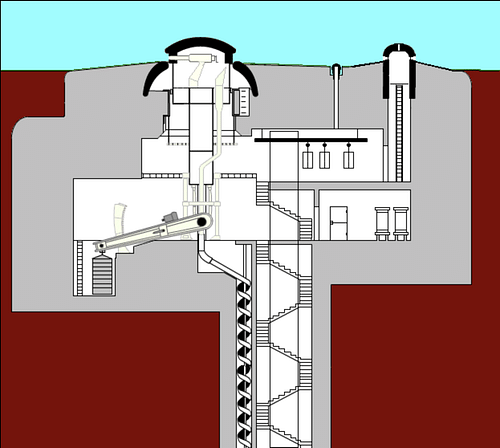
Two regions were particularly heavily fortified: the Metz region (between Longuyon and Teting) and the Lauter region (between the Saar and Rhine rivers). Within these strong points, the ouvrages were strategically positioned to offer mutual protection, with emplacements angled to provide flanking fire to adjacent positions. A key innovation was the retractable gun turret, designed by Colonel Bussière, poetically named tourelle à éclipse for its ability to descend into the earth for protection during artillery or air attacks, much like a solar eclipse.
Chronology: From Blueprint to Bypass
Post-WWI Fears and Early Planning (1920s)
Even before André Maginot became Minister of War, the idea of a fortified border gained traction in France. The Treaty of Versailles, signed in 1919, imposed severe restrictions on Germany’s military, but the French leadership remained deeply distrustful. As early as 1922, commissions began studying defensive options. The rise of nationalist movements in Germany, coupled with its covert rearmament efforts throughout the 1920s, only intensified French anxieties. The prevailing sentiment was that France, having borne the brunt of WWI, could not afford another devastating conflict on its soil. Defensive fortifications, it was argued, would buy time for mobilization, protect industrial regions, and create a strong deterrent.
Construction and Development (1930s)
The formal decision to construct the Maginot Line was made in 1929, with funding approved and construction commencing shortly thereafter. The project was immense, costing billions of francs, a significant investment for a nation still recovering economically. The name "La Ligne Maginot" was not officially adopted until August 1935, by which time large sections were already operational.
Throughout the 1930s, as Adolf Hitler consolidated power in Germany and openly defied the Treaty of Versailles by reintroducing conscription and rebuilding the Wehrmacht, the Maginot Line became a symbol of French resolve. However, political and budgetary constraints meant that the line was never fully completed as originally envisioned. Crucially, the planned extension along the Belgian border, initially a subject of Franco-Belgian agreement, remained largely unfortified by the time Nazi Germany launched its offensive. This "gap" was based on the hope that Belgium would fortify its own border and that Anglo-French forces would rapidly move into Belgium to meet any German attack.
The Eruption of War: 1939-1940
When Germany invaded Poland in September 1939, marking the start of World War II, the Maginot Line was fully manned and ready. For months, the Western Front remained eerily quiet, a period famously dubbed the "Phoney War." French troops garrisoned within the line waited, confident in their defenses. Meanwhile, Germany honed its new doctrine of Blitzkrieg (lightning war) in Poland and, in April 1940, in the invasion of Norway. These campaigns showcased a revolutionary combination of fast-moving tanks, motorized infantry, and close air support, designed to achieve rapid breakthroughs and encirclements, utterly unlike the static warfare of WWI.
The Battle of France: May-June 1940
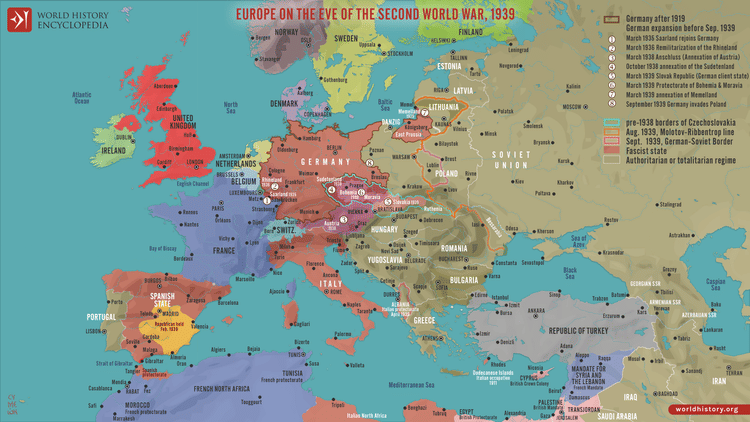
The true test of the Maginot Line came on May 10, 1940, when Germany unleashed its offensive on France, Belgium, the Netherlands, and Luxembourg. The attack involved two major surprises for Allied planners. First, the speed and ferocity of the Blitzkrieg tactics, which overwhelmed traditional defensive lines. Second, and most critically, the main German thrust came through the Ardennes Forest in neutral Belgium. Allied military strategists had deemed this heavily forested, rugged terrain unsuitable for a large-scale tank and truck offensive, considering it a natural barrier. This miscalculation left a crucial sector of the Allied line, the "hinge" between the Maginot Line and the Anglo-French forces positioned in Belgium, dangerously weak.
The German armored divisions, led by commanders like Heinz Guderian, executed a daring and rapid advance through the Ardennes, achieving a decisive breakthrough at Sedan. This giant arc of attack swept through the Low Countries and into north-eastern France, effectively bypassing the Maginot Line entirely. As the German forces raced towards the English Channel, they cut off and encircled the bulk of the Allied armies, leading to the desperate evacuation at Dunkirk. The main battles were fought far to the north and west of the Maginot Line.
Supporting Data: Inside the Concrete Leviathan
Architectural Innovations and Armament
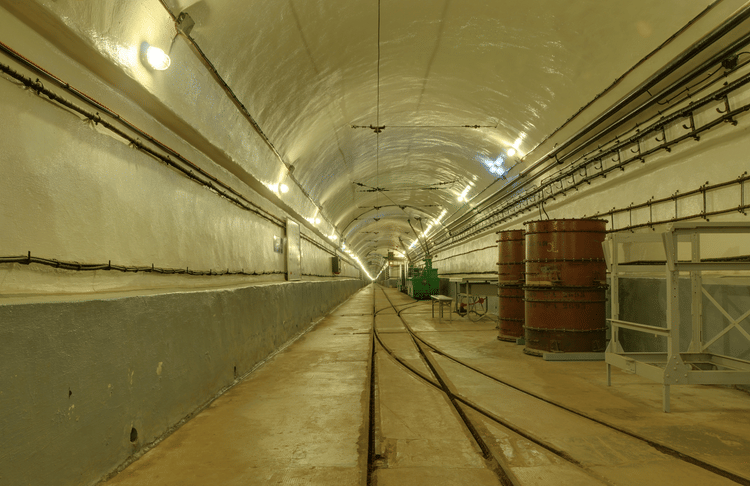
The Maginot Line was far more than a trench system; it was a self-contained underground city designed for sustained combat. Beneath the surface, tunnels housed barracks, kitchens, infirmaries, ammunition dumps, and power generators. A narrow-gauge railway system facilitated the rapid movement of supplies and personnel between casemates, often located several to 30 meters below ground. Sophisticated ventilation systems provided protection against gas attacks, a stark reminder of WWI’s chemical horrors. Optical periscopes allowed soldiers to observe the exterior without exposing themselves to danger.
The line’s armament was impressive, ranging from light machine guns for close defense to heavy 135mm howitzers and 75mm artillery pieces capable of engaging targets at long range. Gun crews were highly trained, operating with the precision and coordination of naval teams. Non-retractable emplacements were camouflaged with earthworks and even living vegetation, while anti-tank obstacles like metal girders driven vertically into the ground and extensive barbed wire provided further layers of defense.
Life Underground: The Garrisons
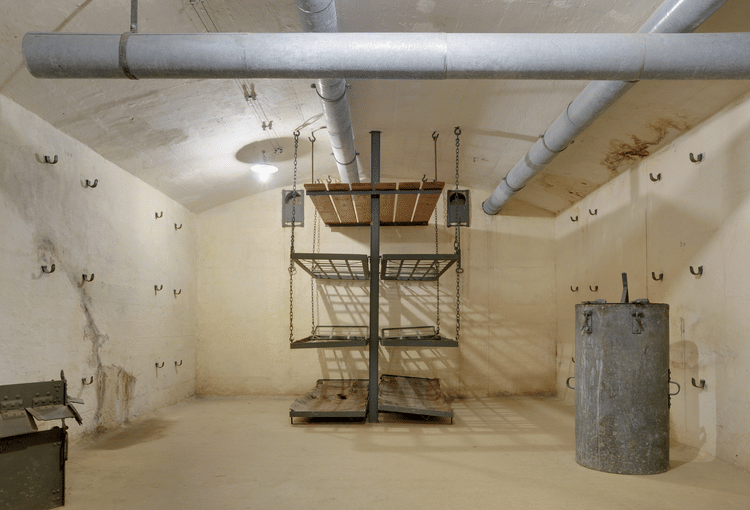
Life for the 400,000 troops garrisoned within the Maginot Line was unique. While protected from the elements and direct enemy fire, it was a subterranean existence. Bunkers were stocked with enough provisions to last up to four weeks in isolation, ensuring self-sufficiency. Generators provided electricity for lighting and power for the movable turrets and ammunition lifts, maintaining a semblance of normalcy. Telephones ensured internal communication between turrets and command centers, but coordination with external army units proved to be a critical weakness.
Despite the relative comfort and advanced facilities, the psychological impact of living deep underground, constantly prepared for an attack that might never come directly, was a concern. British journalist Gordon Waterfield, observing the Line, remarked, "the Maginot Line did a lot of harm, the whole idea that this was an impregnable fortress and that all we had to do was just sit there and wait for the Germans to come and shoot them down. I visited the Maginot Line and was really rather horrified by the effect it must have had on the soldiers." (Holmes, 99). Similarly, future British general Alan Brooke noted, "The most dangerous aspect is the psychological one: a sense of false security is engendered, a feeling sitting behind an impregnable iron fence; and should the defence perchance be broken, the French fighting spirit might be well brought crumbling with it." (Gilbert, 56).
The Unfinished Puzzle: Gaps in the Defenses
The Maginot Line’s perceived invincibility was largely a public perception. Military planners were well aware of its limitations, particularly the unfortified "Maginot Extension" along the Franco-Belgian border. This strategic oversight was not due to negligence but rather a complex interplay of political decisions, financial constraints, and tactical assumptions. The French doctrine of Dyle-Breda Plan envisioned Anglo-French forces advancing rapidly into Belgium to link up with Belgian defenses and confront any German invasion there. The idea was to meet the Germans on Belgian soil, sparing France the devastation of WWI. This strategy, however, relied heavily on the mobility of Allied forces and the effectiveness of Belgian fortifications, neither of which proved sufficient against the speed and overwhelming force of the Blitzkrieg.
Comparative Military Doctrines: France vs. Germany
The stark contrast in military doctrines between France and Germany was central to the Maginot Line’s ultimate fate. French military thinking, codified in the méthodique doctrine, emphasized methodical preparation, strong defensive positions, and a cautious approach to offensive operations, reserving tanks primarily as infantry support. This was a direct response to the immense casualties and inconclusive offensives of WWI.
Germany, under the influence of visionary commanders like Heinz Guderian, had embraced Blitzkrieg, a doctrine of rapid, decisive warfare. It combined massed armored divisions (Panzers) with motorized infantry and close air support (like the Stuka dive bombers) to achieve deep penetrations, disrupt enemy command and control, and encircle opposing forces. While France had developed excellent tanks, they were often dispersed among infantry units, diluting their offensive potential, and the French army significantly underinvested in crucial anti-tank guns and air defenses, vital components of modern mechanized warfare.
Official Responses: A Nation’s Faith and its Flaws
Political and Military Endorsement
The Maginot Line enjoyed broad political and military endorsement in France. It was seen as a prudent investment in national security, a bulwark against future German aggression, and a means to minimize casualties. André Maginot himself championed the project, arguing for its necessity as a deterrent and a defensive shield. The French General Staff, including revered figures like Marshal Philippe Pétain, largely agreed that the next war would be defensive in nature, a repeat of WWI. The Line provided a tangible sense of security to a nation still traumatized by the previous war.
Public Perception and Propaganda
The French press and government propaganda played a significant role in fostering the public’s belief in the Maginot Line’s impregnability. It was presented as an unbreachable fortress, a technological marvel that would deter any aggressor. This narrative, while boosting morale and national confidence, created a dangerous sense of false security. The public largely bought into the idea that "they shall not pass" was guaranteed by concrete and steel, failing to grasp the strategic vulnerability created by its incomplete coverage.
Allied Concerns and Warnings
While the French government promoted the Line, some Allied observers, particularly the British, harbored reservations. Winston Churchill, among others, expressed concerns about the purely defensive nature of the French strategy and the psychological impact it might have. British military planners recognized the potential for a flanking maneuver through Belgium, a scenario that the French dismissed or underestimated. These warnings, however, often fell on deaf ears within the French high command, whose strategic thinking remained rooted in the lessons of 1914-1918.
Post-Mortem: Blame and Justification
In the aftermath of the catastrophic Fall of France, official inquiries and historical analyses sought to understand the failures. While the Maginot Line itself largely held against direct assault, its strategic bypass was a devastating indictment of French military planning. The lack of coordination between the static defenses and mobile army units, the thin dispersal of French tank divisions, and the critical underestimation of Germany’s Blitzkrieg capabilities were all cited as major factors. French generals, including Maurice Gamelin, the commander-in-chief, faced intense scrutiny. The Line, once a symbol of strength, became a monument to strategic inflexibility and a cautionary tale of preparing for the last war rather than the next.
Implications: A Monument to Miscalculation
The Blitzkrieg’s Triumph and France’s Fall
The ultimate implication of the Maginot Line was its failure to prevent the rapid collapse of France. The German Blitzkrieg strategy, with its two-pronged surprise—the tactics themselves and the unexpected route through the Ardennes—rendered France’s extensive fortifications largely irrelevant. While the 400,000 troops garrisoned within the Maginot Line put up a spirited defense, enduring repeated bombardments by German 88mm artillery and Stuka dive bombers, and successfully repelling an Italian attack in June 1940, these battles were peripheral to the main German advance.
The Line was eventually breached at two points, Saarbrücken and Colmar, primarily by focused German artillery fire at relatively close range, but these were minor incursions. The main fortresses never fell to direct assault. However, with Paris captured on June 14, and the French government fleeing to Bordeaux before surrendering on June 22, the admirable resistance within the Maginot Line became a footnote. In the week following June 27, French troops in the remaining fortresses were ordered to surrender. The Fall of France, a nation that had been considered a formidable military power, took just six weeks, with catastrophic losses: 90,000 dead, 200,000 wounded, and 1.9 million prisoners or missing, against German casualties of 29,640 dead and 163,213 total.
The Psychological Aftermath
The psychological impact of the Maginot Line’s bypass was immense. For the French, it represented a betrayal of national trust, a symbol of a defensive mindset that proved utterly inadequate. The term "Maginot Line Mentality" entered common parlance, describing a flawed strategy based on an over-reliance on static defenses and an inability to adapt to new threats. It contributed to a deep sense of national humiliation and a crisis of confidence in French military and political leadership. For the British, the Dunkirk Evacuation, which saved 220,000 BEF troops and 120,000 French soldiers, allowed them to continue the fight from Britain, but the collapse of their closest ally was a profound shock.
Enduring Legacy and Lessons Learned
The Maginot Line became a potent symbol of military failure, a cautionary tale taught in military academies worldwide. It underscored the critical importance of strategic flexibility, intelligence gathering, and adapting to technological advancements in warfare. The success of the Blitzkrieg demonstrated that mobility, combined arms, and air superiority were the new arbiters of victory, effectively ending the era of purely static, linear defenses. The Line, though a defensive masterpiece, highlighted that even the most formidable fortifications could be rendered useless by innovative tactics that simply went around them.
Interestingly, parts of the Maginot Line did see action later in the war. The German Army utilized sections as a defense against advancing Allied armies in 1944. Later that year, the Ouvrage de Monte-Grosso at the southern end was restored and used by the Allies against German forces. During the Cold War, some sections were again reactivated and modernized as a deterrent against a potential Soviet invasion, demonstrating their inherent structural resilience.
Modern-Day Relevance and Preservation
Today, the Maginot Line has transitioned from a military bulwark to a historical monument. Approximately 20 different portions of the line have been restored and are open to the public, maintained by dedicated volunteer associations. Sites like the Schoenenbourg Fort in Alsace offer visitors a unique opportunity to explore the underground barracks, gun turrets, and intricate tunnel systems, providing a tangible link to a pivotal moment in 20th-century history. The Maginot Line, therefore, continues to serve as a powerful reminder of the complexities of strategic planning, the human cost of conflict, and the ever-evolving nature of warfare.