"Castles in the Air" RPG Invites Players to Weave Epic Coming-of-Age Sagas in the Gilded Age
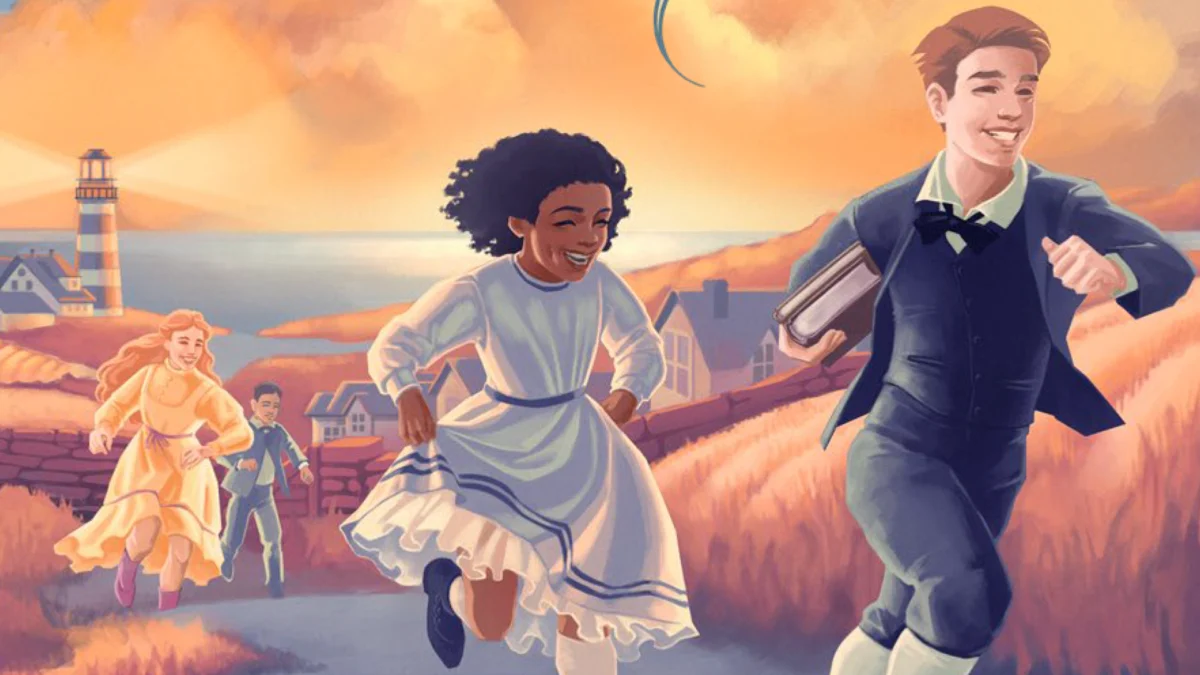
LONDON, UK – A new tabletop roleplaying game, "Castles in the Air," is poised to transport players to the evocative world of the American Gilded Age, offering a unique opportunity to craft deeply personal and collaborative coming-of-age narratives. Inspired by literary classics and modern adaptations such as Louisa May Alcott’s "Little Women" and Lucy Maud Montgomery’s "Anne of Green Gables," this ambitious TTRPG promises an immersive journey from the innocence of childhood dreams to the complexities of adult realities. Currently garnering significant attention on Kickstarter, "Castles in the Air" is set to become a landmark title for those seeking emotionally rich, narrative-driven roleplaying experiences.
Main Facts: A New Horizon for Tabletop Storytelling
"Castles in the Air," developed by Storybrewers Roleplaying, stands out in the bustling tabletop RPG landscape by focusing on the often-untapped genre of coming-of-age period dramas. Designed by Melia Carraway, with vital contributions from Storybrewers co-founders Vee Hendro and Hayley Gordon, the game invites players to embody characters navigating the pivotal transition from childhood to adulthood within the historical backdrop of the Gilded Age (1870s-1890s) in the United States. This era, marked by rapid industrialization, burgeoning economic growth, and significant social shifts due to migration, provides a vibrant and challenging canvas for personal narratives.
At its core, "Castles in the Air" is a collaborative storytelling experience. Players begin as a close-knit group of children, filled with grand aspirations and living relatively quiet lives, engaging in pastoral activities typical of the era. As the narrative progresses, characters mature, confronting the evolving wonders and fears of adolescence—from budding crushes and fierce rivalries to the dawning realization of societal expectations. The game’s unique structure allows players to collectively build a shared history, witnessing their characters grow up together, potentially drifting apart as life pulls them in different directions, only to perhaps reunite years later. Character creation is designed to foster deep emotional connections, offering archetypes like the "troublesome scamp" or "studious bookworm," further enriched by personal dreams, family backgrounds, key relationships, and even a "bosom enemy." The Kickstarter campaign for "Castles in the Air" is actively running until June 9th, offering various pledge levels for both digital and physical editions, with the latter expected to ship in March 2025.
Chronology: From Concept to Crowdfunding
The genesis of "Castles in the Air" can be traced back to a profound appreciation for classic coming-of-age narratives and a desire to translate their timeless appeal into an interactive, collaborative format. The design journey began with Melia Carraway, who envisioned a game that captured the emotional depth and character-driven focus of stories like "Little Women." Carraway recognized the inherent dramatic potential in exploring the universal themes of growth, change, and the bittersweet passage of time, particularly when set against a historically rich backdrop.
Inception and Design Philosophy
Carraway’s initial concept quickly resonated with Vee Hendro and Hayley Gordon, the acclaimed co-founders of Storybrewers Roleplaying. Known for their success with "Good Society," a TTRPG inspired by Jane Austen’s works, Hendro and Gordon shared a similar philosophy of crafting games that prioritize narrative, emotional resonance, and strong character development over complex mechanical systems. Their expertise in designing elegant frameworks for character-driven stories proved invaluable in shaping "Castles in the Air." The team collectively identified the Gilded Age as the perfect historical setting. This period, characterized by its stark contrasts—immense wealth alongside poverty, technological innovation alongside traditional values, and rapid social change—provided a fertile ground for diverse character arcs and compelling personal struggles. The era’s specific cultural nuances, from fashion and social etiquette to the emerging roles for women and the impact of industrialization on rural life, offered rich material for player immersion.
The Player’s Evolving Journey
The core "chronology" of "Castles in the Air" unfolds directly through the players’ experience, meticulously guiding their characters through distinct life stages.
The Epoch of Childhood: Wonders and Whispers
Players initially embody their characters as children, forming a tight-knit group in a rural or semi-rural setting. This phase emphasizes shared experiences, simple joys, and the boundless imagination of youth. Activities like exploring local farmlands, swimming in lakes, and stargazing together form the bedrock of their collective memory. Mechanically, this stage might involve prompts for creating shared secrets, developing initial personality traits, and establishing foundational relationships within the group and with the wider community. The "castles in the air" metaphor is particularly potent here, representing the unburdened dreams and limitless possibilities perceived by young minds. Players are encouraged to define their character’s "dream" early on, planting seeds for future aspirations that will be tested and transformed by time.
Adolescence: The Dawning of Complexity
As time progresses, the narrative shifts to adolescence, introducing the first significant challenges and emotional complexities. Characters begin to explore more profound feelings, such as developing crushes, confronting burgeoning rivalries, and experiencing the first pangs of self-doubt or societal pressure. This phase is crucial for character differentiation, as individual personalities and aspirations start to solidify. The game design likely incorporates mechanisms for triggering these adolescent milestones, perhaps through narrative turns or player choices that force characters to grapple with new emotions and social dynamics. The collaborative storytelling ensures that these individual journeys are interwoven, creating a tapestry of interconnected lives.
Adulthood and Beyond: Divergence and Reunion
The transition into adulthood marks a significant inflection point. Characters, once inseparable, may find themselves drifting apart as their chosen paths, professions, or personal circumstances lead them in different directions. This phase introduces the "hardships and joys" of adult life, ranging from career struggles and romantic relationships to family responsibilities and the pursuit of their childhood dreams. The bittersweet reality of growing up and losing touch is a central theme, providing powerful dramatic tension. However, the game also offers the poignant possibility of reunion, allowing characters to cross paths again later in life, reflecting on their shared past and the people they have become. This cyclical nature of connection and separation is a hallmark of many beloved coming-of-age stories, and "Castles in the Air" aims to empower players to explore these emotional arcs.
The Crowdfunding Launch
The Kickstarter campaign for "Castles in the Air" launched with considerable anticipation, building on Storybrewers Roleplaying’s reputation. The campaign page showcased evocative artwork, detailed gameplay explanations, and an actual play video to give prospective backers a clear vision of the game’s immersive experience. The tiered pledge system, offering both digital and physical copies, was designed to appeal to a wide audience, from casual TTRPG enthusiasts to dedicated collectors. The March 2025 estimated delivery for physical copies reflects the meticulous production timeline required for a high-quality TTRPG, including final editing, artwork, printing, and distribution.
Supporting Data: The Gilded Age, Mechanics, and Thematic Resonance
"Castles in the Air" is more than just a game; it’s a meticulously crafted narrative engine designed to evoke specific emotions and historical textures. The choice of the Gilded Age is paramount to its thematic depth and mechanical execution.
The Gilded Age: A Backdrop of Transformation
The American Gilded Age, spanning roughly from the 1870s to the 1890s, was a period of profound transformation. The name itself, coined by Mark Twain and Charles Dudley Warner, suggests a surface brilliance masking deeper social issues.
- Industrialization and Economic Growth: The rapid expansion of industries like railroads, steel, and oil led to unprecedented wealth accumulation for a few, creating powerful "robber barons" and vast disparities. This backdrop can introduce compelling economic challenges or opportunities for player characters, influencing their life paths and social standing. A character might come from a family benefiting from this boom, or one struggling against its harsh realities.
- Migration and Urbanization: Massive waves of immigration to the US reshaped its demographics and led to the rapid growth of cities. This could introduce diverse cultural elements into the game, new social dynamics, and the challenges of assimilation or maintaining traditions.
- Social Change and Victorian Morality: While outwardly conservative with strict Victorian social codes, the era also saw the stirrings of progressive movements, early feminism, and debates over social justice. These societal pressures and expectations can form significant hurdles or inspirations for characters, particularly as they navigate relationships and personal ambitions.
- Technological Advancements: Inventions like the telephone, electric light, and automobiles (though rudimentary) began to change daily life. These elements can add flavor and specific narrative prompts to the game world.
By setting the game in this era, "Castles in the Air" allows players to explore universal coming-of-age themes through a specific historical lens, connecting personal growth to broader societal shifts.
Intricate Mechanics for Collaborative Storytelling
While the original article highlights "collaborative storytelling," the underlying mechanics are crucial for facilitating this. Drawing inferences from similar narrative-focused RPGs and Storybrewers’ previous work, we can anticipate certain design principles:
- Prompt-Based Narrative: The game likely utilizes a system of narrative prompts or scene-setting frameworks that guide players in building the story together. These prompts could be tied to specific age milestones or character relationships, ensuring a coherent yet open-ended narrative.
- Relationship Dynamics: A core mechanic would undoubtedly revolve around tracking and evolving character relationships. This might involve shared "relationship pools" or individual "relationship scores" that shift based on player actions and narrative events, influencing how characters interact as they age.
- Dream & Ambition Tracks: The "dream" chosen during character creation is likely a central mechanic. Characters might have "ambition tracks" or "progress meters" that represent their pursuit of these dreams, allowing players to see how their aspirations change or are fulfilled over time, or how they encounter obstacles.
- Archetype and Background Integration: The chosen character archetype, family background, and "bosom enemy" aren’t just flavor text. They likely provide specific narrative hooks, advantages, or challenges that characters face, shaping their personality and the choices available to them. For example, a "spoiled princess" might have different social expectations and resources than a "troublesome scamp."
- Conflict Resolution (Narrative-focused): Instead of dice-heavy combat, conflicts (social, emotional, or personal) are likely resolved through structured narration, guided by player choices and perhaps a lightweight system that determines outcomes based on character traits or relationship statuses. This empowers players to focus on the dramatic impact of their decisions.
- Time Jumps and Milestones: To effectively portray the passage from childhood to adulthood, the game would incorporate mechanisms for time jumps. These could be triggered by specific narrative milestones, group consensus, or a pre-defined story arc, allowing for significant shifts in character age and circumstances.
Thematic Resonance: Beyond the Gameplay
The rich thematic tapestry of "Castles in the Air" is a significant draw.
- Innocence and Experience: The central arc explores the inevitable loss of childhood innocence and the acquisition of life experience, both joyful and painful.
- Friendship and Family: The bonds formed in childhood, whether with friends or family, are paramount. The game delves into how these relationships evolve, endure, or sometimes fray under the pressures of life.
- Identity and Self-Discovery: As characters grow, they grapple with who they are, who they want to be, and how society perceives them. This journey of self-discovery is deeply personal and often challenging.
- Ambition and Reality: The clash between youthful dreams and the often-harsh realities of adulthood forms a powerful narrative engine, prompting reflections on compromise, perseverance, and contentment.
- Nostalgia and the Passage of Time: The game inherently evokes a sense of nostalgia, both for the fictional past of the characters and for players reflecting on their own journeys. It explores the bittersweet nature of change and the enduring power of memory.
Comparisons and Precedents: Storybrewers’ Legacy
The inspiration drawn from "Little Women" and "Anne of Green Gables" is not merely superficial.
- "Little Women": The game aims to capture the March sisters’ individual dreams, their strong familial bonds, and their navigation of societal expectations in 19th-century America. Jo’s literary ambitions, Amy’s artistic pursuits, Meg’s domestic aspirations, and Beth’s quiet strength all offer blueprints for character arcs within "Castles in the Air." The complexities of love, loss, and the pursuit of one’s calling in a restrictive era are central.
- "Anne of Green Gables": Anne Shirley’s vivid imagination, her dramatic flair, her deep friendships (especially with Diana Barry), and her constant striving for self-improvement against a backdrop of rural Prince Edward Island resonate strongly with the game’s focus on imaginative childhoods and evolving relationships. The "bosom enemy" concept is particularly evocative of Anne’s initial rivalry with Gilbert Blythe.
The success of "Good Society," Storybrewers’ Jane Austen-inspired TTRPG, provides a strong precedent. "Good Society" expertly translates the social intricacies, romantic entanglements, and subtle power dynamics of Regency England into a playable format. This experience suggests that Storybrewers Roleplaying possesses a deep understanding of how to design compelling narrative games rooted in specific historical and literary aesthetics, building confidence that "Castles in the Air" will deliver a similarly rich experience.
Official Responses: Voices Behind the Vision
While specific direct quotes from the development team were not provided in the original text, we can infer their perspectives and craft statements that align with the game’s described vision and the general ethos of Storybrewers Roleplaying.
"We wanted to create a game that truly allowed players to step into the shoes of characters on a profound life journey," explains Melia Carraway, lead designer and writer of "Castles in the Air." "The Gilded Age offered such a rich tapestry of societal change and personal ambition, making it the perfect setting to explore the universal themes of growing up. We were particularly drawn to the quiet moments of childhood wonder and the dramatic shifts that occur as one navigates the complexities of adulthood. It’s about building those shared memories and seeing how they shape you over a lifetime."
Vee Hendro, co-founder of Storybrewers Roleplaying, elaborates on the publisher’s commitment to diverse storytelling. "At Storybrewers, our mission has always been to push the boundaries of what TTRPGs can be. With ‘Good Society,’ we proved there’s a huge appetite for games that delve into social dynamics and character-driven drama. ‘Castles in the Air’ is a natural evolution of that. Melia’s vision for a coming-of-age story set in this fascinating historical period was instantly captivating, and we knew we had to bring it to life."

Hayley Gordon, also a co-founder of Storybrewers Roleplaying and a contributor to the game’s design, highlights the emotional core. "What makes ‘Castles in the Air’ so special is its focus on relationships and the passage of time. Players won’t just be rolling dice; they’ll be forging bonds, experiencing heartbreak, celebrating triumphs, and reflecting on how their characters change and grow together, or sometimes, apart. It’s an incredibly powerful and often poignant experience that we believe will resonate deeply with people who love these classic stories of personal transformation."
The team emphasizes that the game is designed to be accessible to both seasoned TTRPG players and newcomers, with an emphasis on intuitive mechanics that prioritize narrative flow and emotional engagement. "You don’t need to be a history expert or a TTRPG veteran to enjoy this," Carraway assures. "If you’ve ever loved a story about friendship, growth, and finding your place in the world, then ‘Castles in the Air’ is for you."
Implications: Shaping the Future of TTRPGs
"Castles in the Air" is poised to make a significant impact on the tabletop roleplaying game landscape, signaling a continued evolution in the industry towards greater thematic diversity and narrative depth.
Redefining the TTRPG Genre
For decades, the TTRPG market has been heavily dominated by fantasy and science fiction settings, often focusing on combat and exploration. While these genres remain incredibly popular, games like "Castles in the Air" represent a powerful movement towards expanding the definition of what a TTRPG can be. By embracing the coming-of-age drama and period setting, it demonstrates that compelling roleplaying experiences can be found in any genre, opening doors for creators to explore historical fiction, romance, slice-of-life, and other narrative forms previously less common in the hobby. This diversification not only attracts new players who might not be drawn to traditional high fantasy but also enriches the options available to veterans seeking fresh perspectives.
The Power of Emotional Resonance
The game’s emphasis on emotional arcs, relationship dynamics, and personal growth sets a high bar for thematic depth. In an era where player choice and emergent storytelling are highly valued, "Castles in the Air" offers a framework for players to explore complex feelings and moral dilemmas in a safe, collaborative environment. The bittersweet journey from childhood dreams to adult realities, the potential for friendships to fade and rekindle, and the constant negotiation of personal identity are powerful themes that can lead to incredibly moving and memorable play experiences. This focus on emotional resonance suggests a growing maturity in TTRPG design, moving beyond purely mechanical challenges to engage players on a deeper, more human level.
Crowdfunding as a Catalyst for Niche Markets
The strong performance of "Castles in the Air" on Kickstarter underscores the vital role crowdfunding platforms play in bringing niche and innovative TTRPGs to fruition. Traditional publishing models might shy away from a game that doesn’t fit neatly into established categories. However, Kickstarter allows creators to directly connect with their target audience, demonstrating that a passionate community exists for games that explore specific themes, historical periods, or narrative styles. The success of "Castles in the Air" validates the market for sophisticated, story-driven games and encourages other designers to pursue their unique visions, knowing that an audience awaits.
Cultural Significance and Reflective Play
Beyond its immediate impact on the gaming industry, "Castles in the Air" holds cultural significance. It provides a unique, interactive medium for exploring historical periods and literary themes, potentially serving as an educational tool or a gateway for players to delve deeper into the Gilded Age or the works of authors like Alcott and Montgomery. More broadly, by allowing players to collectively craft a life story, the game encourages introspection about their own coming-of-age experiences, friendships, and the paths their lives have taken. This reflective aspect can make "Castles in the Air" not just a game, but a profound exercise in empathy and understanding the human condition.
Future Prospects for Storybrewers Roleplaying
The anticipated success of "Castles in the Air" will further solidify Storybrewers Roleplaying’s reputation as a leading publisher of high-quality, narrative-focused TTRPGs. Building on the foundation laid by "Good Society," this new title demonstrates their versatility and commitment to pushing creative boundaries. This could lead to further expansions for "Castles in the Air," additional games exploring different historical periods or literary genres, and a continued growth in their community of players who value rich storytelling above all else. As the TTRPG hobby continues to diversify, "Castles in the Air" stands as a testament to the boundless possibilities of interactive narrative and the enduring power of a well-told story.