The Resurrection of Raccoon City: Zach Cregger’s ‘Resident Evil’ Shatters Records and Redefines the Horror-Action Genre
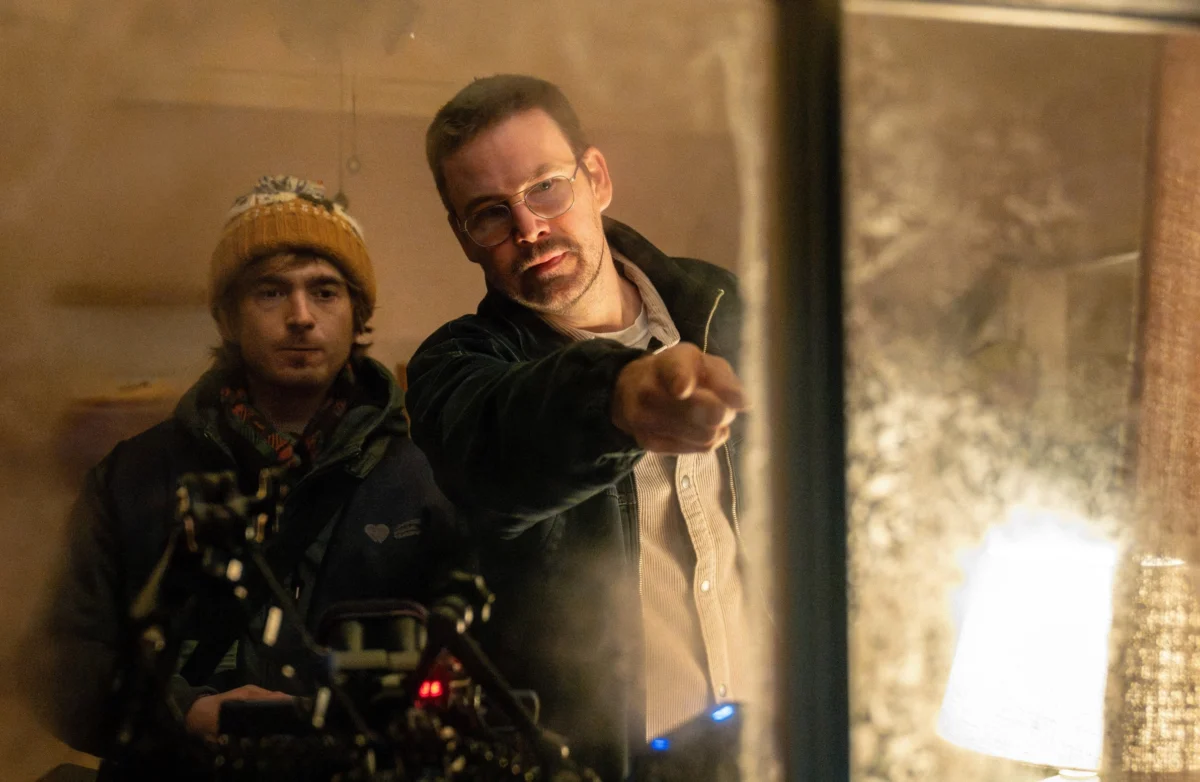
LOS ANGELES — In a cinematic landscape often haunted by the "video game curse," Zach Cregger’s reimagining of Resident Evil has not only broken the mold but has effectively shattered the box office. In a stunning opening weekend performance, the reboot managed to outgross the entire lifetime theatrical run of the original 2002 film, signaling a massive shift in audience appetite and cementing Cregger’s status as a premier architect of modern genre filmmaking.
The film, produced by Sony’s TriStar Pictures in association with Constantin Film and Davis Film, arrived in theaters with high expectations, yet its $108.3 million global debut exceeded even the most optimistic tracking. As the industry dissects the numbers, the narrative is clear: Resident Evil is no longer a tired relic of the early 2000s, but a revitalized powerhouse capable of anchoring a new era of blockbuster horror.
Main Facts: A Record-Breaking Debut
The financial footprint of Cregger’s Resident Evil is a testament to the film’s broad appeal. Of the $108.3 million amassed worldwide, $60 million originated from domestic theaters, while $48.3 million poured in from international markets. This balanced split suggests a global resonance that previous iterations of the franchise struggled to maintain in their later years.
To put this achievement in perspective, the original Resident Evil, directed by Paul W.S. Anderson and starring Milla Jovovich, grossed approximately $102.9 million globally over its entire theatrical lifespan in 2002. While industry analysts are quick to point out that inflation adjustments would place the 2002 film’s earnings higher in today’s dollars, the fact that a reboot can match a predecessor’s lifetime total in just three days is a rare feat in Hollywood.
The film was produced on a reported budget of $75 million. Given the traditional marketing spend and theater revenue splits, the film is already on a fast track to significant profitability. This is a sharp departure from the franchise’s recent history, which had been marred by diminishing returns and critical apathy.
Chronology: The Road to Raccoon City’s Revival
The journey to this weekend’s triumph was anything but certain. To understand the significance of Cregger’s success, one must look at the franchise’s turbulent recent past and the director’s own meteoric rise.
The Decline (2017–2022)
Following the conclusion of the Jovovich-led series with Resident Evil: The Final Chapter in 2017, the brand entered a period of stagnation. In 2021, Sony attempted a "faithful" reboot with Resident Evil: Welcome to Raccoon City. Despite its adherence to game lore, the film was a commercial failure, grossing only $42 million against a $25 million budget—a figure that barely covered production costs once theater owners took their cut.
The brand hit a perceived nadir in 2022 when Netflix’s live-action Resident Evil series was canceled after just one season due to poor viewership and a lukewarm critical reception. At that moment, the consensus in Hollywood was that the T-Virus had finally run its course.

The Cregger Factor
While the franchise was flailing, Zach Cregger was orchestrating one of the most impressive career pivots in recent memory. Formerly known for his work in the sketch comedy troupe The Whitest Kids U’ Know, Cregger shocked the industry with the 2022 horror hit Barbarian. Produced for a mere $4.5 million, Barbarian earned $46.2 million and established Cregger as a master of tension and subverted expectations.
Recognizing a rising star, Sony’s TriStar and Constantin Film moved aggressively. They secured Cregger to write and direct the Resident Evil reboot during the narrow window between the release of Barbarian and his follow-up project, Weapons. This proved to be a masterstroke of timing. By the time Cregger began production on Resident Evil, Weapons had become a cultural phenomenon, grossing $270 million on a $38 million budget and earning an Academy Award for Amy Madigan’s transformative performance.
Supporting Data: Analyzing the "Cregger Economy"
The success of Resident Evil is the latest data point in what analysts are calling the "Cregger Economy"—a trend where high-concept genre films yield massive returns on relatively modest (by blockbuster standards) investments.
| Film | Budget | Global Box Office | ROI Factor |
|---|---|---|---|
| Barbarian | $4.5M | $46.2M | 10.2x |
| Weapons | $38M | $270M | 7.1x |
| Resident Evil (Opening) | $75M | $108.3M | TBD |
The $108.3 million opening weekend for Resident Evil suggests a "multiplier" effect. Cregger’s name has become a brand in itself, attracting "prestige horror" fans who might otherwise avoid a video game adaptation, while the Resident Evil IP provides a built-in global fanbase.
Furthermore, the domestic-to-international ratio (55% to 45%) indicates a strong North American performance that exceeded early tracking by nearly 20%. In international territories, the film performed particularly well in South Korea, Mexico, and the United Kingdom, suggesting that Cregger’s more grounded, atmospheric approach to the material has a more universal "cinematic" quality than the stylized action of previous entries.
Official Responses: A New Gold Standard
While official statements from the studio remain celebratory, internal sources at Sony and Constantin Film suggest that the film’s success has fundamentally altered their long-term strategy for the property.
"Zach didn’t just make a ‘video game movie’; he made a Zach Cregger movie that happens to be set in the Resident Evil universe," said one high-ranking executive who requested anonymity. "The focus was on atmosphere, dread, and character-driven stakes. We saw with The Last of Us on HBO that audiences want depth with their digital icons, and Zach delivered that in a theatrical format."
Vulture recently ranked Cregger as the 17th most powerful director in Hollywood, a position that is almost certain to climb following this weekend. Critics have also weighed in, praising the film’s "claustrophobic" direction and its departure from the "CGI-heavy spectacles" that defined the mid-2000s era of the franchise. The consensus appears to be that Cregger has successfully bridged the gap between "elevated horror" and "popcorn cinema."

Implications: The Future of the Franchise and the "Blank Check"
The massive success of this reboot carries profound implications for the film industry at large.
1. The Inevitability of a Sequel
With a $108 million start on a $75 million budget, a sequel is no longer a question of "if" but "when." Industry insiders expect an announcement regarding a follow-up—likely covering the events of the second and third games in the series—within the coming weeks. The challenge for the studio will be retaining Cregger, whose "quote" (his directing fee) has likely doubled overnight.
2. The "Blank Check" Era for Cregger
Cregger has reached a rarefied air in Hollywood. He is now among a handful of directors—names like Christopher Nolan, Jordan Peele, and Greta Gerwig—who can get a project greenlit based on their involvement alone. As noted by industry observers, if Cregger decided his next project was a three-hour experimental film about a CPA during tax season, major studios would likely compete for the distribution rights.
3. A New Blueprint for Adaptations
The success of Resident Evil provides a new blueprint for aging franchises. Rather than simply replicating the aesthetics of the source material, Cregger’s approach suggests that hiring a visionary director with a distinct voice—and allowing them to reinterpret the IP through their own lens—is the most viable path to both critical and commercial success.
4. The Expansion of the "Cregger-verse"
Beyond Resident Evil, Cregger’s previous successes continue to pay dividends. A prequel to Weapons, focusing on the "Aunt Gladys" origin story, is already in active development. The director’s ability to build out interconnected narratives and lore is becoming his trademark, making him an invaluable asset to studios looking to build sustainable "cinematic universes."
In conclusion, Zach Cregger’s Resident Evil is more than just a box office hit; it is a cultural moment that has resuscitated a dying brand and elevated a filmmaker into the stratosphere of Hollywood power players. As the T-Virus spreads once again across global cinema screens, the industry is watching closely to see what this new master of horror will do next. Whether he stays within the confines of Raccoon City or ventures into original territory, one thing is certain: the world will be watching.