Into the Green Inferno: Unveiling the Primal Horrors of the Jungle in Literature
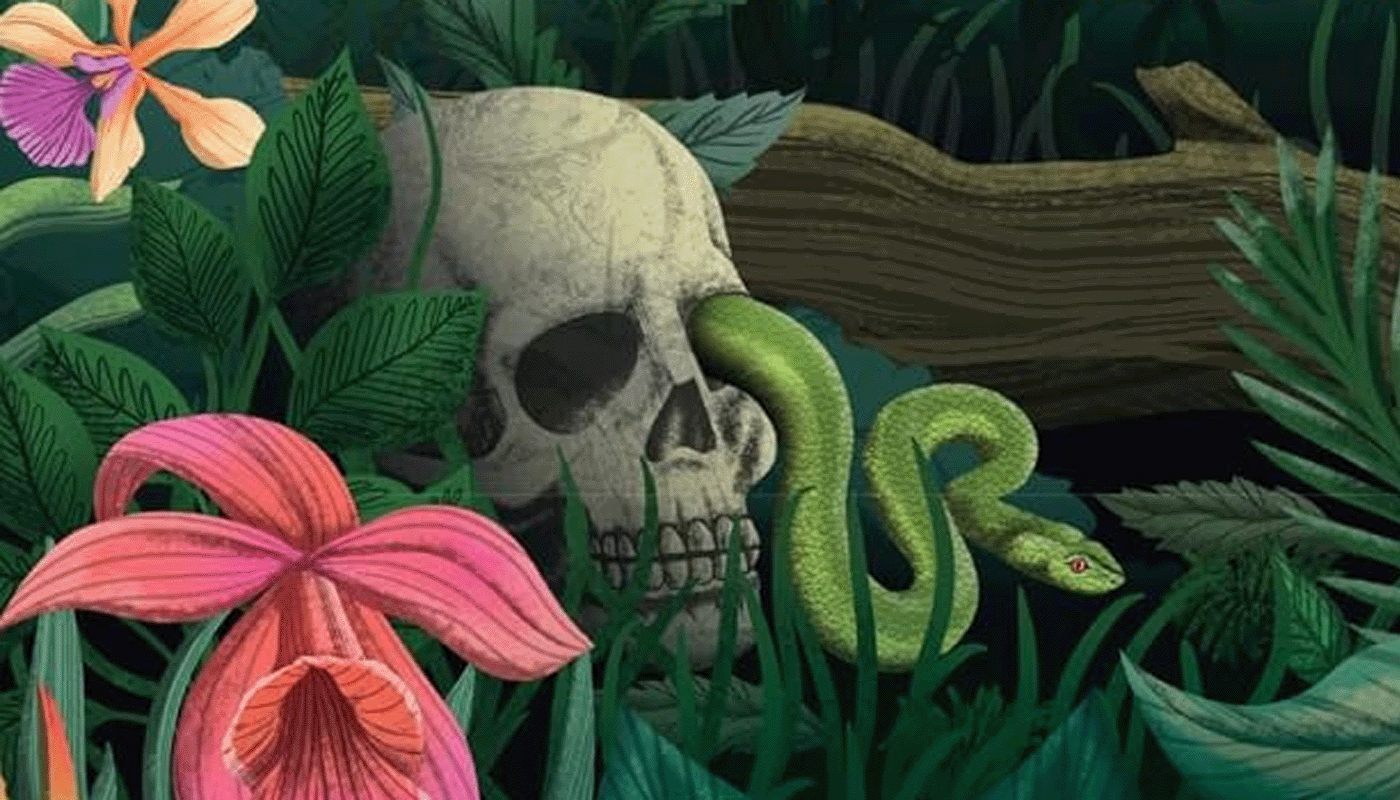
The jungle, a realm of unparalleled biodiversity and raw, untamed power, stands as one of Earth’s most evocative and paradoxical environments. It is a tapestry woven from the vibrant hues of life and the somber threads of death, simultaneously inspiring awe with its lush grandeur and chilling dread with its inherent dangers. For centuries, this verdant abyss, characterized by its dense canopy, oppressive humidity, and unseen inhabitants, has served as a potent backdrop for tales of adventure, discovery, and, most terrifyingly, horror.
While its beauty is undeniable, the jungle also harbors a primal menace. Beneath the emerald canopy, an intricate web of flora and fauna operates on ancient, unforgiving laws. Some of these organisms possess a singular, chilling agenda: to kill. This formidable combination of sensory overload, physical discomfort, profound isolation, and omnipresent threats — from venomous creatures to carnivorous plants, or even the psychological decay induced by its relentless embrace — creates an unparalleled setting for narratives designed to fray nerves and tap into humanity’s deepest fears.
This article delves into five compelling works of fiction, ranging from classic weird tales to modern psychological thrillers, that masterfully exploit the jungle’s terrifying potential. These stories invite readers not to a playground of exotic delights, but to a suffocating embrace where giant spiders, sentient vines, and the very wilderness itself become instruments of unspeakable terror.
A Chronology of Primal Fears: Five Journeys into the Heart of Darkness
The following selections represent a diverse cross-section of jungle horror, demonstrating how different authors have harnessed this unique environment to craft tales that linger long after the final page.
"The Seed from the Sepulchre" by Clark Ashton Smith (1933): Botanical Body Horror in the Orinoco
Main Facts: Clark Ashton Smith, a contemporary and correspondent of H.P. Lovecraft, was a master of cosmic horror and weird fiction, known for his luxuriant, often grotesque prose and imaginative settings. "The Seed from the Sepulchre," published in Weird Tales, exemplifies his talent for blending exotic locales with biological dread.
Chronology & Plot Summary: The story follows James Falmer and Roderick Thone, two orchid hunters whose pursuit of rare botanical specimens leads them to a perilous detour. Accompanied by local guides, they venture along a remote branch of Venezuela’s Orinoco River, drawn by whispers of an ancient, ruined city housing a treasure-filled burial pit. The narrative opens as Falmer, having separated from the ailing Thone, returns from his exploratory foray. Instead of the anticipated gold and gemstones, he carries a far more disturbing discovery: a tale of a grotesque, unearthly plant that has intricately woven itself through the remains of a skeleton within the tomb.
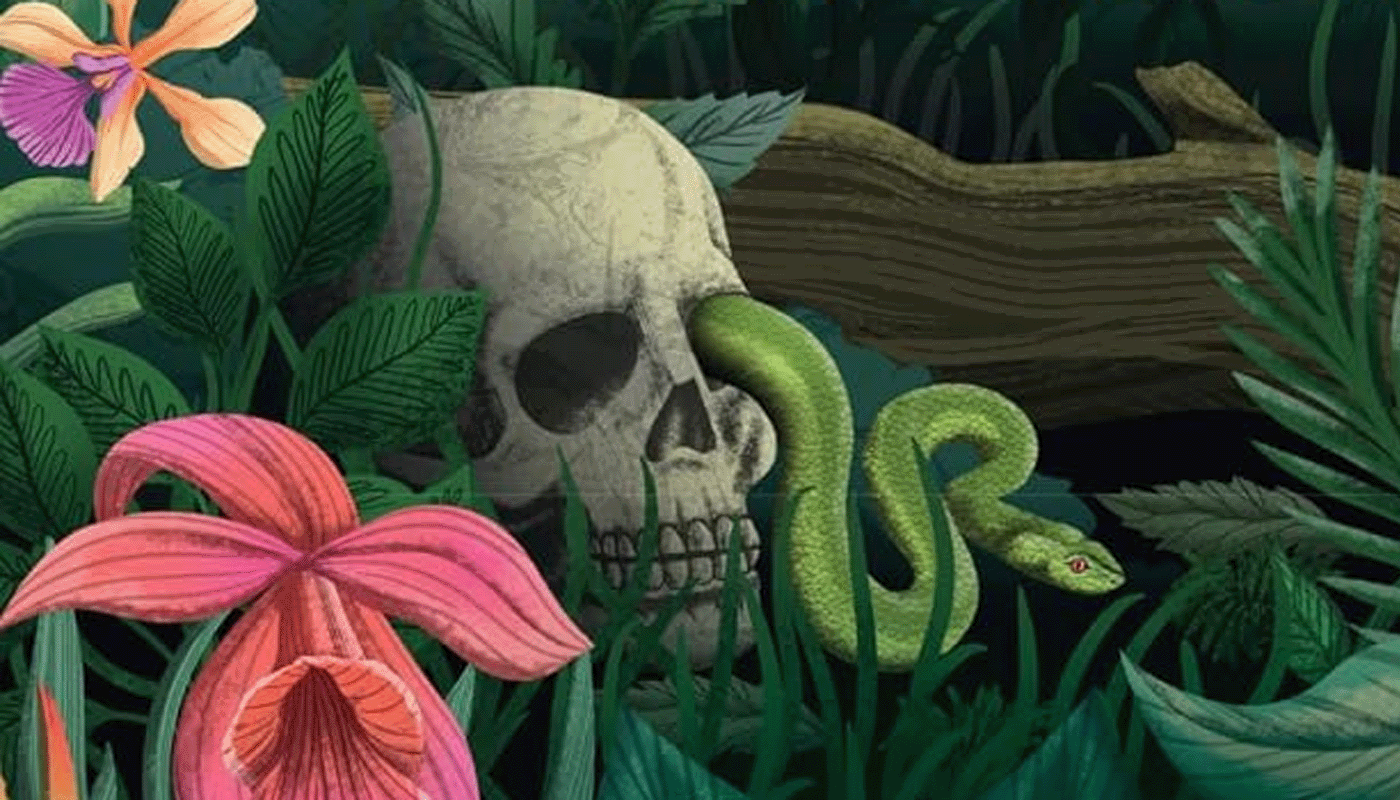
Supporting Data & Thematic Deep Dive: Smith’s brilliance lies in his ability to conjure vivid, unsettling imagery with remarkable economy of words. Despite its brevity, "The Seed from the Sepulchre" does not shy away from visceral body horror. The plant, more than a mere botanical oddity, represents an insidious, alien life form that violates the sanctity of the human form, transforming decay into a horrifying new kind of life. This narrative taps into ancient fears of parasitic infestation, the uncanny sentience of nature, and the ultimate loss of corporeal autonomy. The jungle, in this context, is not just a setting but a womb for unimaginable biological monstrosities, where the line between flora and human flesh blurs into a disturbing new reality.
Implications: Smith’s work here is a testament to the early 20th-century weird fiction movement’s capacity to explore themes beyond traditional ghost stories, venturing into cosmic and biological terror. It underscores the idea that the deepest horrors often lie in the perversion of the natural order, particularly when humanity stumbles into forces it cannot comprehend or control.
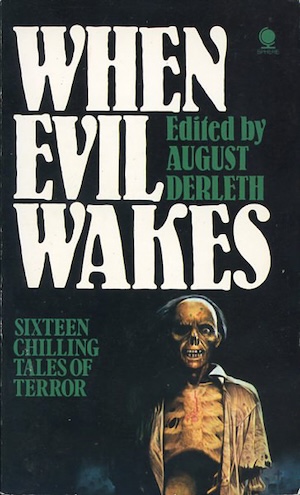
"How Spoilers Bleed" by Clive Barker (1985): Colonial Guilt and Supernatural Retribution in the Amazon
Main Facts: Clive Barker, a seminal figure in modern horror, redefined the genre with his visceral, poetic, and often philosophical approach. His Books of Blood series (from which this short story is drawn) is lauded for its uncompromising exploration of pain, pleasure, and the grotesque. "How Spoilers Bleed" stands out for its sharp social commentary fused with supernatural terror.
Chronology & Plot Summary: Set against the backdrop of the Amazon rainforest, a region historically ravaged by exploitation, the story confronts the devastating impact of human greed. It follows a familiar, tragic scenario: a ruthless group of mercenaries, led by the pragmatic Locke, purchases a tract of land inhabited by an Indigenous tribe, intent on forcibly displacing them. Locke initially attempts a "peaceful" eviction, but the confrontation quickly escalates, culminating in the tragic shooting death of a child. This act of violence unleashes a potent, ancient curse from the tribe’s elder.
Supporting Data & Thematic Deep Dive: Barker masterfully transforms a real-world atrocity – the systematic destruction of Indigenous cultures and their lands – into a uniquely horrifying supernatural tale. The curse inflicted upon the mercenaries is not one of immediate, conventional violence, but a far more insidious and agonizing fate: their skin becomes impossibly fragile, breaking apart at the slightest touch. This grotesque manifestation of internal decay, mirroring the moral corruption of the colonizers, is a hallmark of Barker’s genius. The jungle here is not merely a stage for conflict; it is a living entity, an ancient witness that exacts a brutal, poetic justice. The horror lies not just in the physical disintegration but in the symbolic retribution, where the invaders are literally stripped of their protective layers, vulnerable and exposed, much like the land they sought to despoil.
Implications: Barker’s story is a powerful critique of colonialism and environmental destruction, cloaking its message in the terrifying garb of body horror. It highlights the idea that the wilderness, when violated, can strike back with an intelligence and malevolence that transcends human understanding, offering a grim "official response" from the natural world to human transgressions.
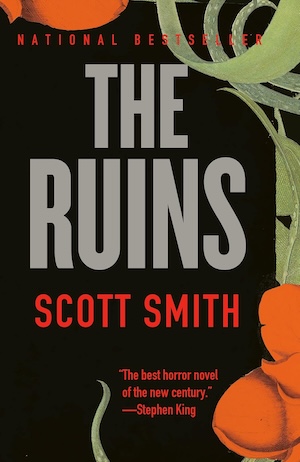
The Ruins by Scott Smith (2006): Verdant Entanglement and the Folly of Ignorance in Mexico
Main Facts: Scott Smith, known for his intense, character-driven thrillers, carved a significant niche in modern horror with The Ruins. The novel gained widespread critical acclaim for its relentless tension, realistic character portrayal, and truly unique antagonist.
Chronology & Plot Summary: The narrative plunges two American couples, Jeff and Amy, and Eric and Stacy, into a sun-drenched, booze-soaked vacation in Mexico. Their carefree indulgence takes a dark turn when they meet a German tourist whose brother has vanished after heading to an archaeological dig deep within the jungle. Driven by a mix of curiosity and concern, the group, alongside two new acquaintances, embarks on an ill-prepared day trip to his last known location. Their foolish disregard for basic jungle safety – lacking appropriate gear, sufficient provisions, or a knowledgeable guide – sets the stage for their undoing. Upon reaching the remote, vine-covered Mayan ruins, they find themselves inexplicably trapped by the Indigenous inhabitants of the area, confined to a small hill where the ancient vines themselves exhibit a chilling, sentient malevolence and a taste for human blood.
Supporting Data & Thematic Deep Dive: Smith excels at crafting an atmosphere of suffocating dread, where every element of the jungle contributes to the horror. The relentless Mexican sun beats down, amplifying their thirst and despair. The pervasive insects, the dense vegetation, and the isolation all serve to heighten the protagonists’ vulnerability. The true antagonist, however, is the ancient, carnivorous vine that covers the ruins. This plant is not a passive backdrop but an active, intelligent predator, mimicking voices and adapting to its prey. The horror is intensely visceral, focusing on body horror, psychological breakdown, and the agonizing choices faced by characters stripped of all hope and resources. The novel’s lack of chapter breaks contributes significantly to its breathlessly propulsive energy, trapping the reader in the same inescapable nightmare as the characters. It’s a masterclass in slow-burn dread escalating to outright gore and psychological torment.
Implications: The Ruins serves as a stark warning about the dangers of venturing unprepared into unknown wilderness, particularly when cultural sensitivity and respect for local traditions are lacking. It challenges the romanticized notion of jungle exploration, replacing it with a grim reality where nature is not a benign playground but an ancient, deadly intelligence. The story’s success spawned a film adaptation, cementing its place in modern horror.
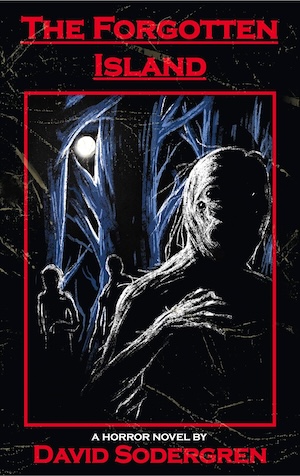
The Forgotten Island by David Sodergren (2018): Cosmic Arachnid Annihilation in Thailand
Main Facts: David Sodergren has emerged as a distinctive voice in contemporary horror, celebrated for his ability to blend classic creature feature tropes with modern, often darkly comedic, sensibilities. The Forgotten Island showcases his knack for escalating terror and delivering satisfyingly gory payoffs.
Chronology & Plot Summary: Scottish sisters Ana and Rachel, accompanied by Rachel’s insufferable boyfriend, seek to mend their fractured relationship during a vacation in Thailand. Following a chaotic, alcohol-fueled Full Moon party on the beach, they awaken to a terrifying reality: adrift on a boat, along with a few other hungover strangers, heading towards an uncharted island. Desperate to find assistance and return to the mainland, they decide to explore. While the unsettlingly massive spiderwebs strung between the jungle trees are an immediate cause for concern, their dire circumstances compel them to forge deeper into the island’s verdant, menacing interior.
Supporting Data & Thematic Deep Dive: The Forgotten Island skillfully marries the thrilling suspense of a B-movie creature feature with the unsettling, existential dread of a Lovecraftian nightmare. Sodergren maintains a darkly comedic tone throughout the initial stages, which serves to make the escalating horror even more impactful. The "skin-crawling" elements, initially subtle, intensify dramatically, culminating in a final act of full-blown, eight-legged mayhem. The horror here is both primal – arachnophobia is a widespread fear – and cosmic, hinting at ancient, unfathomable forces at play. The island itself becomes a character, an isolated pocket of primordial terror where humanity is hopelessly outmatched by forces far older and more monstrous than itself.
Implications: This novel demonstrates the enduring appeal of creature features within horror, proving that classic fears can be revitalized with a fresh, contemporary voice and a dash of cosmic dread. It also taps into the universal anxiety of being lost and vulnerable in an unfamiliar, hostile environment, a common theme amplified by the jungle setting.
Rainforest by Michelle Paver (2025): Psychological Decay and Primal Hauntings in the Mexican Jungle
Main Facts: Michelle Paver is renowned for her atmospheric and historically rich fiction, often blending elements of myth and the supernatural with deeply researched settings. Her foray into horror with Rainforest promises a nuanced exploration of psychological and environmental terror.
Chronology & Plot Summary: Rainforest is an epistolary novel, unfolding through the diary entries of Simon Corbett, an English scientist embarking on a jungle expedition in 1973. Simon joins a camp deep within the Mexican rainforest, primarily occupied by workers from a nearby archaeological dig. His ostensible mission is to study mantids, but his academic pursuits are increasingly overshadowed by two profound distractions: gnawing guilt over a past incident and the unnerving suspicion that he is being haunted by something intangible and malevolent within the jungle itself.
Supporting Data & Thematic Deep Dive: Paver’s strength lies in her exquisite world-building, immersing the reader completely in the oppressive atmosphere of the rainforest. The vegetation is depicted as lush and suffocatingly dense, the air hot and sticky, and the jungle teeming with an abhorrent array of creepy crawlies. The novel’s sensory details are designed to evoke profound discomfort, particularly for those with entomophobia – the description of a botfly larva wriggling under the skin is particularly effective at generating visceral revulsion. Beyond the environmental horrors, the narrative delves into the psychological unraveling of Simon Corbett. He is crafted as a deeply unlikeable character – arrogant, disdainful of those he deems intellectually inferior, and prone to casual racism. This deliberate characterization serves a crucial purpose: it makes the reader actively root for the jungle and its spectral inhabitants to exact their due, transforming the horror into a form of karmic justice. The haunting is ambiguous, perhaps a manifestation of Simon’s guilt, or perhaps a genuine supernatural entity stirred by his presence and arrogance.
Implications: Rainforest explores the complex interplay between environmental horror and psychological terror, suggesting that the wilderness can reflect and amplify humanity’s inner demons. It also offers a potent critique of colonial attitudes, even in a post-colonial era, by presenting a protagonist whose hubris and disrespect for his surroundings lead to his downfall. This novel promises to be a powerful, unsettling experience that resonates with contemporary anxieties about humanity’s relationship with the natural world.
The Enduring Allure of Jungle Horror: Deeper Implications and Universal Fears
The enduring appeal of jungle horror lies in its ability to tap into a rich vein of universal human anxieties. The jungle is a perfect metaphor for the unknown, the untamed, and the limits of human control.
The Jungle as a Character: Sensory Overload and Psychological Warfare
Unlike other horror settings, the jungle itself is often the primary antagonist, or at least a powerful accomplice. Its characteristics are inherently terrifying:
- Claustrophobia and Disorientation: The dense vegetation creates a feeling of being perpetually enclosed, with no clear sightlines or escape routes. Every direction looks the same, fostering disorientation and a sense of being hopelessly lost.
- Sensory Overload: The constant hum of insects, the drips and rustles, the oppressive heat and humidity, the pungent smells – all combine to overwhelm the senses, making it impossible to discern genuine threats from ambient noise. This sensory assault can lead to paranoia and psychological breakdown.
- Unseen Threats: The jungle hides its dangers expertly. Venomous snakes, predatory cats, aggressive insects, and unseen pathogens lurk beneath every leaf and behind every shadow. This constant threat of the unseen creates pervasive anxiety.
- Isolation and Vulnerability: Communication with the outside world is often impossible, severing protagonists from aid and reinforcing their extreme vulnerability. Resources are scarce, and the environment itself actively works against human survival.
These elements combine to wage a psychological war on characters, stripping away their composure and forcing them to confront not only external threats but also their own deepest fears and moral failings.
Echoes of Exploration and Exploitation: Societal Anxieties in the Wilderness
Jungle horror often reflects historical and societal anxieties. From early adventure pulp stories (like Edgar Rice Burroughs’s Tarzan tales, which often featured monstrous creatures) to more nuanced works, these narratives frequently explore themes of:
- Colonialism and its Consequences: Many stories, like Barker’s, implicitly or explicitly deal with the repercussions of Western intrusion into Indigenous lands, where ancient forces retaliate against modern hubris.
- The Primitive vs. Civilization: The jungle represents a return to a primal state, challenging the veneer of civilization and forcing characters to confront their own animalistic instincts for survival.
- Environmentalism: In contemporary horror, the jungle can symbolize nature’s revenge against human degradation, making ecological concerns a source of dread.
- The Limits of Science and Reason: When confronted with supernatural or hyper-natural phenomena in the jungle, human scientific understanding often crumbles, leaving characters vulnerable to forces beyond their comprehension.
Critical Reception and Lasting Impact
Jungle horror, while perhaps a niche subgenre, consistently produces impactful and critically acclaimed works. Critics often praise these stories for their intense atmosphere, visceral scares, and the unique ways they utilize the setting to amplify themes of isolation, primal fear, and psychological decay. The subgenre appeals to readers who enjoy survival horror, body horror, and narratives that challenge humanity’s perceived dominance over nature. Its lasting impact is evident in its continued presence across literature, film, and video games, demonstrating a perennial fascination with the terror that lurks beneath the lush, green canopy.
Conclusion: A Call to the Wild, and the Terrors Within
The jungle, with its bewildering beauty and inherent cruelty, remains an inexhaustible wellspring for horror. These five stories, each unique in their approach, collectively demonstrate the profound power of this environment to unearth humanity’s most ancient fears: of being consumed, infected, lost, or fundamentally altered by forces beyond our control. As long as there are unexplored corners of the world, and as long as humanity grapples with its place within the vast, indifferent tapestry of nature, the verdant abyss will continue to beckon, promising not fun and games, but a chilling encounter with the true heart of darkness.
Given the jungle’s boundless horror potential, this list merely scratches the surface. What are your most spine-chilling recommendations for rainforest-set scary stories? Share your terrifying tales in the comments below!