Freak War: A Quirky Fusion Redefining the Party Card Game Landscape
Main Facts
In a vibrant corner of the tabletop gaming world, a new contender is emerging, promising to inject a fresh wave of chaotic fun into the party game genre. “Freak War,” the brainchild of cartoonist Nate Galbraith, known online as sketchnate, is poised to carve out a unique niche by blending the captivating monster evolutions of Pokémon with the unpredictable, fast-paced nature of popular party games like Exploding Kittens. This innovative trading card game (TCG) aims to deliver all the thrill of card battles without the often daunting commitment of intricate rules or the meticulous process of deck-building, making it immediately accessible to a broad audience.
At its core, Freak War is a testament to the power of creative synthesis. Galbraith’s inspiration sprang from a surprisingly mundane yet insightful observation: children attempting to orchestrate Pokémon-style battles using the rudimentary framework of Uno cards. This simple act of imaginative play, coupled with a subsequent suggestion to revert to the classic card game War (or Battle, as it’s also known), sparked the foundational concept for what would become Freak War. The resulting game is a delightful hybrid, infused with Galbraith’s distinctive artistic style, populating its cards with an array of bizarre and charming creatures.
The game is designed with inclusivity in mind, supporting up to four players—and potentially more, depending on the agreed-upon rules—who can dive straight into the action by simply dividing a shuffled deck. While the option for custom deck-building exists for those who relish strategic personalization, it is by no means a prerequisite for enjoyment. This flexibility underscores Freak War’s commitment to accessibility, positioning it as an ideal choice for impromptu gatherings and casual play. Players simultaneously reveal a creature card, with the highest attack value determining the victor. However, this straightforward mechanic is frequently upended by a diverse array of modifier cards and creature effects, introducing layers of strategic depth and unpredictable outcomes that keep every round engaging. From evolving creatures in true Pokémon fashion to equipping powerful boosts or disruptive debuffs, Freak War promises a dynamic and constantly shifting battlefield.
The Genesis of Freak War
The concept for Freak War did not materialize overnight but rather germinated from a series of observations and creative impulses. Nate Galbraith, a cartoonist with a keen eye for engaging visuals and narrative, witnessed firsthand the desire among younger players to engage with the competitive spirit of games like Pokémon, even when traditional components were unavailable. The improvisation of using Uno cards for battles, a common yet inventive workaround for children, highlighted a fundamental yearning for simplified, yet engaging, monster-on-monster combat. This insight, coupled with the inherent simplicity and universal understanding of the classic card game War, provided a fertile ground for developing a new kind of card game. Galbraith envisioned a game that could capture the essence of beloved TCGs—the excitement of collecting, the thrill of battle, and the joy of discovery—without the usual barriers to entry, such as complex rulebooks or the financial investment often associated with building competitive decks.
Core Gameplay Mechanics
Freak War distinguishes itself through a streamlined ruleset that belies its strategic potential and chaotic fun. The game is fundamentally about simultaneous reveals and comparative power, but it’s the layers built upon this foundation that truly shine. Players begin by dividing a shuffled deck amongst themselves, a quick setup that minimizes downtime and maximizes play. Each player then selects a creature card from their hand (in "Battle" mode) or simply flips the top card of their deck (in the more unpredictable "War" mode). These creatures boast varying attack levels, and the highest attack wins the round, claiming all played cards into a personal "win pile" which is later re-shuffled into their deck. The ultimate objective is to amass all cards from opponents, thereby becoming the undisputed Freak War champion.
What truly elevates Freak War beyond a simple game of chance are the numerous modifier cards and creature abilities. These elements introduce a delightful level of "take-that" gameplay and strategic decision-making. Players can evolve their creatures, mirroring the iconic progression seen in Pokémon, granting them enhanced stats or new abilities. Modifier cards, ranging from "Super Swords" to more intricate effects like swapping cards with an opponent or cancelling a rival’s modifier, ensure that no two rounds play out identically. Some creature effects even lean into meta-commentary, with characters like the "Fly Guy" gaining power if there’s uneaten food nearby, adding a layer of whimsical interaction with the real-world environment. This blend of straightforward combat with unpredictable twists ensures that Freak War remains engaging and replayable, catering to both casual players seeking quick entertainment and those who appreciate a touch of strategic depth.
A Fresh Take on Card Battles
The current landscape of party games often sees a proliferation of titles that, while sometimes entertaining, frequently rely on shock value or crude humor. Freak War presents a refreshing alternative, offering a family-friendly yet genuinely exciting experience. Its appeal lies in its ability to distil the most engaging aspects of popular card game genres—the monster-collecting and evolving dynamic of TCGs, the quick-fire decision-making of party games, and the fundamental comparative mechanics of classic card games—into a cohesive and accessible package. By removing the traditional hurdles of TCGs, such as the extensive time commitment for learning intricate rulesets or the financial investment required for competitive deck construction, Freak War invites a broader demographic to partake in the joys of strategic card play. It offers a low barrier to entry without sacrificing replayability or the thrill of unexpected outcomes, making it a truly unique proposition in a crowded market.
Chronology
The journey of Freak War from a nascent idea to a successful crowdfunding campaign reflects a classic narrative of independent game development fueled by passion and observation. Nate Galbraith’s background as a cartoonist, operating under the moniker sketchnate, provided him with both the artistic skill and the narrative sensibility necessary to bring his vision to life. The game’s development wasn’t a corporate initiative but a personal quest to address a perceived gap in the market for accessible, engaging, and genuinely fun party card games.
From Childhood Observation to Game Concept
The spark for Freak War ignited from a simple yet profound observation by Nate Galbraith. Witnessing children enthusiastically attempting to replicate the complex battles of Pokémon using the humble Uno deck revealed a universal desire for monster-on-monster combat, regardless of available resources. This moment of improvised play underscored the core appeal of creature battles: the excitement of pitting unique abilities against each other, the anticipation of outcomes, and the joy of collecting. Galbraith recognized that while games like Pokémon offered deep strategic experiences, their complexity and resource demands often created barriers for casual play or younger audiences.
Simultaneously, the enduring popularity of the classic card game War, a game synonymous with effortless setup and immediate competitive engagement, provided a structural blueprint. The elegant simplicity of "highest card wins" offered a robust foundation upon which to build. Galbraith’s genius lay in merging these two distinct inspirations: the captivating world of evolving monsters with the straightforward mechanics of War. He envisioned a game that could encapsulate the allure of creature-based TCGs—the distinctive artwork, the unique abilities, the thrill of discovery—while retaining the instant playability of a traditional card game. This initial conceptualization began the process of designing a game that would be both familiar and innovative, appealing to a wide spectrum of players.
The Evolution of a Vision
With the foundational concept in place, the next phase involved fleshing out the game’s identity, both mechanically and aesthetically. Galbraith leveraged his artistic talents to begin designing the "strange creatures" that would populate the Freak War universe. Each creature needed to be not only visually distinct and appealing but also embody the whimsical and chaotic spirit of the game. This iterative process involved countless sketches, character designs, and card layouts, all while keeping the core principle of accessibility at the forefront. The explicit inspiration from Pokémon card layouts, as noted in the original article, was a deliberate choice to provide a sense of familiarity for players accustomed to TCGs, while still allowing for a unique visual style.
Beyond the artwork, the gameplay mechanics were refined. The inclusion of distinct "War" and "Battle" modes provided flexibility, catering to different player preferences for chaos versus strategy. The development of modifier cards and creature-specific abilities added layers of interaction and unpredictability, transforming a simple comparison game into a dynamic battleground. Features like creature evolution, power boosts, and card swapping were meticulously designed to enhance engagement without overwhelming players with overly complex rules. Playtesting, though not explicitly detailed in the original text, would have been crucial in balancing these elements, ensuring that the game remained fair, fun, and free from dominant strategies that could detract from its party game ethos. This period of intense creative development saw Freak War evolve from a promising idea into a tangible game system, ready for public introduction.
Crowdfunding Triumph and Future Outlook
The culmination of Galbraith’s efforts arrived with the launch of Freak War’s Kickstarter campaign. In today’s independent game development landscape, crowdfunding platforms like Kickstarter serve as vital arteries for bringing innovative projects to life, allowing creators to connect directly with their audience and gauge interest. For Freak War, the campaign proved to be a resounding success, quickly surpassing its "fairly modest crowdfunding goal of $10,000." This rapid achievement is a strong indicator of the game’s immediate appeal and the community’s hunger for fresh, engaging party game experiences.
The successful funding not only validates Galbraith’s vision but also provides the necessary capital for production and distribution. The campaign, slated to run until June 13th, continues to attract new backers, further solidifying the game’s market potential. With manufacturing and logistics typically taking several months, the expected delivery date for backers is projected for June of the following year. This timeline suggests a meticulous approach to production, ensuring that the final product meets quality standards and arrives in time for summer gatherings and holiday fun. The success of the Kickstarter campaign marks a critical milestone for Freak War, transitioning it from a passion project into a commercially viable product poised to make its mark on the tabletop gaming scene.
Supporting Data
Freak War’s unique appeal is multifaceted, stemming from its distinct creature designs, clever integration of various game mechanics, and its strategic positioning within the broader party game market. The game’s internal consistency, from its lore to its gameplay elements, creates a cohesive and immersive experience for players.
A Pantheon of Peculiar Creatures
The imaginative world of Freak War is populated by a truly eccentric cast of characters, each imbued with a unique blend of humor and absurdity. The lore underpinning these creatures is both simple and evocative: the emergence of a "second sun" has triggered a widespread mutation event, transforming familiar animals into fantastical, often comical, new forms. This narrative device provides a creative justification for the game’s diverse roster, allowing for boundless inventiveness in character design.
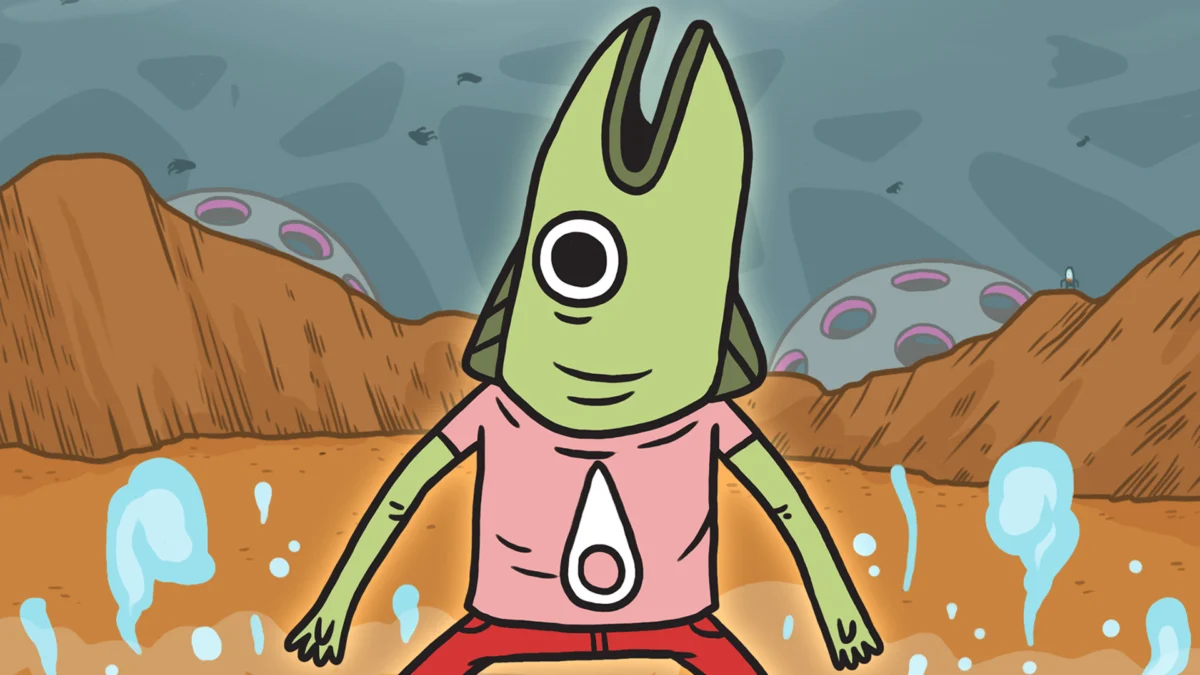
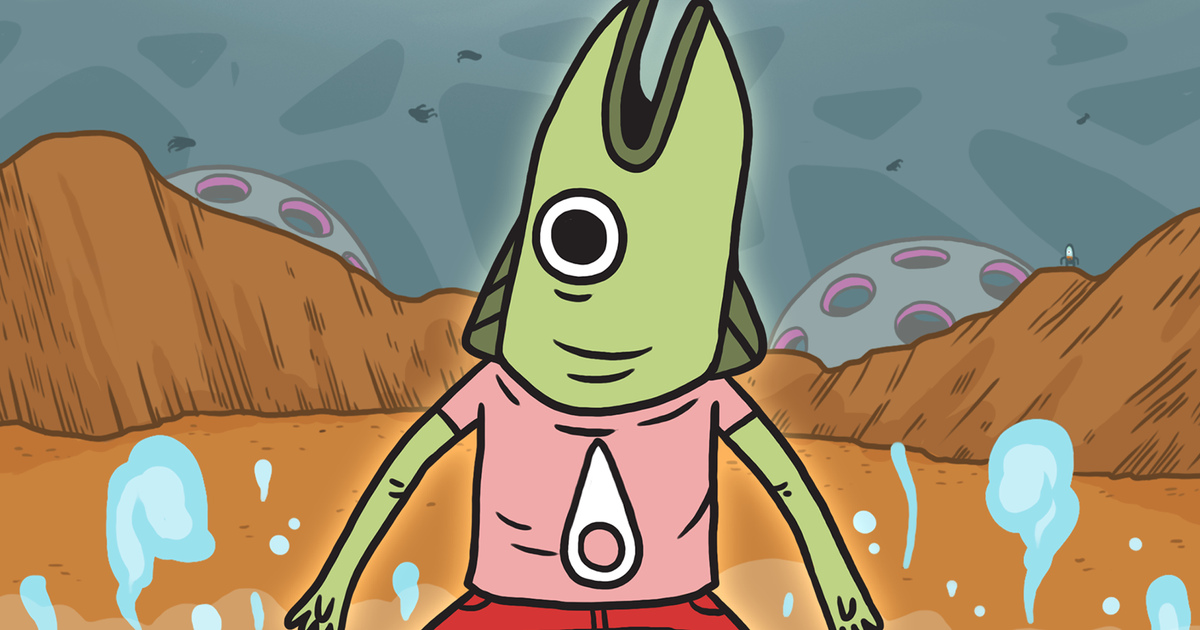
Players will encounter creatures like "muscly fishpeople"—a whimsical take on aquatic life, blending the mundane with the extraordinary. The roster also includes a "time-traveling tiger," hinting at a broader, perhaps even anachronistic, universe within the game. A "partying platypus" embodies the lighthearted, celebratory spirit of a party game, while a "dog with a goldfish bowl for a head" exemplifies the kind of surreal humor that defines Freak War’s aesthetic. Even seemingly melancholic characters like a "sad bee" contribute to the game’s charm, adding layers of personality to the cards. Perhaps most indicative of Galbraith’s playful approach is the "Man Cat," which is explicitly described as "basically a bloke in a cat costume," blurring the lines between the mutated and the simply silly. These creatures are not just static images; they are characters with implied personalities and backstories, enhancing the game’s narrative texture and making each card reveal an engaging discovery. The artistry involved in crafting these distinct beings is central to Freak War’s identity, providing a strong visual hook that sets it apart from more conventional TCGs.
Strategic Depth Meets Party Game Fun
Beyond the charming visuals, Freak War cleverly integrates strategic elements that add depth without sacrificing its party game accessibility. The two primary game modes, "War" and "Battle," exemplify this balance. "War" mode, where players simply flip the top card of their deck, leans into pure chance and chaotic fun, perfect for quick, lighthearted rounds. Conversely, "Battle" mode introduces a layer of strategy by allowing players to choose a card from their hand, necessitating careful consideration of their available creatures and potential modifiers. This duality ensures that Freak War can adapt to different group dynamics and preferences, from those seeking pure, unadulterated fun to those who enjoy a touch of tactical decision-making.
The inclusion of modifier cards is another critical component of Freak War’s strategic framework. These cards are not mere stat boosts; they introduce dynamic interactions that can swing the tide of battle. A "Super Sword" or "Super Duper Sword" offers direct attack enhancements, but more intriguing modifiers allow for strategic plays such as swapping cards with an opponent, effectively stealing a powerful creature, or cancelling an opponent’s modifier, disrupting their plans. The "flip coins for a power boost" mechanic introduces a controlled element of luck, adding to the game’s unpredictable nature. Furthermore, the game allows for structural variations like "King of the Hill" and "team rules," which can further modify gameplay, catering to diverse group sizes and competitive spirits. The draw mechanic, where tied players discard and replay, ensures that even stalemates lead to continued engagement rather than frustrating impasses. This thoughtful design ensures that while Freak War is easy to learn, it offers enough strategic interplay to remain compelling over multiple play sessions.
The Art Style and Thematic Universe
The visual identity of Freak War is as integral to its appeal as its gameplay mechanics. Nate Galbraith’s distinctive cartooning style, characterized by its goofy, whimsical, and slightly surreal aesthetic, is immediately recognizable and highly effective. The creature designs are a masterclass in approachable absurdity, striking a balance between endearing and utterly outlandish. This art style is not merely decorative; it actively enhances the party game experience by injecting humor and personality into every card. The "explicitly inspired by Pokémon cards" layout is a clever design choice, providing a familiar and intuitive visual language for anyone acquainted with trading card games, which helps lower the barrier to entry even further. This familiarity allows players to quickly grasp card information, such as attack values and special abilities, without needing to decipher a completely novel interface.
The thematic universe, with its "second sun" inciting animal mutations, provides a rich backdrop for Galbraith’s artistic creations. It’s a lore that is just deep enough to be intriguing without becoming cumbersome, perfectly aligning with the game’s lighthearted nature. This thematic foundation allows for a wide array of creature designs, from the genuinely bizarre to the playfully meta. The intentional silliness, such as the "Man Cat" or the "Fly Guy" gaining power from nearby uneaten food, speaks to a design philosophy that prioritizes fun and laughter. In a market often saturated with grim, high-fantasy, or overly complex themes, Freak War’s unique blend of charming oddity and accessible aesthetics provides a refreshing counterpoint, making it visually distinct and memorable.
Addressing the Party Game Landscape
The market for party games is notoriously crowded, often characterized by a proliferation of titles that are either derivative or lean heavily on controversial humor. The original article’s candid observation about being "tired of many copy-paste or just downright gross party games (looking at you, double-offending Cards Against Humanity clones)" highlights a significant pain point for many players. This sentiment underscores Freak War’s strategic positioning as a welcome alternative.
Freak War consciously steers away from the often-crude humor found in many popular adult party games, opting instead for a brand of wholesome, imaginative silliness. This choice significantly broadens its appeal, making it suitable for family gatherings, mixed age groups, and casual social settings where shock value might be unwelcome. By focusing on engaging mechanics, unique artwork, and lighthearted lore, Freak War offers a truly inclusive experience. It demonstrates that a party game can be genuinely fun, chaotic, and competitive without resorting to offensive content or intellectual shortcuts. Its design philosophy suggests a deliberate effort to create a game that sparks joy and laughter through creativity and clever interaction, rather than relying on cheap gags. This positioning is not just a differentiator; it’s a statement about what a party game can and should be, providing a refreshing option for players seeking quality entertainment in a sometimes-stale genre.
Official Responses
While direct quotes from Nate Galbraith or Sheltonshire Games are not extensively provided in the original article, the tone and content allow for a clear inference of their collective vision and the positive reception of the game. The success of the crowdfunding campaign, in particular, serves as a powerful testament to the resonance of their creative endeavor.

The Creator’s Vision: Nate Galbraith on Simplicity and Fun
Nate Galbraith’s journey with Freak War is implicitly driven by a clear philosophy: to distill the essence of beloved card game experiences into an accessible, fun, and visually captivating package. His inspiration from children playing Pokémon with Uno cards speaks volumes about his understanding of the core desire for engaging gameplay, unburdened by excessive rules or high financial entry points. It suggests a creator who values pure play and imaginative interaction above all else.
Galbraith’s decision to integrate elements from classic games like War and contemporary hits like Exploding Kittens reflects a thoughtful approach to game design—selectively borrowing mechanics that contribute to immediate enjoyment and chaotic replayability. The whimsical and often humorous nature of his creature designs, from "muscly fishpeople" to the "Man Cat," clearly indicates a desire to create a game that evokes laughter and wonder. His artistic background as sketchnate is not just a credential but a fundamental component of Freak War’s identity, ensuring that the visual experience is as engaging as the gameplay. The game’s explicit aim to be a "solid, breezy fun for $20 a deck" underscores a commitment to affordability and value, making quality entertainment available to a wider audience. Essentially, Galbraith’s "official response," as interpreted through the game itself and its premise, is a vibrant invitation to rediscover the simple, unadulterated joy of playing cards with friends and family.
Sheltonshire Games’ Role in Bringing Freak War to Life
While the original article credits the creative vision to Nate Galbraith, the image credits to "Sheltonshire Games" suggest their crucial role as the publisher or production entity behind Freak War. In the landscape of independent game development, publishers like Sheltonshire Games often serve as the bridge between a creator’s vision and its realization as a tangible product. Their involvement typically encompasses managing the logistical complexities of production, marketing, and distribution, especially for crowdfunding campaigns.
For a project like Freak War, Sheltonshire Games’ "official response" is demonstrated through their commitment to backing a project that aligns with a specific market need: accessible, family-friendly fun that avoids common party game pitfalls. By investing in and promoting Freak War on platforms like Kickstarter, Sheltonshire Games signals their belief in the game’s potential to resonate with a broad audience. Their role likely involves overseeing the manufacturing process, ensuring the quality of the cards and components, and orchestrating the delivery to backers. Their partnership with Nate Galbraith signifies a collaborative effort to bring Freak War from concept to consumers, demonstrating a shared vision for delivering engaging and high-quality tabletop experiences. The success of the Kickstarter campaign is as much a victory for Sheltonshire Games as it is for Galbraith, validating their decision to champion this unique party game TCG.
Community Reception and Early Feedback
The overwhelming success of Freak War’s Kickstarter campaign, which "already passed its fairly modest crowdfunding goal of $10,000," provides the most concrete "official response" from the gaming community. This swift funding achievement is a clear indicator of strong positive reception and genuine enthusiasm from potential players. In the competitive world of crowdfunding, reaching and exceeding a goal quickly signifies that the project has struck a chord, fulfilling a perceived need or offering a uniquely appealing proposition.
The author of the original article also provides valuable early feedback, expressing a personal "charm" for Galbraith’s "goofy creations" and the "sprinkling of chaotic take-that gameplay." This sentiment, coming from a reviewer who is "admittedly tired of many copy-paste or just downright gross party games," highlights Freak War’s success in differentiating itself within a saturated market. The anticipation for different packs and more creatures, from "buff penguins to cute-looking snails," further underscores the game’s capacity to generate excitement and curiosity. This early positive sentiment, both from the crowdfunding community and industry observers, suggests that Freak War is not just a quirky idea, but a game with real potential to capture the hearts of players looking for something fresh, fun, and family-friendly. The collective response indicates that Freak War is on track to be a notable entry in the party game and accessible TCG genres.
Implications
The emergence and early success of Freak War carry several significant implications for the tabletop gaming industry, particularly within the party game and accessible trading card game segments. Its design philosophy and market reception suggest a potential shift in player preferences and highlight avenues for future innovation.
Reshaping the Party Game Niche
Freak War’s design directly challenges the prevailing trends within the party game genre, which often gravitate towards adult-oriented themes, inside jokes, or shock humor. By consciously offering a game that is "knowingly silly" and family-friendly, it signals a potential demand for more wholesome, yet still engaging, party experiences. The positive reception on Kickstarter indicates that a significant portion of the gaming community is indeed "tired of many copy-paste or just downright gross party games" and is actively seeking alternatives that prioritize creative fun over controversy.
This could inspire other designers to explore more imaginative and less risqué themes for party games, fostering a wave of innovation that broadens the appeal of the genre. Freak War demonstrates that accessibility and lightheartedness do not equate to a lack of depth or replayability. Its success could therefore contribute to a diversification of the party game market, offering more options for families, mixed-age groups, and players who simply prefer a more good-natured form of competition and laughter. It suggests a future where the "party" in "party game" emphasizes collective enjoyment and whimsical interaction, rather than potentially alienating humor.
Accessibility in the TCG World
One of the most profound implications of Freak War is its potential to democratize the trading card game experience. Traditional TCGs, while incredibly rich and rewarding, often come with steep learning curves, extensive rulebooks, and a significant financial commitment to acquire and maintain competitive decks. This can be a major barrier for new players or those who simply desire a more casual engagement with the genre.
Freak War directly addresses these hurdles by offering the "fun battles of trading card games without the effort of learning lots of rules or building a deck." The option to simply split a shuffled deck and play immediately, coupled with the optional nature of custom deck-building, makes it an ideal entry point for individuals curious about TCGs but intimidated by their complexity. This approach could serve as a gateway, introducing new players to core TCG concepts like creature abilities, modifiers, and strategic play in a non-threatening environment. Should Freak War gain widespread popularity, it could inspire a new wave of "gateway TCGs" that prioritize immediate fun and accessibility, potentially broadening the overall market for card games by attracting players who might otherwise never venture into the genre. It validates the idea that the core excitement of TCGs can be distilled into a format that is both streamlined and deeply enjoyable.
The Future of Sheltonshire Games and Beyond
The successful crowdfunding campaign for Freak War is not just a win for Nate Galbraith but also for Sheltonshire Games, affirming their ability to identify and support promising new titles. This success could significantly bolster their reputation as a publisher capable of bringing innovative and accessible games to market. It provides them with a strong launchpad for future projects, potentially attracting more creative talent and fostering further growth within the independent game development sector.
For Freak War itself, the future looks bright. The mention of "a bunch of different packs filled with dozens more creatures" suggests a long-term vision for expansion, ensuring sustained player engagement and fresh content. This modular approach allows the game to grow over time, introducing new mechanics, creatures, and lore elements without drastically altering the core gameplay. Furthermore, the game’s lighthearted theme and accessible mechanics make it a prime candidate for potential digital adaptations, reaching an even wider audience through mobile or online platforms. Freak War’s journey from a cartoonist’s observation to a successfully funded game illustrates the vibrant potential of independent creators to disrupt established genres and offer truly fresh experiences, signaling a dynamic and evolving landscape for tabletop gaming.