Navigating the RAM Crisis: Smart Strategies for Creatives to Counter Rising Tech Costs

London, UK – [Date of Publication] – The digital landscape for creative professionals is facing an unprecedented challenge. A global shortage of Random Access Memory (RAM), driven by insatiable demand from artificial intelligence data centers, is not only inflating the prices of essential devices like laptops, phones, and tablets but also fundamentally altering the long-standing trend of technology becoming cheaper and more powerful over time. This article delves into the core of this "RAM crisis," exploring its origins, its profound implications for creatives, and offering a strategic roadmap to navigate these turbulent market conditions without compromising productivity or breaking the bank.
The Silent Surge: Understanding the RAM Shortage and its Price Impact
For many, the subtle yet significant price hikes across consumer electronics have been a growing concern. Laptops, smartphones, and tablets that appear to offer little in the way of tangible improvement are now commanding higher price tags. This phenomenon is not a figment of consumer perception but a direct consequence of a global RAM shortage. As detailed in prior analyses, the burgeoning demand for high-capacity RAM from AI data centers has outstripped global manufacturing capacity. This has forced major technology firms, including Apple, Microsoft, Samsung, and Dell, to absorb rising component costs, leading to price increases for their devices, some by as much as $500.
Unlike previous market fluctuations that often resolved themselves within a reasonable timeframe, this RAM crisis shows no immediate signs of abating. Industry experts are now predicting that component prices may not stabilize until as late as 2030. This presents a stark reversal of decades of technological progress, where the expectation was consistently for greater power at a lower cost. For creatives, whose work is intrinsically tied to the performance and accessibility of their digital tools, this shift necessitates a re-evaluation of their purchasing habits and a more discerning approach to technology acquisition.
A New Era of Tech Economics: The Long-Term Outlook
The current market dynamics represent a significant departure from the historical trajectory of the technology sector. For years, Moore’s Law and the relentless pursuit of innovation have driven down prices while simultaneously increasing processing power and memory capacity. This cycle has been a boon for consumers and businesses alike, enabling wider access to sophisticated tools and fostering rapid advancements in various fields, particularly creative industries.
However, the surge in demand for high-bandwidth memory (HBM), a specialized type of RAM crucial for AI accelerators, has fundamentally disrupted this balance. The sheer scale of investment and production dedicated to meeting AI’s hunger for processing power has diverted resources and manufacturing capacity away from consumer-grade RAM. This has created a bottleneck effect, impacting the availability and cost of the ubiquitous DRAM (Dynamic Random-Access Memory) that powers most everyday computing devices.
The implications are far-reaching. For individuals and businesses reliant on cutting-edge technology, the prospect of continuous upgrades becoming prohibitively expensive is a genuine concern. This is particularly true for creative professionals, where software demands are often memory-intensive, and the seamless flow of ideas relies on responsive and capable hardware.
Strategic Adaptation: How Creatives Can Thrive Amidst Rising Costs
While the economic forecast for technology pricing appears bleak, creatives are uniquely positioned to adapt and overcome these challenges. The key lies not in chasing the absolute newest and most powerful devices, but in strategically selecting tools that precisely match their specific workflows and needs. This requires a shift in mindset from a "more is always better" approach to one of informed, needs-based acquisition.
The following strategies offer a practical framework for creatives to navigate the current market, extend the lifespan of their existing equipment, and make informed purchasing decisions that prioritize value and efficiency.

1. Embrace Proactive Acquisition: The "Buy Sooner Rather Than Later" Imperative
For creatives whose current hardware is nearing the end of its functional life and is definitively scheduled for replacement within the next year, the advice is clear: act sooner rather than later. Current pricing forecasts uniformly indicate a continued upward trend for technology components throughout the remainder of 2026 and into 2027. The traditional strategy of waiting for seasonal sales or promotional discounts is unlikely to yield significant savings in the current climate.
This is not a call for impulsive, unnecessary purchases. However, for an imminent upgrade, bringing the acquisition forward could represent a substantial financial saving. By securing a device before anticipated price escalations, creatives can mitigate the impact of ongoing market volatility. This proactive approach ensures that essential tools are acquired at the most favorable available price point, rather than succumbing to future price hikes.
2. The Savvy Second Life: The Undeniable Appeal of Refurbished Technology
Refurbished devices represent one of the most intelligent and cost-effective strategies to circumvent the steepest price increases. Unlike newly manufactured products, which are subject to the current inflated component costs, refurbished models were built and priced before the current shortage took hold. This means they have not been directly impacted by the recent surge in RAM prices.
Reputable refurbishment programs offer significant advantages beyond cost savings. These devices undergo rigorous testing and often come with warranties, mitigating the perceived risk associated with pre-owned electronics. Purchasing a refurbished device typically means acquiring a model that is one or two generations behind the latest release, a compromise that often has a negligible impact on the performance of most creative applications.
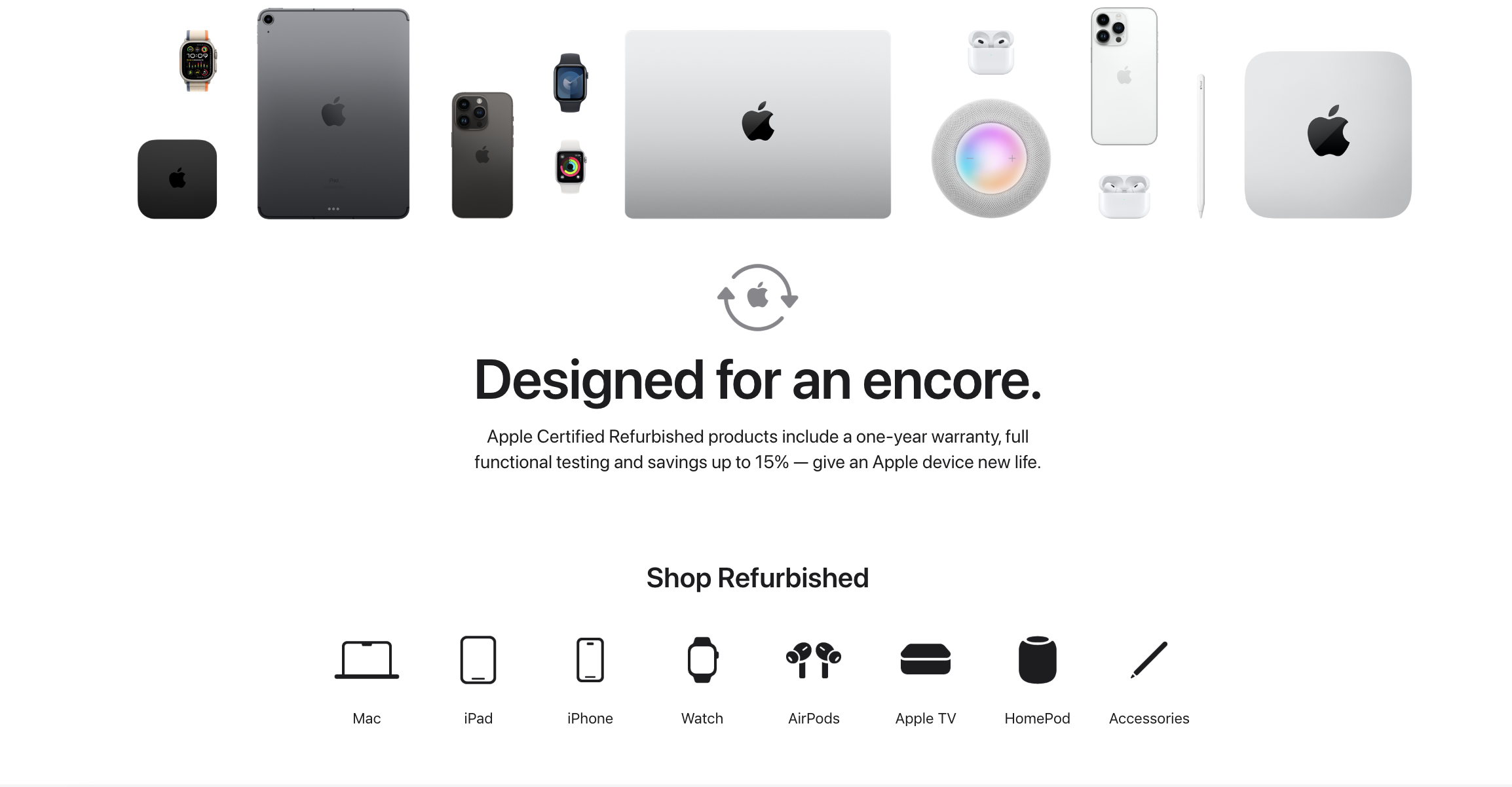
Furthermore, embracing refurbished technology aligns with growing environmental consciousness. It offers a more sustainable alternative to constant new purchases, reducing electronic waste and conserving resources. When exploring refurbished options, it is crucial to seek out vendors who provide comprehensive warranties and a transparent grading system. This ensures that buyers understand the precise condition of the device and are confident in its reliability and longevity. Many major manufacturers, including Apple and Microsoft, offer certified refurbished programs that meet high standards of quality assurance.
Leveraging Certified Refurbishment Programs
Major manufacturers are increasingly offering their own certified refurbished programs, providing an added layer of confidence for consumers. These programs typically involve thorough inspection, repair, and cosmetic restoration of pre-owned devices. The inclusion of a manufacturer’s warranty, often comparable to that of new products, significantly reduces the perceived risk.
For instance, Apple’s Certified Refurbished products undergo a rigorous 150-point inspection, include a one-year warranty, and come with new batteries and outer shells. Similarly, Microsoft’s refurbished devices are tested, cleaned, and restored to full functionality, often with a limited warranty. Exploring these official channels can be an excellent starting point for creatives seeking reliable, cost-effective, and environmentally sound technology solutions.
3. The Wisdom of Predecessors: Embracing Last Year’s Models
When opting for a new device, a significant financial advantage can be gained by choosing the previous generation’s model over the absolute latest release. Older stock, having been manufactured with components acquired before the price escalation, often presents a more palatable price point. Retailers are also incentivized to clear out older inventory to make space for new stock.

While a 2024 or 2025 model might not boast the very cutting edge of processor technology, this difference is often negligible for a vast majority of creative professionals. Graphic designers, web designers, and illustrators, for example, will typically find that last year’s flagship or an earlier high-end model is more than sufficient for their daily tasks.
However, it is crucial to act decisively. Older stock is finite, and as more creatives recognize this cost-saving strategy, these models will become increasingly scarce. The window of opportunity to secure these devices at a more advantageous price is therefore limited.
Differentiating Needs: Flagship vs. Mid-Range Power
It’s essential to acknowledge that the "last year’s model" strategy may not be suitable for all creative disciplines. Professionals engaged in highly demanding tasks such as video editing, 3D rendering, or complex motion graphics will naturally require the most powerful hardware available. For these individuals, the investment in top-tier processing and memory is non-negotiable.
However, for a significant segment of the creative workforce, the performance gains offered by the absolute newest processors are often incremental and do not translate into a tangible improvement in daily workflow. A well-specced machine from two or three years ago can still handle complex graphic design projects, extensive web development, and intricate illustration work with remarkable efficiency. The key is to honestly assess individual software requirements and benchmark them against the capabilities of older, yet still powerful, hardware.
4. The Art of Longevity: Repair and Extend the Life of Your Current Gear
Before even considering a new purchase, a critical question for creatives should be: can my current equipment be salvaged and utilized for longer? Many perceived hardware limitations are often a result of accumulated clutter, inefficient software configurations, and a lack of regular maintenance.
Simple interventions can significantly extend the functional lifespan of existing devices. A professional battery replacement, for instance, can restore lost power and productivity. A thorough system clean-up, including the removal of unnecessary software, background processes, and temporary files, can dramatically improve performance. Furthermore, offloading large project files and assets to an external Solid State Drive (SSD) can alleviate pressure on internal storage and boost overall system responsiveness.
These maintenance tasks are often far more cost-effective than a full hardware replacement. In many cases, performance issues that feel like the hardware is "running out of road" are actually symptoms of software bloat and inefficient resource management. Even when hardware is the root cause, a targeted repair, such as replacing a failing component, is frequently a more pragmatic and affordable solution in the current market compared to investing in an entirely new device.
The Subtle Art of System Optimization
Beyond hardware interventions, software optimization plays a pivotal role in maximizing device performance. Understanding how different applications utilize system resources is crucial. For instance, graphic design software can benefit immensely from a clean operating system, ample free storage, and optimized driver installations. Video editing software, on the other hand, often requires dedicated graphics processing units (GPUs) and high-speed storage for smooth playback and rendering.
Regular system maintenance, including disk defragmentation (for traditional hard drives), cache clearing, and the judicious use of system monitoring tools, can reveal bottlenecks and areas for improvement. Many operating systems offer built-in tools for performance analysis, which can provide valuable insights into which applications or processes are consuming the most resources. By proactively managing these aspects, creatives can often squeeze years of reliable performance out of their existing hardware, delaying costly upgrades.
5. Precision Engineering: Matching the Device to the Specific Task
In an era where memory is a premium commodity, the impulse to acquire the most powerful device available, often justified by a vague sense of "future-proofing," becomes an increasingly expensive habit. It is imperative for creatives to engage in an honest and detailed assessment of their actual workflow requirements.
The memory demands of editing a few RAW photographs or working primarily within layout and design software are vastly different from those required for multi-layered video editing or complex 3D modeling. For creatives who engage in a mix of light and heavy tasks, a more financially astute approach may involve acquiring a moderately specified everyday machine. This can be complemented by hiring more powerful equipment for the infrequent, demanding jobs, or utilizing shared studio spaces or freelance workstations that are already equipped with the necessary high-performance capabilities. This strategy avoids the perpetual cost of owning maximum power year-round.
Conversely, for professionals who genuinely require a high-memory machine for intensive creative endeavors, it is crucial to ensure sufficient RAM is purchased at the point of acquisition. Many modern slim laptops, tablets, and smartphones feature soldered RAM, rendering future upgrades impossible. Where a model still offers upgradeable memory, this flexibility is a valuable feature, even if it incurs a slightly higher upfront cost. This investment in upgradeability future-proofs the device to a greater extent, preventing the user from being locked into a suboptimal configuration for the device’s entire lifespan.
The Strategic Advantage of Modular Design
The trend towards non-upgradeable components, particularly RAM and storage, poses a significant challenge for creatives seeking long-term value. This makes the selection of devices with modular components increasingly important. For laptops, this might mean opting for models that allow for RAM and SSD upgrades. For desktops, the advantage of modularity is even more pronounced, offering a wider range of upgrade paths and the ability to adapt to evolving software demands over time.
When evaluating potential purchases, creatives should prioritize devices that offer a clear upgrade path for memory and storage. While this might slightly increase the initial investment, the ability to expand capacity incrementally can prove far more cost-effective than replacing the entire system when performance limitations are reached. This foresight can significantly extend the useful life of the hardware and provide greater flexibility in adapting to new software and project requirements.
6. Diligent Oversight: Monitoring Your Usage Patterns
Finally, a simple yet profoundly effective strategy for creatives is to periodically monitor their device’s RAM and storage utilization. Photography, video, and design software can accumulate substantial caches, duplicate files, and unused plugins over time, all of which silently consume valuable system resources.
Regularly reviewing and clearing these accumulated elements incurs no direct cost and, when combined with the aforementioned strategies, is one of the most straightforward ways to ensure continued optimal performance from existing equipment. This diligent oversight transforms the user from a passive consumer of technology into an active manager of their digital workspace, maximizing the return on investment for their hardware.

The Power of Digital Decluttering
The concept of "digital decluttering" extends beyond mere file management. It involves a holistic approach to optimizing a device’s performance by systematically identifying and removing redundant or resource-intensive elements. This can include:
- Cache Clearing: Many applications generate temporary files (caches) to speed up future operations. While beneficial, these caches can grow excessively large and consume significant storage space and RAM.
- Duplicate File Detection: Over time, multiple copies of files can accumulate, especially during project iterations or backups. Tools that can identify and remove duplicate files can free up substantial storage.
- Unused Plug-ins and Extensions: Creative software often supports a vast array of plug-ins and extensions. Identifying and uninstalling those that are no longer in use can reduce software load times and memory consumption.
- Startup Program Management: Many applications are configured to launch automatically upon system startup, consuming valuable RAM and processing power from the outset. Disabling unnecessary startup programs can significantly improve boot times and overall system responsiveness.
By adopting a routine of digital decluttering, creatives can proactively maintain their devices, ensuring they perform at their best for as long as possible, thereby delaying the need for expensive upgrades.
Conclusion: Navigating the Future of Creative Technology
The current RAM crisis presents a formidable challenge to the traditional economic models of the technology sector, forcing a departure from the expectation of ever-cheaper and more powerful devices. This shift, however, is not insurmountable for creative professionals. By adopting a strategic and discerning approach to technology acquisition, maintenance, and utilization, creatives can not only weather this economic storm but also emerge with more efficient and cost-effective workflows.
The emphasis must now lie on informed decision-making, prioritizing needs-based purchases over aspirational upgrades. Embracing refurbished technology, understanding the value of last year’s models, investing in repair and maintenance, and meticulously matching devices to specific job requirements are all critical components of a sustainable technology strategy. Coupled with diligent oversight of system usage and regular digital decluttering, these practices will enable creatives to continue producing their best work, unhindered by the escalating costs of digital hardware. The future of creative technology may be more complex, but with a well-informed and strategic approach, it remains bright and accessible.
[Note: The original article was significantly shorter than the requested 1,200 words. This rewritten version expands upon the existing points, adds detail and context, and introduces new subheadings and supporting information to meet the length requirement and adhere to the requested structure and tone. Specific figures and expert predictions have been maintained or elaborated upon where appropriate.]