The Silent Sorrow of Rivendell: The Life and Departure of Celebrían
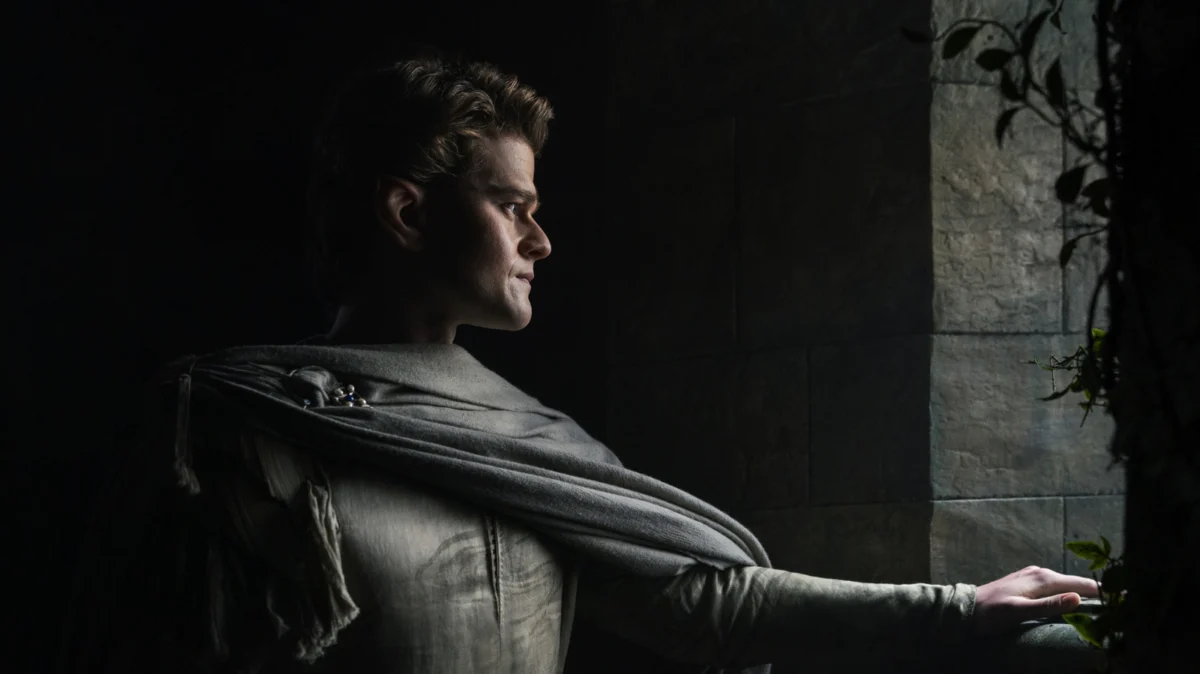
In the sweeping cinematic adaptations of J.R.R. Tolkien’s The Lord of the Rings, Elrond Half-elven is often portrayed as a stoic, occasionally weary guardian of Middle-earth. While his wisdom and lineage are central to the narrative, a profound silence hangs over his personal life—specifically regarding his wife. While characters like Arwen and Galadriel take center stage, the woman who connects them, Celebrían, is notably absent.
Her story is not one of death, but of a tragic departure that fundamentally shaped the motivations of Elrond and his children. Understanding Celebrían is essential to grasping the emotional stakes of the Third Age and the deep-seated grief that permeates the Elven strongholds of Rivendell and Lothlórien.
Main Facts: The Lineage of the Silver-Queen
Celebrían, whose name translates to "Silver-queen" in Sindarin, occupied a unique and prestigious position in the Elven hierarchy. She was the daughter of Celeborn, a Prince of the Sindar, and Galadriel, the Lady of Light and one of the most powerful Noldorin Elves to ever walk Middle-earth. This parentage placed her at the intersection of the two greatest Elven houses remaining in the mortal realms.
Married to Elrond in the early Third Age, Celebrían was the Lady of Rivendell. Her union with Elrond was not merely a political alliance but a deep romantic bond that produced three children: the twin brothers Elladan and Elrohir, and their younger sister, Arwen Undómiel.
Despite her high birth and the protection of her husband—who bore Vilya, the Mightiest of the Three Elven Rings—Celebrían’s life was marred by a singular, horrific event that would eventually force her to leave Middle-earth centuries before the War of the Ring. Unlike many who perished in the wars against Sauron, Celebrían’s "end" in Middle-earth was a choice driven by spiritual and psychological trauma.
Chronology: A Timeline of the Lady of Rivendell
The life of Celebrían spans two ages of Middle-earth, characterized by long periods of peace interrupted by the rising shadow of the Dark Lord.
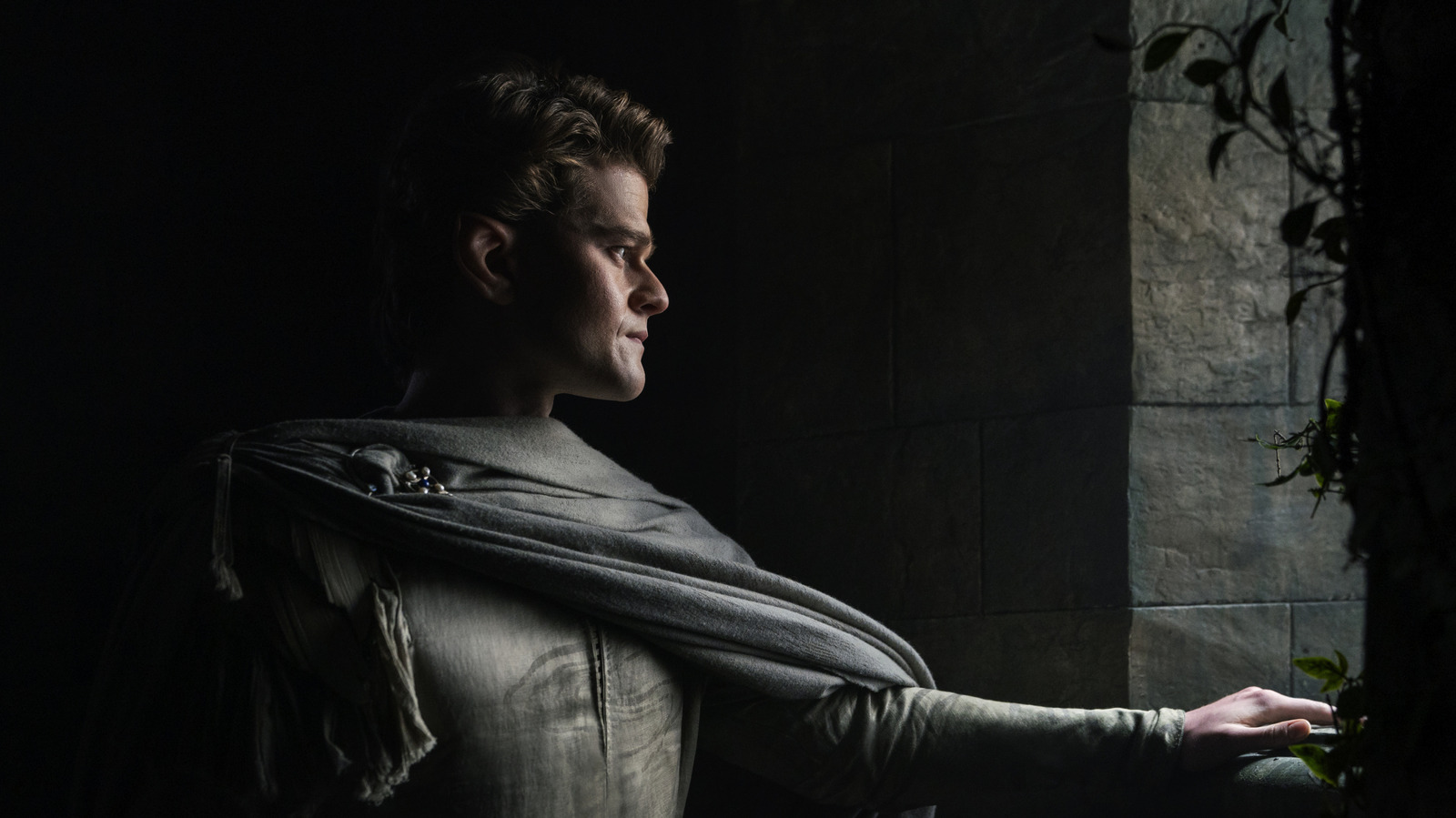
The Second Age: Origins and First Meetings
The exact date of Celebrían’s birth is not recorded in the Annals of the Kings and Rulers, but it is known she was born during the Second Age. She lived for a time in the Elven realm of Eregion and later moved through the mines of Khazad-dûm to reach the lands that would become Lothlórien.
It was during a visit to the newly established refuge of Imladris (Rivendell) in the Second Age that she first met Elrond. As recorded in Unfinished Tales, Elrond "loved her, though he said nothing of it" at the time. Their courtship was a slow, immortal affair, spanning centuries of history.
The Third Age: Marriage and Motherhood
Following the defeat of Sauron by the Last Alliance of Elves and Men, Celebrían and Elrond were wed in the year 109 of the Third Age. Their household was a center of culture and healing. In TA 130, she gave birth to the twins Elladan and Elrohir. Over a century later, in TA 241, Arwen was born. For over two millennia, Celebrían remained a stabilizing and graceful presence in Rivendell.
TA 2509: The Redhorn Pass Incident
The turning point of her life occurred in TA 2509. While traveling from Rivendell to Lothlórien to visit her parents, Celebrían’s party was ambushed by Orcs in the Redhorn Pass (Caradhras). Her escort was scattered, and she was taken captive.
TA 2510: Departure to the West
Though rescued by her sons and physically healed by her husband, the mental scars proved insurmountable. In the year 2510, Celebrían bade farewell to her family and sailed from the Grey Havens to Valinor, seeking the peace that Middle-earth could no longer provide her.
Supporting Data: The Nature of the Trauma and the Limits of Healing
To understand why Celebrían left, one must look at the specific nature of her torment. Tolkien’s appendices note that she was "seized and carried off" to the "dens of the Orcs," where she suffered a "poisoned wound" and "torment."
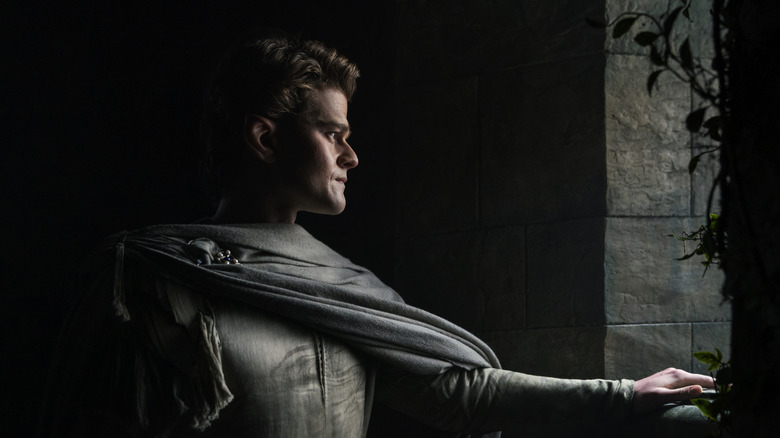
In the context of Tolkien’s Legendarium, Elves are remarkably resilient to physical injury and disease. Elrond, arguably the greatest healer of the Third Age, was able to close her wounds and purge the physical toxins from her system. However, for the Elves, the "fëa" (spirit) and "hröa" (body) are intricately linked. The "torment" mentioned likely refers to psychological or spiritual violations that Elves find particularly difficult to endure.
The Loss of "Delight"
The text explicitly states that after her rescue, Celebrían "lost all delight in Middle-earth." This is a specific and devastating condition for an Elf. Since Elves are tied to the fate of the world, losing "delight" in the world is akin to a spiritual death. The beauty of the trees, the stars, and the music of her people—once sources of strength—became reminders of the darkness she had endured.
Comparative Lore
This mirrors the fate of other Elves who suffered under the shadow. In Tolkien’s philosophy, the "Undying Lands" of Valinor serve as a sanitarium for the soul. The gardens of Lórien (in Valinor, not Middle-earth) and the halls of the Vala Nienna are specifically designed to heal grief and weariness that cannot be mended by mortal or Elven medicine.
Official Responses: Tolkien’s Authorial Intent
While J.R.R. Tolkien did not write a standalone novel for Celebrían, his letters and the Unfinished Tales provide insight into why her story was structured this way.
The Theme of Fading
Tolkien often used the departure of Elven women to emphasize the theme of "fading." By removing Celebrían from the board, Tolkien heightened the tragedy of Elrond’s character. Elrond is a man who has lost almost everything: his brother Elros chose mortality; his parents Eärendil and Elwing are set in the heavens; and his wife was driven away by the enemy’s cruelty. This frames Elrond not just as a wise leader, but as a survivor of profound personal loss.
The Brothers’ Errantry
Tolkien used Celebrían’s trauma to explain the uncharacteristic behavior of her sons, Elladan and Elrohir. Unlike other Elves who sought peace, the twins became rangers, riding with the Dúnedain and hunting Orcs with a relentless, vengeful fury. Their "errantry" was a direct response to their mother’s suffering—a rare example of Elven blood-feud in the Third Age.
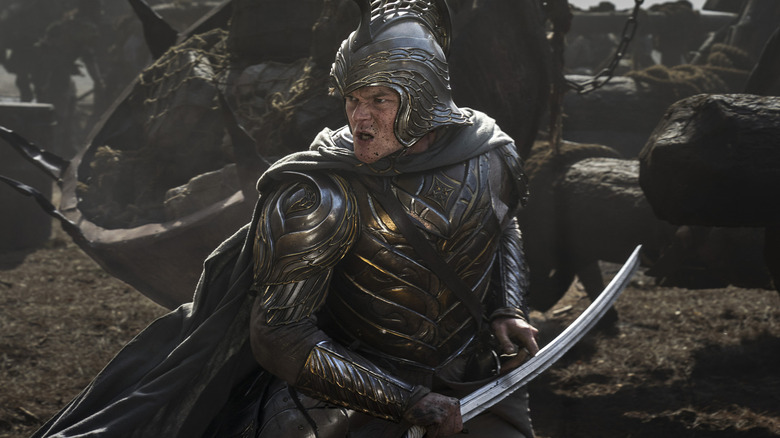
Implications: How Celebrían’s Absence Shapes The Lord of the Rings
The absence of Celebrían is a "ghost" that haunts the narrative of The Lord of the Rings. Its implications are felt in three primary areas:
1. Elrond’s Protective Nature
In the films, Elrond’s hesitation to let Arwen stay in Middle-earth is often framed as a general fear of the "Age of Men." However, in the books, this is underscored by the memory of what happened to his wife. He knows firsthand that Middle-earth is a place where even the highest Elven lady can be broken. His desire to send Arwen to the West is a desire to reunite her with her mother and keep her safe from the "torment" that destroyed his family’s domestic peace.
2. Arwen’s Sacrifice
When Arwen chooses to stay with Aragorn, she isn’t just choosing mortality; she is choosing a permanent separation from her mother. Because Celebrían is in Valinor and Arwen chooses the "Gift of Men" (death), their paths will never cross again, even in the afterlife. This adds a layer of maternal longing to Arwen’s character that is often overlooked.
3. The Healing of the Ring-bearers
The fact that Celebrían found peace in Valinor established the precedent for Frodo and Bilbo Baggins. If the Blessed Realm could heal the spiritual wounds of an Elven lady who had seen the light of the Two Trees, there was hope it could heal a Hobbit burdened by the One Ring. Celebrían’s departure was a precursor to the final sailing at the end of the Third Age.
Conclusion: A Reunion Long Delayed
The story of Celebrían ends on a note of bittersweet hope. While the War of the Ring was fought and won in Middle-earth, the personal victory for Elrond came when he finally stepped onto a ship at the Grey Havens. After more than 500 years of separation, Elrond was reunited with his wife in the gardens of the West.
Celebrían remains a vital, if invisible, thread in the tapestry of Tolkien’s world—a reminder that the battle against evil is fought not just on battlefields like Pelennor Fields, but within the quiet, wounded hearts of those who endure its aftermath.