The $18 Million Battle for So So Def: Jermaine Dupri’s Legal War Against Sony Music Entertainment
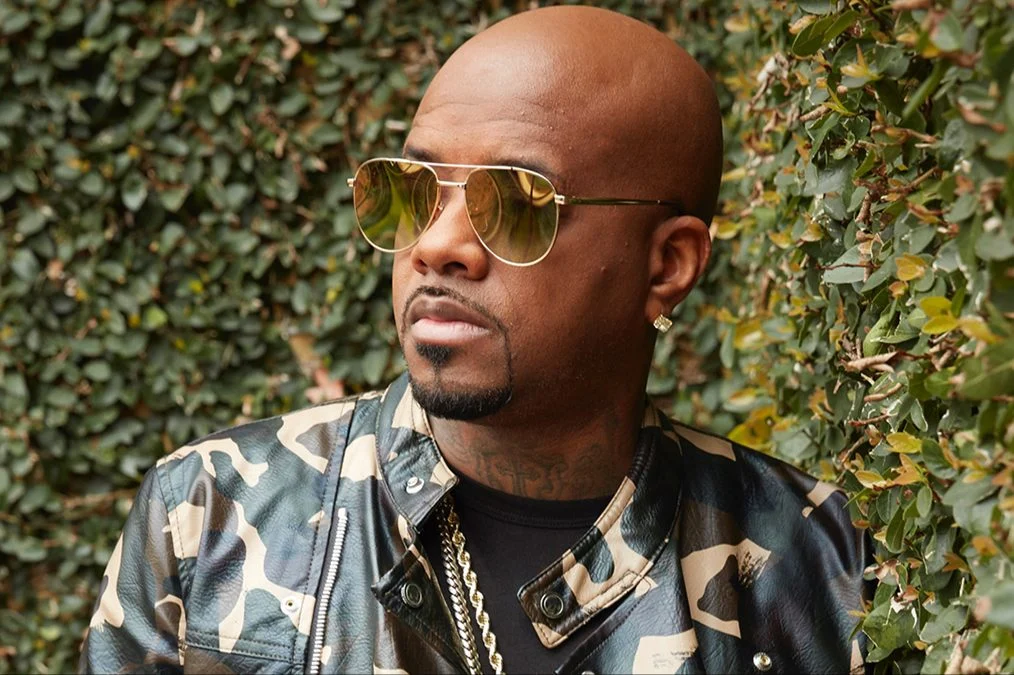
The music industry is no stranger to high-stakes litigation, but rarely does a case involve the architect of an entire city’s musical identity. Jermaine Dupri, the Songwriters Hall of Fame inductee and founder of the legendary So So Def Recordings, has officially escalated a long-simmering dispute into a full-scale legal offensive. In a lawsuit filed on Monday in a New York court, Dupri is seeking no less than $18 million from Sony Music Entertainment (SME), alleging a systematic and "willful" failure to pay royalties spanning more than three decades.
The complaint, which has sent shockwaves through the R&B and Hip-Hop communities, targets some of the most successful records in modern music history. From the teenage phenomenon of Kris Kross to the global superstardom of Mariah Carey and Usher, the lawsuit alleges that Sony Music failed to honor its contractual obligations, underreporting earnings and retroactively manipulating financial statements to deprive Dupri and his imprint of their rightful share.
Main Facts: A Legacy Under Financial Fire
At the heart of the lawsuit is the claim that Sony Music Entertainment has "not been lawful" in its financial dealings with Jermaine Dupri and So So Def Entertainment. The legal filing outlines a pattern of behavior that goes beyond mere accounting errors. Dupri’s legal team characterizes Sony’s actions as "willful deceitful actions designed to harm Plaintiffs in their business."
The lawsuit identifies several key areas of misconduct:
- Underreporting of Royalties: The failure to accurately report the total number of units sold or streams generated across a vast catalog.
- Retroactive Updates: The alleged practice of Sony going back into previous accounting periods to change royalty statements after the fact, often to the detriment of the artist.
- Interest Accrual: A significant portion of the $18 million claim—over $10 million—is attributed to interest payments on royalties that were allegedly withheld for decades.
- Production Shares: The lawsuit claims that numerous "production share" and "producer royalty" accounts were impacted, affecting not just Dupri as a label owner, but also his work as a primary producer for major SME-affiliated artists.
The list of artists involved reads like a "Who’s Who" of 90s and 2000s excellence. The suit specifically mentions projects by Mariah Carey, Usher, Xscape, Da Brat, Kris Kross, Bow Wow, Jagged Edge, J-Kwon, and Bone Crusher. For an industry that has recently seen a massive surge in the valuation of legacy catalogs, the allegation that one of the era’s most prolific hitmakers was being shortchanged is particularly stinging.
Chronology: Thirty Years of Partnership and Friction
To understand the weight of this lawsuit, one must look at the timeline of the relationship between Jermaine Dupri and Sony Music Entertainment, which began during the explosive rise of Atlanta’s music scene in the early 1990s.
1992: The Foundation
The relationship began in May 1992. Jermaine Dupri, then a young visionary who had already found success with the duo Kris Kross, signed a label agreement with SME (specifically under the Columbia Records umbrella). This deal was the launchpad for So So Def Recordings. The initial agreement covered releases from artists who would define the "Atlanta Sound," including the female R&B group Xscape and the first solo female rapper to go platinum, Da Brat.
1997 – 2002: The Joint Venture and Buyout
As So So Def became a powerhouse, the business structure evolved. In 1997, Dupri entered into a Joint Venture (JV) agreement with SME. This era saw the height of So So Def’s commercial dominance, with Dupri producing multi-platinum hits for artists like Usher and Mariah Carey while managing his own label’s roster. However, the JV reached a turning point in 2002, ending in a buyout by Sony. Following this, Dupri moved his operations, leading to subsequent distribution and production deals with Arista (then a rival to Sony), Universal Music Group (UMG), and EMI.
2023 – 2024: The Discovery and Litigation
According to the lawsuit, the cracks in the foundation began to show in 2023. Dupri’s team began to suspect that the royalty payments coming from Sony did not align with the massive commercial success and enduring streaming numbers of the So So Def catalog. After a period of internal review and investigation, the legal team concluded that the discrepancies were not accidental. The formal lawsuit was filed on Monday, marking the end of private negotiations and the beginning of a public legal battle.
Supporting Data: The Cost of "Misreporting"
The financial specifics detailed in the lawsuit provide a window into the scale of the alleged underpayment. Unlike many royalty disputes that deal in vague generalities, Dupri’s attorneys have highlighted specific figures that illustrate the severity of the claims.
- Xscape’s "Hummin’ Comin’ At ‘Cha": The lawsuit alleges that SME owes $960,000 in unpaid producer royalties for Xscape’s 1993 debut album. This record was a cornerstone of 90s R&B, certified platinum and featuring hits like "Just Kickin’ It."
- Da Brat’s "Funkdafied": The suit claims over $1 million is owed for the 1994 album Funkdafied. As the first album by a female solo rapper to be certified platinum, its revenue stream has been significant for nearly 30 years.
- The Interest Factor: One of the most striking figures in the filing is the $10 million claimed in interest alone. This suggests that the principal amounts withheld have been sitting in Sony’s accounts for decades, accruing value that Dupri argues rightfully belongs to him.
- Global Superstars: While specific dollar amounts for Mariah Carey and Usher were not fully detailed in the initial public summaries, the suit explicitly states that royalties were "understated" for their albums. Given that Dupri produced substantial portions of Usher’s My Way (7x Platinum) and Mariah Carey’s Daydream (Diamond certified), even a small percentage of misreporting would equate to millions of dollars.
Official Responses: Silence from the Corporate Giant
In the wake of the filing, the response from the defendant has been minimal. A representative for Sony Music Entertainment provided a brief statement to Variety, simply noting that the company has "no comment" regarding the ongoing litigation.
This "no comment" stance is standard for major corporations facing high-profile lawsuits, but it does little to quell the narrative being built by Dupri’s legal team. Dupri himself, known for his vocal presence on social media and his advocacy for artist rights, has allowed the legal documents to speak for him thus far. His attorneys, however, have been clear: they are seeking a jury trial to determine the final amount of damages, interest, and attorney fees.
Implications: A Watershed Moment for Legacy Artists
The Jermaine Dupri vs. Sony lawsuit is more than just a dispute over $18 million; it is a microcosm of the tension currently defining the modern music industry. As the business has shifted from physical sales to digital streaming, the complexity of accounting has increased exponentially.
1. The Transparency Crisis
This case highlights a growing demand for transparency in "black box" accounting. Major labels handle billions of micro-transactions from streaming services worldwide. Artists and producers often lack the resources to audit these massive corporations, leading to fears that significant sums of money are "lost" or intentionally withheld in the labyrinth of corporate finance.
2. The Value of the "90s Catalog"
We are currently in an era where 90s nostalgia is at an all-time high. The catalogs of Xscape, Da Brat, and Usher are more valuable today—thanks to sync licensing in films, TikTok trends, and consistent streaming—than they were ten years ago. If a mogul like Jermaine Dupri, with his level of industry clout, is struggling to get paid accurately, it raises questions about the fate of smaller artists from that era who may not have the means to file an $18 million lawsuit.
3. Precedent for Future Audits
If Dupri is successful in proving "willful deceit," it could open the floodgates for other legacy artists to audit Sony and other major labels. A court finding of "willful" misconduct would be catastrophic for a label’s reputation and could lead to punitive damages that far exceed the initial $18 million requested.
4. The Relationship Between Creators and Corporations
Jermaine Dupri was instrumental in Sony/Columbia’s success in the 1990s. This lawsuit represents a breakdown in a relationship that helped build the modern music industry. It serves as a stark reminder that in the music business, creative partnership and financial partnership are often two very different things.
As the case moves toward a potential jury trial, the industry will be watching closely. At stake is not just the $18 million Jermaine Dupri claims he is owed, but the very integrity of how the world’s largest music companies account for the hits that defined a generation. For So So Def, a label built on the mantra of "keeping it real," this legal battle is the ultimate quest for financial reality.