The Great Outdoor Screen Debate: Longevity, Safety, and the Science of Weatherproof Entertainment
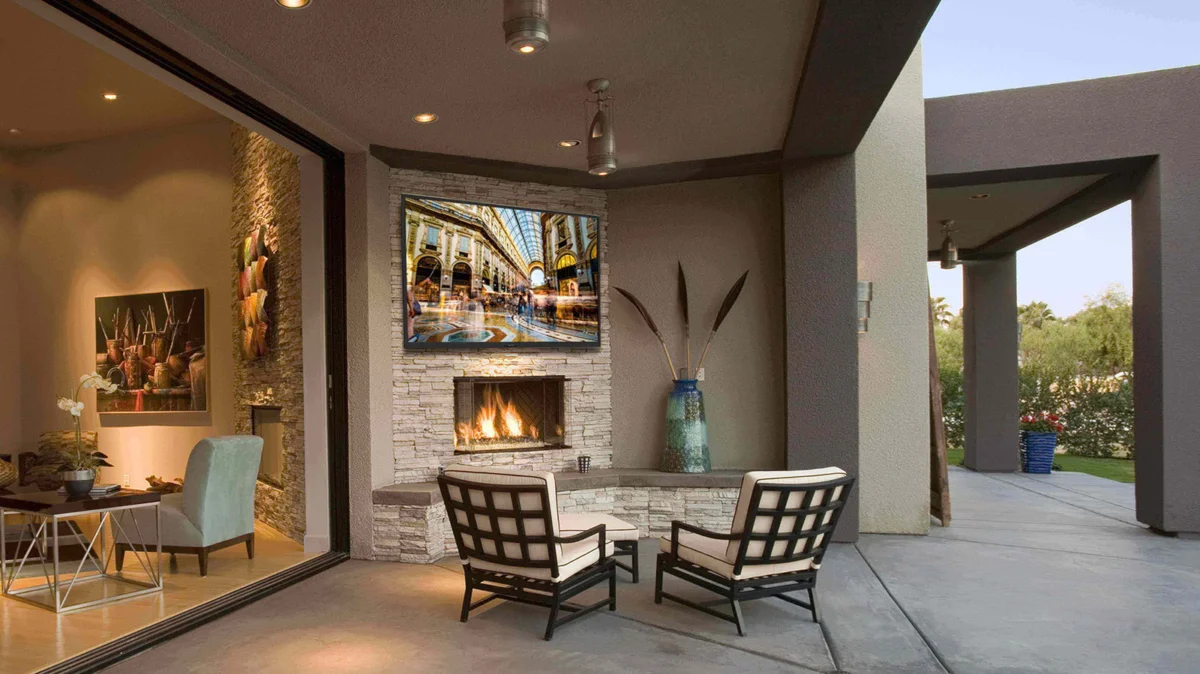
The modern backyard has undergone a radical transformation over the last decade. No longer just a patch of grass for a charcoal grill, the "outdoor living room" has become a high-tech extension of the home, complete with kitchens, fire pits, and, increasingly, high-definition entertainment systems. However, as homeowners seek to bring the cinematic experience to their patios, a persistent debate has emerged: should one invest in a purpose-built outdoor television, or is a "disposable" indoor TV sufficient for the elements?
The answer involves a complex intersection of engineering, environmental science, and financial risk assessment. While anecdotal evidence suggests that some indoor TVs can survive years of exposure, the technical reality of hardware degradation and safety hazards presents a much more cautionary tale.
Main Facts: The Engineering of the Outdoor Display
An outdoor television is fundamentally different from the LED or OLED panel sitting in your living room. While they may share similar screen technologies, the internal architecture of an outdoor unit is designed to survive environments that would traditionally destroy consumer electronics.
Specialized Housing and Sealing
Standard indoor televisions rely on vents for passive cooling. These vents are entry points for moisture, humidity, salt air, and insects. In contrast, outdoor TVs, such as those produced by industry leaders like Furrion and Samsung, feature fully sealed housings. These units are often rated using the Ingress Protection (IP) scale, commonly achieving ratings of IP54 or IP55, which signifies protection against dust and water splashes from any direction.
Thermal Management
Indoor TVs are designed to operate in climate-controlled environments (typically 60°F to 80°F). Outdoor TVs are engineered with internal heating and cooling systems—often utilizing high-speed fans or internal heat sinks—to remain operational in temperatures ranging from -24°F to 122°F. This thermal management prevents the liquid crystals in the display from freezing or "boiling" (turning black) under direct solar load.
The Brightness Barrier
The most significant hurdle for outdoor viewing is the sun. A standard indoor TV typically outputs between 250 and 450 nits of brightness. In an outdoor setting, even under a roof, this level of luminance is often washed out by ambient light. Purpose-built outdoor TVs for "partial sun" or "full sun" can output between 1,000 and 2,500 nits, ensuring the picture remains vivid even at high noon.
Chronology: The Evolution of the Backyard Cinema
The trend of outdoor viewing has evolved through several distinct phases, moving from temporary setups to permanent, ruggedized installations.
- The "Drag-and-Drop" Era (Pre-2010): Homeowners would occasionally bring a small CRT or early flat-panel TV outside for a specific event, like a Super Bowl party, and bring it back inside immediately after.
- The DIY Enclosure Movement (2010–2015): As flat-screen prices dropped, consumers began mounting cheap indoor TVs in homemade wooden boxes or after-market plastic enclosures. While this protected against direct rain, it often led to overheating and condensation buildup within the enclosure.
- The Rise of Specialized Manufacturers (2015–2020): Brands like SunBriteTV and Furrion began to dominate a niche market, catering to luxury outdoor kitchens. These were expensive, industrial-looking units.
- The Mainstream Integration (2020–Present): The COVID-19 pandemic accelerated the "staycation" trend, prompting major manufacturers like Samsung to enter the fray with the "Terrace" series. This brought "smart TV" features and sleek aesthetics to the ruggedized market, making outdoor TVs a standard consideration for home renovations.
Supporting Data: Lifespan and Performance Metrics
When analyzing the longevity of these devices, the data suggests a stark divide between "rated" life and "observed" life.
Lifespan Expectations
- Outdoor-Rated TVs: The typical lifespan is cited as 5 to 7 years, though many users report units lasting over a decade with proper maintenance (such as using a weather cover when not in use).
- Indoor TVs Used Outdoors: The lifespan is highly volatile. In high-humidity regions like Florida or the Gulf Coast, an indoor TV may suffer internal board corrosion within 12 months. In more temperate, dry climates, an indoor TV under a deep patio cover may last 5 to 8 years, albeit with degrading picture quality.
The "Nit" Disparity
Data from brightness testing illustrates why indoor TVs often fail the "usability test."
- Deep Shade: Requires ~400–600 nits. (High-end indoor TVs can barely manage this).
- Partial Sun: Requires ~800–1,200 nits.
- Full Sun: Requires 2,000+ nits.
Most indoor TVs cannot physically reach these levels without the LEDs overheating and failing prematurely.
User Anecdotes and Community Data
Crowdsourced data from platforms like Reddit indicates a "survivor bias" regarding indoor TVs. While users like Live_Oak123 report success in Missouri’s extreme seasons (-15°F to 104°F) with indoor units, these successes are often contingent on the TV being placed in a "full shade" environment with low direct wind exposure. Conversely, users like Vegas84 highlight the performance gap, noting that a move to a dedicated outdoor unit like the Samsung Terrace provided a "massive" difference in visibility that no indoor Sony or LG could match.
Official Responses: Safety and Warranty Implications
Manufacturers and safety organizations maintain a firm stance: Indoor TVs are not designed for outdoor use, and doing so carries significant risks.
Warranty Voidance
Almost every major manufacturer (Samsung, Sony, LG, Vizio) includes clauses in their warranty agreements stating that exposure to "improper environments"—including moisture, extreme temperatures, or outdoor placement—immediately voids the manufacturer’s warranty. If an indoor TV fails after three months on a patio, the consumer has no legal or financial recourse.
Electrical Safety Standards
Underwriters Laboratories (UL) and the National Electrical Code (NEC) provide specific guidelines for outdoor electronics. Indoor TVs lack the "GFCI" (Ground Fault Circuit Interrupter) integration and the moisture-resistant internal coatings (conformal coating) required to prevent short circuits.
- Fire Risk: Moisture buildup on an indoor power supply can cause arcing, leading to electrical fires.
- Shock Hazard: Without a sealed chassis, rainwater or even heavy dew can create a path for electricity to reach the exterior frame of the TV, posing a shock risk to anyone touching the device.
Manufacturer Recommendations
Official statements from companies like Furrion emphasize that their units are not just "waterproofed" but are built with different materials altogether. For example, outdoor units often use anti-glare safety glass that is tempered to resist impact from hail or stray baseballs, a feature entirely absent in the delicate plastic or thin glass of indoor displays.
Implications: The Economic and Environmental Cost
The decision between a $400 indoor TV and a $2,500 outdoor TV has broader implications than just the initial hit to the bank account.
The "Disposable Tech" Problem
Choosing to use indoor TVs outdoors often leads to a cycle of "planned obsolescence." If a homeowner replaces a $400 TV every two years because of weather damage, they will have spent $2,000 over a decade, excluding the labor of re-mounting and the frustration of downtime. From an environmental perspective, this contributes to the growing global crisis of e-waste. Outdoor TVs, by staying in service for 7–10 years, represent a more sustainable (if more expensive) consumption model.
Property Value and Aesthetics
For homeowners looking at resale value, a professionally installed, outdoor-rated entertainment system is viewed as a permanent fixture and an asset. Conversely, an indoor TV with visible wires and a "weather bag" cover is often viewed as a temporary DIY project.
The Future of Outdoor Displays
As MicroLED and Mini-LED technologies mature, the gap between indoor and outdoor quality is narrowing. We are likely to see "hybrid" TVs that are more resilient to temperature swings even in the consumer grade. However, as long as water and electricity remain a volatile combination, the specialized "fully sealed" outdoor TV will remain the gold standard for safety and performance.
Conclusion:
While the "cheap Hisense" success stories found on internet forums are tempting, they are the exception rather than the rule. For the consumer seeking a reliable, safe, and high-quality viewing experience, the investment in a dedicated outdoor TV is justified not just by the picture quality, but by the peace of mind that comes with knowing the device is engineered to survive the unpredictable nature of the great outdoors.