Mid-Year Cultural Compass: Navigating Peak Season Releases, Critical Acclaim, and Enduring Literary Debates
As the year crosses its halfway mark, the cultural landscape presents a vibrant tapestry of entertainment, critical discourse, and thought-provoking narratives. From acclaimed streaming series garnering prestigious nominations to significant literary discussions and historical reflections, the summer season is proving to be a fertile ground for engagement. This comprehensive overview examines recent developments across television, literature, and critical commentary, offering insights into the trends shaping our collective cultural experience.
Main Facts: A Snapshot of Current Cultural Highlights and Debates
The ongoing cultural discourse is marked by several key developments:
- Television Triumphs: The mystery drama Widow’s Bay has emerged as a significant contender during awards season, securing multiple Emmy nominations for its inaugural season. Simultaneously, the dystopian sci-fi series Silo continues its compelling narrative on Apple TV+, captivating audiences with its intricate plot and timely themes.
- Literary Accessibility: The finalists for this year’s prestigious Hugo Awards in the short story and novelette categories have been made freely accessible online, fostering broader engagement with speculative fiction.
- Profound Historical Analysis: A compelling long-form piece titled "Strategic Amnesia" by Bathsheba Demuth in n+1 magazine has drawn attention for its incisive exploration of history, memory, and geopolitical relations, particularly concerning the Trump administration and Greenland.
- The Role of Criticism: The perennial debate surrounding the necessity and nature of negative literary reviews has been reignited, exemplified by a critical analysis of Daniel Kraus’s Pulitzer Prize-winning novel Angel Down published in Strange Horizons.
These diverse threads collectively illustrate a period of rich cultural output and vigorous critical examination, inviting audiences to engage deeply with both escapist entertainment and profound intellectual inquiry.
Chronology: Tracking Key Developments in Arts and Literature
The progression of the year has brought with it a series of notable events and releases, shaping the current cultural conversation.
The Summer Entertainment Surge and Anticipated Blockbusters
The midpoint of the year traditionally signals a peak in entertainment releases, and 2024 is no exception. Industry observers and fan communities are already looking ahead to highly anticipated cinematic events, including the rumored "Dunesday" – a speculative, shared release window for Dune Part 3 and Avengers: Doomsday. This anticipated convergence of two major cinematic franchises underscores a broader trend of ambitious, interconnected storytelling in blockbuster filmmaking, setting a high bar for the latter half of the year. The sheer scale of these projects highlights the industry’s continued investment in epic narratives designed for global audiences.
Widow’s Bay‘s Rapid Ascent to Acclaim
The first season of the critically acclaimed series Widow’s Bay concluded its run to widespread positive reception, quickly transitioning from a popular streaming offering to an awards season darling. Its recent accumulation of Emmy nominations is a testament to its compelling storytelling, intricate character development, and strong performances. The show’s journey from a new entrant in the crowded streaming market to a recognized critical success has been remarkably swift, signaling a strong impact on both critics and viewers.
Silo‘s Evolving Narrative and Thematic Resonance
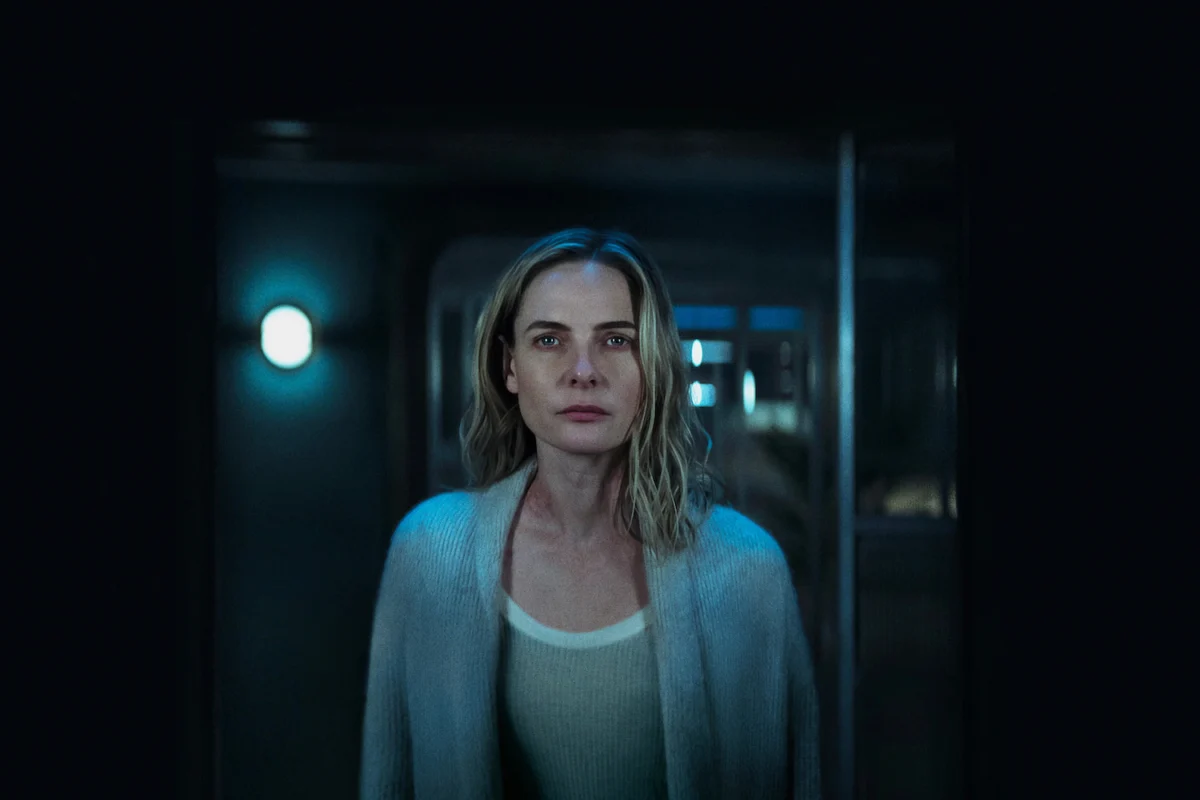
Apple TV+’s dystopian science fiction series Silo has continued its episodic release, with its latest season serendipitously premiering just ahead of the July 4th holiday. The series, which depicts a community living in an elaborate underground bunker system while the outside world is deemed toxic, has sparked conversations about societal resilience, historical revisionism, and humanity’s relationship with its environment. The narrative has evolved through its seasons, moving from initial explorations of the silo’s mysterious origins to more personal challenges for its protagonist, Juliette, including a notable "horror-swimming" sequence in the second season and the introduction of medically induced amnesia in the current arc. This chronological progression of plot devices keeps the audience engaged, even as some critics point to narrative contrivances.
Hugo Awards: Enhancing Accessibility for Short Fiction
In a significant move to broaden literary engagement, the organizers of the prestigious Hugo Awards have made all short story and novelette finalists freely available online. This initiative allows not only eligible voters but also the general public to access and engage with some of the year’s most celebrated speculative fiction. The deadline for Hugo voting, August 8th, creates a timely impetus for readers to explore these works and participate in shaping the future of genre literature. This accessibility ensures a more democratic process for the awards and encourages wider readership of short-form narratives.
A Timely Dive into "Strategic Amnesia"
The recent holiday weekend saw many engaging with Bathsheba Demuth’s thought-provoking long-form piece, "Strategic Amnesia," published in n+1. The article, which delves into the complex interplay of history, collective memory, the Trump family’s engagements, and the unique relationship between the United States and Greenland, offered a potent dose of critical historical analysis. Its release during a period of national reflection underscored its thematic weight, prompting readers to reconsider historical narratives and their contemporary implications.
Literary Criticism: The Enduring Debate on Negative Reviews
The literary world has recently seen a resurgence of discussions surrounding the utility and ethical considerations of negative book reviews. This ongoing debate found a prominent example in Strange Horizons with Hugo-winning author Abigail Nussbaum’s review of Daniel Kraus’s Angel Down. Kraus’s novel, a recent recipient of the Pulitzer Prize—a rare honor celebrated by both the science fiction/fantasy (SFF) and horror communities—received a decidedly unimpressed assessment from Nussbaum. This particular instance has served as a focal point for broader conversations about critical subjectivity, the purpose of rigorous critique, and the courage to articulate dissenting opinions, even concerning highly decorated works.
Supporting Data: Delving Deeper into Critical Reception and Industry Trends
A closer examination of these cultural touchstones reveals underlying trends and provides context for their significance.
Widow’s Bay: A Masterclass in Character-Driven Drama
Widow’s Bay has distinguished itself through its nuanced portrayal of complex female characters and its ability to weave a compelling narrative around them. Central to its success is the character of Patricia, played by the acclaimed actress Dale Dickey. Critics have lauded Patricia as one of the most memorable and authentically portrayed characters to grace television screens recently, citing Dickey’s profound performance as a key factor in the show’s resonance. Patricia is reportedly depicted as a sharp-witted, resilient matriarch who navigates the show’s gritty crime drama with a blend of sardonic humor and fierce loyalty. The Emmy nominations are a clear indicator of the industry’s recognition of the show’s exceptional writing, directing, and particularly, its acting ensemble, with Dickey frequently highlighted for her standout contribution. This success story points to a growing appreciation for series that prioritize depth of character and performance over purely spectacle-driven narratives.
The Silo Phenomenon: Sci-Fi’s Ambiguous Allure and Timely Themes
Silo‘s continued popularity underscores the public’s enduring fascination with dystopian narratives and post-apocalyptic survival. The show’s premise of humanity confined to an underground bunker while the surface remains a mystery taps into contemporary anxieties about environmental collapse, governmental control, and the preservation of truth. While its "weirdly watchable" quality is undeniable, some critics acknowledge that the narrative occasionally employs dramatic contrivances, such as the repeated use of "horror-swimming" sequences for Juliette or the current medically induced amnesia plotline. Amnesia plots, often criticized for resetting character development and forcing redundant exposition, can be a polarizing narrative choice. However, the series maintains its audience largely due to strong performances. Jessica Henwick, in her role within the past-present timeline, and the legendary Harriet Walter, whose every appearance is lauded, consistently elevate the material. Even characters like Alexandria Riley’s Lady Macbeth-esque Sims, despite her morally ambiguous actions, are noted for their compelling portrayal, showcasing the power of strong acting to carry a complex, sometimes uneven, narrative. The show’s thematic resonance with societal concerns about "bunkers-while-the-world-burns" scenarios adds another layer of topicality to its appeal.
The Power of Short Fiction: Democratizing Literary Engagement
The Hugo Awards’ decision to make short story and novelette finalists available online is a significant step towards democratizing access to high-quality genre fiction. This initiative aligns with a broader movement to encourage the reading of short-form narratives, which often offer condensed yet potent explorations of complex ideas. By removing barriers to access, the awards foster a more informed voting body and introduce new readers to influential voices in speculative fiction. This practice not only benefits the genre by expanding its readership but also underscores the enduring artistic value of concise storytelling in an age dominated by longer narratives. The August 8th voting deadline encourages prompt and thorough engagement with these selected works.
"Strategic Amnesia": Intersecting History, Politics, and Global Relations
Bathsheba Demuth’s "Strategic Amnesia" serves as a powerful example of long-form journalism’s capacity to illuminate complex historical and political interconnections. The piece reportedly dissects the United States’ historical relationship with Greenland, particularly within the context of the Trump administration’s controversial interest in purchasing the territory. Demuth’s analysis is said to reveal how historical narratives are often selectively remembered or deliberately forgotten—a "strategic amnesia"—to serve political agendas. Crucially, the article also emphasizes the often-overlooked perspectives of the indigenous populations who have long inhabited these contested lands, thereby challenging colonial viewpoints. This kind of deep historical dive, offering insights often absent from conventional education, highlights the vital role of investigative journalism in fostering a more complete and critical understanding of national and international histories.
The Art of the Negative Review: A Critical Necessity
The recent debate surrounding negative reviews, sparked by Abigail Nussbaum’s critique of Daniel Kraus’s Angel Down, underscores the essential, albeit sometimes uncomfortable, role of critical dissent in a healthy literary ecosystem. While many writers and publications prefer to focus on positive reviews to highlight new works in a crowded market, Nussbaum’s review in Strange Horizons stands as a reminder that rigorous, unflinching critique is vital. Angel Down, a novel that intertwines themes of World War II and angels, appealing to both horror and SFF audiences, received a Pulitzer Prize. Nussbaum, however, was reportedly "not impressed," suggesting that despite its accolades, the novel may have fallen short in certain critical aspects. Her review is appreciated not for its "correctness" – as all criticism is subjective – but for its articulation of a thoughtful, well-reasoned counter-narrative. Such reviews contribute to a robust critical dialogue, pushing authors, readers, and the industry to engage more deeply with the nuances of literary merit beyond popular consensus or awards.
Official Responses & Industry Commentary
While specific official statements on each item are not publicly available at this moment, industry trends and typical responses provide insight into the reception and ongoing discourse surrounding these cultural phenomena.
Widow’s Bay Creators and Network
The network behind Widow’s Bay and its production team are undoubtedly celebrating the Emmy nominations as validation of their creative vision and investment. Industry commentary would likely highlight the show’s success as a testament to the power of original, character-driven narratives to break through in a saturated streaming market. Executive producers would likely praise the ensemble cast, particularly Dale Dickey, for bringing depth and authenticity to their roles. The nominations are expected to fuel discussions about potential future seasons and the show’s long-term trajectory.
Silo Producers and Apple TV+
The creative team behind Silo and Apple TV+ would likely emphasize the show’s unique world-building and its capacity to engage viewers with complex themes of survival and truth. While acknowledging the unconventional narrative choices, such as the amnesia plot, they would probably defend these as integral to the unfolding mystery and character development. Statements would likely underscore the show’s continued strong viewership and critical appreciation for its ambitious scope and the compelling performances of its lead actors, attributing its "weirdly watchable" nature to its ability to provoke thought and maintain suspense.
Hugo Award Administrators
Representatives from the Hugo Awards and organizations like the Science Fiction and Fantasy Writers of America (SFWA) consistently advocate for the accessibility of genre literature. Their commentary would stress the importance of making finalist works available online, not just for the voting process but as a means to cultivate new readers and celebrate the diversity and innovation within speculative fiction. They would likely highlight the educational value of such initiatives, encouraging broad participation and appreciation for short-form storytelling.
n+1 Editorial and Bathsheba Demuth
The editorial team at n+1 would likely point to "Strategic Amnesia" as an example of their commitment to publishing incisive, long-form journalism that challenges conventional narratives. Bathsheba Demuth, the author, would likely articulate her intent to stimulate critical thinking about how history is constructed and remembered, particularly concerning geopolitical dynamics and the often-silenced voices of indigenous populations. The piece’s reception would be seen as a success in sparking vital public discourse.
Strange Horizons, Abigail Nussbaum, and Daniel Kraus
The editors of Strange Horizons would likely defend their commitment to publishing diverse and rigorous literary criticism, regardless of a book’s accolades. Abigail Nussbaum’s commentary, if provided, would likely reiterate her stance that critical evaluation is distinct from popular reception or awards. She would likely emphasize the importance of articulating individual critical perspectives to foster a more nuanced understanding of literary merit. Daniel Kraus, while celebrating his Pulitzer win for Angel Down, might offer a perspective on the subjective nature of criticism, acknowledging that not every reader or critic will connect with a work in the same way, while still valuing the broader conversation his novel has generated. The literary community generally values such debates as essential to the health and dynamism of the field.
Implications: Broader Cultural Trends and Future Outlook
The diverse array of cultural happenings at the year’s midpoint points to several significant trends and offers a glimpse into the future trajectory of entertainment and literature.
The Evolving Landscape of Streaming Content
The success of Widow’s Bay and the ongoing appeal of Silo underscore the dynamic and competitive nature of the streaming market. Widow’s Bay demonstrates that character-driven narratives, particularly those centered on strong female leads and exceptional acting, can achieve critical and awards season success amidst a sea of content. Silo, conversely, illustrates the audience’s appetite for high-concept genre fiction, even when navigating narrative complexities. Both shows highlight the imperative for platforms to invest in diverse storytelling approaches, balancing broad appeal with artistic depth. The continued push for original content will likely lead to more experimental and niche programming finding widespread recognition.
The Role of Awards in Shaping Cultural Discourse
Awards like the Emmys and Hugos play a crucial role in amplifying certain narratives and artists, influencing public perception and industry trends. Emmy nominations for Widow’s Bay elevate its status and bring it to a wider audience, potentially inspiring similar productions. The Hugo Awards, by making their finalists accessible, actively encourage engagement with speculative fiction, thereby shaping future literary tastes and supporting emerging voices. These accolades not only celebrate achievement but also serve as powerful mechanisms for guiding cultural attention and reinforcing industry standards.
The Enduring Power of Long-Form Journalism and Short Fiction
In an era often characterized by shrinking attention spans and fragmented media consumption, the impact of Bathsheba Demuth’s long-form piece and the accessibility of Hugo-nominated short fiction offer a compelling counter-narrative. They demonstrate that there remains a strong appetite for deep, nuanced analysis and concise, impactful storytelling. This trend suggests a cultural yearning for substance and intellectual engagement, reinforcing the vital role of thoughtful journalism and short literary forms in enriching public understanding and fostering critical thinking.
The Health of Literary Criticism
The robust debate surrounding Abigail Nussbaum’s review of Angel Down is a healthy indicator of the vitality of literary criticism. It affirms that criticism, even when negative, is not merely about judgment but about fostering a deeper, more rigorous engagement with art. It challenges readers and writers to think beyond surface-level reception and popular opinion, encouraging a nuanced understanding of literary merit. This continuous dialogue is essential for the evolution of literature, pushing boundaries and maintaining intellectual integrity within "bookish spaces."
Societal Reflection in Media
The themes explored in Silo (dystopian survival, truth, control) and Bathsheba Demuth’s "Strategic Amnesia" (history, memory, power) are deeply reflective of contemporary anxieties and historical reckonings. They demonstrate how art and journalism serve as powerful mirrors, allowing society to grapple with complex issues such as climate change, political manipulation, and historical injustices. This trend highlights the cultural importance of narratives that not only entertain but also provoke thought and encourage civic awareness.
Future Outlook: A Landscape of Engaged Consumption
Looking ahead, the latter half of the year promises continued cultural dynamism. The anticipated "Dunesday" cinematic event symbolizes a future where grand narratives dominate, while the ongoing discussions around criticism and historical analysis suggest a growing demand for informed and engaged consumption of media. As audiences continue to seek both compelling entertainment and meaningful insights, the cultural compass points towards a landscape where critical discernment, broad accessibility, and thematic depth will increasingly define the most impactful works. Engaging with these diverse offerings, supporting thoughtful criticism, and remaining civically aware are paramount for navigating this rich cultural season.