Singaporean Epic "The Violinist" Soars to Victory at Annecy, Claiming Top Cristal Award
Annecy, France – June 27, 2026 – In a stunning upset that defied pre-festival buzz, the Singaporean animated feature The Violinist has been awarded the prestigious Cristal for a Feature Film at the 2026 Annecy International Animation Film Festival. The film, a sweeping love story spanning nearly eight decades of Southeast Asian history, captivated the jury and audiences alike, marking a significant moment for Singaporean cinema and proving that sometimes, the most profound artistic statements emerge from unexpected corners.
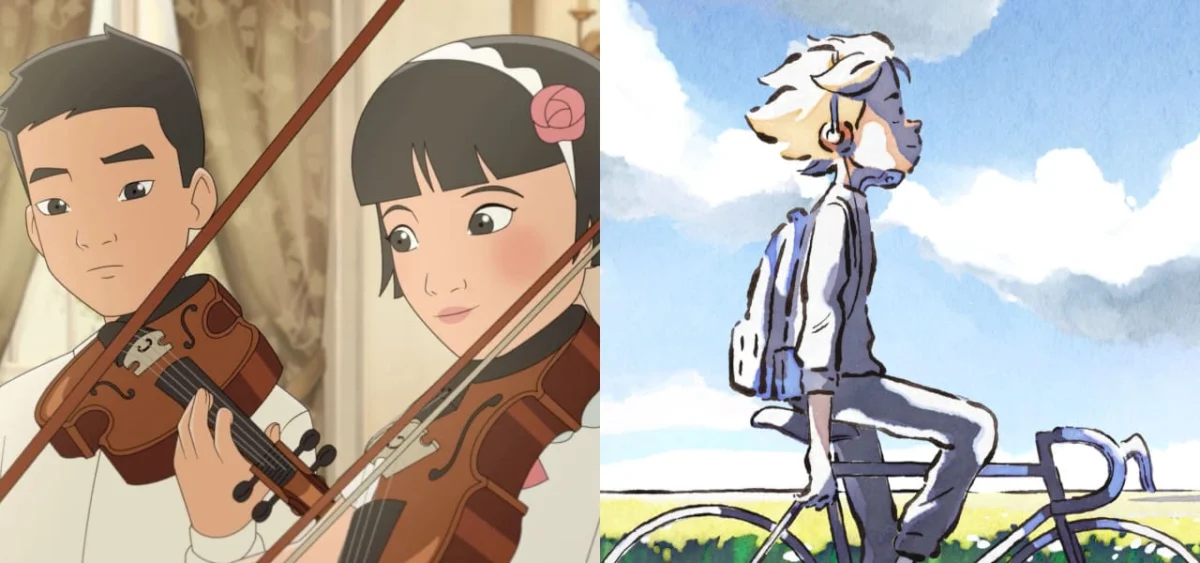
The announcement on Saturday sent a ripple of surprise through the festival, where much of the pre-competition anticipation had centered around films like the critically acclaimed Iron Boy and Tangles. However, The Violinist, directed by Ervin Han and Raul Garcia, not only held its own against a formidable lineup but ultimately triumphed, earning the festival’s highest honor. Annecy Artistic Director Marcel Jean had hinted at the film’s potential, calling it "one of the best surprises I had in the selection process." His foresight proved prescient, as the film’s intimate narrative, set against a backdrop of war, colonialism, and political upheaval, combined with its exquisite hand-drawn animation, carefully integrated CG elements, and a score as integral to the storytelling as its protagonists, resonated deeply with the jury.
While The Violinist may have been the festival’s most significant surprise, Iron Boy, directed by Louis Clichy, emerged as another major success story. Having already garnered critical acclaim and the Special Jury Prize in Cannes’ Un Certain Regard section, Iron Boy arrived in Annecy with considerable momentum. Its watercolor visuals and deeply personal coming-of-age narrative continued to impress, earning it a remarkable three awards: the Jury Award, the Audience Award, and the Gan Foundation Award for Distribution. This triple win solidifies its position as a frontrunner for the upcoming awards season.
The festival also celebrated established and emerging talents across various categories. Spanish filmmaker Alberto Vázquez continued his impressive festival run with Decorado, securing the Paul Grimault Award for his existential black comedy. This latest accolade further cements Vázquez’s reputation as a singular auteur in European animation, following acclaimed works such as Unicorn Wars and Birdboy: The Forgotten Children.
In the Contrechamp competition, the Grand Prix was awarded to Blaise, Dimitri Planchon and Jean-Paul Guigue’s unique adaptation of Planchon’s long-running comic. Yoshitoshi Shinomiya’s visually striking directorial debut, A New Dawn, a Japanese-French co-production, received the Jury Award in the same section, highlighting the growing international collaborations in the animation sphere.
The short film category saw the return of acclaimed indie animator Don Hertzfeldt, who claimed the Short Film Cristal for Paper Trail, his first Annecy award in over a decade. France’s Jocelyn Charles also had a strong showing, winning both the Jury Award and Audience Award for his evocative short, God Is Shy. Stop-motion specialist Anna Mantzaris earned the Jean-Luc Xiberras Award for her compelling short Please, while Etienne Bonnet’s visceral body horror film My Bellyaching Skin received the coveted Alexeïeff-Parker Award.
Beyond feature and short films, the festival also recognized excellence in television, commissioned, and graduation projects. The Great Dreamscape, by Belgian filmmaker Rémi Durin, took home the Cristal for a TV Production. In the commissioned film category, the French trio Victor Caire, Lucas Navarro, and Théophile Dufresne clinched the Cristal for Unloved, underscoring a strong performance by French studios in this segment. The Cristal for a Graduation Film was awarded to Laurence Thérien’s Ball Face from London’s Royal College of Art, showcasing the innovative talent emerging from educational institutions worldwide.
Annecy also continued its commitment to exploring new frontiers in animation with A Long Goodbye by Kate Voet and Victor Maes winning the top immersive prize, signaling a growing appreciation for non-traditional animation formats.
A Look Back at the Road to Annecy
The journey to the 2026 Annecy festival was marked by a series of impressive festival circuits and critical dialogues. The Violinist, from its initial screening, began to generate a quiet but persistent buzz. Its inclusion in the Annecy competition, a testament to its artistic merit, was seen by industry insiders as a significant step for a film from Singapore, a country with a growing but less established presence in the international animation feature landscape. Director Marcel Jean’s early praise for the film hinted at its unique ability to capture the imagination of those tasked with curating the festival’s diverse offerings.
Conversely, Iron Boy arrived at Annecy riding a wave of momentum from its successful premiere at the Cannes Film Festival. Its strong showing in the Un Certain Regard section, followed by widespread critical acclaim for its distinctive visual style and emotionally resonant narrative, positioned it as a frontrunner from the outset. The film’s ability to connect with audiences on a deeply personal level, exploring themes of growth and self-discovery through a visually arresting lens, made it a consistent favorite throughout the festival circuit.
Decorado, by Alberto Vázquez, had already established itself as a significant work within the adult animation sphere prior to Annecy. Its critical reception at previous festivals and its unique blend of dark humor and existential exploration had built anticipation for its potential recognition at Annecy. Vázquez’s consistent output of thought-provoking and artistically daring films has solidified his reputation, making Decorado‘s award a continuation of his established trajectory.
The Contrechamp section, dedicated to more experimental and audacious works, provided a platform for films like Blaise and A New Dawn. Blaise, an adaptation of a long-running comic, represented a commitment to diverse storytelling mediums, while A New Dawn showcased the intricate craftsmanship and artistic vision that can emerge from international co-productions, particularly between Japan and France.
The short film category, a cornerstone of Annecy, saw a diverse range of talent emerge. Don Hertzfeldt’s return with Paper Trail was a significant event for animation enthusiasts, given his reputation for unique and introspective works. The success of Jocelyn Charles’s God Is Shy in securing both the Jury and Audience Awards indicated a strong connection with viewers, while Anna Mantzaris’s Please highlighted the continued innovation and artistic exploration within the stop-motion medium.
Supporting Data and Critical Acclaim
The triumph of The Violinist at Annecy is not merely an anecdotal success but a reflection of its deep artistic merit. The film’s narrative, which reportedly weaves together the personal journeys of its titular character with the broader historical tapestry of Southeast Asia, has been lauded for its emotional depth and historical scope. Critics have pointed to the film’s masterful use of hand-drawn animation, a technique that allows for nuanced character expression and a rich, evocative atmosphere. The integration of CG elements, described as "carefully deployed," suggests a sophisticated approach to visual storytelling, enhancing rather than overpowering the hand-drawn aesthetic. The score, noted as being "as central to the storytelling as its two leads," further underscores the film’s holistic artistic vision, where music plays a vital role in conveying emotion and advancing the narrative.
Iron Boy‘s success, with its three awards, is supported by consistent critical praise. Reviewers have frequently highlighted the film’s "watercolor visuals," suggesting a unique and aesthetically pleasing artistic direction. The "deeply personal coming-of-age story" has resonated with audiences and critics alike, indicating a successful blend of universal themes with a specific, compelling narrative. The multiple awards, including the Audience Award, demonstrate a broad appeal that transcends critical consensus. The Gan Foundation Award for Distribution is particularly significant, suggesting that the film is well-positioned for wider commercial success.
Alberto Vázquez’s Decorado has been characterized as an "acclaimed adult animated feature," indicating its appeal to a more mature audience seeking complex themes and sophisticated storytelling. Its win of the Paul Grimault Award, named after a pioneering French animator, signifies recognition for artistic innovation and excellence within the feature film category.
The various awards in the short film, TV, commissioned, and graduation categories reflect a vibrant and diverse animation landscape. The recognition of films like Paper Trail by Don Hertzfeldt, God Is Shy by Jocelyn Charles, and Please by Anna Mantzaris underscores the continued importance of short-form animation as a platform for artistic experimentation and emerging talent. The success of French studios in the commissioned film category, as evidenced by the win for Unloved, highlights the strength of that country’s animation industry in this specific sector. The Cristal for a Graduation Film awarded to Ball Face from the Royal College of Art points to the high caliber of animation education and the promising future of young animators.
Official Responses and Industry Reactions
The jury’s decision to award the Cristal for a Feature Film to The Violinist has been met with widespread acknowledgment of the film’s artistic achievements. Annecy Artistic Director Marcel Jean’s initial enthusiasm for the film served as an early indicator of its potential. The palpable surprise among the audience during the awards ceremony underscored the film’s status as an underdog, making its victory all the more impactful.
The repeated wins for Iron Boy have solidified its status as a major contender in the animation awards race. Louis Clichy’s directorial vision and the film’s artistic execution have earned praise from festival organizers and industry professionals alike. The Audience Award, in particular, signifies a strong connection with the festival-goers, a crucial indicator of broader appeal.
Alberto Vázquez’s continued success at international festivals reinforces his position as a significant voice in contemporary animation. His ability to consistently produce films that are both critically acclaimed and artistically distinct is a testament to his unique vision.
The recognition of films in the Contrechamp, short film, TV, commissioned, and graduation categories demonstrates Annecy’s commitment to celebrating the full spectrum of animated filmmaking. The jury’s choices reflect a keen understanding of artistic innovation, narrative depth, and technical mastery across diverse formats and styles.
Implications for the Future of Animation
The surprising triumph of The Violinist at Annecy carries several significant implications for the future of animation. Firstly, it underscores the growing global reach and artistic maturity of animation from regions beyond the traditional powerhouses of North America and Europe. Singaporean animation, in particular, has now been placed firmly on the international map, potentially inspiring further investment and creative development within the country. The film’s success challenges the notion that only certain types of stories or visual styles can achieve international acclaim, suggesting that unique cultural perspectives and deeply personal narratives, when executed with artistic brilliance, can resonate universally.
The strong performance of Iron Boy further reinforces the trend of animated features that prioritize emotional resonance and distinctive visual aesthetics. Its multiple awards, including the Audience Award, suggest that audiences are increasingly drawn to films that offer both visual spectacle and genuine emotional depth. This bodes well for the future of auteur-driven animation, where personal vision and artistic integrity can lead to widespread success.
The continued recognition of experimental and diverse works in the Contrechamp section and the short film categories highlights Annecy’s role as a vital incubator for innovation. The festival’s willingness to platform unconventional narratives and cutting-edge techniques ensures that the art form continues to evolve and push boundaries. This commitment to fostering new voices and exploring new technologies is crucial for the long-term health and dynamism of the animation industry.
Finally, the success of films in the TV, commissioned, and immersive categories reflects the expanding landscape of animated content. The growing importance of television productions, branded content, and interactive experiences demonstrates that animation is no longer confined to traditional theatrical releases. Annecy’s embrace of these diverse formats signals a forward-looking approach, acknowledging the multifaceted nature of animation in the 21st century. The Cristal for Best Immersive Work, awarded to A Long Goodbye, is a particularly strong indicator of the industry’s increasing interest in and investment in virtual and augmented reality experiences within animation.
In conclusion, the 2026 Annecy Festival has delivered a powerful message: artistic excellence, compelling storytelling, and diverse cultural voices can, and will, lead to global recognition. The unexpected victory of The Violinist is a testament to this evolving reality, promising an exciting and dynamic future for the world of animation.