The Name of the Architect: How ‘Silo’ Season 3 Navigates Book Deviations with a Heartbreaking Easter Egg

The relationship between a beloved literary work and its screen adaptation is often a delicate dance of fidelity and pragmatism. For fans of Hugh Howey’s Silo trilogy—comprising the novels Wool, Shift, and Dust—the Apple TV+ adaptation has been a masterclass in how to expand a world while honoring its core. However, no adaptation is a mirror image. As the series moves deeper into its third season, the creative team has begun to lean into its most significant deviations from the source material, using them not just as plot necessities, but as emotional anchors.
In Season 3, Episode 2, titled "It’s All Good," the showrunners delivered a subtle yet profound nod to the original text. By addressing a controversial name change for a central character through a moment of tragic character development, the series has managed to "hang a lampshade" on its own alterations while deepening the stakes of its prequel narrative.
Main Facts: The ‘Donald’ vs. ‘Daniel’ Dilemma
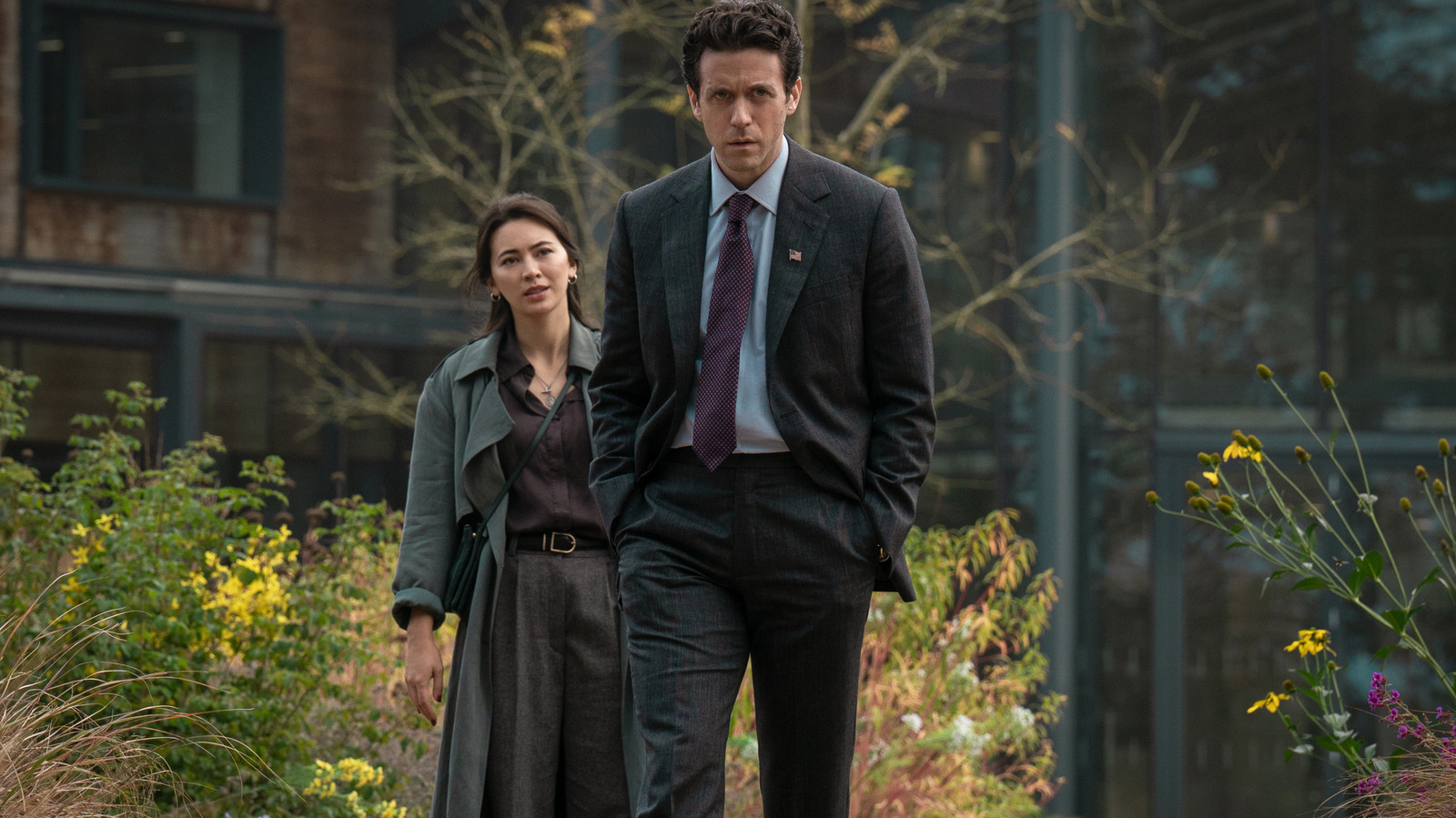
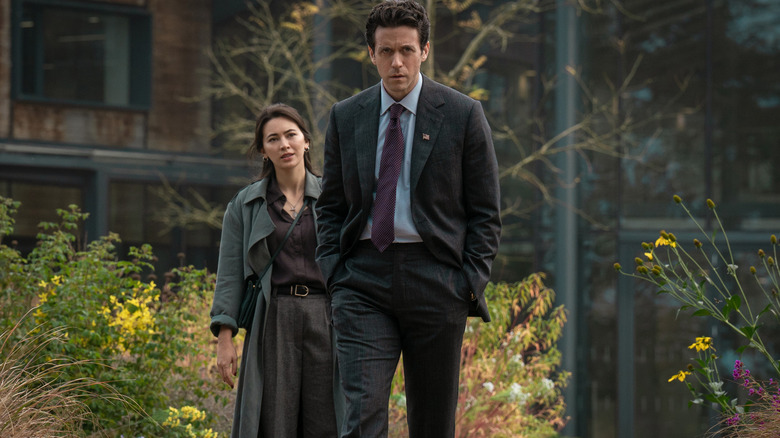
At the heart of the latest buzz surrounding Silo is the character Daniel Keene, portrayed by Ashley Zukerman. In Hugh Howey’s second book, Shift, which serves as a prequel to the events of the first novel, this character is named Donald Keene. Donald is a freshman congressman tasked with overseeing the construction of the Silos, eventually becoming a pivotal figure in the multi-generational conspiracy that governs the underground remnants of humanity.
When the series premiered, book readers immediately noted the change from Donald to Daniel. While seemingly minor, names carry significant weight in the Silo universe, where identity is often suppressed or rewritten by the "Pact." In Season 3, Episode 2, the show finally acknowledged this discrepancy.
During a harrowing hospital scene, Daniel’s sister, Charlotte (Jessica Brown Findlay), wakes up after a traumatic encounter with a nanotech swarm. Disoriented and suffering from severe memory loss—a side effect of a specialized medical treatment designed to "blunt" trauma—she looks at her brother and calls him "Donald." It is a fleeting moment, a slip of the tongue that serves as a direct Easter egg for book fans, but within the context of the show, it serves as a devastating indicator of Charlotte’s fractured psyche.
Chronology: The Evolution of the ‘Silo’ Adaptation
To understand the significance of this reference, one must look at the timeline of the Silo franchise’s development.
The Literary Origins (2011–2013)
Hugh Howey’s journey began with a self-published short story titled Wool in 2011. Its viral success led to a series of novellas that eventually formed a trilogy. The second book, Shift (2012), was a jarring departure for readers, as it abandoned the protagonist Juliette Nichols to go back in time several hundred years to explain the apocalypse.
The Television Development (2021–2023)
When Apple TV+ greenlit the series with showrunner Graham Yost, the challenge was how to integrate the prequel elements of Shift without losing the momentum of Juliette’s story. Season 1 focused almost entirely on the first half of Wool. Season 2 began to interweave the past and the present, introducing Daniel Keene earlier than he appears in the books to provide context for the Silo’s origins.
Season 3 and the "Memory" Arc (2024–Present)
Season 3 has elevated the theme of memory to the forefront. While Juliette (Rebecca Ferguson) struggles with her own past in the present-day timeline, the prequel timeline involving Daniel and Charlotte explores how memory was systematically erased or manipulated at the dawn of the Silo era. The "Donald" reference in Episode 2 is the chronological climax of this thematic exploration, linking the "real" history (the books) with the "rewritten" history (the show).
Supporting Data: Why Change the Name?
The decision to change Donald Keene to Daniel Keene was not an arbitrary one. In the landscape of modern American television, names carry political and social baggage that creators must navigate carefully.
Graham Yost has been transparent about the logistical and atmospheric reasons for the change. In various production notes and interviews, it was revealed that the name "Donald" has become inextricably linked with contemporary American politics. To avoid unintended parallels or "breaking the fourth wall" for viewers who might associate the name with Donald Trump, the production opted for the more neutral "Daniel."
Furthermore, the data suggests that television audiences respond more favorably to "interwoven" narratives rather than the "hard reset" found in the books. While Shift (the book) forces the reader to start over with new characters, the show uses Daniel and Charlotte as a B-plot that runs alongside Juliette’s journey. This requires the characters to be more empathetic and less overtly political than their book counterparts, a shift reflected in the softening of the name.
Official Responses: The Creator’s Perspective
Graham Yost, the architect of the series, addressed the name change and the Episode 2 reference in an exclusive conversation with Radio Times. Yost acknowledged that while he wanted to stay true to Howey’s vision, certain "real-world" factors necessitated adjustments.
"There are things you do in a book that work beautifully on the page but can become a distraction on screen," Yost noted. Regarding the "Donald" name drop, Yost explained that it was a way to reward the "constant readers" while serving the internal logic of the show. "Charlotte’s mind is scrambled. She’s reaching for fragments of things that don’t quite fit. For the fans, it’s a nod to the source. For the character, it’s a sign that her brother is becoming a stranger to her."
Hugh Howey, who serves as an executive producer on the series, has historically been supportive of these changes. Howey has often stated that he views the show as a "second chance" to explore the world of the Silos, often praising Yost for finding emotional depths that were only hinted at in the original prose.
Implications: Memory as a Weapon and a Shield
The "Donald" reference is more than just a clever wink; it signals the direction of Season 3’s overarching narrative. The implications of this scene stretch across both the past and present timelines of the show.
1. The Fragility of Identity
In the Silo universe, the authorities control the population by controlling their history. By having Charlotte forget her brother’s name—or "misremember" it as the book-accurate version—the show highlights how easily the truth can be distorted. If Daniel can change his identity (or have it changed for him by the state), the foundation of the Silo is built on a lie.
2. The Introduction of Nanotechnology
Episode 2 also clarified the "mission" that Charlotte was on. The visual of the "swarm" attacking her squadron is a direct reference to the nanotechnology that plays a massive role in the final book, Dust. The implication is that the world didn’t just end through nuclear war, but through a controlled, technological erasure. Charlotte’s memory loss is a microcosm of what has happened to the entire human race.
3. The Path to ‘Dust’
As Daniel Keene digs deeper into the medical treatments provided by Doctor Victor Crnkovich, he is essentially beginning his transformation into the character fans know from the books—a man burdened by the weight of the world’s end. The name "Donald" represents the man he was supposed to be; "Daniel" is the man he has become in this version of the story.
4. Audience Engagement
For Apple TV+, these types of deep-cut references are essential for maintaining a dedicated fanbase. In an era of "peak TV," where sci-fi shows are frequently canceled, Silo has managed to build a community of "theorists" who analyze every frame. By including the "Donald" reference, the writers have signaled that they are intimately familiar with the source material, buying them "creative capital" to make even larger changes down the road.
Conclusion
Silo Season 3, Episode 2 demonstrates that a successful adaptation does not need to be a carbon copy of its source. By turning a potential point of contention—a character’s name change—into a poignant moment of psychological drama, the series has enriched its own mythology.
As Daniel Keene moves forward, haunted by a sister who no longer knows his name, the stakes for Silo 18 and the fate of Juliette Nichols have never been higher. The "hidden" book reference wasn’t just a gift for fans; it was a reminder that in the world of the Silo, the past is never truly buried—it just waits for someone to remember its real name.