Sophia Huitema Unveils "Prussian Blue" at Harper’s Gallery: A Deep Dive into the Allure and Ambiguity of the Modern Femme Fatale
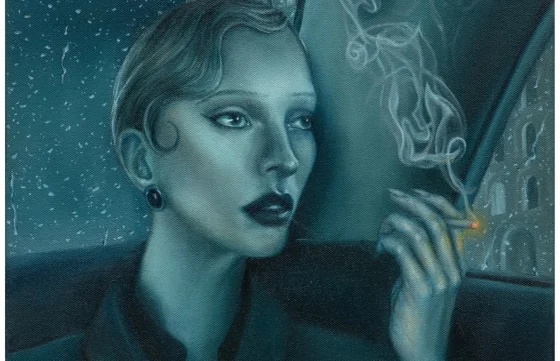
New York, NY – Harper’s Gallery is proud to present "Prussian Blue," the highly anticipated first solo exhibition by New York-based artist Sophia Huitema. This captivating exhibition, running until April 25, 2026, showcases a series of seven new oil paintings that explore the evocative power of the pigment Prussian Blue as a central metaphor. Huitema masterfully weaves together the visual and chemical complexities of this historic pigment to anchor a cast of enigmatic female figures within her signature hazy, dreamlike worlds. The exhibition offers a profound examination of beauty, menace, and the intricate duality inherent in human experience, all rendered through Huitema’s distinctive painterly language.
The Allure and Duality of Prussian Blue: A Chromatic and Conceptual Anchor
At the heart of "Prussian Blue" lies the pigment itself, a substance rich with historical and scientific intrigue. Prussian Blue, a synthetic pigment discovered accidentally in the early 18th century, possesses a fascinating duality that resonates deeply with Huitema’s artistic concerns. Chemically derived from processes historically linked to cyanide, it carries an inherent toxicity. Yet, paradoxically, it has also been employed as an antidote to certain forms of heavy metal poisoning. This convergence of danger and protection, toxicity and healing, forms a potent metaphorical foundation for the emotionally guarded and ambiguous female figures that populate Huitema’s canvases.
Huitema’s deliberate choice to work within a restrained palette of blues and greens amplifies the moody atmosphere of her paintings. These cool harmonies evoke dimly lit interiors, imbuing the scenes with a sense of introspection and quiet tension. The subtle gradations of color create a palpable sense of depth and atmosphere, drawing the viewer into the psychological landscapes of her subjects. The recurring presence of Prussian Blue, with its deep, almost inexhaustible hue, acts as a visual constant, a thread that binds together the disparate elements of her compositions and invites contemplation on the underlying complexities of the narratives she presents.
Figures of Intrigue: The Modern Femme Fatale in Opulent Settings
The seven oil paintings on view feature elongated figures with exaggerated limbs and slender necks, movements that are both fluid and unsettling. These women possess a captivating presence, often directly confronting the viewer’s gaze, challenging passive observation. They are depicted within opulent surroundings that evoke the decadent glamour of the Gatsby era, a period synonymous with lavish parties, social upheaval, and a burgeoning sense of modernism.
Huitema’s women are themselves imbued with the markers of high society. They are adorned in elegant gowns, their forms accentuated by pearl necklaces and jewel-studded headdresses. Their poise is undeniable, yet beneath the veneer of sophistication lies a palpable sense of watchfulness and a quietly calculating air. They navigate these film-noir-esque settings with a deliberate grace, their expressions often unreadable, leaving the viewer to question their intentions. Are they luring the audience into a seductive ruse, or are they employing their own cunning to evade an unseen danger?
A prime example of this tension can be observed in the painting Sleeper Car. Here, a woman, resplendent in a backless evening gown, tilts her head slyly over her right shoulder, her pose exuding a relaxed confidence. However, a closer inspection reveals a subtle readiness in her stance; her right hand appears braced, poised as if to strike or defend. The setting itself contributes to the cinematic suspense: rain streaks across the windows of a train car, and the narrow aisle stretches into an uncertain, almost claustrophobic depth. This carefully constructed scene evokes the apex of a psychological thriller, where unspoken threats and hidden motives simmer beneath the surface of apparent tranquility. Huitema excels at constructing worlds of heightened atmosphere and theatrical tension, seamlessly drawing upon and reinterpreting broader visual traditions and painterly languages.
A Synthesis of Influences: Art History, Illustration, and Cinematic Staging
Sophia Huitema’s artistic practice is characterized by a sophisticated engagement with a diverse range of art-historical and visual references, all while maintaining a remarkable internal coherence. The attenuated proportions and stylized poses of her figures draw heavily from the traditions of early twentieth-century fashion illustration and Art Deco design. The emphasis on gesture, embellishment, and a streamlined aesthetic echoes the finesse of illustrators like Erté, whose work defined an era of elegance and modernity. Furthermore, the theatrical poise evident in her subjects can be traced to the refined sophistication of interwar couture and stage design, where visual narratives were crafted with deliberate artistic intent.
Beyond the realm of fashion and design, Huitema’s compressed spaces and evocative backdrops suggest affinities with aspects of Symbolist and Surrealist painting. In these movements, shallow interiors and phantasmagoric settings often function less as realistic environments and more as psychological landscapes shaped by the subconscious. Huitema masterfully synthesizes these influences, avoiding strict adherence to any single historical framework. Instead, she creates a contemporary visual language that fluidly navigates the boundaries between illustration, painting, and cinematic staging.
Notably, Huitema has developed this unique vocabulary outside of formal academic training. Her self-taught approach, honed through sustained studio practice and keen observation, has resulted in a body of work that engages in a vital dialogue with art history while remaining firmly grounded in a self-directed, intuitive process of image-making. In this context, "Prussian Blue" functions not merely as a chromatic throughline but as a conceptual one. It binds together Huitema’s historical references and her recurring motifs of protection and threat, perpetually holding them in a state of dynamic tension.
Chronology of an Artistic Vision
Sophia Huitema’s artistic journey, while not marked by traditional academic milestones, demonstrates a consistent and evolving engagement with her chosen themes and visual language. Her formative years were likely characterized by a deep immersion in visual culture, absorbing influences from art, film, and design. The development of her distinctive style, marked by elongated figures and atmospheric settings, can be seen as a gradual distillation of these varied inspirations.
The emergence of "Prussian Blue" as a solo exhibition at Harper’s Gallery represents a significant moment in her career, showcasing a mature body of work that encapsulates her artistic preoccupations. The selection of seven oil paintings suggests a deliberate curatorial approach, highlighting the thematic and aesthetic coherence of this new series. The exhibition’s extended run, until April 25, 2026, allows ample opportunity for the public to engage with Huitema’s nuanced explorations.
While specific details regarding the genesis of each painting within "Prussian Blue" are not publicly available, the exhibition’s press release provides insight into the artist’s conceptual framework. The choice of Prussian Blue as a central metaphor, the exploration of duality, and the creation of dreamlike, psychologically charged environments are all indicative of a sustained artistic inquiry. Huitema’s self-directed path suggests a process of continuous experimentation and refinement, where each painting builds upon the insights gained from previous explorations.
Supporting Data: The Pigment’s Legacy and Artistic Precedents
The selection of Prussian Blue as a thematic core for Huitema’s exhibition is not arbitrary. The pigment’s rich history provides a fertile ground for artistic interpretation. Discovered in Berlin around 1706 by Johann Jacob Diesbach, its accidental creation marked a significant advancement in the development of synthetic pigments. Its intense blue hue and relative affordability made it a popular choice for artists across Europe, from Rococo to Romanticism.
However, the pigment’s chemical composition also carries a darker side. Its creation involves iron salts and potassium ferrocyanide, which can release hydrogen cyanide under acidic conditions, making it a toxic substance if mishandled. This inherent duality, as previously noted, is central to Huitema’s conceptual framework. The pigment’s historical use as a treatment for heavy metal poisoning, particularly for thallium and radioactive cesium, further solidifies its association with both danger and remedy.
Art historically, artists have long explored themes of beauty and danger, often through the depiction of alluring but potentially treacherous female figures. The femme fatale archetype, prevalent in literature and cinema, finds its visual echoes in art, from the seductive nymphs of Pre-Raphaelite paintings to the enigmatic women of Symbolist and Surrealist art. Huitema’s work can be seen as a contemporary iteration of this enduring artistic tradition, reinterpreting these archetypes through her unique stylistic lens.
Furthermore, the influence of early 20th-century illustration and Art Deco design, as mentioned in the press release, positions Huitema within a lineage of artists who blended fine art with commercial aesthetics. The stylized elegance and decorative qualities of this era continue to resonate, offering a rich vocabulary for artists seeking to evoke a sense of glamour and sophistication.
Official Responses: Harper’s Gallery on Huitema’s Vision
Harper’s Gallery, in announcing "Prussian Blue," has expressed its profound enthusiasm for Sophia Huitema’s work and her debut solo exhibition with the gallery. The gallery’s statement highlights the artist’s ability to imbue her paintings with a compelling narrative and a sophisticated conceptual depth.
"We are thrilled to present ‘Prussian Blue,’ Sophia Huitema’s first solo exhibition with Harper’s," a spokesperson for the gallery stated. "Huitema’s work is both visually arresting and intellectually stimulating. She possesses a remarkable talent for creating atmospheric worlds that draw viewers in, while simultaneously posing complex questions about perception, identity, and the human condition."
The gallery’s decision to dedicate a solo exhibition to Huitema underscores their commitment to supporting emerging and mid-career artists who demonstrate a distinct artistic voice and a compelling engagement with contemporary themes. The extended duration of the exhibition suggests confidence in its appeal and its potential to resonate with a broad audience. The gallery’s emphasis on the metaphorical significance of Prussian Blue further indicates an appreciation for the intellectual rigor behind Huitema’s artistic practice.
Implications and Enduring Resonance
Sophia Huitema’s "Prussian Blue" exhibition at Harper’s Gallery offers a compelling meditation on the complexities of modern femininity, the allure of the forbidden, and the enduring power of artistic metaphor. The exhibition’s implications extend beyond its immediate aesthetic impact, prompting viewers to consider the multifaceted nature of the figures they encounter and the underlying tensions that shape their perception.
The enduring resonance of Huitema’s work lies in its ability to tap into universal themes of desire, vulnerability, and self-preservation. By employing the rich symbolism of Prussian Blue and drawing upon a diverse range of artistic influences, she creates paintings that are both timeless and contemporary. The ambiguity inherent in her figures—their simultaneous capacity for seduction and self-protection—reflects the nuanced realities of human interaction in the modern world.
Furthermore, Huitema’s self-directed approach to art-making challenges traditional notions of artistic development, highlighting the power of independent study and sustained studio practice. Her success in establishing a distinct artistic voice and securing a solo exhibition at a reputable gallery like Harper’s serves as an inspiration to aspiring artists navigating their own creative paths.
"Prussian Blue" is more than just an exhibition of paintings; it is an invitation to delve into a world of psychological depth and visual intrigue. Sophia Huitema’s masterful use of color, form, and metaphor ensures that her work will continue to provoke thought and captivate audiences long after the exhibition closes. The exhibition stands as a testament to the enduring power of painting to explore the most complex facets of human experience, rendered through a singular artistic vision.