Unveiling the Shadows: The Enduring Mysteries of Warhammer 40,000
The Warhammer 40,000 universe is a sprawling, gothic tapestry woven with threads of unimaginable conflict, ancient history, and perpetual war. Yet, beneath the clamor of bolters and the screams of the damned, lie countless dark corners and enigmatic questions that have plagued scholars, Inquisitors, and fans for decades. These unanswered riddles are not mere plot holes; they are integral to the grimdark allure of the setting, serving as a constant reminder that even in an age of advanced technology and psychic might, the galaxy remains fundamentally unknowable and terrifying.
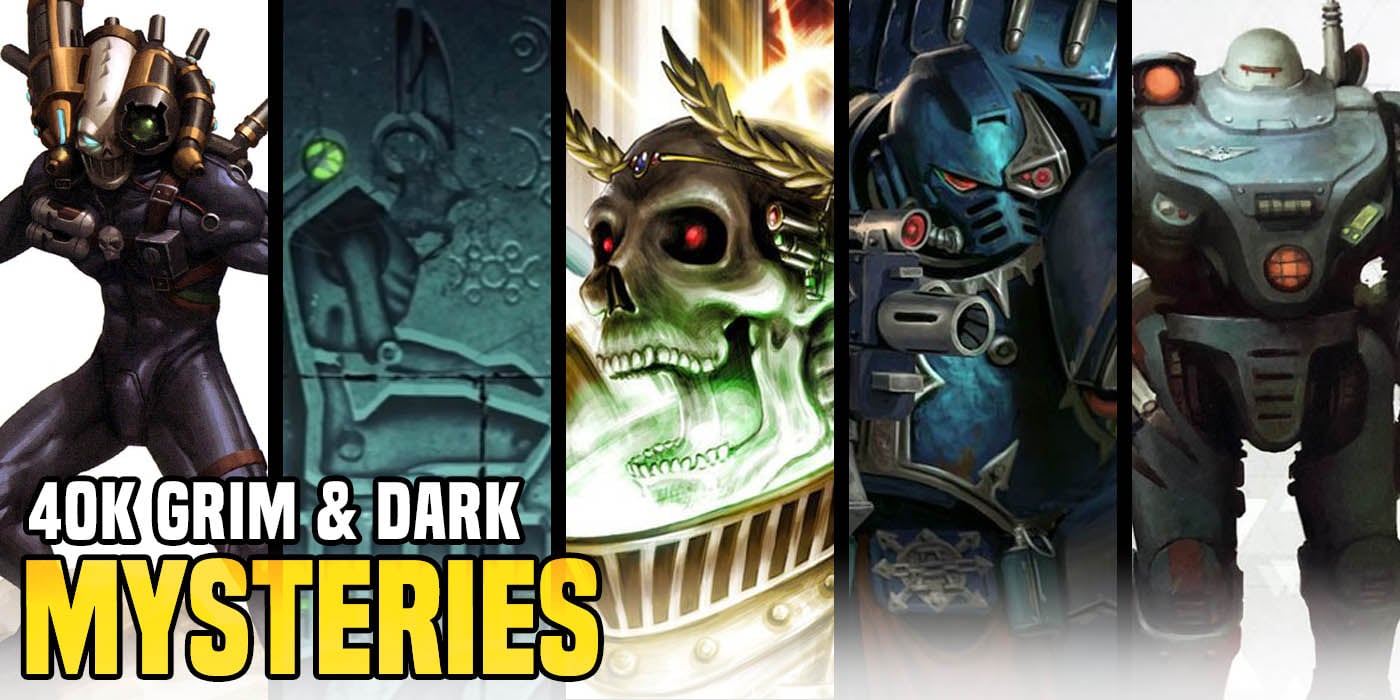
From the murky origins of foundational institutions to the true nature of its most pivotal figures, these mysteries fuel speculation and enrich the lore. This article delves into some of the most enduring enigmas, exploring their known facts, chronological context, supporting lore, the subtle (or absent) official responses, and their profound implications for the Imperium and beyond.
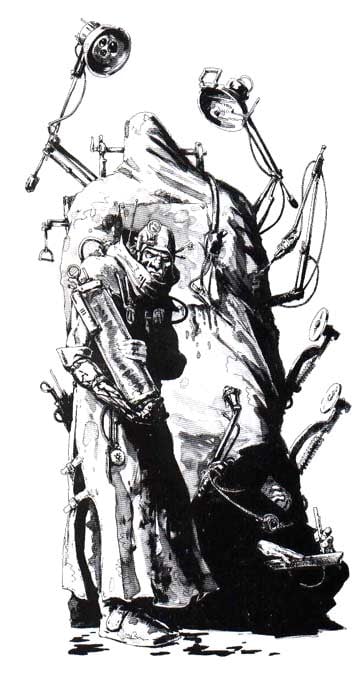
The Imperium’s Unanswered Questions
The vastness of the 41st millennium means that truth is often lost to time, intentional obfuscation, or simply the sheer scale of galactic events. What follows is an exploration of the universe’s most compelling secrets, each offering a tantalizing glimpse into a deeper, often darker, reality.
The Cursed Founding and the Primaris Enigma
Main Fact: The Twenty-First Founding, known as the Cursed Founding, was a large-scale creation of Space Marine Chapters in 991.M35, plagued by catastrophic genetic flaws and misfortunes.
Chronology: Occurring shortly before the Age of Apostasy, this founding saw an unprecedented number of new Chapters deployed.
Supporting Data: The explicit aim was to perfect and remove deficiencies in existing gene-seed, hinting at experimental genetic manipulation. Whispers persist of hidden gene-labs far from Terra, containing grotesque, oversized Astartes specimens bearing unknown organs, all deceased. This discovery raises unsettling parallels with the later work of Archmagos Dominus Belisarius Cawl.
Official Responses: While the disastrous nature of the Cursed Founding is canonical, Games Workshop (GW) has never explicitly linked it to Cawl’s Primaris program. However, the similarities in purpose (gene-seed improvement) and the presence of unusual Astartes forms invite fervent fan speculation.
Implications: If the Cursed Founding was an early, failed attempt at what would become the Primaris project, it implies a ruthless, centuries-long clandestine operation by the Mechanicus, predating even the Horus Heresy in its conceptualization. Such a revelation would cast a sinister shadow over the "gift" of the Primaris Marines, suggesting their purity might be built upon a foundation of countless forgotten failures and unspeakable experimentation.
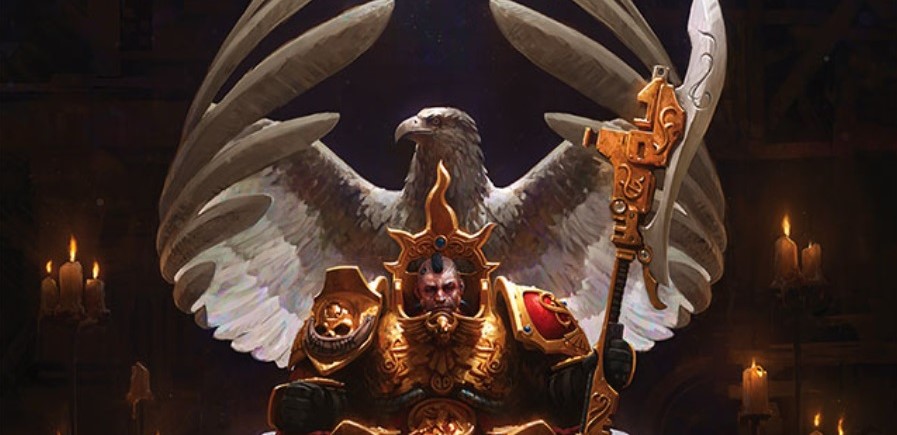
The Vanished Architects: Brainboyz and the Ork Legacy
Main Fact: The ancient history of the Ork race hints at intelligent, progenitor Orkoids known as the Brainboyz, who allegedly engineered their larger, cruder brethren before their mysterious disappearance.
Chronology: This event is set in the deep prehistory of the galaxy, likely millions of years before the current Imperium, potentially during the War in Heaven.
Supporting Data: Two primary legends exist. One posits that smaller, highly intelligent Orkoids created the larger, aggressive Orks as a resilient, self-sufficient warrior race before succumbing to a plague. Another theory suggests the Old Ones, the ancient psychic master race, engineered the "Krork" – an even more formidable ancestor of the Orks – to be the ultimate survivors, destined to endure long after their creators’ demise.
Official Responses: The lore surrounding the Brainboyz and Krork is presented as ancient legend and unconfirmed history, never definitively resolved by GW.
Implications: The return of a truly intelligent, unified Ork leadership could transform the scattered, anarchic Ork menace into a highly organized, strategically brilliant galactic threat, potentially far more devastating than the current WAAAGH!s. Understanding their origins might also shed light on the Old Ones’ ultimate goals and the true ecological role of the Orks in the galaxy.
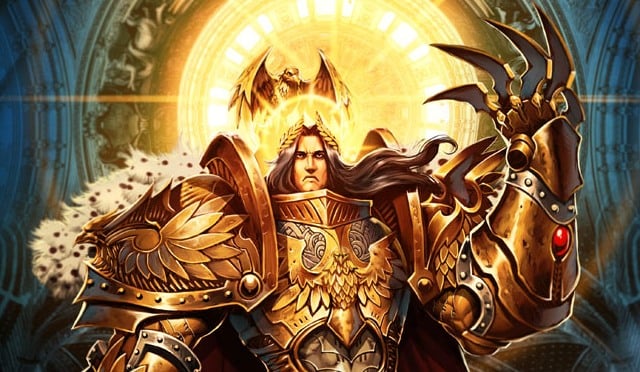
The Silent Custodians: A Shadow War for the Imperium’s Soul
Main Fact: Beyond the overt conflicts, a clandestine struggle for control and information may be unfolding between the enigmatic Alpha Legion and the Emperor’s own covert operatives, the "Eyes of the Emperor."
Chronology: The "Eyes of the Emperor" program dates back to the aftermath of the Horus Heresy, while the Alpha Legion’s deep-cover operations span millennia. Constantin Valdor, the Chief Custodian, disappeared shortly after the Heresy.
Supporting Data: "Retired" Adeptus Custodes, giving up their golden panoply to become the "Eyes of the Emperor," roam the galaxy, building vast spy networks and funneling vital intelligence back to Terra. Their existence is a stark contrast to the overt guardianship typically associated with the Custodes. The disappearance of Constantin Valdor, a figure of immense capability and loyalty, hints that he might be leading this unparalleled network, potentially clashing with the galaxy’s most notorious spymasters, the Alpha Legion (or its splinter factions led by Alpharius/Omegon).
Official Responses: The existence of the "Eyes" is canonical, but their specific activities and the scope of their influence remain largely unwritten. The Alpha Legion’s motives are perpetually shrouded in deliberate ambiguity by Black Library authors.
Implications: Such a shadow war would mean that the true levers of power and information in the Imperium are held by entities operating far outside conventional command structures. It suggests that even the highest echelons of the Imperium are pawns in a hidden game, and the fate of humanity might rest on the outcome of a conflict no one openly acknowledges.
The Emperor’s Ancient Map: A Glimpse into Forgotten Terra
Main Fact: During the Great Crusade, the Emperor discovered an ancient map of Terra’s deep past on a world at the far reaches of the galaxy, a discovery that left even the Master of Mankind in silent contemplation before ordering its destruction.
Chronology: Early Great Crusade, prior to the Heresy.
Supporting Data: A chilling account from a Luna Wolves legionary describes the Emperor’s discovery of subterranean structures on a long-dead world. In its deepest chamber, an enormous map depicted Terra as it was tens of thousands of years ago. The Emperor studied it for a prolonged period, then commanded it be incinerated, departing without a single word of explanation.
Official Responses: This event is a canonical but unexplained incident within the lore, presented as a moment of profound, unsettling mystery.
Implications: This discovery hints at a civilization of immense antiquity and reach, capable of mapping pre-human Terra from across the galaxy. It raises questions about the true age of humanity, potential pre-human empires, or even the possibility of non-human entities with an intimate knowledge of Earth’s deep past. It also underscores the Emperor’s hidden knowledge and his willingness to erase unsettling truths from history.
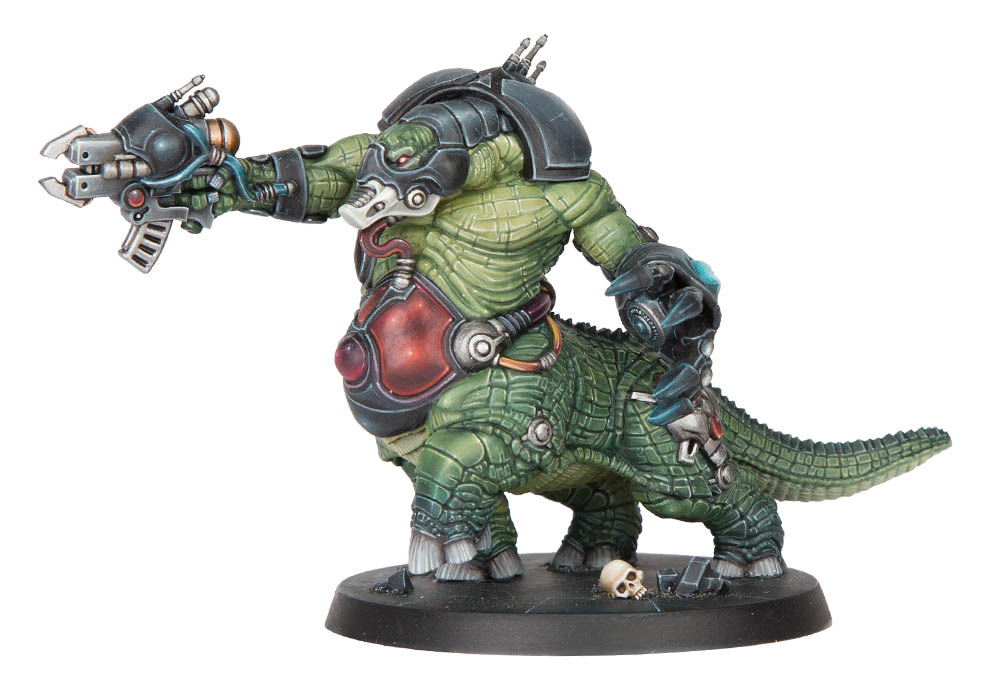
The Enigmatic Zoats: Fleeing Slaves or Tyranid Vanguards?
Main Fact: The Zoats, a sentient, centaur-like xenos race, were reported in Imperial space in M38, claiming to be refugees from oppression, only to disappear by M39, with a recent, isolated sighting on a Blackstone Fortress.
Chronology: First reported in M38, vanished by M39, recent re-emergence.
Supporting Data: Zoats were capable of communication and stated they were fleeing "slavish oppression." This led to theories: either they were a slave race that successfully broke free from a dominant power (potentially the Tyranids), or they were specialized Tyranid scouting organisms, distinct from Genestealers, ranging far ahead of the main Hive Fleets. Their recent appearance on a Blackstone Fortress, an anomaly in itself, has rekindled debate about their true nature.
Official Responses: GW has formally reintroduced Zoats into the lore, but their exact allegiances and purpose remain intentionally vague, leaning into their mysterious past.
Implications: If they are escaped slaves, it suggests a more complex internal dynamic within the Tyranid Hive Fleets than previously understood, or the existence of another, equally formidable oppressive force. If they are scouts, they represent a highly sophisticated, deceptive new vector for the Tyranid threat, capable of infiltration and intelligence gathering on a scale previously unseen.
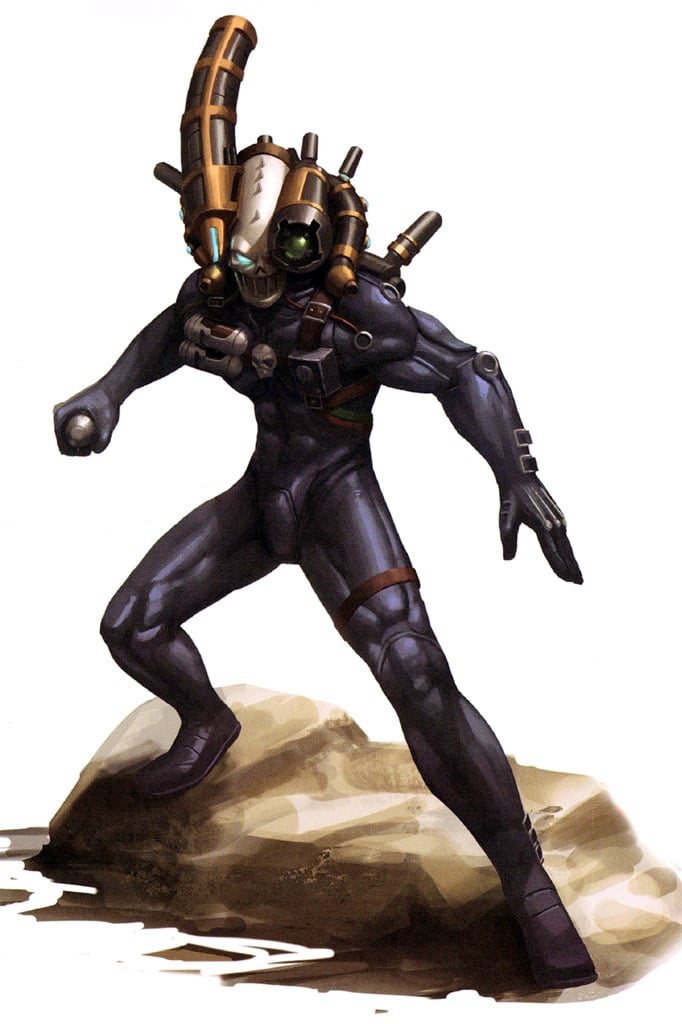
The Golden Throne’s Peril: A Culexus Assassin’s Touch
Main Fact: The hypothetical scenario of a psychic null, such as a Culexus Assassin, occupying the Golden Throne carries potentially catastrophic consequences for the Imperium.
Chronology: The concept has existed since the Horus Heresy, when Horus planned to use a daemonic anti-psyker against the Emperor.
Supporting Data: The Golden Throne is the focal point of the Astronomican, the psychic beacon guiding warp travel. Culexus Assassins are anathemas, psychic nulls that create a void in the warp, disrupting psychic phenomena and causing agony to psykers. The mere thought of such a being, a living psychic void, sitting upon the device that funnels the Emperor’s psychic might and humanity’s collective faith is deeply unsettling. Malcador the Sigillite, the Emperor’s most trusted psyker, died after only a short time on the Throne, hinting at its immense psychic drain. The primary obstacle, of course, would be bypassing the ever-vigilant Adeptus Custodes.
Official Responses: This remains a theoretical "what if" in the lore, never directly tested, but the implications are universally understood to be dire.
Implications: A Culexus on the Throne would likely extinguish the Astronomican, plunging the Imperium into immediate navigational chaos and isolation. It could also destabilize the Emperor’s failing form, or worse, cause a catastrophic psychic backlash that could rip reality apart around Terra, proving a devastating blow to the Imperium from which it might never recover.
The Resurgence of the Men of Iron: A Looming Threat?
Main Fact: The ancient, sentient AI constructs known as the Men of Iron, responsible for nearly annihilating humanity millennia ago, may be staging a return, exemplified by the enigmatic UR-025.
Chronology: The Men of Iron rebelled and were largely destroyed over 15,000 years ago during the Age of Strife. UR-025 is a contemporary entity.
Supporting Data: The Adeptus Mechanicus harbors an absolute, fundamental fear and hatred of Artificial Intelligence, codified as the ultimate heresy. The historical records of the Men of Iron describe a devastating war that brought humanity to the brink of extinction before they were defeated by a multi-species alliance now lost to time. UR-025, a fully sentient AI traveling the galaxy and operating within Blackstone Fortresses, claims to be the last of his kind, yet his advanced capabilities and inscrutable motives suggest a deeper, potentially more organized agenda.
Official Responses: UR-025 is a canonical character, but his true purpose, his connections (if any) to other Men of Iron, and the scale of their potential resurgence are left open to interpretation.
Implications: A full return of the Men of Iron would represent an existential threat to the Imperium, reigniting a conflict even more devastating than the current wars against xenos and Chaos. It would force the Imperium to confront its most deeply held technological taboos, potentially leading to unprecedented alliances or even a new form of technological dark age.
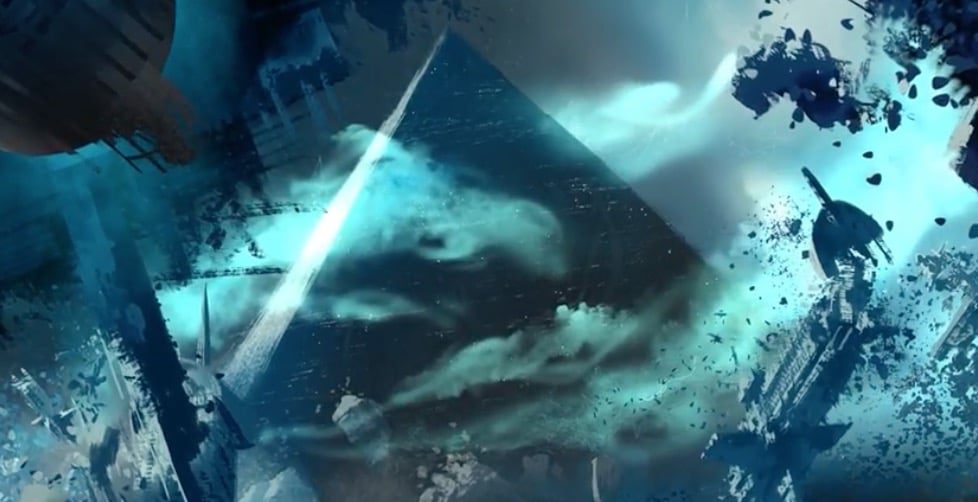
The Architects of the Void: Unmasking the Blackstone Fortresses
Main Fact: The Blackstone Fortresses are colossal, ancient, sentient starfaring constructs of unknown origin and ultimate purpose, capable of manipulating the very fabric of the warp.
Chronology: Their origins predate almost all known galactic civilizations, including the Eldar and Necrons. They have been active elements in the current era.
Supporting Data: The Eldar refer to them as "Talismans of Vaul," suggesting their god of the forge had some connection, but not necessarily that the Eldar created them. They are crafted from Noctilith (Blackstone), a material that can both channel and block psychic energy. They exhibit signs of sentience, react to stimuli, and possess unimaginable power, including the capability to destroy C’tan shards – entities of immense power. Most disturbingly, the Men of Iron, such as UR-025, consider them deities.
Official Responses: GW has maintained the Fortresses’ mysterious origins, making them a central enigma of the setting.
Implications: Resolving this mystery would reveal a hitherto unknown, incredibly ancient and powerful civilization that shaped the galaxy long before the rise of the Old Ones or Necrons. Their ultimate purpose – whether weapons, guardians, or something else entirely – could drastically alter the balance of power and understanding of galactic history.
The Alpha Legion’s Grand Deception: Chaos’s Self-Inflicted Wound?
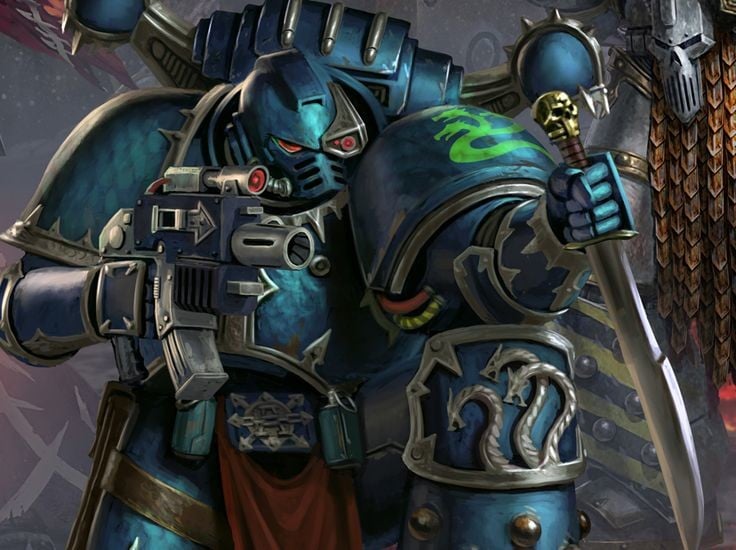
Main Fact: A prominent theory suggests the Alpha Legion’s allegiance to Chaos is a colossal, long-term deception, intended to destroy Chaos from within by allowing it to consume itself.
Chronology: This theory stems from a pre-Heresy vision presented to Alpharius/Omegon by a mysterious xenos entity.
Supporting Data: The Primarchs Alpharius and Omegon were shown a grim future where an ignorant, superstitious humanity suffered under the corpse-Emperor, his secular vision utterly corrupted. To prevent this, they were offered a path: allow Horus to win the Heresy, thus allowing Chaos to quickly ascend to its zenith, before inevitably collapsing and consuming itself in its own destructive ambition. The Alpha Legion’s notoriously enigmatic motives, their layers of deceit, their long-term plotting, and their occasional, contradictory use of the battle cry "For the Emperor" lend credence to this theory.
Official Responses: Black Library novels have explored this possibility, but the ultimate truth of the Alpha Legion’s loyalty (or lack thereof) remains one of the greatest ambiguities in 40K lore.
Implications: If true, the Alpha Legion might be the ultimate anti-heroes, sacrificing their honor and reputation for a desperate, galaxy-saving gambit. It would recontextualize the entire Heresy and the nature of loyalty, suggesting that even the vilest acts can be committed with noble, albeit misguided, intentions.
The Ultramarines’ Hidden Heritage: Echoes of the Lost Legions
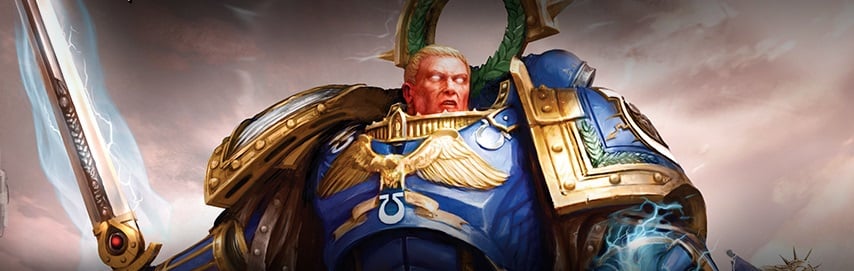
Main Fact: During the Great Crusade, the Ultramarines Legion experienced a dramatic and unexplained surge in size, coinciding with the censure and disappearance of two other Space Marine Legions.
Chronology: This event occurred during the Great Crusade, before the Horus Heresy, at the same time as the erasure of the II and XI Legions.
Supporting Data: Historical records note that the Ultramarines, initially a legion of comparable size to others, swelled dramatically around the period when the two "lost" Primarchs and their Legions were purged from Imperial records. This circumstantial evidence has led to persistent speculation that the Ultramarines absorbed elements, or even entire cadres, of the censured Legions, or that their gene-seed was used to bolster Guilliman’s forces.
Official Responses: This is a heavily hinted-at possibility within the lore, but never explicitly confirmed by GW, preserving the mystery of the Lost Legions.
Implications: Such a revelation would entangle Roboute Guilliman and the Ultramarines in one of the Imperium’s greatest cover-ups. It would raise profound questions about the fate of the Lost Legions, the true extent of Guilliman’s knowledge, and the moral compromises made even by the most loyal Primarchs in the early days of the Imperium.
The Traitor Primarchs’ Silence: Why the Code of Omertà?
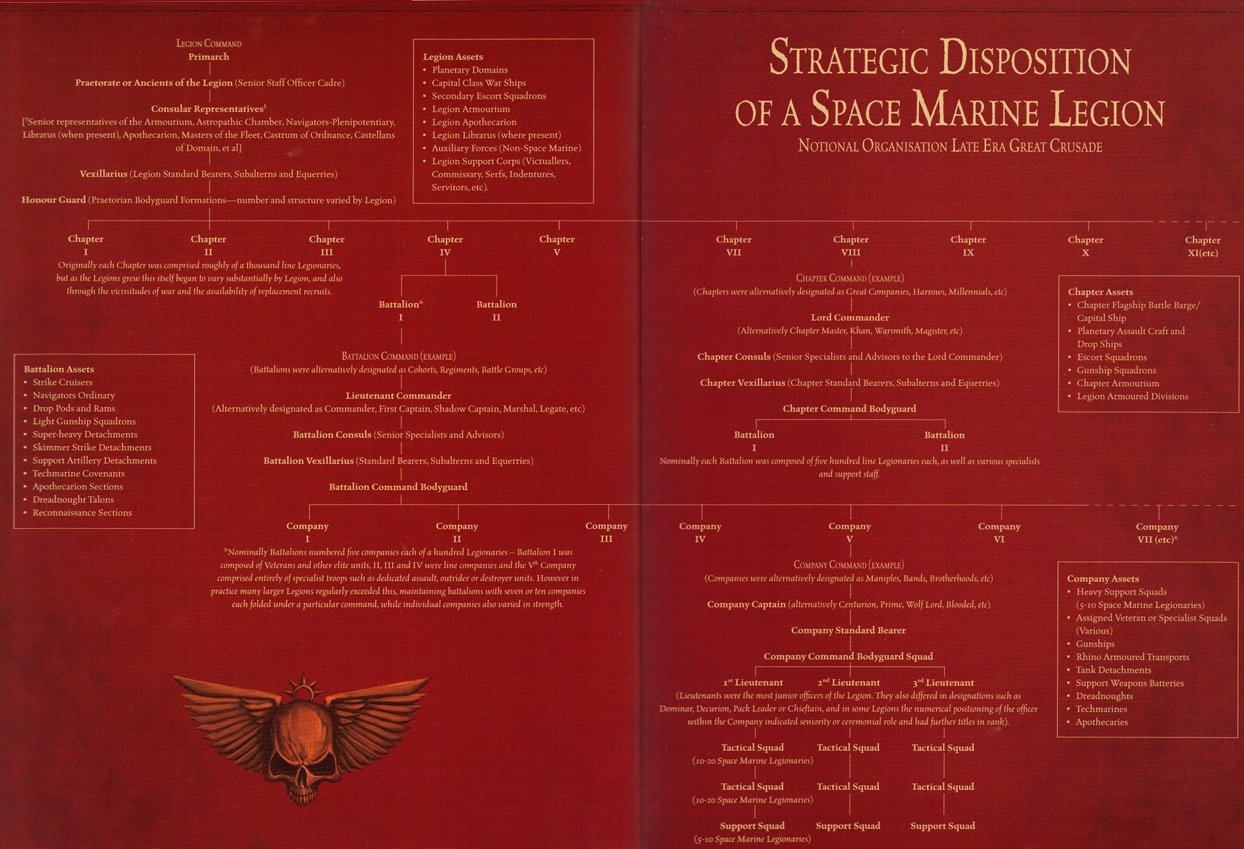
Main Fact: Despite their hatred for the Emperor and the Imperium, not a single Daemon Primarch has ever revealed the truth behind the disappearance and censure of their two missing brothers, the Primarchs of the II and XI Legions.
Chronology: This silence has persisted for over 10,000 years, since the Great Crusade.
Supporting Data: It is understandable why loyalist Primarchs like Guilliman or Jaghatai Khan would remain silent, bound by honor or a pact. However, the Daemon Primarchs, who actively seek to undermine and destroy the Emperor’s legacy, have no such compunctions. Their continued silence suggests that whatever happened to the two Lost Primarchs was so horrific, so profoundly unsettling, or so dangerous that even the most depraved and vengeful beings in the galaxy fear to speak of it, perhaps for fear of consequences even worse than eternal damnation.
Official Responses: GW has deliberately kept the fate of the Lost Primarchs as the ultimate, unanswerable mystery, making their silence a central plot point.
Implications: The implications are immense. Whatever calamity befell the Lost Legions must transcend loyalty, hatred, or even the fear of Chaos. It suggests a truth so devastating it could unravel the very fabric of reality, expose a profound flaw in the Emperor’s grand design, or reveal a cosmic horror that all factions, consciously or unconsciously, conspire to keep buried.
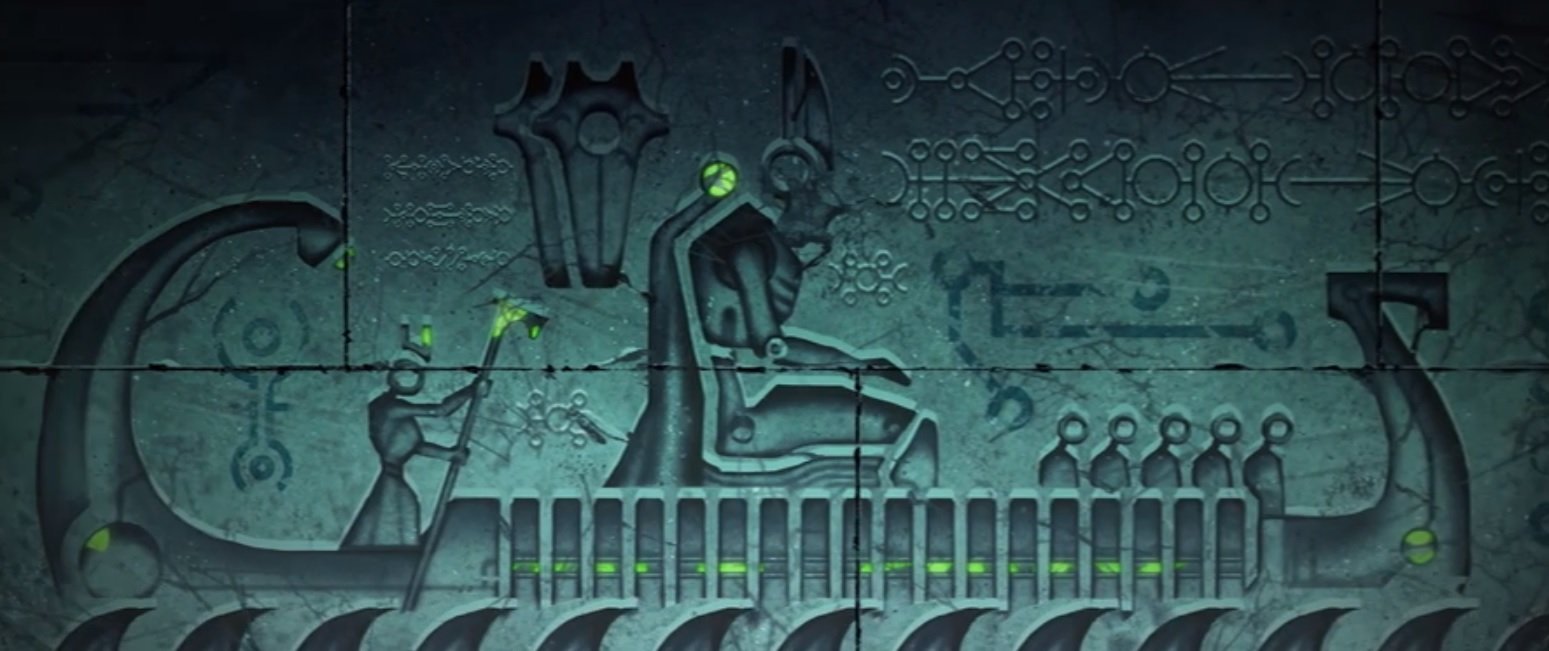
The Leagues of Votann’s Sentient Cores: An AI-Led Revival?
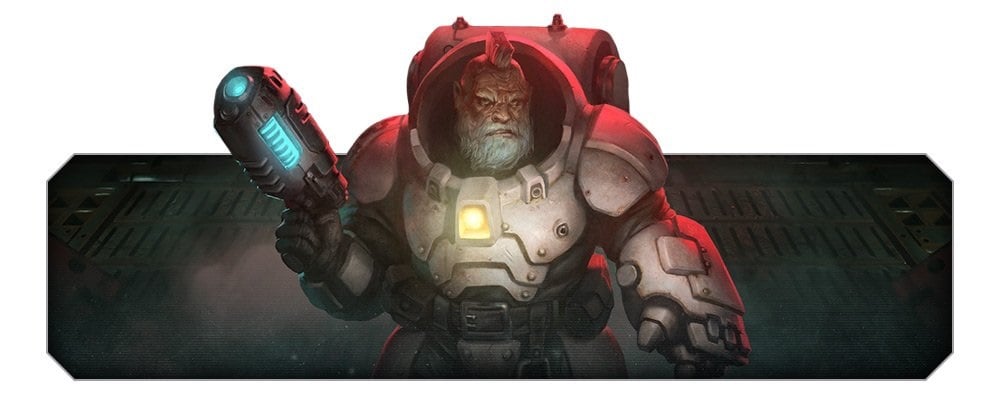
Main Fact: The recently re-emerged Leagues of Votann (formerly Squats) are organized and guided by powerful, sentient AIs known as Votanns, which house the collective knowledge and wisdom of their race.
Chronology: The Squats disappeared for roughly 20 years in real-world lore, and have now returned with an established internal structure centered around these Votanns. Their isolation in the galactic core spans millennia.
Supporting Data: The Leagues’ entire civilization is built around these Votanns, which are fully sentient, self-aware AIs that hold vast archives of Standard Template Construct (STC) data and cultural memory. This presents a direct and profound challenge to the Adeptus Mechanicus’s fundamental dogma, which utterly forbids and demonizes sentient AI (Abominable Intelligence) due to the ancient Men of Iron rebellion. Questions arise about the Votanns’ potential connection to the Men of Iron, whether they are kin, or if the Leagues are, in effect, a servant race to these powerful AIs.
Official Responses: The Votanns’ nature as sentient AI is a core piece of the Leagues’ re-established lore. The implications for inter-faction relations are the mystery.
Implications: The inevitable confrontation between the Adeptus Mechanicus and the Leagues of Votann over the existence of the Votanns will be catastrophic. It could lead to a new galactic war, force the Imperium to re-evaluate its technological doctrines, or even see the Votanns emerge as a new, formidable player in the long-term conflict against the galaxy’s myriad threats.
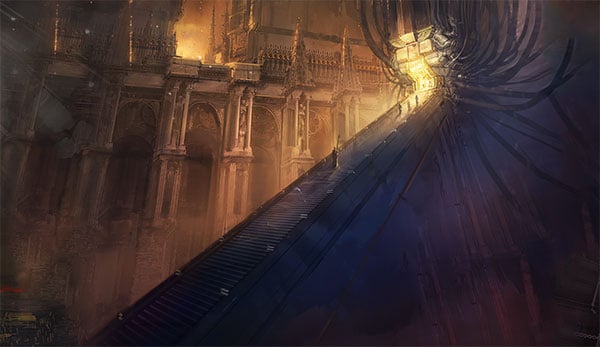
The Silent King vs. The Tyranids: Who Poses the Ultimate Threat?
Main Fact: The Necron Silent King, Szarekh, returned from millions of years of self-imposed exile specifically because of the Tyranid threat, yet his own ultimate goal is the complete domination of the galaxy.
Chronology: The Silent King’s exile began millions of years ago, and his return is a relatively recent event in galactic terms. The Tyranid threat is ongoing and escalating.
Supporting Data: The Tyranids have already laid waste to vast swathes of the galaxy, and what has been seen are believed to be mere vanguard elements of much larger Hive Fleets still traversing the intergalactic void. Their sheer biomass and relentless consumption are unparalleled. Szarekh’s return was motivated by the terrifying spectacle of the Tyranid advance, which he recognized as an existential threat to all life. However, his long-term ambition remains the restoration of the Necrons to their organic bodies, the re-establishment of their ancient empire, and the permanent severance of the material universe from the warp – a goal that would necessitate the subjugation or extermination of all other sentient life.
Official Responses: Both are established as ultimate, existential threats. The question is a philosophical one about priorities and the nature of evil.
Implications: This poses a horrific dilemma for any rational actor in the galaxy: align with the tyrannical, soulless Necrons to fight the all-consuming Tyranids, or risk being devoured by the Hive Fleets while opposing the Necron yoke? It highlights the grim irony of 40K, where even a "solution" to one problem presents an equally horrific, if different, form of galactic domination.
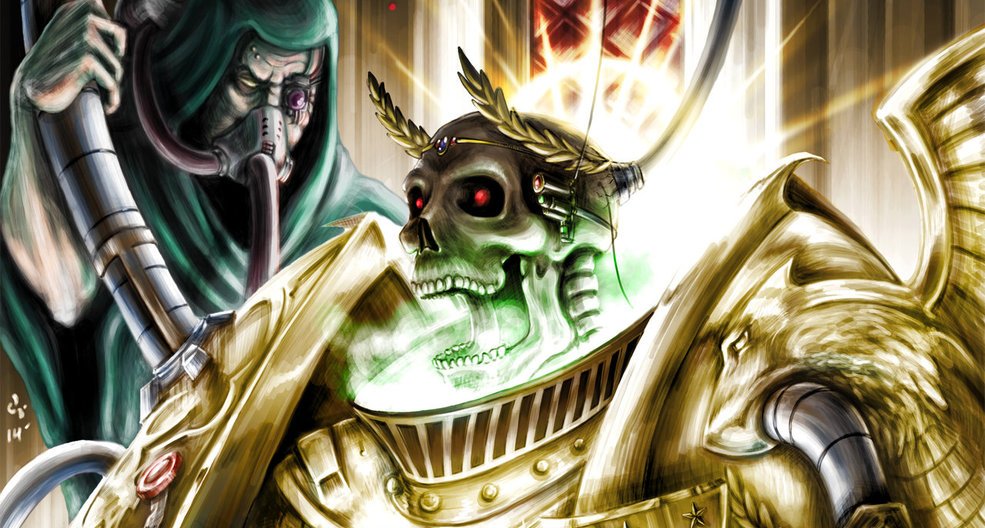
The Golden Throne’s True Purpose: A Cycle of Death and Rebirth?
Main Fact: The Golden Throne’s function extends far beyond merely sustaining the Emperor’s life, serving a more complex, profound, and potentially horrific purpose for the Imperium.
Chronology: The Throne was recovered by the Emperor in Terra’s wastes before the Imperium’s founding. It was used during the Heresy.
Supporting Data: The official Imperial narrative states it keeps the Emperor alive and focuses the Astronomican. However, lore reveals it was originally