The Dream Demon Returns: Paramount’s Radical Strategy for the ‘A Nightmare on Elm Street’ Reboot
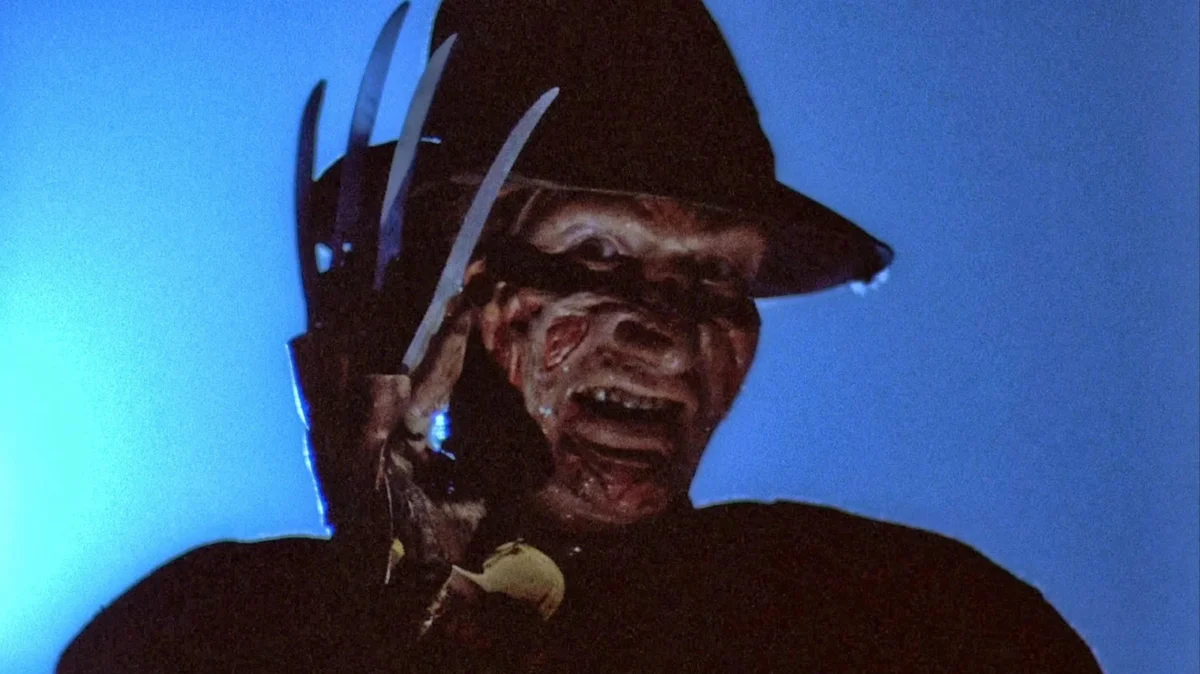
The landscape of modern horror is about to undergo a seismic shift as Paramount Pictures officially moves forward with a reboot of the seminal slasher franchise, A Nightmare on Elm Street. After years of legal entanglements and a decade-and-a-half of dormancy following the lukewarm reception of the 2010 remake, the "bastard son of a hundred maniacs" is poised to haunt a new generation of cinemagoers.
However, as the industry looks toward this revival, a radical new proposition has emerged regarding the creative direction of the project. Industry insiders and critics are increasingly pointing toward an unconventional pairing to lead the resurrection: comedic savant Tim Robinson in the role of Freddy Krueger, under the direction of surrealist visionary Casper Kelly. This potential shift signals a departure from traditional slasher tropes in favor of a "gonzo" psychological approach designed to restore the genuine terror that defined Wes Craven’s original 1984 masterpiece.
Main Facts: The Resurrection of Freddy Krueger
The announcement that Paramount is spearheading the reboot comes via its newly minted "Paramount Primal" label. This division, dedicated to high-concept, boundary-pushing horror, is headed by the production duo of J.D. Lifshitz and Raphael Margules. The pair has already established a reputation for disruptive horror, having produced the 2022 breakout hit Barbarian and the upcoming black comedy Friendship.
The core challenge facing the reboot is the character of Freddy Krueger himself. Unlike silent, masked killers like Michael Myers or Jason Voorhees, Krueger is defined by his personality—a sadistic, wisecracking predator who weaponizes the subconscious. While Robert Englund’s portrayal remains the gold standard, the 2010 attempt with Jackie Earle Haley proved that a grim, literalist interpretation of the character fails to resonate with modern audiences.
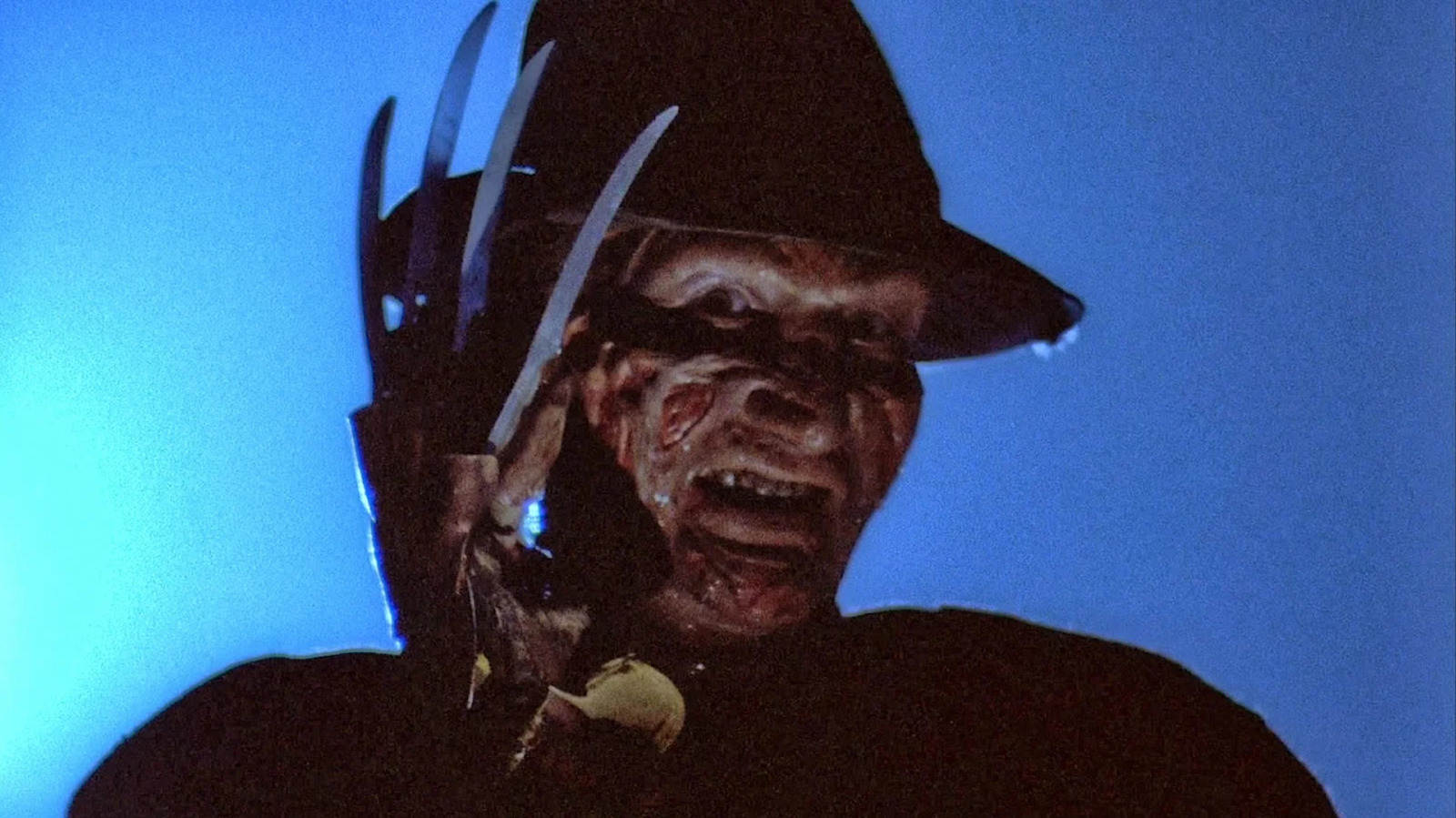
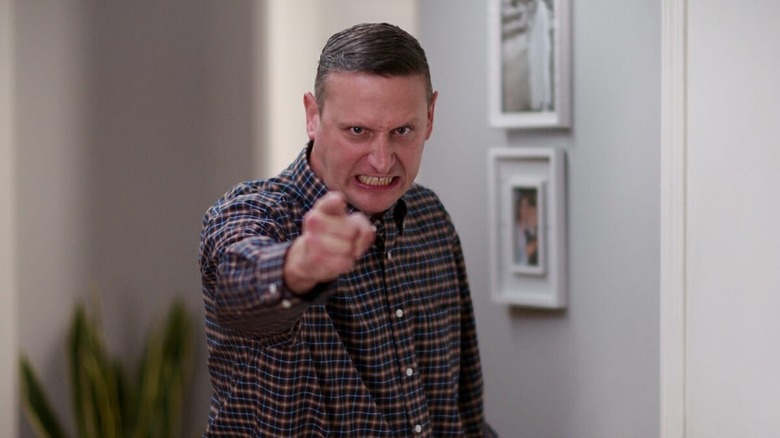
The current strategy involves leaning into the "dream logic" of the franchise. Paramount Primal is reportedly seeking a creative team that can navigate the thin line between the absurd and the horrific. This has led to the burgeoning movement to cast Tim Robinson, the creator and star of Netflix’s I Think You Should Leave. While Robinson is primarily known for comedy, his specific brand of "cringe" performance—characterized by explosive rage, social alienation, and a terrifyingly fragile ego—is seen by many as the perfect foundation for a contemporary Freddy Krueger.
Chronology: A Franchise in Limbo (1984–2026)
To understand the weight of this reboot, one must examine the 42-year history of the Elm Street legacy:
- 1984: Wes Craven releases A Nightmare on Elm Street. Produced by New Line Cinema (famously known as "The House That Freddy Built"), the film introduces the concept of a killer who attacks in dreams.
- 1985–1989: The franchise enters its "Golden Age." Freddy Krueger becomes a pop-culture icon, moving away from pure horror toward dark comedy. By The Dream Child (1989), critics argue the character has lost his edge.
- 1994: Wes Craven returns for New Nightmare. This meta-commentary on the horror genre portrays Freddy as a primordial entity trapped in a film franchise. It is widely considered the last "scary" entry in the series.
- 2003: Freddy vs. Jason marks the final appearance of Robert Englund in a feature-length film as the character, ending the original continuity.
- 2010: Platinum Dunes produces a remake starring Jackie Earle Haley. Despite a strong opening weekend, the film is panned for its lack of imagination and over-reliance on jump scares. The franchise enters a 16-year hiatus.
- 2019: The domestic rights to the Nightmare on Elm Street franchise revert to the Wes Craven estate. The estate begins taking pitches for new feature films and potential television series.
- 2024–2025: Paramount Pictures secures a deal with the Craven estate, placing the project under the Paramount Primal banner.
- 2026: Scheduled release of Casper Kelly’s Buddy, a film that serves as a litmus test for the "analog horror" style Paramount hopes to bring to the Elm Street reboot.
Supporting Data: The Case for a "Gonzo" Reboot
The argument for Tim Robinson and Casper Kelly is rooted in the shifting preferences of horror audiences. Data from the last five years of horror releases suggests that "elevated" or "weird" horror—films that subvert expectations and utilize surrealism—outperform traditional slasher reboots.
The Robinson Factor: Weaponized Discomfort
Tim Robinson’s performance style is built on the "Uncanny Valley" of human behavior. In I Think You Should Leave, Robinson often plays characters who refuse to acknowledge social norms, escalating minor misunderstandings into screaming matches.
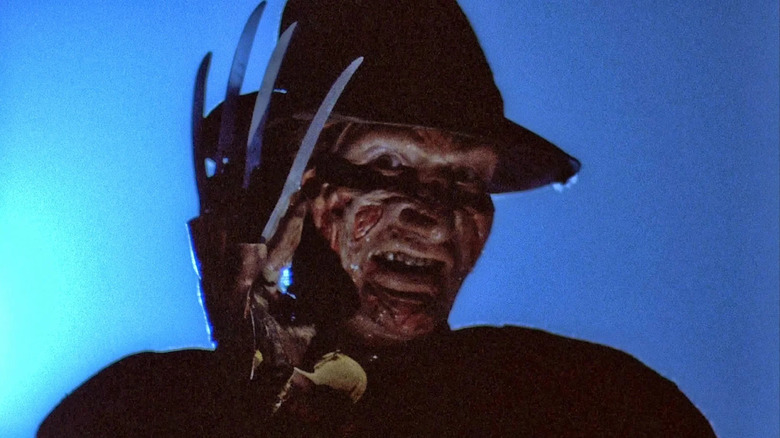
- Psychological Volatility: Krueger’s power comes from his unpredictability. Robinson’s ability to pivot from a whimpering, "ordinary guy" facade to a manic, predatory state mirrors the psychological warfare Krueger wage on his victims.
- Physicality: Robinson possesses a high-energy, almost rubber-faced physical presence that could translate effectively through the heavy prosthetic makeup required for the role.
The Kelly Factor: Mastering Dream Logic
Casper Kelly, the mind behind the viral sensation Too Many Cooks and the Adult Swim Yule Log (also known as The Fireplace), is a master of the "long-form nightmare."
- Subversion of Reality: Kelly’s work often begins as something familiar (a sitcom intro, a holiday yule log) before slowly curdling into a surrealist horror. This "slow-burn" descent is exactly what the Elm Street franchise needs to move away from the predictable "jump-scare" rhythm of the 2010 remake.
- The "Analog Horror" Trend: With the rise of internet aesthetics like "The Backrooms," there is a renewed interest in horror that feels "off" or "wrong" rather than just violent. Kelly’s aesthetic aligns perfectly with this cultural zeitgeist.
Official Responses and Industry Sentiment
While Paramount has not officially confirmed the casting of Robinson, the connection between the actor and the producers is a matter of public record. J.D. Lifshitz and Raphael Margules recently collaborated with Robinson on the film Friendship, suggesting a strong working relationship.
When asked about the future of the franchise in a recent interview, Robert Englund—now 77—reiterated his retirement from the physical role. "I’m too old to be donning the sweater and the claw," Englund stated. "But I’m excited to see what a fresh pair of eyes can do. Freddy belongs to the nightmares of the youth, not the nostalgia of the old."
Representatives for the Wes Craven estate have emphasized that any new iteration must honor the "darker roots" of the character. "Wes always intended for Freddy to be a terrifying manifestation of guilt and secrets," a spokesperson for the estate noted. "We are looking for a vision that isn’t afraid to be experimental."
The horror community remains divided. Purists argue that casting a "comedy actor" risks turning the franchise back into the campy territory of the late 1980s. However, proponents of the "Robinson-Krueger" theory point to the success of actors like Jordan Peele (as a director) and Bill Skarsgård (as Pennywise) as evidence that those with a background in comedy and physical transformation often make the most effective horror icons.
Implications: The Future of the Slasher Genre
The success or failure of the A Nightmare on Elm Street reboot will have significant implications for the "Big Three" of slasher cinema. Currently, Friday the 13th remains mired in complex legal battles between screenwriter Victor Miller and director Sean S. Cunningham, while the Halloween franchise is in a cooling-off period following the divisive Halloween Ends.
If Paramount succeeds with a Tim Robinson-led, Casper Kelly-directed reboot, it could provide a blueprint for how to handle legacy IP in the 21st century:
- Prioritizing Tone over Continuity: Rather than trying to bridge the gap with the original films (as Scream and Halloween did), Paramount appears to be aiming for a "spiritual reimagining."
- The Death of the "Safe" Reboot: The failure of the 2010 remake proved that audiences do not want a shot-for-shot recreation with better CGI. A "weird" reboot suggests that studios are finally willing to take risks on auteur-driven horror.
- Genre Blending: By hiring a comedic lead and a surrealist director, Paramount is acknowledging that the lines between horror, comedy, and the avant-garde are increasingly blurred for modern viewers.
In the age of "Analog Horror" and "Creepypastas," Freddy Krueger has a chance to be more than a movie monster; he has the potential to become a manifestation of the modern world’s collective anxieties. Whether Paramount has the courage to follow through on this "big swing" remains to be seen, but one thing is certain: the children of Elm Street are finally waking up, and the nightmare they face will be unlike anything they—or the audience—have seen before.