"The Ninth Jedi" Returns: A New Dawn for Star Wars Animation Explores the Far Reaches of the Galaxy
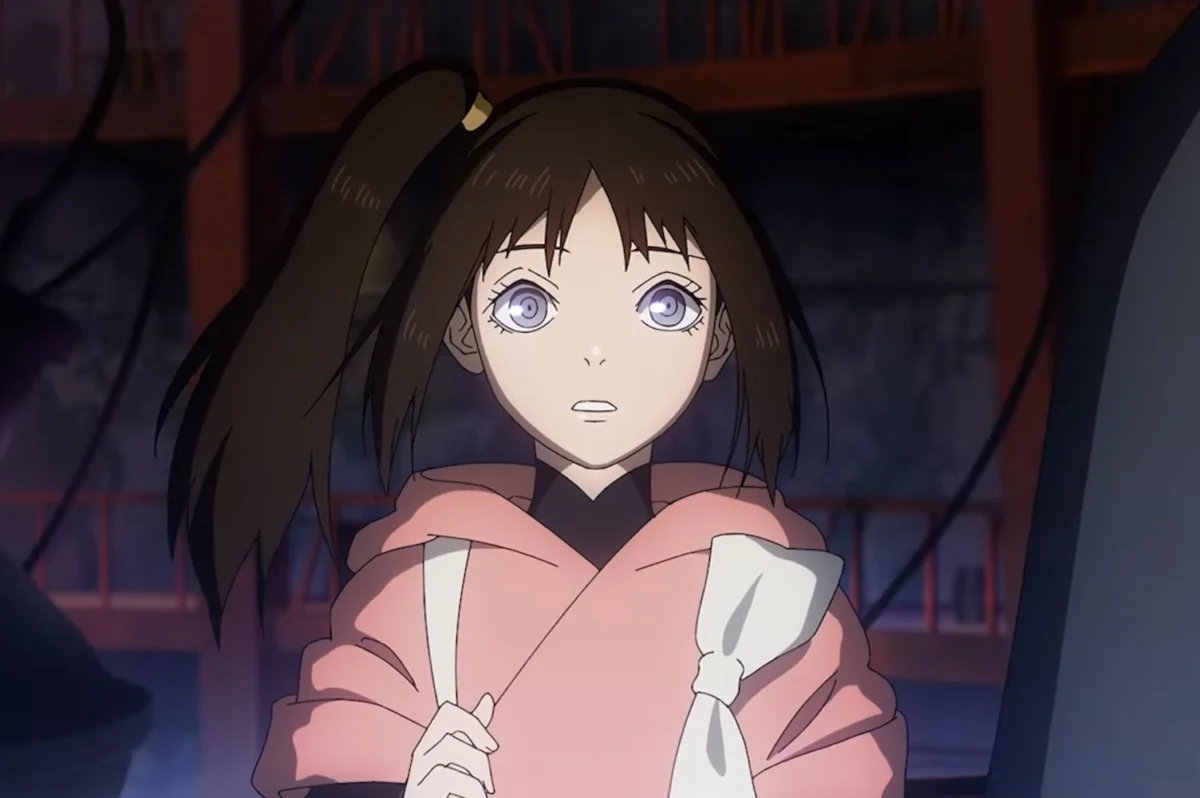
A fan-favorite narrative from the critically acclaimed Star Wars: Visions anthology is set to transcend its original short-form origins, evolving into a full-fledged animated series. Star Wars: Visions Presents—The Ninth Jedi will pick up the compelling saga of Lah Kara, the determined daughter of a legendary sabersmith, whose quest to rescue her father and reignite the dormant light of the Jedi Order captivated audiences worldwide. Set in a distant future where both the Jedi and the Sith have faded into myth, this ambitious new series promises to redefine familiar Star Wars tenets, notably through a unique take on the iconic lightsaber, and offers a fresh, culturally rich perspective on the enduring struggle between light and shadow.
Main Facts: A Quest Reimagined in a Galaxy Far, Far Future
The upcoming animated series, titled Star Wars: Visions Presents—The Ninth Jedi, is a direct continuation and expansion of the standout short film, "The Ninth Jedi," from the inaugural volume of Star Wars: Visions. This initial short, produced by Production I.G., introduced viewers to Lah Kara, a young woman thrust into an epic struggle following the abduction of her father, a renowned sabersmith. Her father’s unique ability to craft lightsabers, an art largely lost in their era, becomes central to a desperate call for surviving Jedi to gather.
Lah Kara’s arduous journey unfolds in a period far removed from the familiar Skywalker Saga, a future where both the revered Jedi Order and their sworn enemies, the Sith, have vanished, leaving a void in the cosmic balance of the Force. As revealed in the series’ intriguing trailer, a pivotal element of this narrative revolves around the distinct behavior of her father’s lightsabers: they possess the extraordinary ability to dynamically alter their blade color, mirroring the emotional and spiritual alignment of their wielder’s heart. This departure from traditional kyber crystal lore presents a fascinating new layer of character insight and moral complexity.
The series will continue Lah Kara’s perilous search for her father, navigating a galaxy fraught with dangers, including relentless Jedi hunters and other formidable adversaries. Guiding her on this treacherous path is Jedi Master Margrave Juro, whose own mysterious past and profound understanding of the Force will be crucial to Kara’s development.
At the helm of this expanded narrative are director Shunsuke Tada and writer Mitsuyasu Sakai, the creative talents behind the original short. The series will be available with both its original Japanese language track and an English dubbed version, catering to a global audience. The original Japanese voice cast features Chinatsu Akasaki as Lah Kara, Tetsuo Kanao as Juro, Hiromu Mineta as Ethan, Hinata Tadokoro as Homen, Cho as Gramps, Shinichiro Miki as Lah Zhima, and Akio Otsuka as The Narrator. The English dub brings together a talented ensemble including Kimiko Glenn (Lah Kara), Andrew Kishino (Juro), Masi Oka (Ethan), Patrick Seitz (Homen), JP Karliak (Gramps), Simu Liu (Lah Zhima), Neil Kaplan (The Narrator), Feodor Chin (Gennoh), Young Mazino (Nawaam), Chase Sui Wonders (Tafflah), and Keone Young (Kwana).
Star Wars: Visions Presents—The Ninth Jedi is scheduled to premiere on Disney+ and Hulu on August 5th, promising to immerse viewers once again in a visually stunning and narratively profound chapter of the Star Wars universe.
Chronology: From Anthology Gem to Dedicated Saga
The genesis of The Ninth Jedi series lies within the groundbreaking Star Wars: Visions anthology. Launched in September 2021, Visions represented a bold departure for the Star Wars franchise, inviting seven renowned Japanese animation studios to craft nine original short films, each offering a unique, non-canonical interpretation of the Star Wars galaxy. The project celebrated the rich history of Japanese animation, a profound influence on George Lucas’s original vision for Star Wars, and allowed creators unparalleled artistic freedom to explore diverse narratives, characters, and visual styles.
"The Ninth Jedi," produced by Production I.G., quickly emerged as a fan favorite from Volume 1. Its compelling storyline, exquisite animation, and intriguing lore expansion garnered significant critical acclaim. The short film introduced the core premise: in an age where lightsabers are rare artifacts and the very existence of Jedi is doubted, a desperate call goes out for any remaining Force-sensitives to gather and reclaim their legacy. Lah Kara, carrying a lightsaber hilt crafted by her abducted father, answers this call.
The original short meticulously established the central conflict: Lah Kara’s father, a skilled sabersmith named Lah Zhima, is captured by cunning Jedi hunters. His unique talent for creating functional lightsabers in a time of scarcity makes him a valuable, albeit dangerous, asset. Lah Kara embarks on a quest not only to find him but also to deliver his newly forged lightsabers to the supposed surviving Jedi. This journey is fraught with deception, as she encounters various individuals claiming to be Jedi, some of whom prove to be dark side users or imposters, testing her perception and nascent connection to the Force.
The narrative arc within the original short, sometimes conceptually referred to as the "Child of Hope" phase by fans and perhaps even internally by the creators, focused on Lah Kara’s initial search, her training under the enigmatic Master Margrave Juro, and her confrontations with Sith and Jedi hunters. The climax of the short saw her, along with the genuine Jedi, engaging in a thrilling lightsaber battle, revealing the unique properties of her father’s blades and hinting at a much larger conflict.
The decision to elevate "The Ninth Jedi" from a standalone short to a dedicated series speaks volumes about its impact and potential. It marks a significant moment for Star Wars: Visions, as it becomes the first story from the anthology to receive a direct, narrative continuation outside of the anthology format. This transition allows director Shunsuke Tada and writer Mitsuyasu Sakai to delve deeper into the intricate lore they established, flesh out characters, and explore the vast implications of their "far future" setting without the time constraints of a short film. The new series promises to be a seamless, yet expansive, evolution of Lah Kara’s quest, offering an unprecedented look into an uncharted era of Star Wars history.
Supporting Data: Unpacking the Future and the Force
The rich tapestry of The Ninth Jedi draws strength from several key narrative and thematic elements, each contributing to its unique position within the Star Wars canon-adjacent universe.
The "Far Future" Setting: A Canvas for Innovation
The designation of The Ninth Jedi‘s setting as the "far future" of the Star Wars timeline is not merely a temporal indicator; it is a strategic narrative choice that unlocks immense creative potential. By positioning the story centuries, or perhaps even millennia, after the events of the Skywalker Saga, the creators are afforded a remarkable degree of freedom from established lore and continuity. This temporal distance allows for:
- A Clean Slate: The disappearance of both the Jedi and the Sith creates a philosophical and existential vacuum. This isn’t just a galaxy where the Jedi are few, but where the very concept of them, and their ancient adversaries, is largely forgotten or relegated to myth. This absence compels characters like Lah Kara to rediscover what it means to be a Force-wielder from first principles, rather than inheriting a rigid dogma.
- Reimagined Galaxy: What does a post-Jedi/Sith galaxy look like? Without the two dominant Force-user factions, new power structures, philosophies, and societal norms would inevitably arise. This offers the opportunity to explore novel political landscapes, emergent threats, and unique cultural developments that have not been possible in eras tightly bound by the Republic, Empire, or First Order.
- High Stakes of Rediscovery: The stakes for Lah Kara and Master Juro are profoundly high. They are not merely fighting for victory in a conflict; they are fighting for the very memory and redefinition of the Force’s practitioners. Their success could determine whether the Force-sensitive legacy is reborn or truly extinguished forever. This allows for a deeper exploration of themes like legacy, hope, and the cyclical nature of conflict.
The Lightsaber Mechanic: A Reflection of the Soul
Perhaps the most captivating innovation introduced by The Ninth Jedi is the dynamic lightsaber blade, whose color changes to reflect the wielder’s heart or emotional state. This concept profoundly enriches both the visual storytelling and the thematic depth:
- Beyond Kyber Crystals: Traditionally, lightsaber color in Star Wars is tied to the kyber crystal’s attunement to a Force-wielder, with blue and green for Jedi, and red for Sith (achieved through "bleeding" a kyber crystal with the dark side). The sabers in The Ninth Jedi bypass this, suggesting a more direct, immediate, and perhaps even organic connection between the wielder and the blade.
- Visualizing Inner Conflict: This mechanic offers an unparalleled visual metaphor for a character’s internal struggle. A lightsaber flickering between blue (calm, light side), purple (ambiguity, mastery of both light and dark), or even a nascent red (anger, dark side temptation) would provide instant, powerful insight into a character’s moral compass and emotional state during combat or moments of intense decision-making. For Lah Kara, a developing Force-user, this could be a constant, externalized challenge to her self-control.
- Redefining Morality in Combat: The lightsaber is no longer just a weapon; it’s an extension of the wielder’s soul. This could imply that a truly "pure" Jedi would maintain a consistent, stable blade color, while those struggling with inner demons might see their blades fluctuate wildly. It forces a deeper introspection and self-awareness upon its users, potentially making them more accountable for their emotional responses. It also raises questions: can one truly hide their intentions when their weapon broadcasts them?
- A Symbol of a New Era: This new lightsaber property perfectly complements the "far future" setting. It signifies a galaxy where the understanding of the Force, and its instruments, has evolved or diverged significantly from the ancient ways. It’s a testament to the creative freedom Visions provided, allowing for compelling reinventions of core Star Wars iconography.
The Legacy of Star Wars: Visions
The success and continuation of The Ninth Jedi are also deeply rooted in the broader impact of Star Wars: Visions. The anthology proved that audiences are eager for diverse interpretations of the Star Wars universe, particularly when handled by visionary international creators.
- Cultural Fusion: Visions showcased how Japanese animation, with its distinct storytelling traditions, character designs, and dynamic action sequences, could inject new life and artistic flair into the Star Wars narrative. "The Ninth Jedi" exemplifies this, with its fluid animation and dramatic pacing.
- Experimental Storytelling: By explicitly being non-canonical, Visions allowed creators to take risks, explore mature themes, and present radically different perspectives on the Force, Jedi, Sith, and the galaxy itself, without the burden of fitting into the sprawling main timeline. This freedom fostered genuine creativity.
- Showcasing Talent: The anthology provided a platform for studios and creators to demonstrate their unique talents, with Production I.G. (known for Ghost in the Shell, Psycho-Pass) delivering a visually stunning and narratively rich experience in "The Ninth Jedi" that clearly resonated enough to warrant its own series.
- Bridging Audiences: The availability of both original Japanese and high-quality English dubs further broadens the appeal, making the series accessible to animation enthusiasts and Star Wars fans globally, regardless of their preferred viewing experience. The inclusion of notable voice actors like Simu Liu in the English dub further elevates its profile.
These foundational elements ensure that The Ninth Jedi is not just another Star Wars story, but a significant exploration of its themes and possibilities, pushing the boundaries of what the galaxy far, far away can be.
Official Responses: Implicit Endorsement and Creative Vision
While Lucasfilm and Disney+ have not issued extensive formal statements specifically detailing the decision-making process behind greenlighting Star Wars: Visions Presents—The Ninth Jedi as a standalone series, the move itself serves as a powerful implicit endorsement of the original short’s quality and its potential.
The continuation of "The Ninth Jedi" is widely understood to stem from several key factors:
- Overwhelming Fan Reception: "The Ninth Jedi" consistently ranked as one of the most popular and critically praised shorts from Star Wars: Visions Volume 1. Its compelling protagonist, intriguing lore, and stunning action sequences resonated deeply with both long-time Star Wars enthusiasts and newcomers to the franchise. The decision to expand it into a series is a clear response to this positive audience feedback and demand for more of Lah Kara’s story.
- Artistic Merit and Creative Vision: The original short demonstrated a sophisticated understanding of Star Wars themes while introducing fresh ideas. Director Shunsuke Tada and writer Mitsuyasu Sakai crafted a narrative that felt both familiar and revolutionary. Lucasfilm’s decision to entrust them with an entire series underscores their confidence in the creative team’s ability to develop this vision further, exploring the nuances of their "far future" setting and the unique lightsaber mechanics.
- Commitment to Diverse Storytelling: The Visions initiative itself was a testament to Lucasfilm’s desire to diversify Star Wars storytelling, both aesthetically and thematically. Elevating one of its most successful shorts to a full series reinforces this commitment, demonstrating that experimental, culturally infused approaches can lead to successful, ongoing narratives within the broader Star Wars universe. It signals that Star Wars is not confined to a single storytelling style or chronological era.
- Strategic Expansion of Disney+ Content: In the highly competitive streaming landscape, original and compelling content is paramount. A Star Wars: Visions spin-off series, particularly one with such a strong foundation and fan interest, represents a valuable addition to Disney+’s exclusive offerings, appealing to both its established subscriber base and attracting new viewers interested in unique animation and rich sci-fi narratives.
While direct quotes from Lucasfilm executives or the creative team regarding the series’ greenlight are still anticipated, it is clear that "The Ninth Jedi" short successfully made a compelling case for its own expansion. The creators, Shunsuke Tada and Mitsuyasu Sakai, are now presented with an unparalleled opportunity to fully articulate their expansive vision for Lah Kara’s journey, delving into character backstories, developing complex antagonists, and weaving a grand narrative that truly explores the implications of a galaxy without its traditional Force factions. Their likely responses, once shared, will undoubtedly focus on the excitement of this expanded canvas and the responsibility of continuing a story that has already captured so many imaginations.
Implications: Charting a New Course for the Galaxy
The launch of Star Wars: Visions Presents—The Ninth Jedi carries significant implications for the future of the Star Wars franchise, the landscape of animated storytelling, and audience expectations.
For the Star Wars Franchise: Bridging Canon and Innovation
- Expanding the Lore: While Star Wars: Visions shorts are generally considered non-canonical, the decision to develop "The Ninth Jedi" into a full series blurs these lines. It suggests that highly successful, well-received narratives from Visions could potentially be integrated into a broader, looser "Legends"-like framework, or even influence future canonical developments, especially concerning the "far future" era. This opens the door for other Visions shorts to receive similar treatment, creating a new avenue for franchise expansion.
- Testing New Eras: The "far future" setting is a bold venture into uncharted territory for Star Wars. If The Ninth Jedi proves successful, it could pave the way for Lucasfilm to formally explore this distant era in other mediums—live-action, comics, or games—providing a fresh backdrop untouched by existing sagas and trilogies. This would allow for storytelling free from the constraints of the Skywalker legacy, offering truly novel conflicts and characters.
- Reimagining Core Concepts: The unique lightsaber mechanic is a prime example of how The Ninth Jedi can inspire future Star Wars creators. It demonstrates that fundamental elements of the universe can be reinterpreted in fresh, meaningful ways without undermining the essence of the franchise. This encourages a spirit of innovation across all Star Wars projects.
For Animation and Global Storytelling: A Model of Success
- Validation of International Animation: The success of Visions and the continuation of "The Ninth Jedi" serve as a powerful validation of the talent and storytelling prowess of international animation studios, particularly those in Japan. It highlights the value of cultural exchange in creative industries and encourages further collaborations between Western franchises and global animation powerhouses.
- High-Quality Dubbing: The presence of both original language and a star-studded English dub reinforces the commitment to reaching a diverse global audience. This approach sets a high standard for how international animated productions can be successfully presented to worldwide viewers, respecting both linguistic preferences.
- Animation as a Premier Medium: The Ninth Jedi further solidifies animation’s role as a sophisticated and vital storytelling medium within the Star Wars universe. It demonstrates that animation can tackle complex themes, intricate world-building, and high-stakes drama with the same, if not greater, artistic freedom and impact as live-action productions.
For Audience Engagement: New Entry Points and Evolved Expectations
- New Fan Entry Point: For audiences who might feel intimidated by decades of Star Wars lore, The Ninth Jedi‘s distant setting and unique premise offer an accessible entry point. It requires little prior knowledge of the main sagas, allowing new viewers to immerse themselves in a fresh narrative.
- Evolving Fan Expectations: Long-time fans, on the other hand, are likely to appreciate the series for its bold experimentation and its willingness to explore philosophical questions about the Force and the Jedi Order outside of established norms. It caters to a desire for fresh perspectives and deep dives into aspects of the universe that have long been unexplored.
- Themes of Hope and Legacy: At its heart, The Ninth Jedi explores universal themes of hope, perseverance, and the struggle to uphold a legacy in the face of overwhelming odds. Lah Kara’s quest is not just about finding her father; it’s about reigniting a flickering flame of good in a galaxy that has forgotten its heroes. This resonant narrative is likely to appeal to a broad spectrum of viewers.
Ultimately, Star Wars: Visions Presents—The Ninth Jedi represents more than just a new show; it is a testament to the enduring power and adaptability of the Star Wars mythos. By embracing diverse creative voices, venturing into uncharted chronological territories, and boldly reinterpreting iconic elements, this series promises to deliver a captivating and thought-provoking experience that could profoundly influence the trajectory of the galaxy far, far away for years to come.