The 2026 Smartphone Landscape: Navigating a Market Defined by AI, Foldables, and the Global Memory Crisis
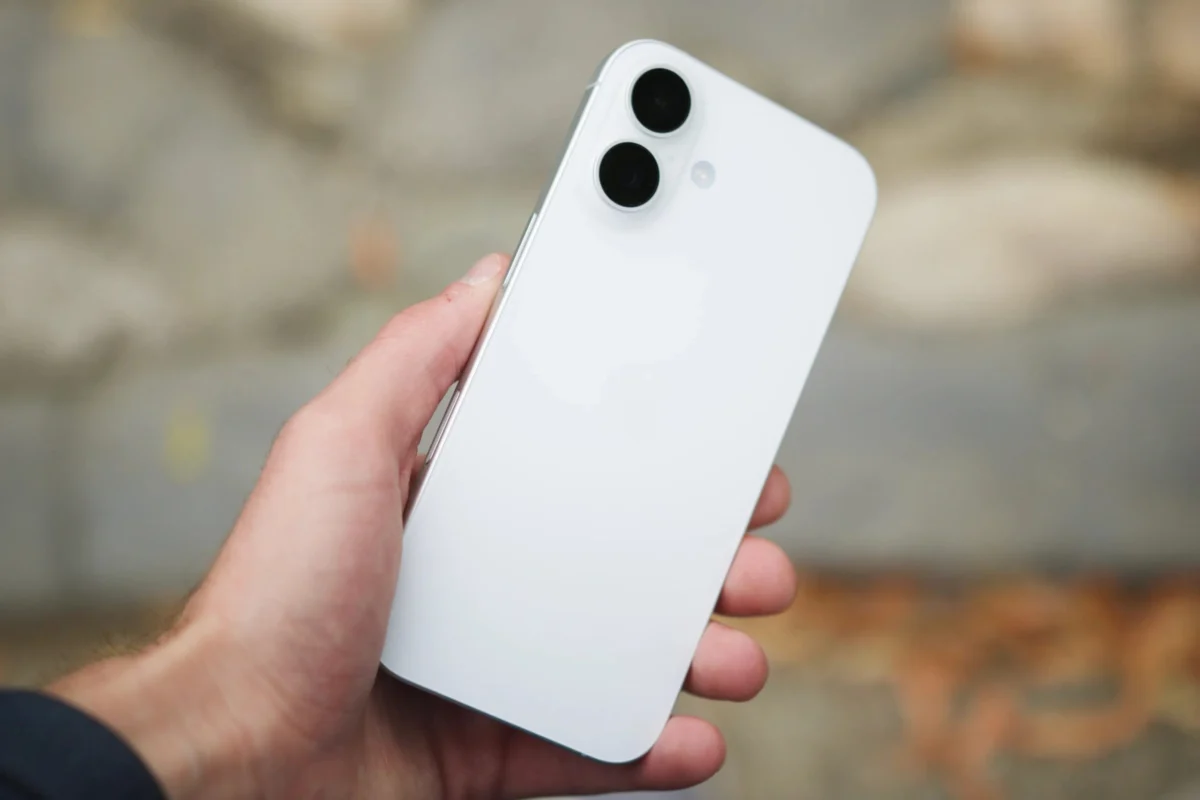
The smartphone market of 2026 stands at a fascinating, albeit expensive, crossroads. As we move deeper into the decade, the industry has transitioned from focusing purely on incremental hardware updates to a complex era defined by generative AI integration, the maturation of foldable architectures, and a challenging economic landscape. For the modern consumer, selecting a "daily driver" is no longer a simple choice between two dominant ecosystems; it is a strategic decision involving long-term software support, component longevity, and fiscal value.
Main Facts: The State of Mobile Technology in 2026
The primary narrative of the 2026 mobile market is one of "squeezed value." While technological capabilities have reached new heights—with 200MP sensors becoming standard in flagships and battery capacities pushing toward 8,000mAh—the entry price for a reliable device has shifted upward. This shift is driven by two main factors: the mandatory inclusion of high-performance NPU (Neural Processing Unit) hardware to handle on-device AI, and a persistent global shortage of critical components.
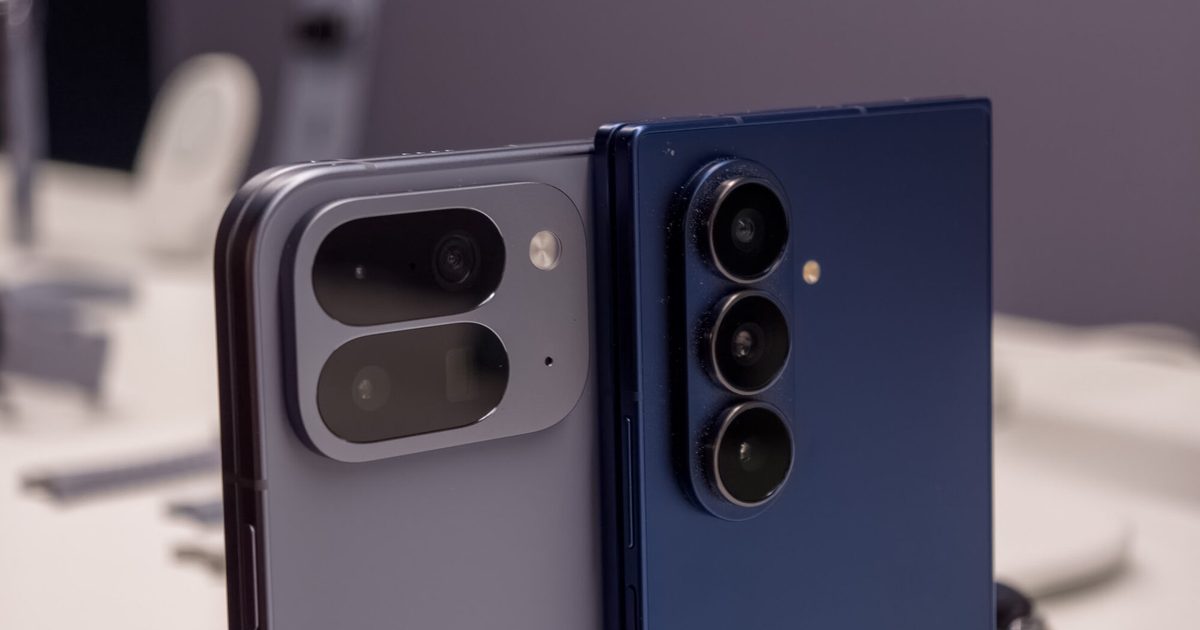
Current market data indicates that the "flagship" floor has solidified at $800, while the "budget" category, once defined by $200 devices, now extends up to $500. Despite these rising costs, manufacturers like Samsung, Apple, and Google have responded by extending software support cycles to seven years, effectively turning smartphones into long-term investments rather than biennial commodities.
Chronology: The Road to 2026
The current state of the market is the result of several pivotal industry shifts occurring between 2024 and 2026:

- Late 2024: The "AI Arms Race" began in earnest, with manufacturers realizing that cloud-based AI was too latent for real-time camera processing and translation. This necessitated more expensive, high-bandwidth memory (RAM) in every device.
- 2025: The "Memory Crisis" hit its peak. A global shortage of DRAM and NAND flash memory, caused by a combination of manufacturing bottlenecks and the massive diversion of chips to AI data centers, forced smartphone OEMs to raise MSRPs across the board.
- Early 2026: Foldable technology finally shed its "experimental" label. With the release of the Galaxy Z Fold 7, the industry achieved the long-sought goal of a folding device that matches the thickness and weight of a traditional slab flagship.
- Mid-2026: Apple finalized the "Pro-ification" of its standard lineup, bringing 120Hz ProMotion displays to the base iPhone 17, effectively closing the most glaring gap between its consumer and professional tiers.
Supporting Data: Top Recommendations by Category
Based on rigorous real-world testing and spec-sheet analysis, the following devices represent the pinnacle of their respective tiers in the 2026 market.
1. The Ultra-Flagships ($800 and Above)
Samsung Galaxy S26 Ultra ($1,299.99)
The S26 Ultra remains the "Swiss Army Knife" of the Android world. Its transition to Armor Aluminum and rounded ergonomics has solved the comfort issues of previous generations.

- Key Innovation: The "Privacy Display," which utilizes advanced polarized layers to hide screen content from side angles without requiring a physical protector.
- Camera: A 200MP main sensor with a massive f/1.4 aperture, providing unmatched low-light performance.
- Verdict: The most complete, if expensive, tool for power users.
OnePlus 15 ($899.99)
OnePlus has pivoted back to its roots as a "performance first" brand. The OnePlus 15 is defined by its staggering 7,300mAh dual-cell battery.
- Endurance: Capable of three-day battery life for moderate users, supported by 120W wired charging that hits a full charge in under 45 minutes.
- Trade-off: To maintain the price, the display resolution is capped at 1.5K rather than full 4K.
iPhone 17 Pro Max ($1,199)
Apple’s 2026 flagship focuses on thermal management and optical reach. The introduction of a vapor chamber cooling system allows the A19 Pro chip to maintain peak performance during intensive 4K video editing.
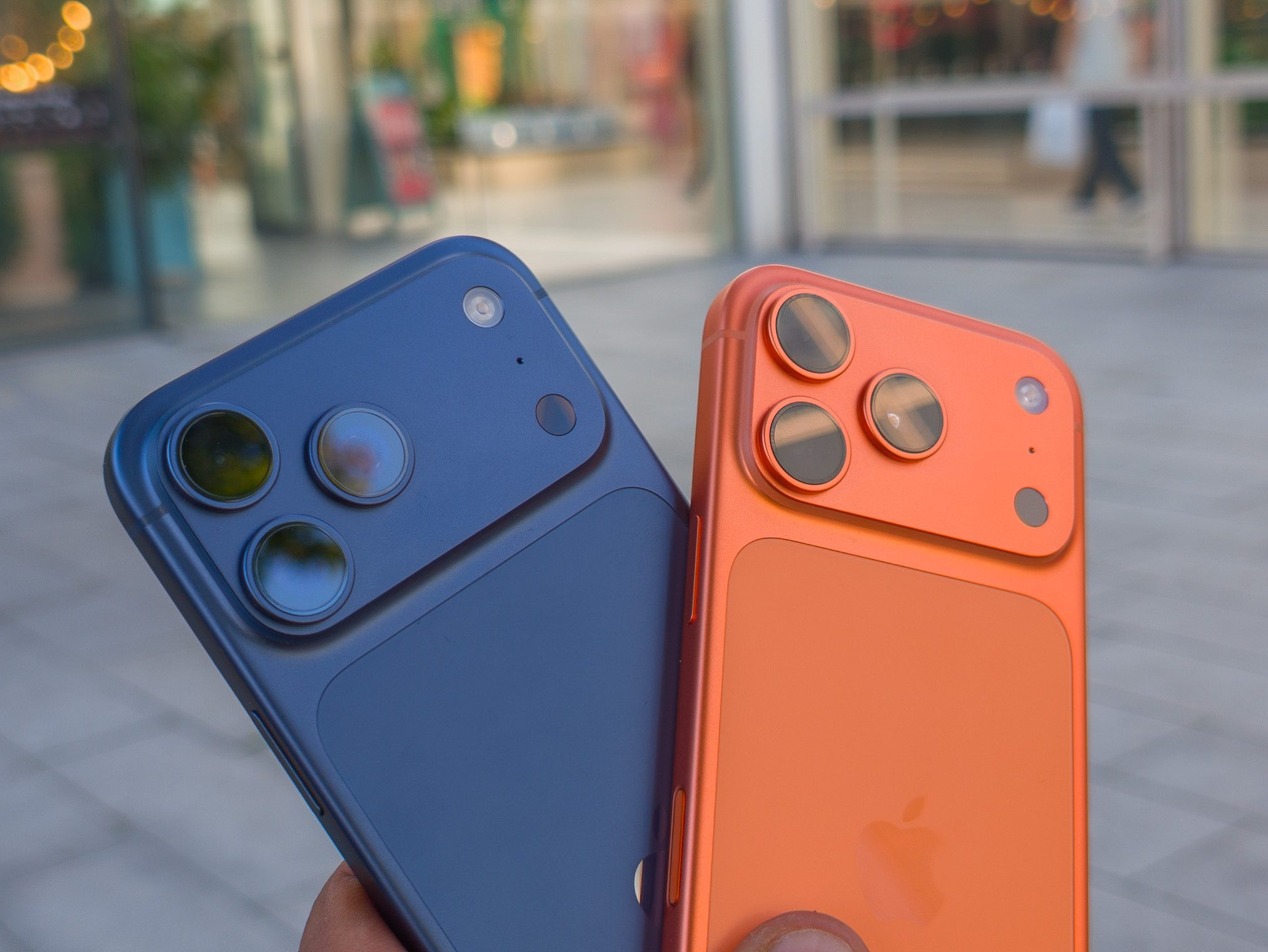
- Optics: A triple 48MP array, including a new 8x optical crop capability that challenges dedicated telephoto lenses.
Samsung Galaxy Z Fold 7 ($1,999)
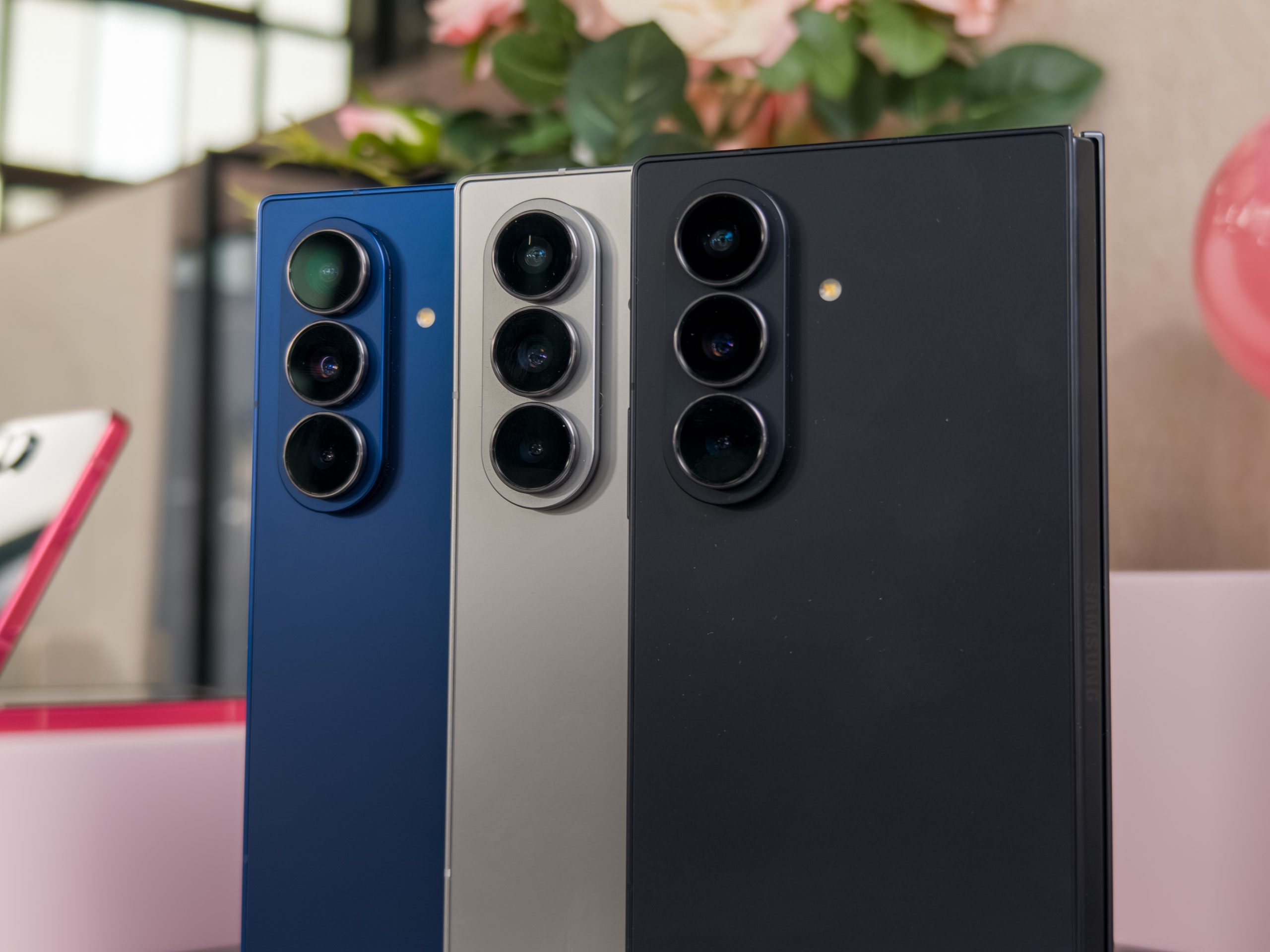
This device represents the "death of the compromise" for foldables. At 8.9mm thick when closed, it is finally indistinguishable from a standard phone in a pocket.
- Software: Samsung’s multitasking UI remains the industry gold standard, supported by seven years of guaranteed Android updates.
2. The Mid-Range Contenders ($500 – $799)
Google Pixel 10 ($799)
Google has blurred the lines between its tiers by including a dedicated 5x telephoto lens in the standard Pixel 10. While the Tensor G5 isn’t the fastest chip on the market, its "Camera Coach" and "Magic Cue" AI tools provide the most "intelligent" user experience available.

Samsung Galaxy S25 FE ($649.99)
The S25 FE is the value king of 2026. By utilizing the Exynos 2400 and an Armor Aluminum frame, Samsung offers a flagship-feeling device at a $150 discount compared to the base S26.
Motorola Edge 2026 ($599.99)
In an era of "phablets," the Edge 2026 is a rare compact gem. Weighing only 160g and featuring IP69 durability, it is designed for one-handed use and extreme environments.

3. The Budget Essentials (Below $500)
Google Pixel 10a ($499)
The 10a is the "no-fuss" champion. It inherits the 120Hz Actua display technology from its more expensive siblings and offers the same 7-year update promise, making its $499 price tag highly economical over the long term.
Nothing Phone 4a Pro ($499)
For those who value aesthetics and zoom, Nothing has achieved the impossible: a periscope telephoto lens in a sub-$500 phone. Its aluminum unibody and Glyph interface make it the most "premium-feeling" budget device.
Samsung Galaxy A17 5G ($199.99)
At the entry level, the A17 5G prioritizes the screen. Its Super AMOLED panel is a rarity at this price point, though users must contend with the slower Exynos 1330 processor.
Official Responses and Market Analysis
Industry analysts and manufacturer representatives have been vocal about the "Memory Crisis" and its impact on consumer pricing.

A spokesperson from a leading research firm noted, "The smartphone market is being squeezed from both ends. On the supply side, the shortage of NAND and DRAM has increased BOM (Bill of Materials) costs by nearly 18% year-over-year. On the demand side, consumers are holding onto phones longer, forcing OEMs to raise initial prices to maintain profitability over a longer lifecycle."
Samsung’s mobile division recently addressed the $1,999 price point of its premium foldables, stating that the "integration of advanced hinges and the sheer volume of high-bandwidth memory required for on-device generative AI" necessitates a premium tier for early adopters. Meanwhile, Google has defended its $499 budget price point by highlighting that "the cost of seven years of security infrastructure and software engineering is now baked into the hardware price."

Implications: What This Means for the Consumer
The implications of the 2026 market are clear: the era of the "cheap" smartphone is effectively over, replaced by the era of the "long-term" smartphone.
- Investment vs. Expense: Consumers should no longer view a $800-$1,000 purchase as a two-year expense. With software support extending toward 2033 for many of these devices, the "cost-per-year" is actually lower than it was in 2020.
- The Repairability Mandate: As prices rise, the importance of durability (like the Motorola Edge’s IP69 rating) and repairability becomes paramount. Users are encouraged to prioritize devices with high Gorilla Glass ratings and available first-party repair kits.
- AI as a Utility: In 2026, AI has moved past gimmicky photo filters. Features like Samsung’s "Privacy Display" and Google’s "Magic Cue" suggest that the next few years of mobile evolution will be defined by how well a phone can anticipate user needs and protect their data.
In conclusion, while the 2026 market requires a higher upfront investment, the quality of hardware—specifically in battery technology and display durability—has finally caught up to the demands of the modern user. Whether choosing the "tank-like" Motorola Edge or the "productivity powerhouse" Galaxy S26 Ultra, the 2026 lineup offers more reliability than any generation prior.