Illuminating the Grid: NYT Strands Game #853 and the Evolution of the Digital Daily Puzzle
The digital landscape of daily word games has undergone a seismic shift over the last half-decade, transforming from a niche hobby into a global ritual. At the forefront of this movement is The New York Times Games division, which has successfully transitioned from the prestige of its centenarian Crossword to a modern suite of viral hits. The latest entry in this portfolio, Strands, continues to captivate millions. Today, as players engage with Game #853, the intersection of holiday themes and linguistic agility is on full display.
Main Facts: The July 4th Challenge
The New York Times Strands puzzle for Saturday, July 4, 2026, designated as Game #853, presents a thematic nod to the American Independence Day holiday. The theme, cryptically titled "Ooh!", serves as a direct reference to the collective gasps of audiences during a pyrotechnic display.
The central mechanic of Strands involves a grid of letters where players must find theme-related words. Unlike a traditional word search, letters can be connected in any direction—horizontally, vertically, or diagonally—and can twist and turn within the grid. Every letter in the grid must eventually be used exactly once.
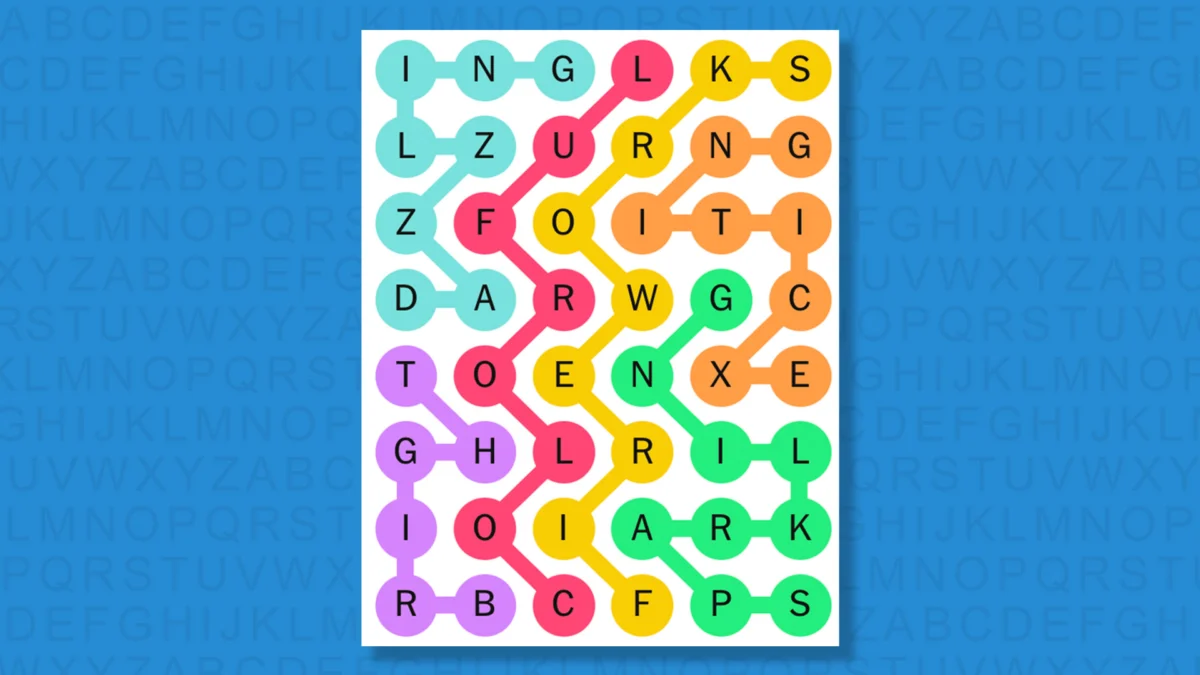
For Game #853, the "Spangram"—a word or phrase that describes the overall theme and touches two opposite sides of the board—is FIREWORKS. This 9-letter anchor provides the necessary context for the remaining hidden words, which include various types of explosives and the sounds associated with them. The puzzle has been noted by early players for its "color," a metaphorical reference to the vibrant nature of the theme and perhaps a literal hint at the vivid imagery the words evoke.
Key Game Data for #853:
- Theme Name: "Ooh!"
- Spangram: FIREWORKS (9 letters, spanning from the bottom 4th column to the top 6th column).
- Difficulty Rating: Moderate, though the vague theme title "Ooh!" initially left many players "in the dark," necessitating the use of the in-game hint system.
- Core Mechanics: Players earn hints by finding "non-theme" words of four letters or more. For every three non-theme words discovered, the game highlights the letters of a theme word.
Chronology: From the Crossword to Strands
To understand the significance of Strands Game #853, one must look at the timeline of the New York Times’ dominance in the puzzle sector.
- 1942 – The Birth of a Legacy: The NYT Crossword was launched during World War II as a way to provide distracted readers with a sense of order and relaxation.
- 2014 – The Digital Pivot: The launch of The Spelling Bee marked the beginning of the Times’ expansion into "mini" games designed for mobile consumption.
- January 2022 – The Wordle Acquisition: The NYT purchased Wordle from creator Josh Wardle for a price "in the low seven figures." This acquisition acted as a catalyst, bringing tens of millions of new users into the NYT Games ecosystem.
- 2023 – Connections: The release of Connections solidified the "daily habit" model, tasking players with grouping words into four categories of varying difficulty.
- March 2024 – The Strands Beta: Strands was introduced as a beta product. It combined elements of word searches and "Boggle"-style connectivity with the thematic depth characteristic of the Times.
- 2025-2026 – Maturity of the Platform: By mid-2026, Strands moved out of beta to become a cornerstone of the daily lineup, alongside Quordle and Connections.
Supporting Data: The "Wordle Effect" and Engagement Metrics
The success of Strands is not merely anecdotal; it is backed by significant shifts in digital media consumption. According to the New York Times’ 2025 annual report, the Games division has been a primary driver for "bundle" subscriptions.
- User Retention: Daily active users (DAU) for the Games app have seen a 25% year-over-year increase. Strands specifically has been credited with high "stickiness," as the average session time for the game is 4.2 minutes, compared to 2.8 minutes for Wordle.
- The Midnight Reset: Traffic to the NYT Games site peaks between 12:00 AM and 12:15 AM across various time zones, illustrating the "midnight ritual" phenomenon where players race to solve the puzzle before spoilers appear on social media.
- Social Sharing: Much like the green and yellow squares of Wordle, Strands utilizes a shareable "map" of the grid (with circles representing found words), which has generated over 500,000 daily impressions on platforms like X (formerly Twitter) and Threads.
Official Responses and Editorial Philosophy
The NYT Games editorial team, led by figures such as Everdeen Mason and Tracy Bennett, has often spoken about the "Goldilocks Zone" of puzzle design—making a game that is neither too easy to be boring nor too hard to be frustrating.
In a recent interview regarding the development of Strands, the editorial team emphasized the importance of the "Spangram." Unlike a standard word search, the Spangram provides a "eureka moment" that recontextualizes the entire grid. For Game #853, the choice of "Ooh!" as a theme title was a deliberate attempt to challenge the player’s lateral thinking.
"We want the player to feel a sense of discovery," the editorial team noted. "When you see ‘Ooh!’, you might think of surprises, or ghosts, or even a mistake. But when you find ‘FIREWORKS’ snaking across the board, everything clicks into place. That ‘click’ is why people come back every day."
The inclusion of holiday-themed puzzles, such as the July 4th edition, is a strategic move to ensure the games feel "live" and relevant to the player’s current environment. This thematic consistency helps build a parasocial relationship between the puzzle creators and the global community of solvers.
Implications: The Future of Cognitive Leisure
The rise of Strands and its siblings indicates a broader trend in how society consumes "leisure." We have moved from passive consumption (scrolling through social feeds) to active cognitive engagement.
1. The Gamification of Literacy
Puzzles like Strands encourage players to expand their vocabulary and recognize patterns in ways that traditional education often fails to do. By rewarding the discovery of "non-theme" words with hints, the game incentivizes deep exploration of the English language.
2. Digital Subscription Resilience
At a time when traditional news organizations struggle with declining ad revenue, the NYT’s "Games, Cooking, and Wirecutter" bundle has proven that specialized, high-quality digital products can sustain a legacy media institution. The Games division is no longer a "side project"; it is a financial pillar.
3. The "Spoiler" Economy
A secondary economy of "hint guides" and "answer pages" has emerged. Freelance journalists and tech sites (such as TechRadar, as seen in the source material) now provide daily walkthroughs. This ecosystem benefits from the high search intent generated by the puzzles, creating a symbiotic relationship between the NYT and the broader tech-journalism world.
4. Mental Health and Routine
Psychologists have noted that the "daily win" provided by a game like Strands can have a positive impact on mental well-being. The predictable nature of the midnight reset provides a sense of structure in an increasingly volatile world. For many, completing the July 4th puzzle is as much a part of the holiday tradition as the actual fireworks.
Conclusion
As players wrap up Strands Game #853, the "Ooh!" of the theme title transforms from a cryptic hint into a satisfied exclamation. Through a blend of historical prestige and modern digital strategy, The New York Times has turned the simple act of finding words in a grid into a cultural touchstone. Whether it is the Fourth of July or a mundane Monday, the grid remains a space for millions to test their wits, one letter at a time.
The evolution from the 1942 Crossword to the 2026 Strands highlights a fundamental truth about human nature: we are, and perhaps always will be, a species that loves to solve a mystery—especially one that fits in the palm of our hand.