
New York Imposes Historic Moratorium on Large-Scale Data Centers: A Turning Point for the AI Era
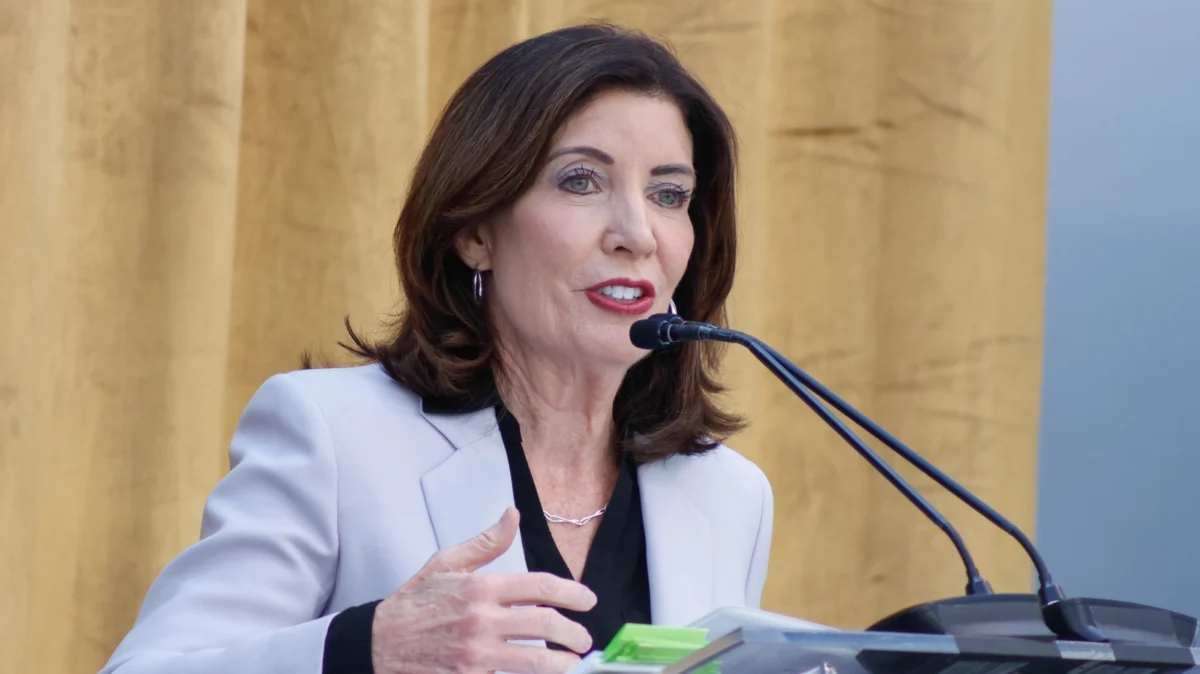
In a move that sends shockwaves through the technology and energy sectors, New York Governor Kathy Hochul has signed an executive order establishing the first statewide moratorium on the construction of large-scale data centers in the United States. The order, which takes effect immediately, halts the approval of environmental permits for any new data center facility designed to consume 50 megawatts (MW) or more of electricity.
This regulatory pause, slated to last for up to one year, marks a significant shift in how state governments balance the insatiable energy demands of the artificial intelligence (AI) revolution against the stability of the electrical grid and the preservation of natural resources.
I. Main Facts: The Scope of the Executive Order
The executive order signed by Governor Hochul is a targeted intervention aimed at "hyperscale" and high-density data processing facilities. By setting the threshold at 50MW, the state is focusing on the largest industrial players—facilities that can consume as much electricity as 40,000 to 50,000 residential homes.
Key Provisions of the Moratorium:
- Permit Suspension: The New York Department of Environmental Conservation (DEC) is directed to cease issuing or renewing permits for facilities exceeding the 50MW threshold.
- Duration: The moratorium is designed to last for 12 months, though it includes provisions for extension if the state’s study is not completed within that timeframe.
- Grandfather Clause: Projects that have already secured all necessary environmental and building permits prior to the signing of the order are exempt and may proceed with construction.
- The Mandate for Reform: During the 12-month pause, a multi-agency task force—including the New York State Energy Research and Development Authority (NYSERDA) and the Public Service Commission (PSC)—will develop a comprehensive framework for "Responsible Data Center Development."
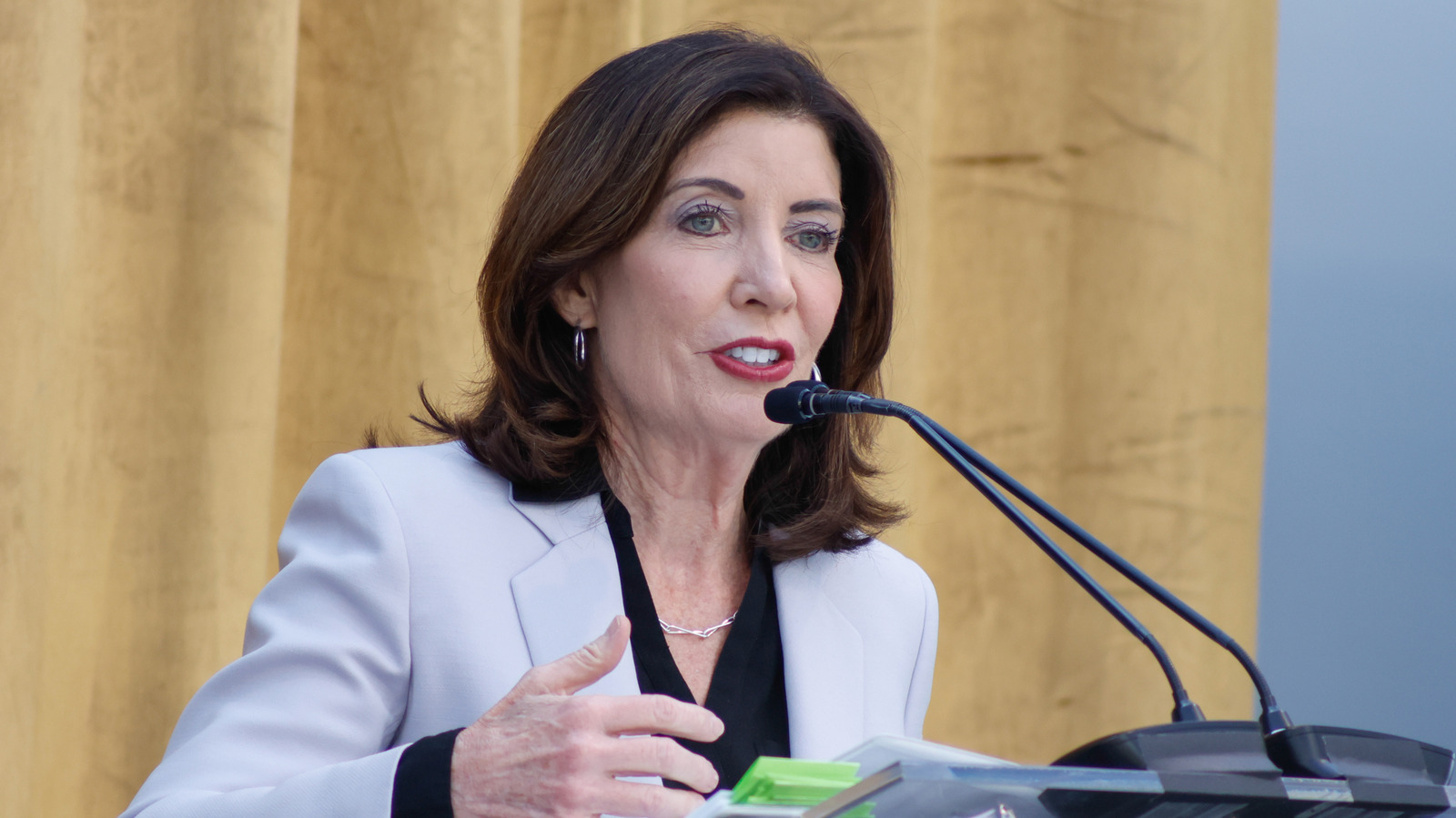
Governor Hochul, speaking at a press conference in Albany, emphasized that the move is not an "anti-tech" measure but rather a "pro-sustainability" necessity. "New York will lead the way in creating the strongest standards in the nation for data center development," Hochul stated. "We are ensuring that when companies succeed because of New York’s infrastructure, New Yorkers succeed too, rather than being left with higher bills and a strained grid."
II. Chronology: From AI Boom to Regulatory Brake
The path to this executive order reflects the rapid and often volatile growth of the data processing industry over the last three years.
2022–2023: The AI Gold Rush
Following the public release of generative AI models like ChatGPT, the global demand for compute power skyrocketed. Tech giants and third-party developers began scouting locations across North America for massive "server farms" capable of training Large Language Models (LLMs). New York, with its robust (though aging) infrastructure and proximity to financial hubs, became a prime target.
Early 2024: Local Pushback and Legislative Action
As proposals for massive data centers began appearing in upstate New York and the Hudson Valley, local communities voiced concerns over noise pollution, water consumption for cooling systems, and potential hikes in utility rates. In response, the New York State Legislature drafted the "Responsible Data Center Development Act" (S10642).
June 2024: Legislative Passage
The state legislature passed S10642 with bipartisan support. The bill was even more stringent than the current executive order, proposing a one-year ban while also mandating strict energy-efficiency targets and community benefit agreements.
July 2024: The Executive Shift
While Governor Hochul initially signaled a preference for local municipalities to handle zoning and permitting, the sheer volume of pending applications—totaling several gigawatts of potential demand—forced a change in strategy. Facing pressure from environmental advocates and grid operators, Hochul opted for the Executive Order as a swifter, more flexible tool than the pending legislation, which she is still reportedly reviewing.
III. Supporting Data: The Energy and Environmental Challenge
The rationale behind the 50MW threshold is rooted in the staggering energy profile of modern digital infrastructure.
The Power Gap
According to data from the New York Independent System Operator (NYISO), the state’s grid is already facing a "tightening" of reliability margins. The transition to renewable energy sources, while progressing, has not yet matched the potential surge in demand represented by the data center pipeline.
- Comparison: A typical large-scale data center uses more power than the Buffalo Niagara International Airport and several surrounding hospitals combined.
- Projected Growth: Before the moratorium, industry analysts estimated that data center energy demand in the Northeast could triple by 2030, driven almost exclusively by AI workloads.
Water and Natural Resources
Beyond electricity, data centers are notoriously thirsty. A 50MW facility can require hundreds of thousands of gallons of water per day for evaporative cooling. In regions of New York where aquifers are already under stress, the introduction of such a facility represents a significant environmental risk.
The Efficiency Paradox
While tech companies often tout "Power Usage Effectiveness" (PUE) ratings, many facilities in New York are retrofitted from older industrial sites. Data suggest that older cooling technologies used in these sites can be up to 40% less efficient than modern liquid-cooling solutions, further straining the local environment.
IV. Official Responses: A Divided Landscape
The moratorium has elicited a wide range of responses from stakeholders, highlighting the tension between economic development and environmental stewardship.
The Proponents: Environmental and Consumer Advocates
Environmental groups, including the Sierra Club and various "Clean Energy" coalitions, hailed the move as a landmark victory. "You cannot meet the goals of the Climate Leadership and Community Protection Act (CLCPA) while simultaneously plugging in dozens of massive, energy-hogging server farms that run on gas-fired ‘peaker’ plants," said a spokesperson for the New York Environmental Protection Bureau.
The Industry: Caution and Concern
Tech industry groups, such as TechNet and the Data Center Coalition, expressed disappointment, warning that the moratorium could drive investment to neighboring states like Pennsylvania or New Jersey.
"Data centers are the backbone of the modern economy," a statement from the Data Center Coalition read. "By slamming the door on these projects, New York risks losing out on billions of dollars in private investment and the high-tech jobs that follow. We urge the Governor to complete the study as quickly as possible to restore market certainty."
The Political Middle
Legislative sponsors of the Responsible Data Center Development Act, while pleased with the executive order, are still pushing for the Governor to sign the formal bill. They argue that an executive order can be rescinded by a future administration, whereas a law provides permanent protections and clear "rules of the road" for developers.
V. Implications: Setting a National Precedent
New York’s decision is unlikely to remain an isolated event. It serves as a bellwether for how industrialized states will handle the "AI-Energy Trilemma"—the struggle to balance technological leadership, energy security, and carbon neutrality.
1. A Blueprint for Other States
With Maine having narrowly avoided a similar ban via a gubernatorial veto, and states like Washington and Illinois currently debating their own restrictions, New York’s framework will likely serve as a template. If New York successfully implements "Responsible Development" standards—such as requiring data centers to provide their own renewable energy sources or contribute to grid upgrades—other states are expected to follow suit.
2. The Shift to "Edge" and Smaller Facilities
The 50MW threshold may incentivize a shift in architectural strategy for tech companies. Instead of building massive "hyper-scale" campuses, developers may pivot toward smaller, distributed "edge" data centers that fall under the 50MW limit, potentially spreading the environmental impact but complicating the logistics of AI training.
3. Impact on AI Development
The moratorium may temporarily slow the localized deployment of AI infrastructure. However, it also creates a market signal: New York is only open to "green" AI. Companies that can demonstrate zero-liquid-discharge cooling and 24/7 carbon-free energy matching will likely be the only ones permitted to build once the moratorium is lifted.
4. Economic Realignment
While the moratorium stops new projects, it creates a "scarcity value" for existing data centers and those already under construction. Real estate prices for permitted sites are expected to soar, while the state faces the challenge of ensuring that this pause does not lead to a long-term exodus of the tech sector.
Conclusion
Governor Hochul’s executive order represents a bold assertion of state sovereignty over the digital frontier. By hitting the "pause" button, New York is demanding that the tech industry prove its compatibility with a sustainable future. The next 12 months will be a critical period of negotiation and study, the results of which will determine whether the Empire State becomes a sustainable hub for the AI era or a cautionary tale of regulatory friction.
As the multi-agency task force begins its work, the eyes of the global tech community remain fixed on Albany. The standards set here will not only define the skyline of New York’s industrial parks but will likely dictate the energy footprint of the global internet for decades to come.


