Military Recruitment Surges Amid Shifting Public Attitudes and Geopolitical Tensions
Washington D.C. – The United States military is experiencing a remarkable resurgence in recruitment, with all branches consistently meeting or exceeding enlistment goals. This trend, which began in the latter years of the Biden administration and has accelerated under the Trump administration, is occurring against a backdrop of evolving public perceptions of the military, increased geopolitical instability, and a renewed emphasis on national service. Experts and military veterans suggest that these converging factors are reshaping the landscape of military culture and, consequently, influencing how military experiences are portrayed in popular culture and literature.
Recruitment Rebound: A Shifting Tide
Following significant recruitment shortfalls in Fiscal Years 2022 and 2023, particularly within the Army, the military has witnessed a substantial turnaround. The initial challenges were attributed to a confluence of factors, including the lingering perceptions following the withdrawal from Afghanistan, broader economic conditions, and evolving eligibility criteria. However, by FY2024, a robust rebound was evident, with total accessions increasing by approximately 12.5% from the previous year. This upward trajectory has continued and intensified.
Fiscal Year 2025 marked the most successful recruiting period in over 15 years, with all major branches surpassing their targets. The Army exceeded its goal by over 1,000 recruits, the Navy by nearly 8%, and the Air Force and Space Force also saw strong performances. The trend has persisted into FY2026, with branches reporting early goal attainment and some even seeing their targets adjusted upwards.
Factors Driving the Surge
Several key elements are credited with fueling this recruitment boom. Foundational improvements in pay, the introduction of enhanced bonuses, and the development of preparatory programs like the Future Soldier Prep Course, initiatives that largely began under the Biden administration, have laid crucial groundwork. However, the Trump administration and figures like Secretary of Defense Pete Hegseth have further amplified these efforts through a pronounced emphasis on a "warrior ethos," a perceived reduction in focus on diversity initiatives, and significant leadership changes within the Department of Defense.
Beyond internal military strategies, broader societal and economic factors play a role. A general uptick in patriotism, coupled with economic indicators that may make military service an attractive career path, contribute to the increased interest. The current geopolitical climate, particularly the emergence of the 2026 Iran War, while not directly quantifiable in recruitment data, is speculated to contribute to a renewed sense of national purpose and an appeal to those seeking to serve. The shift in public discourse, with a potential decline in the ubiquitous "Thank You for Your Service" sentiment, may also be contributing to a more nuanced public understanding of military roles and a more discerning approach to enlistment.
The Evolving "Thank You for Your Service" Culture
The phrase "Thank You for Your Service" has become a cultural touchstone, a common expression of gratitude towards those in uniform. However, as noted by veterans like Jonathan, this sentiment may be undergoing a transformation. The phrase, once a near-universal response, is increasingly being perceived as potentially superficial, often uttered without a deep understanding of an individual’s specific military experience.
This shift is linked to a broader societal context, including reactions to various government actions and a polarized political landscape. The military’s role in domestic operations, its responsiveness to presidential directives, and the broader political climate can lead to a segmentation of public opinion regarding service members. What was once a broadly accepted gesture is now, for some, tied to political affiliations and an individual’s perception of the military’s current mission and leadership. This evolving perception can lead to a more critical examination of military service, impacting both public perception and the motivations of potential recruits.
Divergent Military Cultures: A Source of Nuance for Storytelling
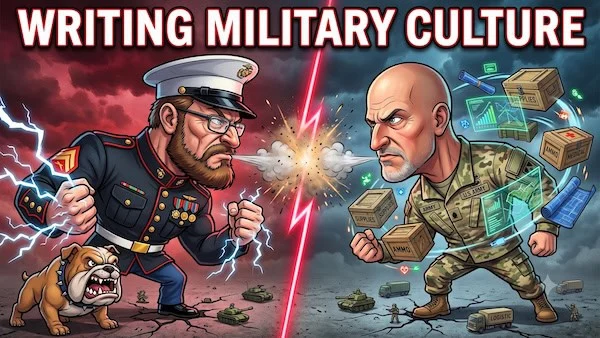
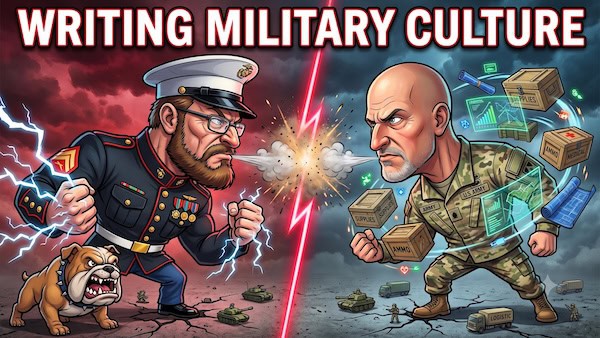
A core theme emerging from discussions with veterans is the profound diversity of culture within the U.S. military. As Jonathan, a Marine veteran, and Bryan, an Army veteran, explain, each branch possesses a distinct ethos, shaped by its history, mission, and operational demands.
Marine Corps Culture: Characterized by an aggressive, forward-leaning approach, the Marine Corps emphasizes breaking down obstacles and achieving objectives through direct action. Jonathan describes Marines as "hyper-aggressive," often making "terrible decisions" but excelling at "destroying" and then moving on. This culture is deeply ingrained, with some veterans forging a profound connection to their boot camp experience, viewing it as a pivotal life event comparable to marriage. This identity often extends to a fierce protectiveness of loved ones, a testament to the warrior ethos.
Army Culture: In contrast, the Army’s culture is often centered on infrastructure, logistics, and sustained operations. Bryan, an Army acquisition officer, highlights the Army’s role in providing the "beans and bullets" that sustain prolonged campaigns. He illustrates this with the development and widespread deployment of MRAP vehicles, where the Army systematized and scaled a solution pioneered by the Marines. The Army’s focus on maintaining and protecting, Bryan notes, contrasts with the Marines’ role as a forward-leaning assault force.
Air Force and Other Branches: While the article primarily focuses on the Army and Marine Corps dynamics, the Air Force and other branches also possess unique cultural identities. Common to all, however, is a core value placed on leadership, though its manifestation and application differ significantly across the services. These distinctions are crucial for authors seeking to portray military characters with authenticity, as the specific experiences and mindsets of service members are heavily influenced by their branch of service.
Historical Context: From Vietnam to the Global War on Terror
Understanding the current landscape requires a historical perspective. The post-Vietnam era marked a period of public distrust and disaffection towards the military, with service members facing significant societal criticism. The decisive victory in the Gulf War subsequently fueled a resurgence of patriotism and improved recruitment.
The Global War on Terror (GWOT) ushered in a new era, one where "Thank You for Your Service" became a widespread expression of gratitude. This period also saw the expansion of benefits and support programs, such as the Post-9/11 GI Bill, which provided significant opportunities for veterans to pursue higher education and civilian careers. For many, military service offered a pathway to upward mobility and a chance to secure their families’ futures in a country perceived as geographically secure and largely insulated from direct conflict.
The Impact of Recent Events: COVID-19 and Political Polarization
The COVID-19 pandemic and subsequent vaccine mandates proved to be a significant disruption. The mandate led to the dismissal of principled service members who refused vaccination and deterred potential recruits who opposed such mandates. This period also coincided with a perception of weak leadership from the Commander-in-Chief, which veterans suggest negatively impacts recruitment, particularly among those seeking strength and decisive leadership.
Furthermore, the article touches upon controversial policies, such as gender affirmation surgery coverage, which some veterans believe became a recruitment incentive for individuals seeking elective procedures rather than a core military mission. These elements, combined with a perceived "woke culture" within the military, contributed to a decline in recruitment and a sense of disillusionment among some potential service members.
The Erosion of the "Be All That You Can Be" Ethos
The iconic Army slogan "Be All That You Can Be" represented a commitment to personal growth and development. However, this was later replaced by slogans like "An Army of One," which, according to Bryan, de-emphasized teamwork and fostered an individualistic mindset. This shift, along with other slogan changes and a modification of the West Point mission statement to be more generalized, suggests a broader trend away from a cohesive, mission-oriented identity towards a more fragmented and potentially less inspiring vision of military service.
The "Zero-Defect" Culture and its Consequences
A significant concern raised by veterans is the insidious creep of a "zero-defect culture" within the military leadership. This culture, where avoiding any negative evaluation on Officer Evaluation Reports (OERs) becomes paramount, stifles risk-taking and inhibits genuine leadership. Bryan explains that this environment fosters deflection rather than accountability, where leaders are incentivized to pass blame rather than own mistakes.
This emphasis on a pristine record can paralyze decision-making, particularly in combat situations where calculated risks are essential for mission success. Jonathan illustrates this with the example of a lieutenant hesitant to attack a vital enemy position due to concerns about how it might reflect on his OER, effectively prioritizing career advancement over tactical necessity.
The "up or out" promotion system, coupled with the zero-defect mentality, can discourage individuals who may excel in specific technical roles but are not inclined towards traditional leadership paths. This can lead to a loss of valuable expertise and a narrowing of leadership potential.
The Importance of Leadership and Risk in Military Culture
The discussion delves into the critical role of leadership and the acceptance of risk in shaping military effectiveness. Jonathan argues that true leadership development often occurs when officers experience failure and loss, learning to temper ambition with a genuine concern for troop welfare. The anecdote of a young officer’s first command, where the loss of a Marine can either lead to a fear-driven zero-defect mindset or forge a more empathetic and risk-aware leader, highlights this crucial developmental stage.
The article draws a parallel to the historical figure of George Washington, whose leadership was forged through hardship and loss, demonstrating a complex blend of ambition and responsibility. This underscores the idea that effective military leaders are not simply those who avoid mistakes, but those who learn from them and prioritize the lives of their subordinates.
Writing Realistic Military Narratives: The Nuances of Sacrifice and Disillusionment
For authors, understanding these cultural dynamics is crucial for crafting authentic military narratives. The concept of a "last stand," often portrayed simplistically in media, carries profound weight when understood through the lens of genuine camaraderie and shared sacrifice. Jonathan emphasizes that a meaningful "last stand" is not a glib utterance but a profound commitment born from deep bonds and a shared sense of purpose.
Disillusionment is a potent tool for character development. The feeling that efforts are in vain, exemplified by the withdrawal from Afghanistan and the abandonment of allies, can deeply affect service members. This disillusionment can stem from bureaucratic inertia, a focus on personal career advancement over mission accomplishment, or the perception that noble sacrifices are rendered meaningless by political decisions.
Authors are encouraged to explore these themes by portraying characters grappling with these challenges. Attacking heroes through bureaucratic obstacles or leaders more concerned with personal gain than with the mission can create compelling dramatic tension. Conversely, the article advocates for portraying characters who embody bravery, risk-taking, and sacrifice, offering hope and reaffirming the ideals of service.
The Future of Military Culture and Patriotism
The conversation concludes with a reflection on the potential for positive change within the military culture. While acknowledging the long-term nature of cultural shifts, the appointment of figures like Pete Hegseth as Secretary of Defense suggests a deliberate effort to re-instill a sense of patriotism and national pride. This involves fostering a belief in the country’s founding principles and its role in promoting freedom, rather than focusing solely on historical grievances.
The article urges authors to reject the corrosive effects of zero-defect culture in their storytelling, championing characters who embrace risk, sacrifice, and principled action. By doing so, they can contribute to preserving and inspiring a sense of patriotism and a vision of a nation worth defending. The power of stories, the article posits, is immense, capable of shaping not only individual perceptions but also the broader cultural understanding of military service. The imperative is to portray military characters, whether heroes or antagonists, with nuance and authenticity, ensuring that their actions and motivations resonate with the realities of military life and the enduring values of service and sacrifice.