Cultivating the Creative Harvest: Embracing Seasonal Rhythms for Sustainable Authorial Success
Introduction
In the demanding world of authorship, particularly for independent writers who often juggle multiple roles and responsibilities, the pursuit of productivity can lead to a relentless cycle of "hustle culture." This often translates into a belief that success hinges on constant, high-octane effort: write faster, push harder, do more. However, as many discover, this approach, while potentially effective in the short term, frequently culminates in burnout, a pervasive issue within the writing community. A more sustainable path, one that fosters not just the completion of projects but the enduring vitality of a creative life, is emerging as a critical conversation. This evolving perspective emphasizes aligning one’s writing discipline with the natural rhythms of creativity, much like a farmer tending to the land through its distinct seasons.
The Illusion of Two Writers: Beyond the Hustle vs. Stagnation Dichotomy
For too long, the prevailing narrative for authors, especially those operating within the independent publishing sphere, has been a stark binary: the "hard-driving, rapid-release, all-gas, no-brakes writer" destined for success, and the "slow-grinding, perpetually drafting, angst-ridden, soon-to-be former writer" destined for obscurity. This simplistic dichotomy, however, fails to acknowledge a fundamental truth: neither extreme is inherently sustainable or conducive to long-term success. The former succumbs to exhaustion, while the latter never truly ignites.
The critical element missing from both these archetypes is a consistent, reliable writing rhythm. This is the foundation upon which a truly balanced and productive authorial career can be built. The concept of "Writing the Seasons," as proposed by author Brian Hicks, offers a compelling framework to address this deficit, providing a saner, more grounded approach that eschews manic pacing and self-recrimination.
The Core Problem: Writing in the Margins
Many writers find themselves ensnared in a "snatch-and-patch" approach to their craft. Their writing time is fragmented, squeezed into the slivers of opportunity between a demanding day job, family obligations, community commitments, and social engagements. Late nights, early mornings, lunch breaks, and the sidelines of children’s activities become the battlegrounds for word count. This constant effort to write in the margins of an already overburdened schedule often leads to a frustrating sense of stagnation, leaving writers wondering why they struggle to complete projects. The inconsistency of their writing process inevitably breeds inconsistent and unreliable results.
The Wisdom of Nature: Embracing the Four Seasons of Writing
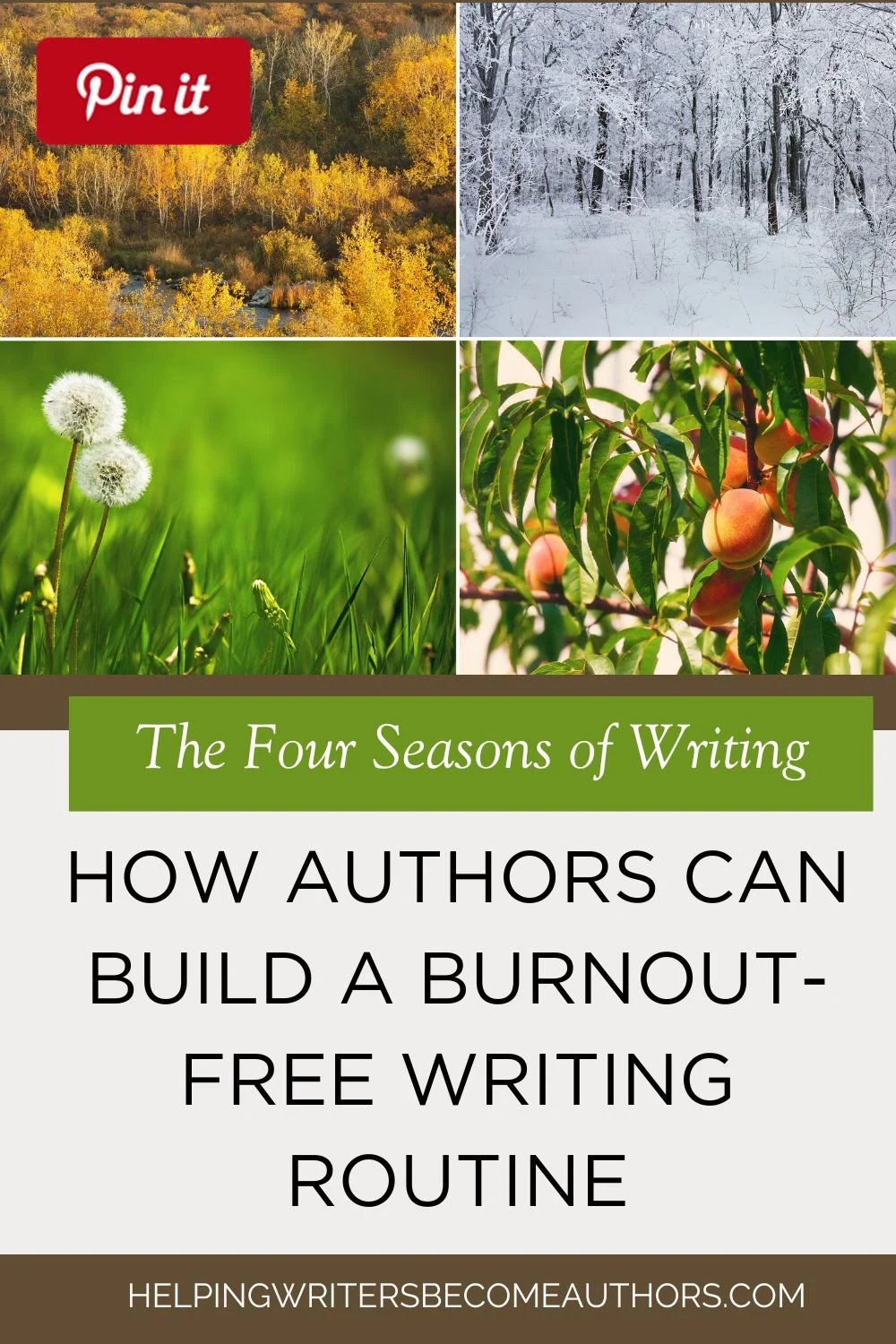
The natural world offers a profound and reliable blueprint for cyclical productivity. The four distinct seasons—Spring, Summer, Autumn, and Winter—occur in an immutable order, each with its unique purpose and duration. This predictable rhythm, honed over millennia, provides a powerful metaphor for structuring a sustainable writing routine. By mirroring these natural cycles, authors can cultivate a focused and productive approach without succumbing to burnout.
Spring: The Urgent Season of Drafting
Just as the earth awakens in spring, signaling the critical window for planting, authors must embrace a similar sense of urgency for their drafting phase. Spring is characterized by the essential act of putting words on the page. It is a season of focused effort, where distractions must be minimized, and non-essential commitments deferred. This is not a time for leisurely contemplation; it is a period of concentrated action, akin to a farmer foregoing vacations to ensure their seeds are sown at the optimal time.
During this "spring," authors should commit to a dedicated writing schedule, inform their support networks about their temporary unavailability, and dive headfirst into outlining, developing backstories, and establishing a weekly writing cadence. The ultimate goal of this season is the completion of a first draft.
The duration of this "spring" is not fixed and should be tailored to individual circumstances. Factors such as a day job, family responsibilities, and personal writing pace will influence how long this intensive drafting period lasts. A writer with fewer external demands might complete their first draft in a month, while someone juggling multiple jobs and young children might require a more extended spring. The crucial element, regardless of length, is to establish a definitive end date for this phase, knowing that "summer" is approaching and requiring deliberate planning.
Summer: The Rigorous Season of Revision and Refinement
Following the planting of spring, summer on a farm becomes a period of diligent cultivation. The seeds have been sown, and now the vital work of weeding, watering, and protecting the nascent crop from pests and diseases begins. This mirrors the essential, often challenging, process of revising and strengthening a manuscript.
Many writers falter during this phase. Faced with the complexities of narrative structure, character arcs, and plot holes, they may feel tempted to abandon the current project and start anew. However, just as a farmer cannot simply abandon a field of soybeans to plant a new one, authors must commit to seeing their initial story through. This requires perseverance, even when confronted with less-than-ideal beta reader feedback or the painful necessity of "killing a darling"—a cherished but ultimately detrimental element of the narrative.
The summer season tests an author’s commitment. It can be a "slog," a period where affection for the manuscript wanes, and the temptation to take an extended break—which can morph a promising novel into a perpetual work-in-progress—becomes strong. Again, the key is to set a firm end date for this revisionary "summer" and to honor it, ensuring that the manuscript is thoroughly tended and prepared for the next stage.
Autumn: The Fruitful Season of Publishing and Sharing
Autumn represents the culmination of the year’s labor, the harvest that rewards the dedication and perseverance of spring and summer. For authors, this season is synonymous with publishing, querying agents, or bringing their completed work to market. While these activities may not always feel like immediate rewards, they are the natural and necessary outcome of the creative process.

This phase begins with acknowledging and celebrating the accomplishment of completing a manuscript. Framing a book cover or enjoying a celebratory meal can serve as potent markers of this achievement. Following this, authors must embrace a fundamental principle: "The reward for hard work is more work." Just as a farmer brings their harvest to market, authors must share their creations with the world.
The duration of "autumn" is less rigidly defined than spring or summer. Querying and marketing are ongoing processes that continue until tangible results are achieved. However, it is crucial to understand that this season’s work does not preclude the beginning of a new creative cycle. Autumn can and often does overlap with the subsequent spring, as authors engage in marketing efforts for their current book while simultaneously beginning the drafting process for their next project.
Winter: The Essential Season of Rest, Learning, and Preparation
Winter is the vital period of rest and rejuvenation. It is a time for reflection on the past season’s work, for catching up on professional development, and for nurturing the creative spirit. Authors can use this time to listen to podcasts, engage in courses on craft, read widely, and deepen their understanding of marketing and reader engagement.
While actively writing a new manuscript may be paused, the mind remains engaged. Authors may be contemplating their next novel, planning future projects, or continuing campaigns for previously published works. The primary purpose of winter is to allow the creative faculties to rest and replenish, ensuring that authors can approach the next "spring" with renewed enthusiasm and a clear mind. Like the natural world, winter has an end date, paving the way for the inevitable return of spring and the commencement of a new cycle.
Crafting Your Personalized Seasonal Writing Routine
The effectiveness of the "Writing the Seasons" framework lies in its adaptability. The key to implementing this model successfully is to create a seasonal calendar that harmonizes with one’s existing life schedule. The process begins by identifying the optimal time for "spring," the intensive drafting phase. This often means choosing a period when other calendar commitments naturally wane.
For instance, if a writer’s children’s activities lessen during winter, a January-to-March writing spring might be ideal. Conversely, a teacher’s summer break might present an opportunity for a more intensive drafting period. It is crucial to avoid scheduling a period of hyper-focused productivity during times of significant personal upheaval or distraction.
Once the "spring" is established, the duration of each subsequent season can be determined. This is a highly personal decision, influenced by individual writing speed, revision process, and overall capacity. Some writers may be able to complete two full cycles of seasons within a year, while others may require longer periods for drafting and revision, aligning more closely with the natural three-month duration of each season. The critical takeaway is to create a calendar with defined deadlines for each season, fostering accountability and preventing projects from languishing indefinitely.
The Transformative Impact: Finishing More Books Through Sustainability
The ultimate goal of adopting a seasonal writing routine is to foster consistency and reliability, transforming authors into dependable producers of their craft. By embracing this cyclical approach, writers can move away from the detrimental "hustle culture" and cultivate a more balanced, sustainable, and ultimately more productive career.
The recommendation is to actively schedule these seasonal writing periods. Utilizing digital calendars to set recurring appointments, alarms, and reminders for the start and end dates of each season can provide the necessary structure and accountability. This proactive approach, akin to a farmer’s meticulous planning, ensures that the writing process is not left to chance but is intentionally cultivated.
By adopting the mindset of a farmer—consistent, reliable, and sustainable in their practices—authors can break free from the cycle of quitting and begin the rewarding journey of finishing more books. This shift from frantic output to mindful cultivation is not merely a productivity hack; it is a fundamental reorientation towards a healthier and more enduring creative life.
Conclusion
The pressures on authors today are immense, demanding constant creation and engagement. However, the notion that success is solely defined by relentless output is a fallacy that often leads to burnout and disillusionment. The "Writing the Seasons" framework, inspired by the enduring rhythms of nature, offers a powerful alternative. By understanding and honoring the distinct phases of drafting, revision, publishing, and rest, authors can build a sustainable writing routine that not only facilitates the completion of their projects but also nurtures a lifelong creative journey. Embracing this cyclical approach empowers writers to cultivate their literary harvest with intention, patience, and enduring passion, leading to a more fulfilling and successful authorial career.
Supporting Resources and Further Engagement
For writers seeking to strengthen their "spring" phase and embark on their drafting journey with greater clarity and purpose, the Outlining Your Novel Workbook provides a comprehensive, hands-on guide. This resource offers structured exercises designed to develop compelling narratives before the drafting process even begins, equipping authors with a solid roadmap to carry them from initial concept to finished manuscript. It is available in various formats, including paperback, e-book, and a desktop application.
Furthermore, author Brian Hicks offers a special, free audio version of this article for "Wordplayers," featuring additional content that delves deeper into the "Writing the Seasons" methodology. This valuable resource can be claimed at [link to free audio].
The conversation around sustainable writing practices is ongoing. Writers are encouraged to share their own strategies for creating burnout-free routines and maintaining consistency with their writing goals in the comments section, fostering a community of support and shared learning.