Elevating Home Cinema: An Analytical Review of Amazon’s Top-Selling Soundbars
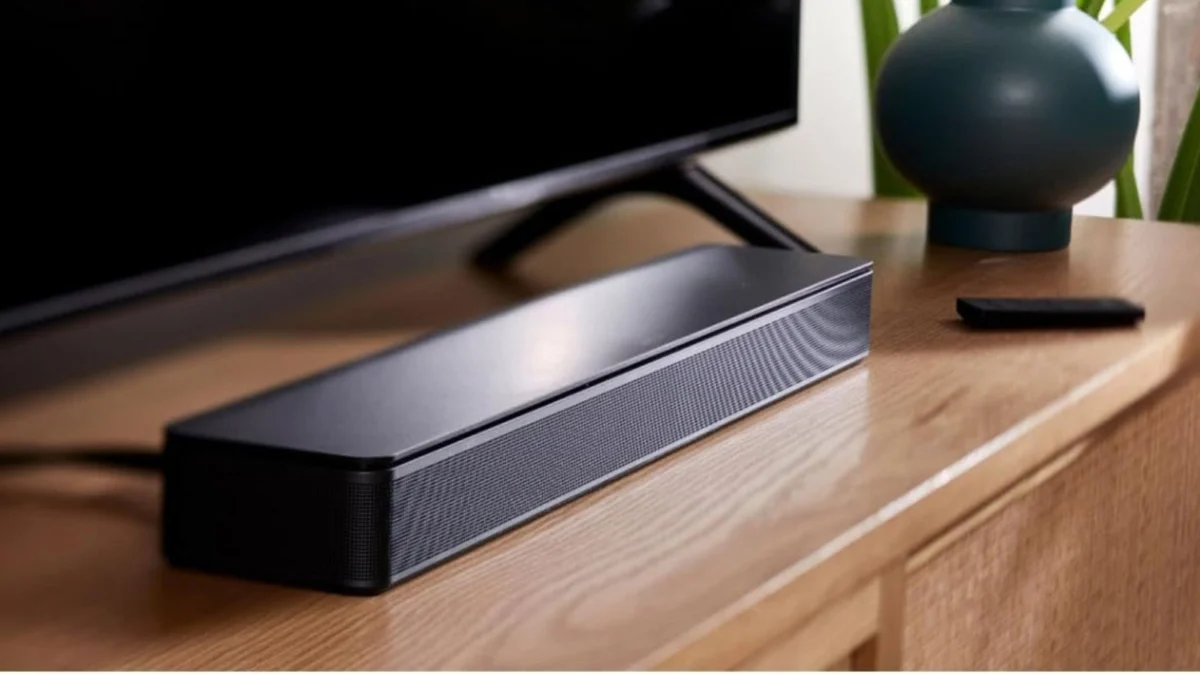
The modern television landscape is defined by a striking paradox: while display technologies have reached unprecedented heights of visual brilliance with OLED and 8K resolutions, integrated audio systems have largely regressed. As chassis designs become thinner to achieve minimalist aesthetics, the physical space required for high-quality drivers has vanished, often leaving consumers with "tinny" or muffled sound. To bridge this sensory gap, the soundbar has emerged as the definitive solution for the average consumer.
However, navigating the saturated market of home audio can be a labyrinthine experience. Amazon’s Best Sellers list offers a data-driven shortcut, revealing which products have earned the trust of the masses. Yet, high sales volume does not always equate to high quality. This report provides an in-depth analysis of five best-selling soundbars that balance popularity with genuine performance, providing a roadmap for those looking to upgrade their auditory experience this season.
1. Main Facts: The State of the Soundbar Market
The soundbar market has transitioned from a luxury niche to a household essential. Current consumer trends indicate a preference for "plug-and-play" simplicity over the complex wiring of traditional 5.1 or 7.1 surround sound systems. According to recent market data, the five models currently dominating Amazon’s rankings—the Bose TV Speaker, Sony S100F, Samsung HW B400F, Hisense HS2100, and Sonos Beam Gen 2—represent a diverse spectrum of the market, from budget-friendly entry points to premium smart hubs.
The selection of these specific models is predicated on a rigorous methodology. Each unit boasts an average user rating of at least 4.1 out of 5 stars, backed by a minimum of 1,000 verified reviews. This ensures that the data is statistically significant and reflective of long-term reliability rather than initial marketing hype. Furthermore, these products have been cross-referenced with evaluations from independent technical laboratories to ensure that their "Best Seller" status is earned through engineering merit.
2. Chronology: The Evolution of Home Audio Integration
To understand the success of these specific soundbars, one must look at the chronological evolution of the medium.
- The Component Era (1990s–2000s): Home theater was synonymous with AV receivers, bulky floor-standing speakers, and miles of copper wiring. While the audio fidelity was high, the barrier to entry—both in cost and technical knowledge—was significant.
- The Rise of the Standalone Bar (2010s): As flat-panel TVs became the standard, the first generation of soundbars appeared. These were often rudimentary, offering little more than a slight volume boost.
- The Integration of Smart Tech (2018–Present): The current era is defined by the "Smart Soundbar." Features like HDMI ARC (Audio Return Channel), Bluetooth 5.0, and integrated voice assistants have turned the soundbar into a multi-functional media hub.
The models highlighted in this report represent the pinnacle of this evolution, offering sophisticated Digital Signal Processing (DSP) to simulate surround sound from a single, compact enclosure.
3. Supporting Data: Detailed Product Analysis
Bose TV Speaker: The Dialogue Specialist
Ranking third on the Best Sellers list, the Bose TV Speaker is a 2.0-channel standalone unit designed with a singular focus: clarity.
- Performance Metrics: It holds a 4.3/5 rating from over 14,000 users. Notably, 84% of reviewers awarded it 4 or 5 stars.
- Key Features: The "Dialogue Mode" utilizes proprietary DSP to analyze what you are watching and further elevate vocals. This has made it a favorite among the hearing-impaired community.
- Connectivity: It offers HDMI ARC, optical, and AUX inputs, alongside Bluetooth for music streaming.
- Pricing: While its MSRP is $279, market fluctuations often see it priced at $199, positioning it as a premium-entry option.
Sony S100F: The Value Benchmark
The Sony S100F (HT-S100F) caters to the "essentialist" consumer who seeks a reputable brand at a sub-$100 price point.
- Performance Metrics: Maintaining a 4.2/5 rating from 9,000+ users, it is frequently cited for its "value-to-performance" ratio.
- Technical Design: Despite its slim profile, it features a built-in bass reflex speaker. While it lacks an external subwoofer, the internal architecture is designed to maximize low-end frequencies within a small air chamber.
- Connectivity: HDMI ARC support allows for "Single Remote" operation, a major selling point for non-technical users.
Samsung HW B400F: The Volume King
The Samsung HW B400F has seen a massive surge in momentum, with over 10,000 units sold in the last 30 days alone.
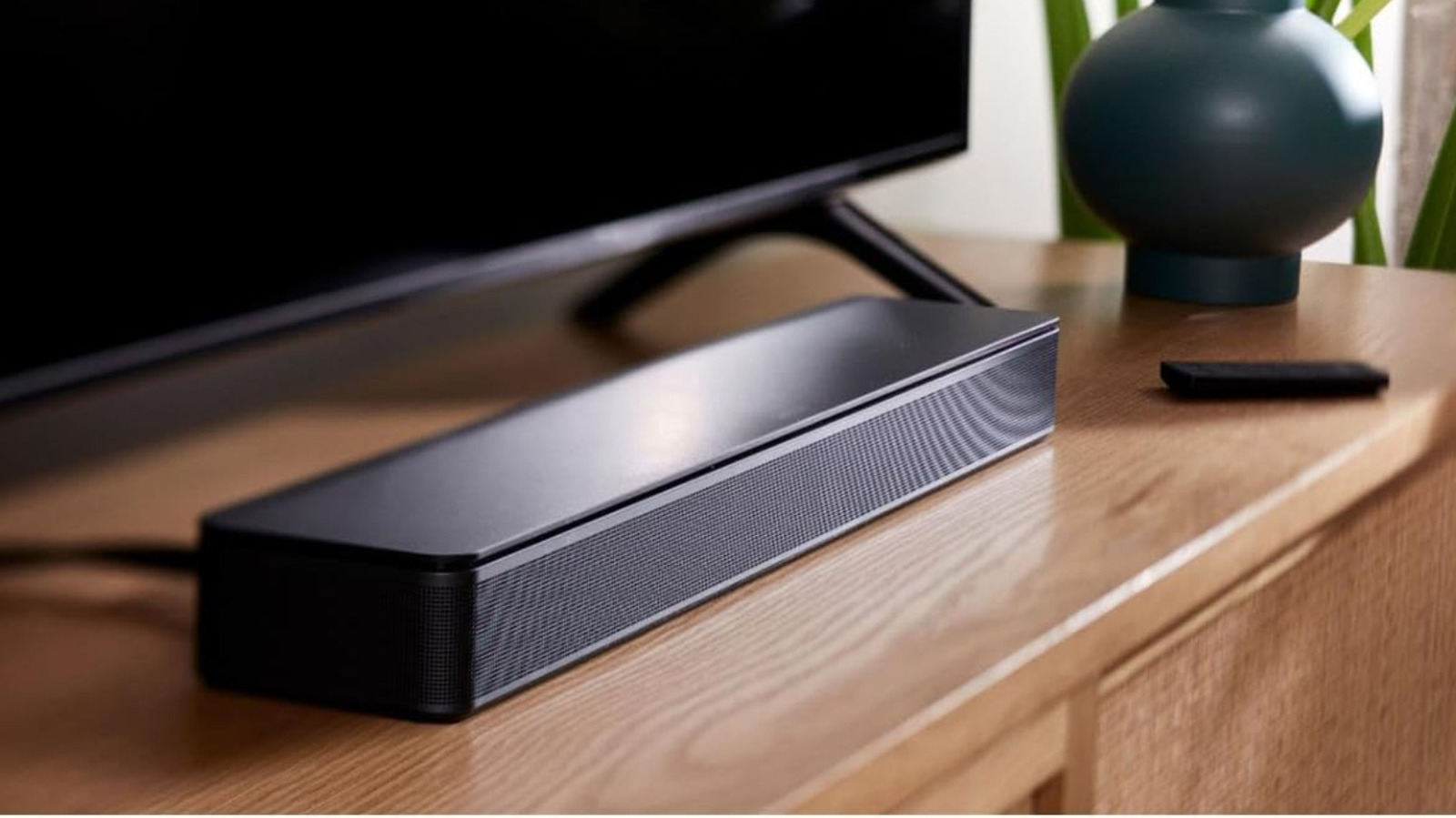
- Performance Metrics: A 4.1/5 rating from 1,000+ reviews suggests high initial satisfaction.
- Acoustic Profile: Users frequently report that this bar is exceptionally loud, making it suitable for larger living rooms where smaller bars might struggle to "fill the air."
- Ecosystem Synergy: It is designed to work seamlessly with Samsung TVs, allowing the TV remote to manage the soundbar’s hidden settings.
Hisense HS2100: The 2.1 Entry Point
The Hisense HS2100 differentiates itself by including an external wireless subwoofer, moving from a 2.0 to a 2.1-channel setup.
- Performance Metrics: It carries a 4.2/5 rating.
- Technical Edge: By offloading the bass to a dedicated wireless sub, the main bar can focus on mid-and-high frequencies, resulting in less distortion at high volumes. It supports Dolby Digital and utilizes Bluetooth 5.3 for high-stability wireless connections.
- Consumer Feedback: While users praise the "thumping" bass, some have noted a loud voice-prompt notification that can be jarring—a minor software quirk in an otherwise stellar budget package.
Sonos Beam Gen 2: The Premium Smart Hub
For those willing to invest, the Sonos Beam Gen 2 represents the intersection of high-fidelity audio and the modern smart home.
- Performance Metrics: A 4.4/5 rating from nearly 2,000 reviews.
- Advanced Features: Unlike the other models, the Beam Gen 2 supports Dolby Atmos, using psychoacoustic HRTF (Head-Related Transfer Function) technology to simulate height channels. It also integrates with Amazon Alexa, Google Assistant, and Apple AirPlay 2.
- Connectivity: It utilizes HDMI eARC (Enhanced Audio Return Channel), which has the bandwidth necessary for uncompressed, high-resolution audio formats.
4. Official Responses and Expert Validations
Professional reviewers and industry experts have largely corroborated the data found in Amazon’s user reviews, though they offer a more nuanced technical perspective.
- On the Bose TV Speaker: TechRadar confirms the unit’s superior dialogue performance but notes that the bass, while "pretty good," cannot compete with systems featuring dedicated subwoofers.
- On the Sony S100F: Tom’s Guide describes it as a "great basic soundbar," emphasizing that while it lacks surround sound capabilities, it significantly outperforms any built-in TV speaker in its price bracket.
- On the Hisense HS2100: RTINGS, known for its rigorous lab testing, notes that the HS2100 has a "decent soundstage," making it an ideal choice for movie enthusiasts on a strict budget.
- On the Sonos Beam Gen 2: What Hi-Fi? has consistently awarded this model top marks, labeling it the "best Dolby Atmos soundbar in its size and price category." They specifically praise its ability to handle music as effectively as film scores.
The consensus among experts is that while these "Best Sellers" are high-quality, consumers must align their choice with their specific environment. A 2.0 system (like the Bose or Sony) is ideal for bedrooms or small apartments, whereas a 2.1 system (Hisense) or an Atmos-enabled bar (Sonos) is necessary for a "theatrical" feel in larger spaces.
5. Implications: The Future of Consumer Audio
The continued dominance of these five models on Amazon’s Best Sellers list carries several implications for the consumer electronics industry and the average buyer.
The Death of the "Tinny" TV
As entry-level soundbars like the Sony S100F and Samsung HW B400F drop below the $100 mark, high-quality audio is becoming democratized. We are approaching a market reality where the "built-in speaker" is viewed merely as a backup, with the soundbar becoming a mandatory peripheral for every TV sold.
The Shift Toward Wireless Ecosystems
The popularity of the Hisense HS2100 (with its wireless sub) and the Sonos Beam (with its Wi-Fi integration) highlights a consumer shift away from physical cables. Future iterations of best-selling audio equipment will likely lean even more heavily into wireless standards, potentially incorporating WiSA (Wireless Speaker and Audio) technology to allow for modular surround sound expansion.
Shopping Wisdom: Navigating the Ratings
While the Amazon Best Sellers list is a powerful tool, this analysis underscores the importance of the "Review-to-MSRP Ratio." A $98 soundbar with a 4.2 rating is an "excellent value," but it should not be expected to outperform a $475 soundbar with a 4.4 rating. Consumers are advised to look beyond the star count and investigate specific technical limitations—such as the lack of Bluetooth in the Sonos Beam or the absence of HDMI eARC in budget models.
Final Conclusion
For the July 2024 (and beyond) shopping season, the Bose, Sony, Samsung, Hisense, and Sonos models identified here represent the safest and most effective upgrades for home audio. Whether a consumer prioritizes the dialogue clarity of the Bose, the budget-friendly reliability of the Sony, or the immersive Atmos technology of the Sonos, these five units have proven through thousands of hours of user testing that they are truly worth the investment. As television displays continue to shrink in depth, these soundbars ensure that the auditory experience continues to grow in depth.