A Dragon’s Rider, A Queen’s Dilemma: House of the Dragon’s Rhaena Targaryen Takes Flight on Sheepstealer, Reshaping the Dance
WARNING: This article contains significant spoilers for House of the Dragon Season 3 and George R.R. Martin’s Fire & Blood.
House of the Dragon, HBO’s acclaimed prequel to Game of Thrones, has consistently demonstrated a willingness to diverge from its literary source material, George R.R. Martin’s sprawling historical chronicle Fire & Blood. While many adaptations take liberties, a recent, particularly striking alteration involving Rhaena Targaryen and the wild dragon Sheepstealer in Season 3 has ignited considerable debate among fans, prompting questions about the character’s trajectory and the wider implications for the tumultuous "Dance of the Dragons." This narrative pivot not only reshapes a significant plotline but also offers a deeper look into the creative philosophy guiding the show’s adaptation of Westeros’s most brutal civil war.
Main Facts: The Divergence Point
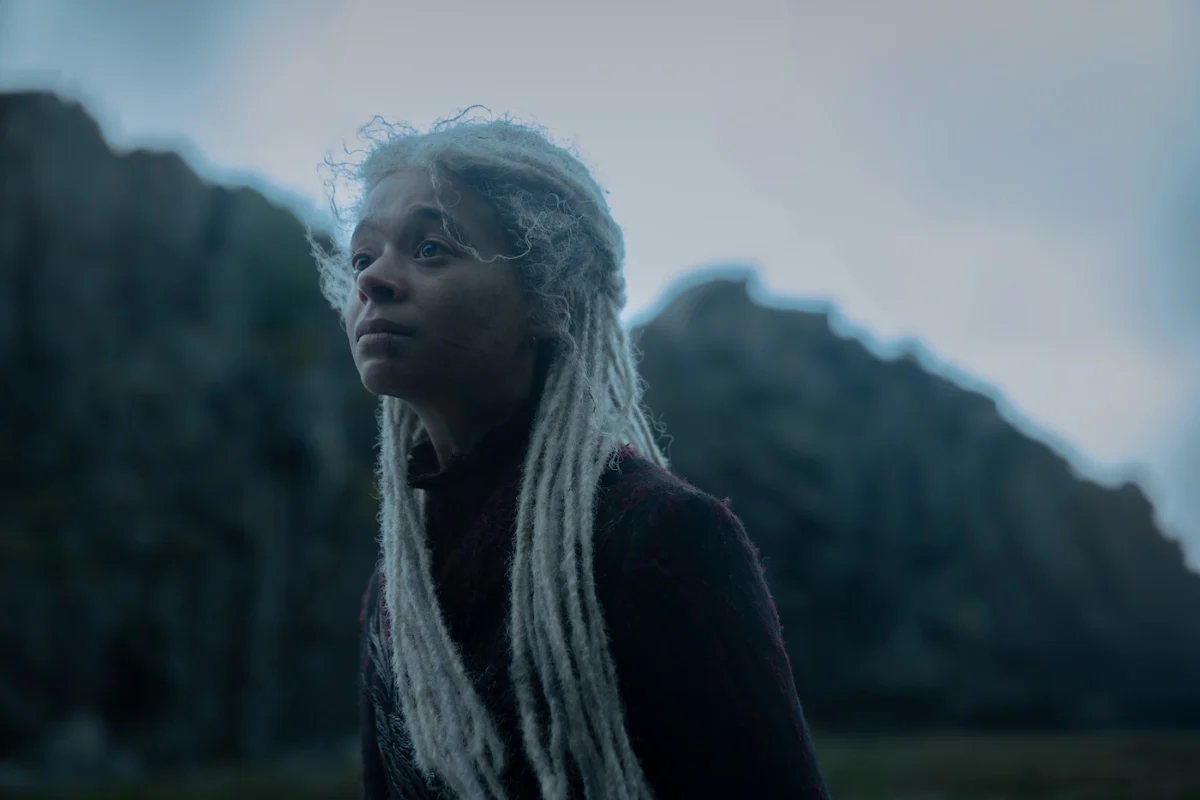
The core of the recent fan discussion revolves around a pivotal development in House of the Dragon Season 3: the taming and riding of the formidable wild dragon, Sheepstealer, by Rhaena Targaryen. For viewers following the show, Rhaena’s burgeoning connection with the elusive beast has been a compelling, if mysterious, subplot. The identity of Sheepstealer’s rider was initially shrouded in secrecy, adding an element of suspense to the narrative. However, the truth recently came to light for Prince Daemon Targaryen, Rhaena’s father, who, in a surprising turn, chose to conceal this information from his wife, Queen Rhaenyra Targaryen, ostensibly to protect his daughter. This act of paternal deception sets the stage for potentially dramatic events, weaving Rhaena’s fate intricately into the simmering tensions between the royal couple and the broader conflict.
The reason this development has caused such a stir is its direct contradiction of the established lore in Fire & Blood. In Martin’s text, the honor of taming and riding Sheepstealer belongs not to a noble Targaryen princess, but to a common-born girl named Nettles. Nettles, a mysterious and resourceful "dragonseed" (individuals of Valyrian descent from Dragonstone), gains Sheepstealer’s trust through a unique method: feeding the dragon captured sheep, slowly forging a deep, almost primal bond with the notoriously feral creature. Nettles’s role in Fire & Blood is far from minor; she becomes a significant figure in the Dance, particularly in her close, complex, and ultimately controversial relationship with Daemon Targaryen. The show’s decision to excise Nettles from the narrative and transfer her most defining characteristic—her bond with Sheepstealer—to Rhaena Targaryen, a character already central to the Targaryen dynasty, represents a substantial reinterpretation of the source material. This change immediately raises critical questions: why was Nettles, a character with such a distinct and impactful storyline, removed, and what narrative purpose does Rhaena’s new role serve?
A Chronology of Change: From Page to Screen
To fully appreciate the weight of this alteration, it is essential to trace the respective narratives of Nettles in Fire & Blood and Rhaena in House of the Dragon.
The Original Narrative: Nettles in Fire & Blood
In Fire & Blood, Nettles emerges during a critical juncture of the Dance of the Dragons known as the "Sowing." As the war escalates and dragonriders become a scarce commodity for Queen Rhaenyra’s faction, a desperate call is made for "dragonseeds" – bastards and commoners with some Valyrian blood – to attempt to claim the wild dragons of Dragonstone. Many perish in these attempts, but a handful succeed, among them Nettles.
Nettles is described as a small, plain, and fiercely independent girl, likely no older than thirteen or fourteen. Her unique method of taming Sheepstealer—a notoriously vicious and cunning brown dragon—by offering it fresh sheep daily, distinguishes her from the other dragonseeds who relied on traditional Targaryen bravado. Her bond with Sheepstealer is one of deep, mutual understanding, forged in the wild.
Following her successful claim, Nettles becomes a crucial asset to Rhaenyra’s cause. She and Sheepstealer are eventually sent to fight alongside Daemon Targaryen, who commands a significant portion of Rhaenyra’s dragonriders. It is during this period that a profoundly close, some would say scandalous, relationship develops between Daemon and Nettles. The nature of their bond is ambiguous in Fire & Blood—some chroniclers suggest it was purely platonic, a father-daughter dynamic, while others hint at a more intimate, passionate affair. Regardless of its exact nature, their closeness becomes a significant talking point and a source of considerable concern for Queen Rhaenyra, who views it as a betrayal, especially given Daemon’s history of infidelity and his volatile nature.
Nettles and Sheepstealer participate in several key engagements, demonstrating their formidable prowess in battle. However, their story culminates in a dramatic climax during the "Butcher’s Ball," a brutal purge orchestrated by Rhaenyra’s forces against perceived traitors. Accused of treason and facing certain execution by Rhaenyra, Daemon, torn between loyalty to his wife and his bond with Nettles, defies the Queen’s order. He sends Nettles away, instructing her to flee and never return, effectively sacrificing his own standing to save her life. Nettles vanishes into the wilderness on Sheepstealer, her ultimate fate shrouded in mystery, becoming a legendary figure of the Dance. This act of defiance by Daemon towards Rhaenyra, driven by his protection of Nettles, is a pivotal moment that irrevocably strains their already complex relationship, contributing to the unraveling of Rhaenyra’s reign.
The On-Screen Adaptation: Rhaena’s Ascent
In House of the Dragon, Rhaena Targaryen, daughter of Daemon and Laena Velaryon (and later Daemon and Rhaenyra’s stepdaughter), has had a more subdued presence compared to her twin sister Baela. Initially, Rhaena expressed a deep longing for a dragon, a desire that was often contrasted with her sister’s claim of Moondancer. Her journey to bond with a dragon has been a long and emotionally charged one, making her eventual success with Sheepstealer particularly resonant for her character arc.
The show establishes Rhaena as a noble princess, a legitimate Targaryen, yet one who has felt somewhat overshadowed and, perhaps, less "dragon-like" than her immediate family. Her pursuit of a dragon has been depicted with a quiet determination, reflecting a vulnerability and yearning that makes her eventual claim of Sheepstealer a powerful moment of self-actualization.
The crucial change lies in the immediate aftermath: Daemon’s discovery of Rhaena’s feat and his subsequent decision to lie to Queen Rhaenyra. This choice instantly recontextualizes Rhaena’s claim not just as a personal triumph but as a clandestine act with political ramifications. It places Rhaena directly into the heart of the Daemon-Rhaenyra dynamic, creating a secret between father and daughter that directly impacts the queen. This narrative choice fundamentally alters the source of tension and distrust between Daemon and Rhaenyra, shifting it from a potential romantic infidelity with a commoner to a paternal protectiveness and political maneuvering involving his own highborn daughter. This consolidation of roles aims to streamline the narrative, keeping the dramatic focus within the established core family unit while still generating the "extreme strife" promised by the showrunners.
Supporting Data: Unpacking the Implications of Omission
The decision to replace Nettles with Rhaena is more than a simple character swap; it reverberates through several layers of the narrative, impacting character motivations, thematic depth, and the very fabric of the Dance’s societal commentary.
The Significance of Nettles in the Source Material
Nettles’s importance in Fire & Blood extends beyond her dragon-riding capabilities. She serves several critical functions:
- Symbol of the "Dragonseeds": Her success, alongside Addam Velaryon, highlights the desperate measures taken by Rhaenyra’s faction. More importantly, it underscores the idea that dragon-taming ability isn’t solely confined to the noble, pure-blooded Targaryens, but can exist in those of lesser birth who possess the right spirit and connection. This challenges the elitist notion of Targaryen exceptionalism, a recurring theme in Martin’s works.
- Daemon’s Complex Humanity: Nettles’s relationship with Daemon is crucial for revealing a different facet of the Rogue Prince. While always a formidable warrior and cunning strategist, his bond with Nettles—whether platonic or romantic—shows a softer, more protective side, a loyalty that transcends political expediency or even marital vows. His ultimate decision to save her, defying Rhaenyra, is a defining moment that illustrates his unique moral compass and deep-seated individualism. It’s a moment of profound personal sacrifice for Daemon, setting him on a path of isolation.
- Source of Marital Strife: The perceived affair between Daemon and Nettles becomes a major wedge between Daemon and Rhaenyra. It fuels Rhaenyra’s paranoia and insecurity, contributing to her increasingly tyrannical and impulsive decisions, ultimately alienating key allies and hastening her downfall. It demonstrates how personal jealousies and perceived betrayals can have catastrophic political consequences.
- Thematic Exploration of Class and Power: Nettles, as a commoner who earns the respect of a dragon and a prince, complicates the rigid social hierarchies of Westeros. Her existence questions whether true power and destiny are inherent to noble birth or if they can be seized by those deemed "lowborn." Her disappearance reinforces the vulnerability of commoners caught in the machinations of the powerful, regardless of their contributions.
By removing Nettles, House of the Dragon necessarily forfeits these specific thematic and character-driven elements.
Fan Discourse and Prior Deviations
The House of the Dragon fanbase is notoriously passionate, and changes to beloved source material often spark fervent debate. The Nettles/Rhaena swap is no exception. Online forums, social media, and fan communities have been abuzz with discussions. Many purists lament the loss of Nettles, arguing that her unique background and ambiguous relationship with Daemon offered a layer of complexity and grit that a noble Rhaena cannot fully replicate. They point to the thematic richness of a commoner rising to such prominence and the nuanced portrayal of Daemon’s character through his unconventional bond with her.
Conversely, some viewers appreciate the streamlining, believing that introducing too many new characters, especially during a fast-paced war narrative, could dilute the focus on the core Targaryen drama. They argue that consolidating roles makes for a more cohesive and emotionally impactful story for a television audience.
This isn’t the first time House of the Dragon has made significant departures. Previous notable changes include:
- Laenor Velaryon’s fate: In Fire & Blood, Laenor dies in a duel, strongly implied to be orchestrated by Daemon. In the show, he fakes his death and escapes with his lover, Qarl Correy, offering a more hopeful, albeit historically inaccurate, ending for the character. This decision also removed a potential layer of Daemon’s ruthlessness.
- Daeron Targaryen’s delayed introduction: The fourth son of King Viserys and Queen Alicent, Daeron, a dragonrider, is a significant character in Fire & Blood but was conspicuously absent from the first two seasons, leading to much fan speculation. While showrunners have confirmed his eventual appearance, his initial omission indicates a selective approach to character inclusion.
- Helaena Targaryen’s prophetic abilities: While hinted at in Fire & Blood (through her cryptic utterances), the show has explicitly leaned into Helaena’s prophetic "dreamer" abilities, giving her a more active, albeit tragic, role in foreshadowing events.
These precedents demonstrate a pattern: House of the Dragon is not a slavish adaptation but rather a creative reinterpretation, prioritizing certain narrative arcs and character dynamics over strict adherence to every detail of Fire & Blood. The Rhaena/Sheepstealer change fits squarely within this established adaptive strategy.
Official Responses: Showrunner Ryan Condal’s Rationale
In an illuminating interview with IGN, House of the Dragon showrunner Ryan Condal directly addressed the decision to cast Rhaena Targaryen in the role traditionally held by Nettles. His explanations offer crucial insight into the creative team’s priorities and the overarching narrative they aim to construct.
The Daemon-Rhaenyra Nexus
Condal unequivocally stated that the primary driver behind this change was its impact on the central relationship between Daemon and Rhaenyra. "We knew that Sheepstealer’s rider, that character causes extreme strife for Daemon and Rhaenyra’s relationship. And that was sort of the place that we started in," Condal explained. This revelation highlights the show’s focus on the intricate, often volatile, dynamic between the warring Targaryen monarchs as the emotional core of the series.
By making Rhaena the rider, the "strife" is internalized within the family unit. Instead of Daemon potentially betraying Rhaenyra with an outsider, his conflict now stems from protecting his own daughter, even if it means deceiving his wife. This shifts the nature of the marital discord from one of infidelity and jealousy to one of paternal loyalty clashing with queenly authority and trust. This is a subtle but significant distinction, aiming to explore different facets of Daemon and Rhaenyra’s complex love-hate bond.
Consolidating Narratives and Character Evolution
Condal further elaborated on the benefits of pairing a known, noble character with the wild dragon. "It felt like pairing a wild dragon with a lady of noble blood that then becomes somewhat feral herself, which is a very interesting story to tell that helped keep us at the core of where we wanted to take Rhaenyra and Daemon’s relationship."
This statement suggests a narrative consolidation strategy. Instead of introducing a new character (Nettles) and building her backstory and motivations from scratch, the show leverages an existing character (Rhaena) who already has established connections, emotional baggage, and a clear arc within the Targaryen family. Rhaena’s previous longing for a dragon makes her claiming Sheepstealer a powerful moment of character development. The idea of a "lady of noble blood that then becomes somewhat feral herself" hints at a transformative journey for Rhaena, potentially mirroring the wildness of her dragon and drawing her further into the brutal realities of the Dance, perhaps even pushing her beyond the conventional constraints of nobility. This allows the show to explore themes of wildness, survival, and adaptation through a character already familiar to the audience, potentially deepening the emotional investment.
Sidestepping Controversial Elements
Perhaps the most explicit reason provided by Condal for the change was the desire to avoid specific, "thornier" aspects of Nettles’s original storyline, particularly the implied romantic involvement with Daemon. "It did not feel like, to us, an infidelity story [between Daemon and Nettles] was someplace that we wanted to go with Daemon and Rhaenyra given everything they had been through to this point," Condal clarified.
This indicates a conscious decision to protect the audience’s perception of Daemon and Rhaenyra’s relationship, or at least to frame its dysfunction in a different light. The showrunners seem keen to maintain a degree of audience sympathy or investment in the central couple, despite their flaws. An overt infidelity plot involving Daemon and a young commoner, particularly after the emotionally charged journey Daemon and Rhaenyra have shared, might have alienated viewers or made Daemon appear irredeemably callous. By shifting the conflict to paternal protection, the show aims for a more nuanced portrayal of Daemon’s actions, even as he acts "self-interested" by lying.
Condal emphasized this point, stating, "I think the audience really wants to see this couple work out, but they both have inextricable natures to them that they can only get so far away from. And we see that playing out with Daemon over the course of the season. But I think more interestingly for Daemon is for the first time, he’s doing something very self-interested, but he’s doing it in the name of protecting his daughter, which we haven’t really seen from him to date. It shows a more mature Daemon that’s still Daemon." This suggests an effort to evolve Daemon’s character, showcasing a newfound paternal responsibility that, while still executed in his typical rogue fashion, introduces a different dimension to his loyalty and motivations. This protection of Rhaena, rather than a questionable liaison, is intended to highlight a "more mature" Daemon, capable of complex, if flawed, acts of familial devotion.
Condal’s final remarks, "And this is going to be a story that continues to obviously unfold, and evolve, and play out over the course of the season. We’ll have ripple effects that take us all the way into the end of The Dance of the Dragons," underscore the long-term impact of this decision, promising significant narrative consequences for Rhaena, Daemon, and Rhaenyra.
Broader Implications: The Dance’s Shifting Sands
The Rhaena/Sheepstealer swap has profound implications that will ripple throughout the remainder of House of the Dragon, altering character destinies, key plotlines, and the thematic underpinnings of the Dance.
Rhaena’s Transformed Destiny
In Fire & Blood, Rhaena’s story is one of relative passivity after the initial tragedies of the war. She remains at Dragonstone, eventually marrying Corwyn Corbray and fading into the background of the main conflict. By placing her on Sheepstealer, House of the Dragon has dramatically elevated her importance. She is now an active participant in the dragon battles, a vital asset, and a direct source of tension within the royal family.
This new path offers an opportunity for Rhaena to develop into a stronger, more independent figure. The "somewhat feral" aspect teased by Condal suggests a departure from the traditional noble princess, potentially allowing her to embody a raw, untamed power akin to her wild dragon. Her survival and actions will undoubtedly be critical to Rhaenyra’s cause, but also a constant reminder of Daemon’s deception and her own complex position as both daughter and clandestine weapon. Her ultimate fate, particularly in relation to Daemon’s climactic actions, will now be an entirely new story, potentially diverging completely from her literary counterpart.
Impact on Key Plotlines and Thematic Resonance
The absence of Nettles and the elevation of Rhaena will necessitate significant alterations to several Fire & Blood plot points:
- The Butcher’s Ball and Daemon’s Defiance: Without Nettles, the catalyst for Daemon’s greatest act of defiance against Rhaenyra—his refusal to execute Nettles—is gone. How will this pivotal moment be reinterpreted? Will Rhaena be the one targeted by Rhaenyra’s paranoia, leading Daemon to protect her in a similar fashion? This would profoundly reshape Daemon’s arc, making his loyalty to Rhaenyra even more strained and complex, but now focused on paternal duty rather than a perceived romantic transgression.
- The Dragonseeds’ Role: Nettles was one of the few successful common-born dragonriders, embodying the idea that Valyrian blood, regardless of social standing, could claim dragons. With Rhaena, a highborn Targaryen, taking her place, the thematic exploration of class and inherent vs. earned power is diminished. The "dragonseeds" concept might still be explored through characters like Addam Velaryon, but the specific commentary on a lowborn girl’s unique bond with a wild dragon is lost. This shifts the narrative focus more squarely onto the noble Targaryens and their internal struggles, perhaps making the war feel more exclusively an affair of the elite.
- Daemon’s Ultimate Actions: Daemon’s ultimate, legendary confrontation with Aemond Targaryen over the God’s Eye is one of the most anticipated moments of the Dance. In Fire & Blood, Daemon is said to have flown to his death after sending Nettles away, his actions possibly driven by a sense of melancholic resignation or a desire for a glorious end after his profound personal sacrifice. With Rhaena in the picture, Daemon’s motivations for his final act could be recontextualized. Will it be to protect Rhaena? To avenge her? Or will his defiance of Rhaenyra still lead him to a similar, yet differently motivated, climactic confrontation?
- Rhaenyra’s Descent into Tyranny: Rhaenyra’s increasing paranoia and ruthless decisions, culminating in the Butcher’s Ball and the execution of perceived traitors, are heavily influenced by the perceived betrayal of Daemon with Nettles. If Rhaena becomes the object of Rhaenyra’s suspicion, it would make Rhaenyra’s actions even more tragic and self-destructive, as she would be turning against her own stepdaughter, the daughter of her beloved Daemon. This could emphasize the destructive nature of power and paranoia within the family itself.
The Future of Adaptation: Risks and Rewards
The Rhaena/Sheepstealer change exemplifies House of the Dragon‘s adaptive strategy: to create a compelling, character-driven television narrative that, while honoring the spirit of Fire & Blood, is willing to streamline characters and reframe relationships to enhance dramatic impact and maintain audience engagement.
The reward for such a bold move is a potentially tighter, more focused narrative that keeps the emotional stakes high within the core Targaryen family. It allows for deeper exploration of Rhaena’s character and a more nuanced portrayal of Daemon’s paternal instincts. By sidestepping the infidelity plot, the show aims to retain a degree of complexity and perhaps even sympathy for Daemon and Rhaenyra, ensuring their relationship remains a compelling, albeit tragic, focal point.
However, the risk lies in alienating purist fans who value the unique elements of Martin’s historical style, particularly the diverse cast of characters and the thematic richness derived from commoners impacting the fates of kings. The loss of Nettles means losing a distinctive voice and a potent symbol of class struggle within the narrative. The show must now work harder to convey the themes of desperation, unconventional heroism, and the blurring of social lines that Nettles so naturally embodied.
Ultimately, this significant narrative shift demonstrates House of the Dragon‘s commitment to forging its own path. As Ryan Condal suggests, these "ripple effects" are designed to permeate the entire "Dance of the Dragons," promising a conclusion that, while perhaps different in its specifics, aims to capture the tragic grandeur and emotional devastation of Westeros’s most legendary civil war. The unfolding drama of Rhaena on Sheepstealer, and the secrets Daemon keeps, will undoubtedly be a central, and captivating, element of the series’ much-improved third season and beyond.