The Unseen Masterpiece: Analyzing the Impact and Artistry of Joko Anwar’s Nightmares and Daydreams
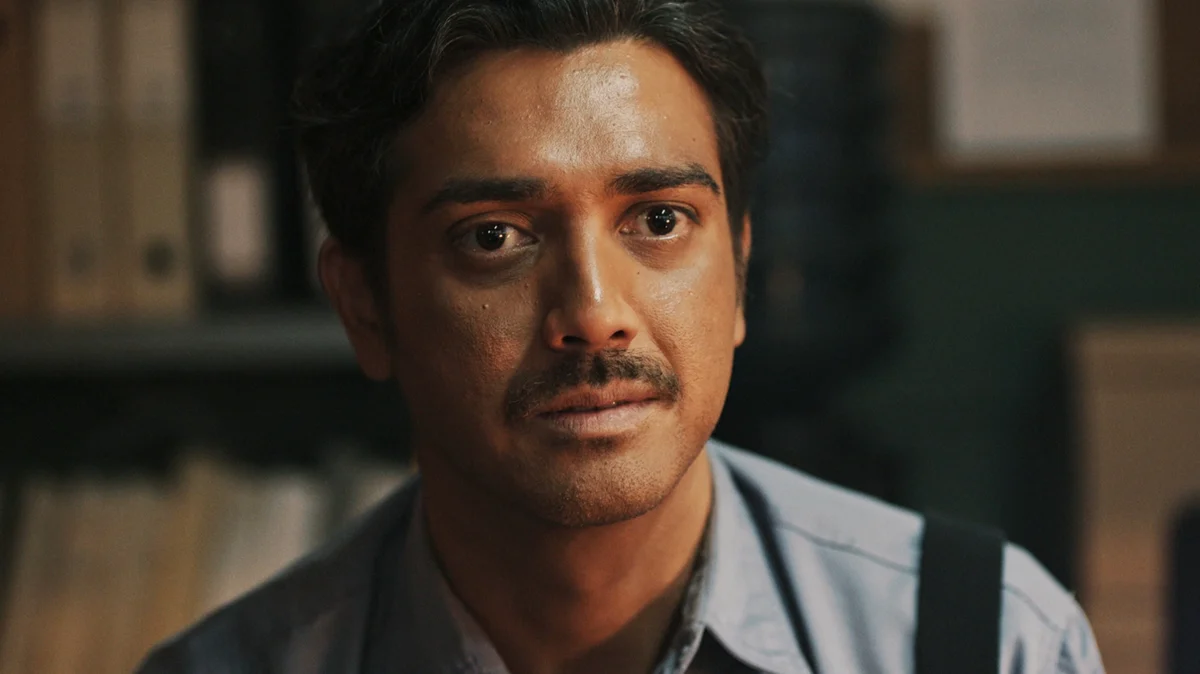
In the vast, ever-expanding library of Netflix’s global content, certain gems frequently slip through the cracks of Western algorithms. While high-budget English-language productions often dominate the "Trending" tab, a quiet revolution in genre storytelling has been brewing in Southeast Asia. At the forefront of this movement is Joko Anwar’s Nightmares and Daydreams, a seven-episode sci-fi horror anthology that challenges the conventional boundaries of the format. Despite its relatively low profile in North American markets, the series is being hailed by critics and genre enthusiasts as a modern masterpiece of interconnected storytelling.
Written and directed by the visionary Indonesian filmmaker Joko Anwar, the series represents a sophisticated fusion of supernatural dread, extraterrestrial intrigue, and sharp social commentary. By grounding high-concept science fiction in the gritty, lived-in reality of Jakarta, Anwar has created a work that is simultaneously parochial and universal, proving that the next frontier of prestige horror is firmly rooted in Indonesia.
Main Facts: A New Paradigm for the Anthology Format
Joko Anwar’s Nightmares and Daydreams is not a traditional anthology in the vein of Black Mirror or The Twilight Zone, where each episode exists in a vacuum. Instead, it utilizes a "pseudo-anthology" structure—a series of seemingly disparate narratives set across different decades that gradually coalesce into a singular, sweeping overarching epic.
The Narrative Core
The series consists of seven episodes, each focusing on an "ordinary" person encountering an "extraordinary" phenomenon. The stories range from a taxi driver discovering a sinister secret within a luxury nursing home to a diamond appraiser searching for her missing sister, only to stumble into a cosmic conspiracy. While the internal logic of each episode leans heavily into the supernatural, the series is fundamentally a work of science fiction, exploring the concept of "Agartha" and the presence of ancient, alien entities living beneath the Earth’s surface.
Production and Creative Leadership
The series is the brainchild of Joko Anwar, who wrote four of the episodes and directed two. He collaborated with co-writers such as Rafki Hidayat and a roster of talented Indonesian directors including Ray Farandy Pakpahan, Tommy Dewo, and Randolph Zaini. The production values are notably high, featuring cinematic cinematography that captures both the claustrophobic slums and the sterile, haunting high-rises of Jakarta.
Global Distribution
Released worldwide on Netflix, the series serves as a flagship project for Indonesian creators on the platform. It aims to export Indonesian folklore and contemporary anxieties to a global audience, utilizing the universal language of sci-fi to bridge cultural gaps.
Chronology: The Evolution of Joko Anwar and Indonesian Horror
To understand the significance of Nightmares and Daydreams, one must look at the career trajectory of its creator, who has spent two decades reshaping the landscape of Indonesian cinema.
2005–2017: From Rom-Coms to Genre Purity
Joko Anwar made his directorial debut in 2005 with the romantic comedy Joni’s Promise (Janji Joni). However, his inclinations toward the dark and the surreal quickly became evident. With films like Kala (2007) and the psychological thriller The Forbidden Door (2009), Anwar began experimenting with noir and horror tropes that were rare in Indonesian cinema at the time.
2018–2022: The "Satan’s Slaves" Phenomenon
Anwar’s global breakthrough came with the 2018 release of Satan’s Slaves (Pengabdi Setan). A loose remake of a 1980 cult classic, the film was hailed by international critics as one of the scariest movies of the decade. Its 2022 sequel, Satan’s Slaves: Communion, further elevated the stakes, applying "haunted house" mechanics to a massive apartment complex during a flood. This period established Anwar as a "master of horror," capable of blending visceral scares with deep emotional resonance.
2023–2024: Expansion into Television and Myth-Building
Following the success of his superhero epic Gundala (2019) and the critically acclaimed horror Grave Torture (2024)—which received a record-breaking 17 nominations at the Indonesian Film Festival—Anwar turned his sights toward the small screen. Nightmares and Daydreams represents the culmination of his world-building ambitions, moving away from traditional ghosts (pocong or kuntilanak) toward a more complex, sci-fi-oriented mythology.
Supporting Data: Critical Reception and Audience Engagement
Despite its niche status in the West, the data surrounding Nightmares and Daydreams suggests a high level of quality that outpaces many of its big-budget competitors.
Critical Ratings
The series currently holds an 88% critic score on Rotten Tomatoes. While the sample size of "top critics" remains small, the consensus among genre specialists is overwhelmingly positive.
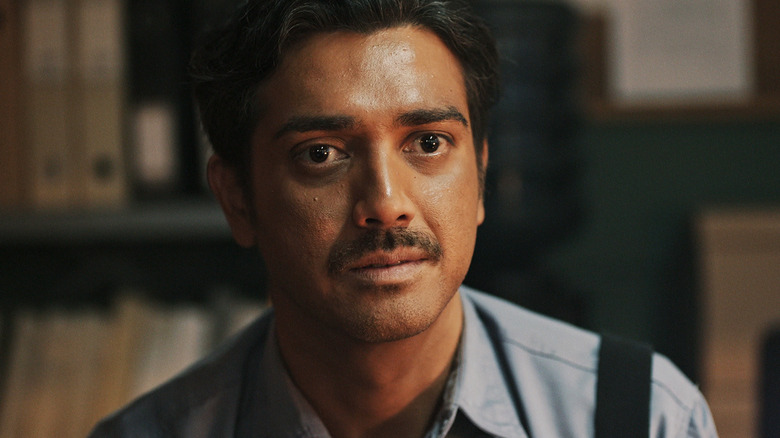
- Paul Lê of Bloody Disgusting described the show as "a mighty journey into the headspace of Indonesia’s most innovative filmmaker."
- James Marsh of the South China Morning Post noted that the series is "significantly more than the sum of its parts," praising the way it weaves economic disparities into its sci-fi fabric.
Audience Sentiment
On platforms like Reddit, the show has developed a cult following. Viewers frequently compare it to Guillermo del Toro’s Cabinet of Curiosities, though many argue that Anwar’s series is superior due to its interconnected finale. Common descriptors in audience reviews include "beautifully made," "compelling," and "genuinely creepy."
Comparison to Genre Titans
While Black Mirror often focuses on the dangers of future technology, Nightmares and Daydreams looks backward and downward—exploring history and the earth itself. This "terrestrial sci-fi" approach has earned it favorable comparisons to the gold standard of the genre, Rod Serling’s The Twilight Zone.
Official Responses: Anwar’s Creative Philosophy
In various promotional statements and interviews, Joko Anwar has been vocal about his intentions for the series. Speaking with Netflix’s Tudum, Anwar explained that the show was born from a lifelong obsession with the "unexplained."
"I dug deep into the intriguing concept of aliens that might not be far from us," Anwar stated. He emphasized that while the trappings are sci-fi, the heart of the series is local. "I wanted to create something that most Indonesian viewers can relate to. So although it’s sci-fi supernatural, you’ll see some social and political themes brought up."
This commitment to social relevance is a hallmark of Anwar’s work. In the series, the "monsters" or "aliens" often serve as metaphors for the systemic oppression faced by the working class in Jakarta. The struggles of a taxi driver or a poor couple adopting a child are not secondary to the sci-fi elements; they are the catalyst for them. Anwar’s goal was to prove that Indonesian stories could handle complex sci-fi themes without losing their cultural identity.
Implications: The Future of Indonesian Content on Global Platforms
The success and quality of Joko Anwar’s Nightmares and Daydreams have significant implications for the streaming industry and the globalization of regional content.
1. Breaking the "Subtitle Barrier"
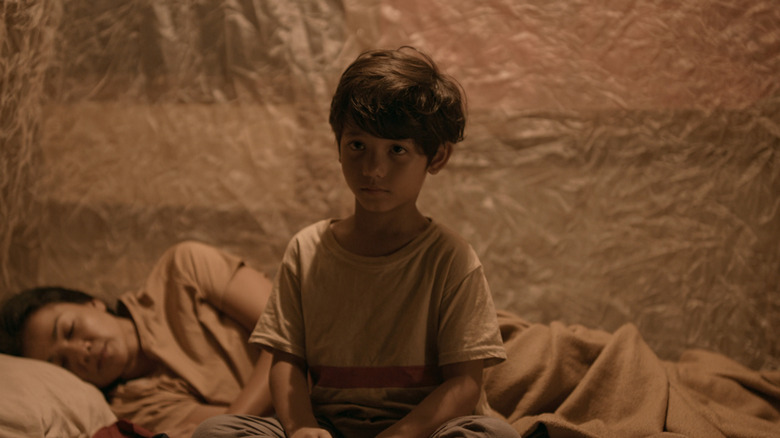
For years, the "one-inch tall barrier of subtitles," as famously described by director Bong Joon-ho, has kept many Western viewers away from non-English content. However, the visual language of Nightmares and Daydreams is so potent that it transcends linguistic boundaries. Its success suggests that Netflix’s investment in local-language originals is paying off by diversifying the "horror" and "sci-fi" genres, which had become somewhat stagnant in Hollywood.
2. The Rise of "Southeast Asian Gothic"
Anwar is leading a wave of Southeast Asian filmmakers who are utilizing genre cinema to process national trauma and social inequality. By blending sci-fi with local socio-political history, Nightmares and Daydreams sets a blueprint for other creators in the region to produce "prestige" genre television that commands international respect.
3. Redefining the Anthology
The "interconnected anthology" format used here offers a solution to "anthology fatigue." By rewarding viewers who watch the entire season with a cohesive resolution, Anwar has created a more bingeable and intellectually rewarding experience than the standard "hit-or-miss" episodic format.
4. A Call for Curation
The fact that a series of this caliber remains "underrated" highlights a flaw in modern streaming discovery. As the article suggests, Nightmares and Daydreams is a masterpiece that requires a proactive audience to find it. Its presence on Netflix is a testament to the platform’s reach, but its relative obscurity in the West suggests that more needs to be done to highlight high-quality international genre work.
In conclusion, Joko Anwar’s Nightmares and Daydreams is more than just a collection of scary stories. It is a bold, intellectually rigorous, and visually stunning exploration of the human condition through the lens of Indonesian sci-fi. For those willing to look past the "Trending" list, it offers one of the most rewarding viewing experiences in recent memory—a nightmare that lingers long after the sun comes up.