The Blueprint of Imagination: How Concept Art World is Mapping the Future of Visual Storytelling
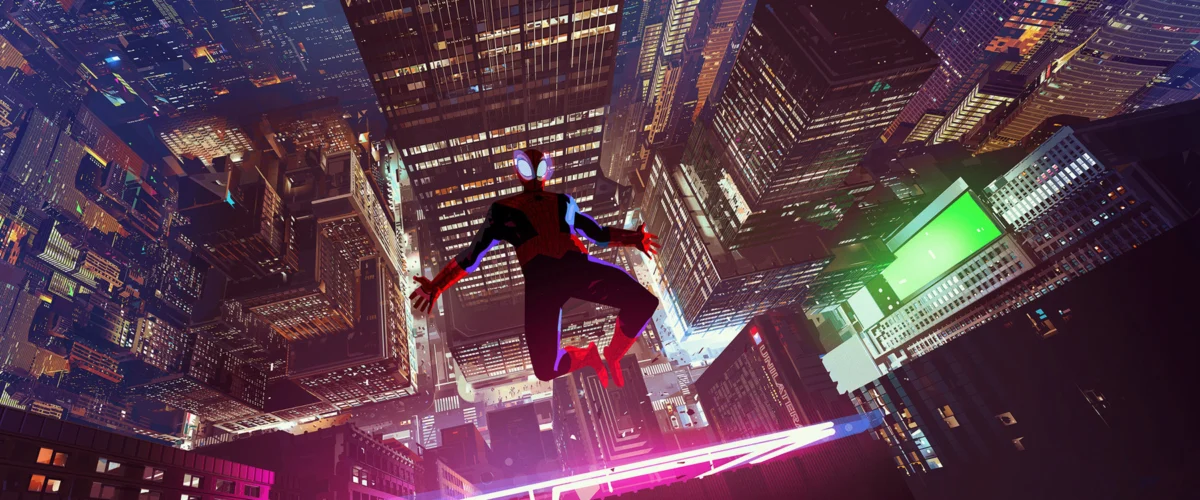
In the modern landscape of global entertainment, the distance between a writer’s initial thought and a billion-dollar cinematic or gaming franchise is bridged by a single, critical discipline: concept art. Often referred to as "visual development," this field serves as the aesthetic and functional blueprint for everything from the gritty psychological landscapes of Triple-A video games to the whimsical, candy-colored environments of animated feature films.
Recent features from the industry-leading platform Concept Art World (CAW) have highlighted the staggering breadth of this medium. By spotlighting the work of veterans such as Piero Macgowan (XCOM: Enemy Unknown), Alessandro Taini (Hellblade), Samantha Kallis (Cloudy With a Chance of Meatballs 2), and freelance virtuoso Danny Pak, CAW continues to document the evolution of an industry that stands at a crossroads of traditional mastery and technological disruption.
Main Facts: The Pillars of Visual Development
Concept art is not merely an exercise in illustration; it is a problem-solving tool. At its core, the discipline is tasked with answering fundamental questions about a project’s world-building before a single frame of animation is rendered or a single line of code is written.
The recent curation by Concept Art World emphasizes three distinct pillars of the industry:
- Tactical Realism and Sci-Fi Worldbuilding: As seen in the work for XCOM: Enemy Unknown, artists must ground fantastical elements (aliens and futuristic tech) in a believable, functional reality.
- Psychological and Character-Driven Design: The work of Alessandro Taini for Hellblade demonstrates how concept art can convey internal mental states and narrative themes through costume, lighting, and anatomy.
- Stylized Environmental Storytelling: Samantha Kallis’s work on Cloudy With a Chance of Meatballs 2 illustrates the complexity of "organic" design within animation, where the environment itself becomes a character.
As a central hub for the industry, Concept Art World has also taken a definitive stand on the most pressing issue of the decade: the rise of generative Artificial Intelligence. By explicitly prohibiting the training of AI systems on its featured content, the platform has signaled its commitment to the protection of human intellectual property and the sanctity of the creative process.
Chronology: From Celluloid to Silicon
To understand the significance of the artists featured on Concept Art World, one must look at the chronological shift in how visual media is produced.
The Golden Age of Production Illustration (1930s–1980s)
In the early days of cinema, concept art was primarily the domain of production designers and "matte painters." Artists like Ralph McQuarrie (the visionary behind Star Wars) used physical paints and markers to sell directors on the look of a film. The process was linear and tactile.
The Digital Revolution (1990s–2010s)
The advent of software like Adobe Photoshop and Corel Painter revolutionized the field. This era saw the rise of the "Digital Painting" movement. Artists could now iterate at lightning speed. This period saw the development of XCOM: Enemy Unknown, where Piero Macgowan utilized digital tools to reimagine a 1990s classic for a modern audience, blending nostalgic elements with high-fidelity digital rendering.
The Era of Transmedia and Real-Time Rendering (2015–Present)
Today, concept art is no longer static. Artists like Alessandro Taini for Hellblade work in close tandem with 3D modelers and motion-capture teams. The concept art phase now often involves 3D block-outs in software like ZBrush or Blender, which are then painted over. This "hybrid" workflow ensures that the visual vision is preserved from the 2D sketch all the way to the final interactive experience.
Supporting Data: Case Studies in Visual Excellence
The artists currently showcased by Concept Art World provide a masterclass in the diverse applications of the craft.
Piero Macgowan and the "Functional Sci-Fi" of XCOM
Macgowan’s work on the XCOM reboot was pivotal in defining the "near-future" aesthetic. His designs had to satisfy two masters: the tactical requirements of a grid-based strategy game and the cinematic requirements of a global alien invasion narrative. His concept art focused heavily on "silhouette recognition"—ensuring that players could identify an enemy type instantly by its shape, a fundamental rule of game design.
Alessandro Taini (Talexi) and the Anatomy of Trauma
In Hellblade: Senua’s Sacrifice, Alessandro Taini faced a unique challenge: depicting the protagonist’s psychosis visually. His concept art didn’t just focus on the Norse-inspired world, but on the "rot" and the "shadows" that haunted Senua. This work proved that concept art could be a tool for empathy, helping the development team at Ninja Theory create one of the most emotionally resonant games of the last decade.
Samantha Kallis and the "Foodimal" Ecosystem
Animation requires a different set of muscles. For Cloudy With a Chance of Meatballs 2, Samantha Kallis had to design a world made entirely of food. This involved "Visual Development"—a subset of concept art that focuses on color scripts, texture, and the whimsical logic of an animated world. Her work serves as a reminder that concept art is essential for establishing the "rules" of a world, no matter how surreal they may be.
Official Responses: The Stance Against Generative AI
The creative industry is currently embroiled in a philosophical and legal battle regarding AI-generated imagery. Concept Art World’s updated policy reflects a growing movement among professional guilds and galleries.
The official statement from the platform is clear: "Any training of AI systems using this content is strictly prohibited."
This response is a direct reaction to the "scraping" of artist portfolios by companies like Midjourney and Stable Diffusion. For professional artists like Danny Pak, whose livelihood depends on the unique "hand" and style they bring to a project, the unauthorized use of their work to train competing algorithms is seen as an existential threat.
Industry analysts suggest that this "closed-door" policy by major art hubs is the first step toward a two-tiered industry:
- The Pro-Human Tier: Studios and platforms that guarantee 100% human-created assets, primarily for high-end film and gaming where copyright protection is essential.
- The AI-Integrated Tier: Lower-budget, rapid-turnaround commercial work that utilizes AI for speed, often at the cost of legal "protectability."
Implications: The Future of the Creative Professional
The enrichment of the concept art field, as documented by Concept Art World, suggests several long-term implications for the entertainment industry.
The Premium on "Foundational Skills"
As AI tools become more prevalent, the industry is seeing a "return to basics." Studios are increasingly looking for artists who understand lighting, anatomy, and composition—skills that allow them to direct and fix AI output or, more importantly, create original visions that AI cannot derive from existing data.
The Concept Artist as "World Architect"
The role of the concept artist is expanding. We are moving away from the era of "lone illustrators" toward "visual consultants." Artists are now expected to understand the technical constraints of game engines like Unreal Engine 5. They are no longer just drawing a castle; they are designing the modular components that will allow a 3D artist to build that castle in a digital space.
The Global Democratization of Talent
Platforms like Concept Art World have leveled the playing field. An artist in Seoul, a designer in London, and a student in São Paulo all have access to the same inspiration and industry news. This has led to a "global style" that blends Western cinematic realism with Eastern stylized aesthetics, a trend seen in the works of Danny Pak and other contemporary masters.
Conclusion
The recent updates from Concept Art World serve as a vital reminder that behind every iconic movie poster and every immersive video game world lies a mountain of discarded sketches, color studies, and iterative designs. From the tactical grit of Piero Macgowan’s aliens to the haunting beauty of Alessandro Taini’s Norse landscapes, concept art remains the heartbeat of the creative process.
As the industry grapples with the challenges of automation and AI, the commitment of platforms like CAW to protect and celebrate human creativity ensures that the "blueprint of imagination" remains in the hands of the artists. For the aspiring creator or the seasoned professional, the message is clear: the tools may change, but the need for a singular, human vision is more critical now than ever before.
About Concept Art World
Concept Art World (CAW) is a leading online resource dedicated to showcasing the best in concept art, illustration, and visual development. By featuring high-quality artwork, artist spotlights, and industry news, CAW remains a trusted resource for creative professionals in film, gaming, and animation. All featured images are copyrighted by their respective holders, and the platform maintains a strict policy against AI training on its content.