The Silent Price of Solitude: Navigating the Hidden Risks of Noise-Canceling Headphones
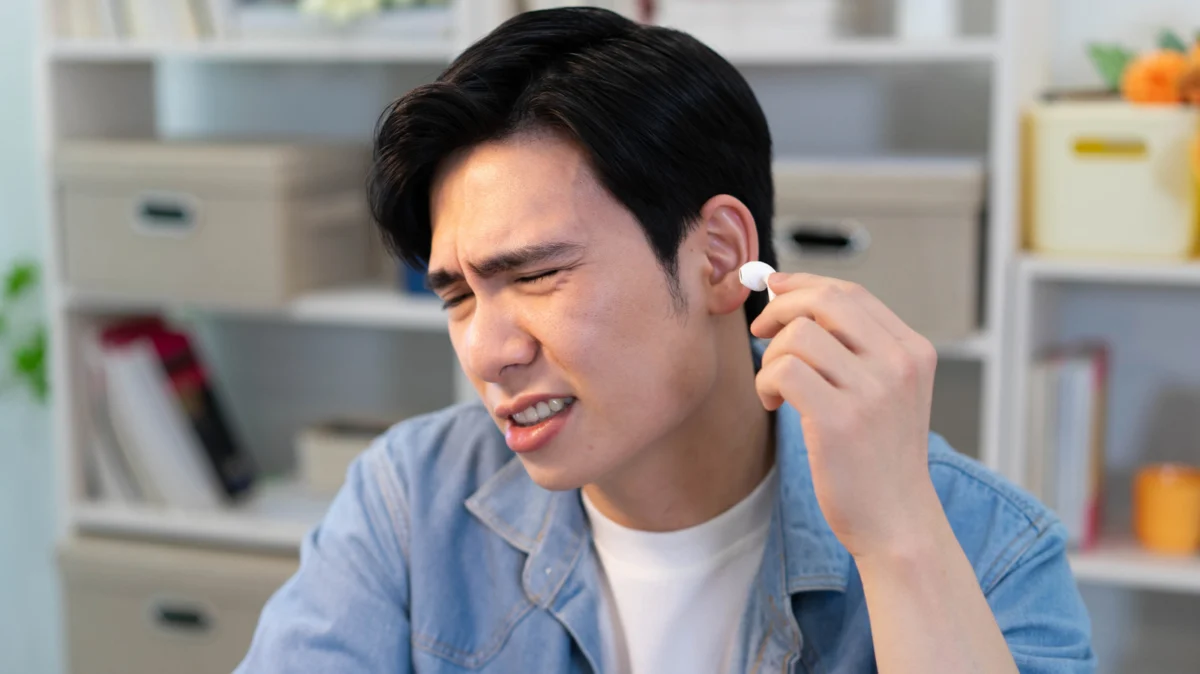
In the modern landscape of open-plan offices, roaring jet engines, and the constant hum of urban life, noise-canceling technology has transitioned from a luxury niche for frequent flyers to an essential tool for daily productivity. While Active Noise Cancellation (ANC) offers a sanctuary of silence, audio experts and health professionals are increasingly warning that improper use of these devices can lead to diminished hardware lifespan, potential hearing damage, and significant safety hazards.
As the market for premium audio continues to expand, understanding the equilibrium between acoustic isolation and physiological health has never been more critical. This report examines the technical mechanics of noise cancellation, the behavioral pitfalls common among users, and the long-term implications of "living in a bubble."
Main Facts: The Triple Threat of Improper ANC Usage
Noise-canceling headphones generally fall into two categories: Passive Noise Cancellation (PNC), which relies on physical barriers like foam and leather to block sound, and Active Noise Cancellation (ANC), which uses internal microphones and sophisticated algorithms to neutralize incoming sound waves.
While the technology is hailed as a breakthrough for focus and stress reduction, three primary habits have been identified as detrimental to both the user and the device:
- Excessive ANC Intensity: Utilizing maximum noise cancellation in quiet environments can create a "false pressure" sensation, leading to headaches and a paradoxical tendency for users to increase their music volume to dangerous levels.
- Unnecessary Battery Depletion: Maintaining ANC in environments where it is not required accelerates the degradation of lithium-ion batteries, potentially reducing the functional life of expensive hardware by more than 30%.
- Chronic Usage and Situational Blindness: Wearing ANC devices for extended periods increases the risk of ear infections (otitis externa) and creates a dangerous auditory disconnect from the physical environment, particularly in high-traffic urban settings.
Chronology: From Cockpits to Commutes
The journey of noise cancellation began not in a recording studio, but in the cockpit of an airplane. In 1978, Dr. Amar Bose, founder of Bose Corporation, was on a flight from Zurich to Boston when he realized that the roar of the engines made it impossible to enjoy music through the provided headsets. This frustration led to the conceptualization of ANC.
- The 1980s: Development focused heavily on military and aviation applications. Pilots required a way to protect their hearing while maintaining clear communication channels amidst the deafening noise of jet engines.
- The 2000s: Consumer-grade ANC headphones began to hit the market, primarily marketed to business travelers. The Bose QuietComfort series became the industry standard.
- The 2010s-Present: The miniaturization of processors allowed ANC to move into "true wireless" earbuds, such as Apple’s AirPods Pro and Sony’s WF series. Today, ANC is a standard feature even in mid-range audio products, leading to a massive surge in daily usage among the general public.
As the technology moved from the specialized environment of the cockpit to the unpredictable environment of the street, the "rules of engagement" for using these devices began to blur, leading to the current concerns regarding safety and health.
Supporting Data: The Science of "Anti-Noise" and Hardware Decay
To understand why certain habits are harmful, one must grasp the physics of sound. ANC works through a process called "destructive interference." Microphones on the exterior of the headphones pick up ambient noise. The internal processor then generates an "anti-noise" sound wave—a wave that is the exact mirror image of the outside noise. When these two waves meet, they cancel each other out.
The Volume Creep Phenomenon
A significant study published in the journal Applied Acoustics highlights a phenomenon known as "spectral tilt." When ANC effectively cancels low-frequency sounds (like the hum of an air conditioner), higher-frequency sounds (like voices or screeching tires) can actually seem more pronounced.
Data from Listen, Inc. suggests that when users perceive these remaining high-frequency sounds, they often subconsciously turn up their music volume to compensate. This is a dangerous cycle: the user believes they are protecting their ears by blocking noise, but they are actually exposing their eardrums to higher Decibel (dB) levels of music, which can lead to permanent sensorineural hearing loss over time.
Battery Life and Environmental Impact
The hardware implications are equally quantifiable. Modern ANC headphones are powered by lithium-ion batteries, which have a finite number of "charge cycles"—typically between 300 and 500 before they lose significant capacity.
Running ANC requires the internal processor to work in real-time, sampling audio thousands of times per second. This process can increase battery drain by 30% to 50% compared to standard playback mode. For a user who keeps ANC on 24/7, even in silent rooms, they are essentially "aging" their device’s battery twice as fast. If a set of $400 headphones is designed to last four years, habitual misuse of ANC could force a replacement in just over two years, contributing to the growing global crisis of electronic waste.
Official Responses and Expert Insights: Finding the Middle Ground
Audiologists and tech manufacturers are beginning to address these concerns through both hardware innovation and public health advisories.
The Medical Perspective
"The ear is not meant to be sealed off for eight to ten hours a day," says Dr. Elena Rodriguez, an audiologist specializing in consumer tech. "When you use noise-canceling headphones, you are creating a warm, moist environment in the ear canal. This is the perfect breeding ground for bacteria and fungus."
Furthermore, the "pressure" many users feel when turning ANC to its highest setting is not physical air pressure, but a misinterpretation by the brain. The lack of low-frequency sound mimics the sensation of a pressure change (like being in a diving bell), which can cause the Eustachian tubes to feel blocked, leading to dizziness or tension headaches.
The Manufacturer Solution: Transparency Mode
Recognizing the safety risks of "situational blindness," companies like Apple, Sony, and Sennheiser have heavily invested in "Transparency Mode" (or Ambient Sound Mode). This feature uses the ANC microphones to do the exact opposite of noise cancellation: it pipes the outside world into the headphones.
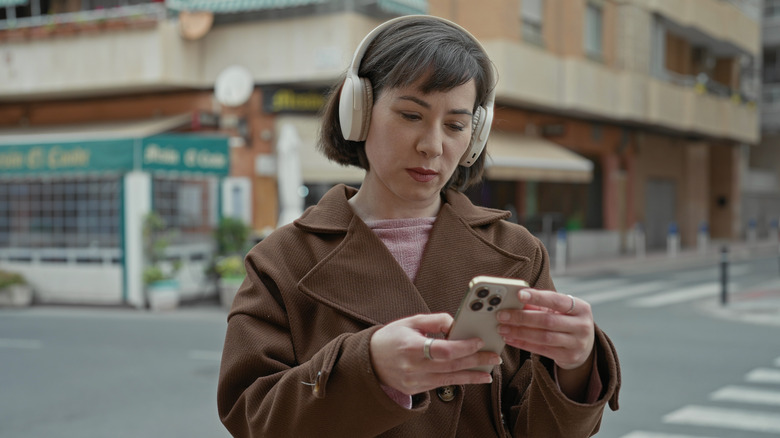
Safety experts now recommend that "Transparency Mode" be the default setting for anyone walking in urban environments, cycling, or commuting. The goal is to allow the user to hear "incidental" sounds—a car horn, a bicycle bell, or a public service announcement—while still enjoying their media.
Implications: The Social and Safety Cost of Silence
The widespread adoption of ANC has broader implications for society and personal safety that extend beyond mere technical specifications.
The Safety Gap
One of the most dangerous misconceptions is that noise cancellation is "all or nothing." In reality, ANC is highly effective at blocking constant, low-frequency drones but less effective at blocking sudden, high-frequency alerts.
If a pedestrian is wearing ANC headphones and hears a muffled, distant sound, their brain may miscalculate the distance of a hazard. A car that sounds "blocks away" due to the muffling effect of the headphones may actually be only a few feet away. This "auditory illusion" has been linked to an increase in pedestrian-related traffic accidents in major metropolitan areas.
Social Isolation and Communication
There is also a growing concern regarding "social withdrawal." The ability to switch off the world at the press of a button can lead to a decrease in spontaneous social interactions. In workplace environments, the constant use of ANC can signal a lack of approachability, potentially stifling collaboration and creating a culture of isolation.
Best Practices for the Modern Listener
To maximize the benefits of noise-canceling technology while mitigating the risks, experts suggest the following protocol:
- The 60/60 Rule: Listen at no more than 60% volume for no more than 60 minutes at a time.
- Contextual ANC: Only activate noise cancellation in environments that actually require it (airplanes, trains, loud offices). In a quiet home, turn ANC off to preserve battery life and sound fidelity.
- Ear Hygiene: Clean the ear tips of your headphones weekly and allow your ears to "breathe" for at least 15 minutes for every hour of use.
- Prioritize Awareness: Use Transparency Mode whenever you are in motion. Silence is a tool for focused work and relaxation, but it should not come at the expense of your physical safety.
Conclusion
Noise-canceling headphones represent a pinnacle of consumer audio engineering, offering a rare commodity in the 21st century: peace and quiet. However, as with any powerful tool, they require a level of user literacy to be used safely and effectively. By understanding the mechanical toll on the battery, the psychological tricks of "anti-noise," and the physical necessity of situational awareness, users can ensure that their pursuit of silence doesn’t lead to a permanent loss of hearing or a shortened lifespan for their favorite devices. The key to the future of audio is not just hearing less of the world, but hearing it more intelligently.