The Silent Arrival: Amazon Leak Signals HTC VIVE Eagle’s Impending US Debut

The landscape of wearable technology is often defined by carefully orchestrated product launches and high-octane keynote presentations. However, in the case of HTC’s latest foray into the smart glasses market, the curtain was raised not by a CEO on a stage, but by a premature listing on the world’s largest e-commerce platform.
In a significant retail slip, Amazon briefly published product pages for the HTC VIVE Eagle smart glasses, suggesting a definitive US launch for a device previously thought to be an overseas exclusive. While HTC officially maintains that the hardware is restricted to the Taiwanese market, the detailed "receipts" provided by the Amazon leak offer a comprehensive look at the pricing, specifications, and regional variations intended for American consumers.
Main Facts: The $499 Retail Revelation
The primary takeaway from the Amazon leak is the definitive price point: $499. This positioning is a bold move by HTC, placing the VIVE Eagle exactly $200 above the entry-level Ray-Ban Meta smart glasses, which currently dominate the lifestyle wearable segment.
The leak revealed a diverse product lineup tailored for the US market, featuring six distinct versions of the glasses. These variations primarily center on aesthetic and functional lens choices:

- Frame Shapes: Both round and square frame geometries were listed, catering to different facial structures and fashion preferences.
- Lens Options: Consumers appeared to have the choice between clear lenses for indoor/all-day use and tinted lenses for outdoor utility.
- Colorways: The listings showcased four finishes, including "Glossy Black" and a more avant-garde "Apricot" hue. Notably, this color palette differs from the "Berry" and "Grey" options currently available in Taiwan, suggesting HTC has performed specific market research to tailor the device’s aesthetic to Western tastes.
Perhaps most crucially, the listings pointed toward a September 1 release date. While Amazon has since scrubbed the pages from its site, the granularity of the information—from specific SKU combinations to shipping dates—suggests that this was not a placeholder error, but a premature activation of a finalized marketing campaign.
Chronology of the Leak: From Notebookcheck to the "Digital Void"
The sequence of events began when tech outlet Notebookcheck first spotted the live listings on Amazon’s US portal. For a brief window, the VIVE Eagle was not just a piece of rumored hardware but a tangible product available for preorder.
- The Discovery: Tech enthusiasts and analysts noticed six unique product pages under the HTC VIVE brand. Unlike "ghost" listings that often lack images or descriptions, these pages were fully populated with high-resolution marketing assets and technical specifications.
- The Preorder Window: For a short period, users were able to add the $499 glasses to their carts. This created an immediate sense of urgency among the wearable tech community, as the VIVE Eagle represents HTC’s most significant attempt to recapture consumer interest outside of the high-end VR space.
- The Retraction: Following the initial wave of media coverage, Amazon moved swiftly to pull the pages. Currently, the URLs lead to "404 Not Found" errors or generic search results.
- The Aftermath: HTC has remained officially silent regarding the leak. Their regional websites still list the VIVE Eagle as a Taiwan-only product, creating a disconnect between the company’s official stance and the logistical reality revealed by the retailer.
This "retailer leak" is a common phenomenon in the tech industry, often occurring when automated backend systems sync inventory before the marketing team has issued a press release. However, the proximity to the alleged September 1 launch date suggests that the hardware is likely already sitting in US distribution centers.
Supporting Data: The Hardware Powering the VIVE Eagle
To justify a $499 price tag in a market where Meta offers a similar product for $299, HTC has packed the VIVE Eagle with high-end internals and a focus on "AI-first" utility. The device is built upon a foundation of mobile processing power and sophisticated sensor arrays.

Processing and Memory
At the heart of the VIVE Eagle lies the Qualcomm Snapdragon AR1 Gen 1 chip. This processor is specifically designed for the thermal and power constraints of slim-frame glasses. Unlike standard mobile chips, the AR1 Gen 1 focuses on low-latency AI processing and efficient power management for heads-up displays and audio. Supporting this chip is 4GB of RAM and 32GB of internal storage, a configuration that allows for on-device processing of voice commands and the storage of high-resolution media.
Visual and Audio Capabilities
The VIVE Eagle features a 12MP ultrawide camera positioned to capture first-person perspectives. This is intended for "POV" content creation and, more importantly, for the device’s computer vision features. On the audio side, HTC utilizes open-ear speakers integrated into the temples. This design allows users to hear system notifications, music, and calls while remaining aware of their environmental surroundings—a critical safety feature for a device intended for daily wear.
Battery and Charging
Battery life remains the "Achilles’ heel" of the smart glasses category. HTC claims the VIVE Eagle can provide up to 4.5 hours of continuous music playback. While this may seem modest compared to traditional headphones, it is competitive within the smart glasses sector. To mitigate battery anxiety, the device features a rapid-charge capability: a 10-minute charge is reportedly enough to restore 50% of the battery capacity.
AI Integration: The Software Edge
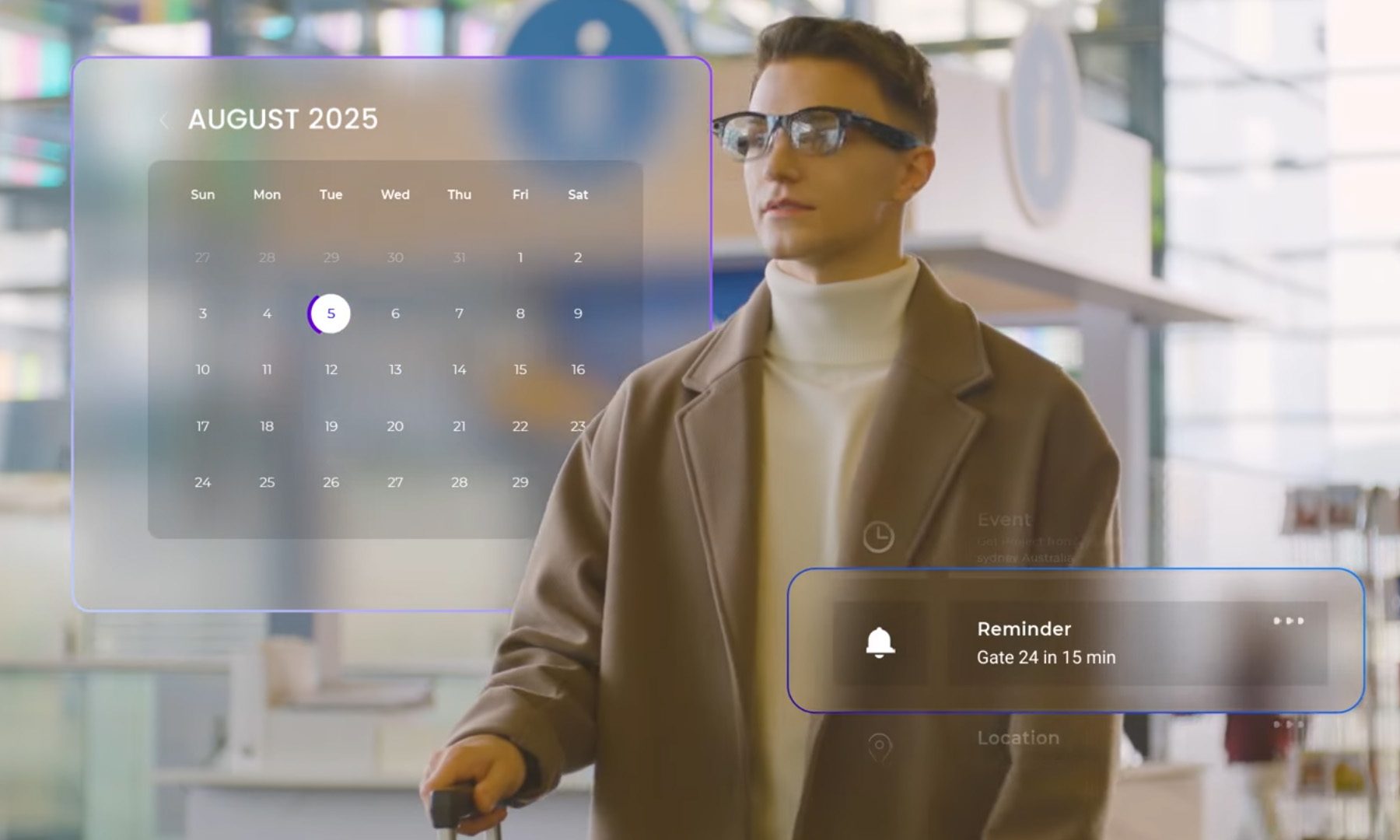
The most significant "supporting data" for the VIVE Eagle is its software stack. HTC has designed the glasses to be a gateway to various Large Language Models (LLMs). The built-in voice assistant is capable of accessing:
- Google Gemini
- OpenAI GPT
By allowing users to "pick their brainy buddy," HTC is positioning the VIVE Eagle as a platform-agnostic tool. Its most lauded feature is camera-based translation, which uses the 12MP sensor to "read" foreign text and translate it via audio in real-time. Additionally, the device supports hands-free note-taking, aiming to serve as a productivity tool rather than just a social media accessory.
Official Responses: A Study in Corporate Silence
As of this writing, HTC has not issued a formal statement acknowledging the Amazon leak. This silence is typical of a company trying to stick to a pre-planned announcement schedule, but it leaves several questions unanswered for the consumers who managed to place preorders.
The current official status of the VIVE Eagle remains "Taiwan Exclusive." When navigating HTC’s global VIVE portals, there is no mention of US availability. This creates a "gray market" atmosphere where the hardware exists in the public consciousness but lacks official support channels in the West.
Industry analysts are watching to see if HTC will honor the preorders placed during the Amazon leak. Generally, when a major retailer makes an error of this magnitude, orders are canceled, and customers are refunded. However, if the September 1 date is accurate, HTC may simply choose to "quietly" transition those orders into the official launch queue.

Implications: HTC’s Pivot and the Smart Glasses Arms Race
The apparent US launch of the VIVE Eagle carries heavy implications for both HTC as a company and the broader wearables market.
HTC’s Consumer Comeback
For the past several years, HTC has largely retreated from the consumer smartphone and entry-level wearable markets, focusing instead on enterprise-grade VR headsets like the VIVE Focus 3 and VIVE XR Elite. The VIVE Eagle represents a pivot back toward the "lifestyle" consumer. By entering the smart glasses space, HTC is attempting to leverage its expertise in miniaturization and optics to compete in a category that is widely seen as the successor to the smartphone.
The Challenge to Meta’s Dominance
Until now, the Ray-Ban Meta smart glasses have enjoyed a near-monopoly on the "fashionable AI glasses" niche. By pricing the VIVE Eagle at $499, HTC is signaling that it believes its hardware is superior—likely due to the open AI ecosystem (Gemini and GPT) and potentially better build quality or optical performance. If HTC can successfully capture the "prosumer" segment of the market, it could force Meta to accelerate its own hardware roadmap.
The "Screenless" AR Trend
The VIVE Eagle follows a growing trend of "screenless" augmented reality. Rather than trying to project a complex digital overlay onto the lenses (which adds bulk and drains battery), these glasses focus on "Audio AR" and "AI Vision." This approach assumes that users want a device that looks like normal eyewear but provides the utility of an AI assistant that can see what they see. The success of the VIVE Eagle in the US will be a litmus test for whether consumers are willing to pay a premium for this specific type of utility.

Regulatory and Privacy Hurdles
As HTC prepares for a US launch, it will face the same scrutiny regarding privacy that has dogged Meta. A 12MP camera mounted at eye level raises significant concerns about "surreptitious recording." HTC will need to demonstrate robust privacy indicators (such as prominent LEDs when the camera is active) to satisfy US consumer advocacy groups and potential regulatory hurdles.
Conclusion: A High-Stakes Launch
The Amazon leak has effectively ended the mystery surrounding HTC’s next move, even if the company isn’t ready to talk about it. With a leaked price of $499 and a launch date of September 1, the VIVE Eagle is poised to be one of the most significant wearable releases of the year.
For HTC, the stakes could not be higher. The VIVE Eagle is more than just a pair of glasses; it is a bid for relevance in a post-smartphone world. If the device delivers on its promise of seamless AI translation and high-quality audio in a stylish frame, HTC may finally find the consumer hit that has eluded it for years. However, at a $200 premium over its closest competitor, the "Eagle" will need to soar exceptionally high to convince the American public that it is the superior way to see—and interact with—the world.